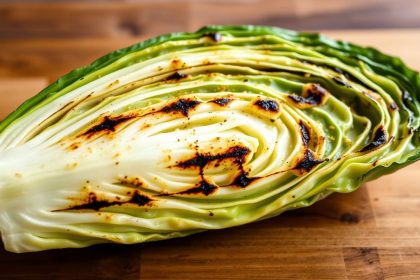

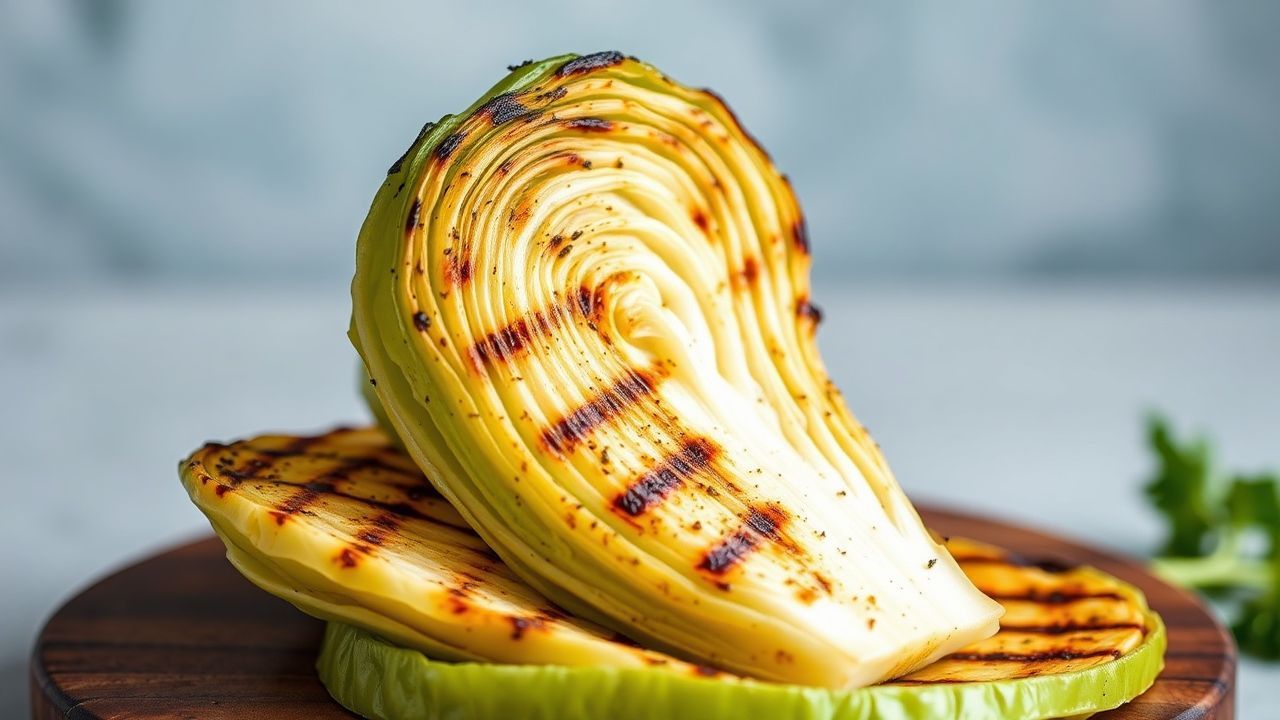

Imagine biting into a wedge of cabbage that is juicy, tender, and kissed by smoky char marks. Grilled cabbage wedges transform a simple vegetable into a savory, caramelized plate with concentrated flavor and texture contrast.
- Key heat range: medium-high (375–425°F) for surface browning without burning.
- Core tip: keep the core intact to hold each wedge while grilling.
- Finishing move: a splash of acid brightens the caramelized sweetness.
Why grill cabbage
Grilling concentrates cabbage flavors by driving surface browning and removing some water, which intensifies sweetness and adds smoky notes. This approach turns ordinary cabbage into a textural element that holds up on a plate and pairs well with proteins and grains.
Grilled wedges also offer a range of mouthfeels from crisp charred edges to a tender core, making them more versatile than boiled or steamed preparations. The contrast between crunchy exterior and soft interior makes them visually appealing and satisfying to eat.
Prep and cook time
Preparation: 10 minutes. Prepare wedges by trimming loose outer leaves and cutting the head into 4 sturdy wedges with the core left in place to bind leaves.
Cooking: 20–25 minutes. Grill at medium-high heat, searing each side to develop deep brown spots while keeping the interior tender but not mushy.
Yield and difficulty
Serves 4 as a side. This is an approachable technique suitable for chefs and home cooks who want dependable results.
Difficulty: Easy to Medium. It requires temperature control and patience to achieve even caramelization without overcooking the center.
Ingredients
Core ingredients: 1 large green cabbage (cut into 4 wedges, core intact), 3 tablespoons olive oil, 1 teaspoon smoked paprika, 1 teaspoon garlic powder, ½ teaspoon ground cumin, 1 teaspoon kosher salt, freshly ground black pepper to taste.
Finishes: 1 tablespoon apple cider vinegar or lemon juice; optional garnish: chopped parsley, toasted pine nuts, or grated hard cheese. Keep ingredients simple to let caramelization and smoke shine.
Instructions
Preheat a gas or charcoal grill to medium-high heat, targeting a surface temperature around 375–400°F. If you grill indoors, heat a heavy cast-iron skillet or grill pan until very hot to mimic direct grill heat.
- Trim and slice: Remove loose outer leaves and quarter the cabbage through the core so each wedge keeps its shape.
- Season: Whisk oil, smoked paprika, garlic powder, cumin, salt, and pepper; brush both faces of each wedge. Oil promotes browning and spices add complementary savory and smoky notes.
- Sear cut-side down: Place wedges cut-side down on the hot grate and cook 6–8 minutes without moving to develop deep caramelization. Look for rich golden-brown patches that indicate Maillard and sugar browning reactions.
- Flip and finish: Turn with a wide spatula and grill the other side 6–8 minutes, then move to indirect heat or reduce flame to finish cooking through without burning edges.
- Finish with acid: Off the heat, drizzle apple cider vinegar or lemon juice over warm wedges to lift flavors and balance sweetness.
For additional technique options and recipe variations, see our internal resources on Ultimate Grilled Vegetables Guide and quick-start Grill Tips. These pages list heat charts and conversion tips for different grills and pans.
Science of caramelization and Maillard reactions
Two browning processes deliver flavor: carbohydrate caramelization and the Maillard reaction. Caramelization breaks down sugars at high heat to create sweet, toasty compounds while Maillard reactions form savory, umami-rich molecules from amino acids and sugars.
Both processes depend on surface temperature, moisture, and time on the heat source. Managing those variables lets you steer toward sweet caramel notes, savory depth, or a balance of both—so monitor heat rather than relying on arbitrary timings.
Practical technique notes
Keep the core intact; it acts as a backbone that prevents each wedge from falling apart during flipping. Brush oil generously; it both transfers heat and helps the surface proteins and sugars brown evenly.
Control flare-ups by trimming excess fat from adjacent meats and keeping a two-zone fire on charcoal grills. For consistent results, measure grate temperature with an infrared thermometer and adjust vents or burner settings as needed.
Tips for success
Control heat: Medium-high sear then finish over medium heat produces the best balance of crust and tender center. Avoid extremes: too hot chars before the center cooks; too cool yields gray, limp wedges.
Patience matters: Let the surface form a crust before flipping; this prevents tearing and enables easy release. Use a wide spatula and a moderate flipping cadence to maintain wedge integrity.
Marinating overnight adds depth but can reduce surface dryness needed for strong caramelization; if you marinate, pat wedges dry before searing. For indoor cooks, preheat a heavy skillet until it smokes slightly, then reduce heat a touch to maintain control.
Serving suggestions
Serve grilled cabbage wedges as a rustic side beside roasted meats or grain bowls, or use them as a centerpiece for a vegetarian plate topped with yogurt-herb sauce or spicy aioli. The wedges’ char and tender core make them an excellent textural contrast on composed plates.
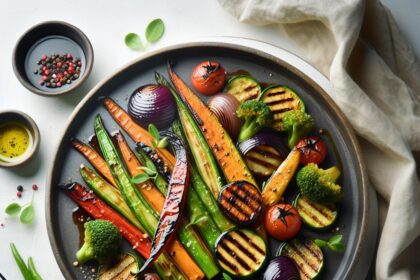
Garnish with bright elements like lemon zest or parsley, and add crunchy elements such as toasted pine nuts for texture contrast. For a full plate, combine with grilled root vegetables and a hearty grain for an earthy, seasonal entrée.
Nutrition at a glance
Grilled cabbage remains a low-calorie, fiber-rich vegetable providing vitamin C and K with minimal added fat when dressed lightly. Grilling retains more vitamins than boiling because nutrients do not leach into cooking water.
Use light oil and modest finishing cheese to keep servings nutrient-dense and calorie-conscious. For more on cabbage nutrition and micronutrients, see the Wikipedia entry on Vitamin C and general Nutrition.
| Nutrient | Amount per serving |
|---|---|
| Calories | 110 kcal |
| Protein | 3 g |
| Carbohydrates | 9 g |
| Fat | 7 g |
FAQ
Why grill cabbage wedges instead of steaming or boiling?
Grilling concentrates flavor through controlled browning and introduces smoky notes that steaming or boiling cannot deliver. It also preserves texture contrast between charred edges and a tender core, which enhances mouthfeel and plate presentation.
What temperature gives the best char without burning?
Target a grate temperature of 375–425°F (190–220°C) for direct searing and move wedges to medium heat to finish. Use an infrared thermometer to verify grate temperature and avoid guesswork for repeatable results.
How do I know when a wedge is done?
Look for deep golden-brown patches on the cut surface and a fork that slides in with slight resistance. The wedge should hold shape while offering a tender bite—avoid overcooking until completely soft.
Can I add marinades or sauces?
Yes; brush on sauces that won’t burn quickly, or add them after the grill stage to prevent excessive charring. Finishing with acidic or creamy sauces balances the smoky sweetness and adds complexity.
Are there indoor alternatives to a grill?
Use a preheated cast-iron skillet or a heavy grill pan over high heat to mimic direct sear. A broiler can also work for quick surface browning, but watch closely to prevent burning.
See also: grilled cabbage