
By using this site, you agree to the Privacy Policy and Terms of Use.
Accept
CookOrBitCookOrBitCookOrBit
  • Home
  • About Us
  • Ingredient Science
    • Flavor & Aroma
    • Protein Chemistry
    • Sugar & Starch
    • Fats & Emulsions
  • Cooking Techniques
    • Searing & Grilling
    • Baking & Roasting
    • Boiling & Steaming
    • Low & Slow
  • Kitchen Experiments
    • DIY Ferments
    • Flavor Tests
    • Gadget Testing
    • Molecular Gastronomy
  • Food Myths
    • Searing Myth
    • 5-Second Rule
    • MSG Myths
    • Microwave Myths
  • Tools
  • More
    • Extra Picks
    • Quick & Easy
      • Breakfast Ideas
      • Desserts
      • Snacks
      • Soups
    • Global Flavors
      • Asian Street Eats
      • Latin Comforts
      • Mexican Flavors
      • Modern Mediterranean
CookOrBitCookOrBit
  • Home
  • About Us
  • Ingredient Science
  • Cooking Techniques
  • Kitchen Experiments
  • Food Myths
  • Tools
  • More
Search
  • Home
  • About Us
  • Ingredient Science
    • Flavor & Aroma
    • Protein Chemistry
    • Sugar & Starch
    • Fats & Emulsions
  • Cooking Techniques
    • Searing & Grilling
    • Baking & Roasting
    • Boiling & Steaming
    • Low & Slow
  • Kitchen Experiments
    • DIY Ferments
    • Flavor Tests
    • Gadget Testing
    • Molecular Gastronomy
  • Food Myths
    • Searing Myth
    • 5-Second Rule
    • MSG Myths
    • Microwave Myths
  • Tools
  • More
    • Extra Picks
    • Quick & Easy
    • Global Flavors
Follow US
  • Advertising Policy: 10 Practical Rules for Safe, Compliant Ads
  • Contact Us
  • Cookie Policy: Clear Guide for Site Owners
  • Copyright Notice Guide: 7 Essential Rules for Website Owners
  • Disclaimer
  • Privacy Policy
  • Terms of Service
By Fimaw.com
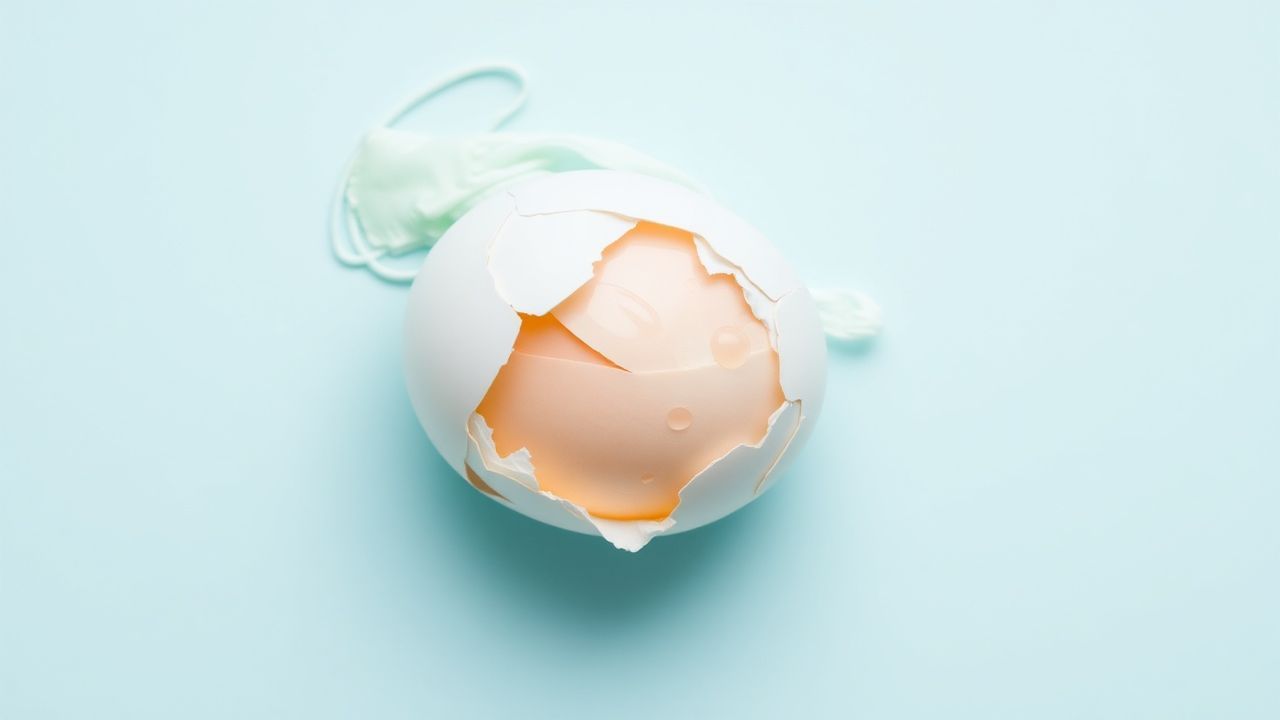
مخطط مقرب لبروتينات البيض داخل صفار وبياض
CookOrBit > Blog > Ingredient Science > Protein Chemistry > 7 Essential Insights: Cracking the Code of Egg Proteins
Protein Chemistry

7 Essential Insights: Cracking the Code of Egg Proteins

William J. Kroll
By William J. Kroll
Published: September 2, 2025
Share
SHARE

Beneath the familiar shell of an egg lies a compact, highly ordered set of proteins that determine texture, nutrition, and many culinary reactions. This piece explains those proteins, how heat alters them, and why chefs and scientists study them closely.

Contents
  • Protein architecture inside the egg
    • Albumen proteins: the functional workhorses
  • How cooking transforms egg proteins
    • Practical cooking outcomes
  • Nutrition, allergies, and bioavailability
  • Functional properties that chefs and industry exploit
    • Examples of functional use
  • Laboratory and research perspectives
  • Insights and practical takeaway
  • FAQ
    • Are egg proteins complete and easily used by the body?
    • Which egg proteins cause allergic responses?
    • Does cooking destroy all harmful components in egg white?
    • How do chefs control egg texture in recipes?
    • Can egg proteins be replaced in industrial formulations?
  • Eggs supply complete, bioavailable protein with diverse functional properties.
  • Albumen and yolk proteins differ in role: structure versus nutrient delivery.
  • Heat denaturation changes digestibility and functional behavior.
  • Understanding these proteins improves cooking and industrial applications.

Protein architecture inside the egg

The egg splits into two distinct protein compartments: the white (albumen) and the yolk. Each compartment contains proteins with specialized structures and chemical properties that suit their biological roles.

The white mainly provides protection and antimicrobial defense for the embryo, while the yolk stores lipids, vitamins, and concentrated proteins to feed a developing chick. For general context on eggs as food see Egg (food).

- Advertisement -

Albumen proteins: the functional workhorses

Albumen contains multiple proteins that perform distinct tasks. The dominant protein is ovalbumin, which accounts for roughly half the soluble protein in egg white and influences gelation and viscosity.

Other albumen proteins include ovotransferrin, which binds iron and provides antibacterial action, and avidin, which binds biotin in raw egg white. These proteins explain common cooking behaviors like foaming and firming.

How cooking transforms egg proteins

Heat changes protein shape through a process called denaturation. Denatured proteins unfold, then form new bonds that create firmer textures and different functional properties.

- Advertisement -

Protein denaturation increases digestibility and reduces some anti-nutritional actions. For a technical description of the mechanism see Protein denaturation.

Practical cooking outcomes

When egg whites heat, the albumen network tightens and traps air, which produces stable foams for meringues. Controlled heating produces the tender curds of a soft-cooked egg.

Yolk proteins emulsify fats because yolk contains phosphoproteins and lipoproteins; chefs exploit that for sauces like mayonnaise or custards where stable emulsions matter.

- Advertisement -

Nutrition, allergies, and bioavailability

Eggs are a complete protein source; they deliver all essential amino acids in proportions that match human needs. That makes eggs highly efficient for muscle synthesis and tissue repair.

However, some individuals develop immune responses to specific egg proteins. The most common allergens target proteins such as ovalbumin and ovomucoid. If you manage food allergies, follow clinical guidance and testing.

Internal resources: For practical advice on daily use and recipes see our Egg protein guide and consult technique tips at egg cooking techniques.

💡 Expert Insight
Expert Insight: Ovalbumin denatures near 80°C but begins to change well below that during slow heating. For delicate textures, use lower, controlled heat rather than high spikes.

Denaturation reduces avidin activity, so cooked eggs allow better absorption of biotin. For the nutrient biotin background refer to Biotin.

⚠️ Pro-Caution
Pro-Caution: Raw egg consumption risks include Salmonella exposure and potential nutrient-binding effects from avidin. Avoid raw eggs in vulnerable populations unless pasteurized products are used.

Functional properties that chefs and industry exploit

Egg proteins provide foaming, gelling, emulsifying, and binding functions. These properties stem from specific molecular behaviors of albumen and yolk proteins under mechanical or thermal stress.

Food manufacturers use these properties widely: from bakery aeration to protein concentrates in nutritional products. The same attributes also support research into biomaterials and delivery systems for micronutrients.

Examples of functional use

Meringues rely on albumen’s ability to form a stable protein network that traps air. Custards depend on yolk protein-lipid interactions to set smoothly without curdling.

Understanding precise temperatures and mixing regimes helps professionals design recipes with predictable texture and stability.

Laboratory and research perspectives

Researchers quantify egg protein behavior using techniques like SDS-PAGE for protein profiling and differential scanning calorimetry to monitor thermal transitions. These methods link microscopic structure to macroscopic function.

Applied research focuses on modifying functional behavior with pH adjustments, ionic strength, or controlled enzymatic treatment. Such manipulations target improved emulsification or foam stability for industrial formulation.

Insights and practical takeaway

Egg proteins pair biological precision with culinary versatility. Albumen delivers structure and defense; yolk delivers nutrient-dense storage and emulsification power.

Chefs and food scientists alike gain predictable outcomes by controlling temperature, shear, and formulation. For culinary troubleshooting, refer to our internal technique pages linked above.

FAQ

Are egg proteins complete and easily used by the body?

Yes. Eggs provide complete proteins with high digestibility. Cooking usually increases digestibility by unfolding protein structures and exposing peptide bonds to digestive enzymes.

Which egg proteins cause allergic responses?

Common allergens include ovalbumin and ovomucoid in the white. Reactions vary in severity; diagnosis and management should follow an allergy specialist’s recommendations.

Does cooking destroy all harmful components in egg white?

Cooking inactivates many anti-nutritional factors like avidin and reduces microbial risks. However, thorough cooking is necessary to address pathogens such as Salmonella.

How do chefs control egg texture in recipes?

Control time and temperature carefully. Gentle, lower heat yields tender curds or custards. High heat produces firmer, drier textures. Mechanical action (whipping) and added ingredients (sugar, acid) also modify behavior.

Can egg proteins be replaced in industrial formulations?

Alternatives exist (plant proteins, hydrocolloids), but they often need engineering to match the specific foaming or emulsifying strengths of egg proteins. Formulation work usually combines multiple ingredients to achieve parity.

See also: Egg proteins
Unlocking Dough Secrets: 7-Step Windowpane Test to Master Gluten Strength
Smoothie Mastery: 7 Science-Proven Tips for Ultra-Creamy Blends
Ultimate Microwave Containers Showdown: 7 Containers Ranked by Speed
Listeria Uncovered: 7 Essential Food Safety Steps
Irresistible Velvety Instant Pot Potato Soup — 40-Minute Cozy Comfort
TAGGED:andcrackingculinary scienceegg emulsionsegg nutritionegg proteinsexploringfood allergiesmeringue foamsprotein denaturationproteinsthe
Share This Article
Facebook Pinterest Whatsapp Whatsapp LinkedIn Telegram Threads
What do you think?
Love0
Sad0
Happy0
Sleepy0
Angry0
Dead0
Wink0
Previous Article شيف يقيس درجة حرارة لحم مشوي أثناء الراحة لضمان طهي مثالي Mastering Carryover Cooking: 9 Thermometer Tips for Perfection
Next Article زجاجات مستخلصات مرّة وشرائح حمضيات تكشف أسرار النكهات والمرارة Bitter Bliss: 9 Ways Bitters Transform Flavor
Creamy Garlic Chicken with melted Parmesan and fresh herbs on a rustic white plate
Garlic Chicken: 7 Ultimate Brilliant Recipes to Make the Best-Ever Creamy Garlic Chicken with Parmesan & Fresh Herbs
Extra Picks
Colorful bowls of Leftover Couscous transformed into salads, fritters, and stuffed peppers.
12 Amazing Practical Leftover Couscous Ideas: Brilliant Ways to Reuse and Remix
Uncategorized
Colorful jars of spice blends beside steaming couscous with herbs and lemon
7 Ultimate spice blends That Transform Your Couscous — Amazing Best Flavor Boosts
Uncategorized
Bowls of gluten-free couscous alternatives: quinoa, millet, cauliflower, and rice
10 Amazing couscous alternatives: Best Gluten-Free Swaps for Incredible Flavor
Uncategorized

Tags

and art baked baking science baking techniques Baking tips batch cooking beef behind browning techniques butternut squash caramelization cast iron skillet chemistry chicken comfort food Cooking science cooking technique Cooking techniques Cooking tips crafting creamy creamy soup crispy culinary science fish flavor flavor chemistry food food safety Food science for garlic golden Ground turkey hearty heat high-heat cooking high protein meals how instant read thermometer Lean protein magic Maillard reaction make ahead meals make ahead soup mastering meal prep Meal prep recipes meat thermometer microwave microwave cooking moisture control one pot meals Pan searing perfect perfectly Plant based protein Probe thermometer protein denaturation Quick dinners roasted roasted squash roasted tomato soup Roasted vegetables Roasting techniques savor savory science Searing technique Searing techniques secrets slow cooking squash steak steak cooking sweet temperature control the top turkey turkey soup turkey stew ultimate umami cooking umami flavor unlock unlocking unveiling vegetable velvety weeknight dinner Weeknight dinners weeknight meals what when why with your zesty
April 2026
M T W T F S S
 12345
6789101112
13141516171819
20212223242526
27282930  
« Mar    

You Might Also Like

- How Fat Unlocks and Carries Flavor: The Secret Ingredient
Flavor & Aroma

7 Proven Fat Flavor Techniques That Work

William J. Kroll
William J. Kroll
November 10, 2025
Bubbly Bliss: Crafting the Perfect Water Kefir Soda at Home
DIY Ferments

Bubbly Bliss: 9 Easy Steps to Craft Perfect Water Kefir Soda at Home

William J. Kroll
William J. Kroll
February 14, 2026
فقاعات مخمر الساوردي، تفاعل كيميائي ساحر يرفع العجينة
Flavor & Aroma

Sourdough Starter Science: 7 Essential Chemistry Insights

William J. Kroll
William J. Kroll
August 28, 2025
- Cheese Chronicles: Unlocking the Secrets of Flavor Profiles
Flavor & Aroma

Cheese Profiles: 7 Expert Secrets to Master Flavor

William J. Kroll
William J. Kroll
September 29, 2025
Roasted Vegetable Chili: A Hearty Twist on Classic Comfort
Extra Picks

7 Secrets for Smoky Roasted Vegetable Chili

William J. Kroll
William J. Kroll
January 27, 2026
Coconut Milk & Cream: Unlocking Their Culinary Magic
Fats & Emulsions

11 Powerful Ways Coconut Milk & Cream Transform Your Cooking

William J. Kroll
William J. Kroll
November 19, 2025
Follow US
By Fimaw.com © All Rights Reserved.
  • Advertising Policy: 10 Practical Rules for Safe, Compliant Ads
  • Contact Us
  • Cookie Policy: Clear Guide for Site Owners
  • Copyright Notice Guide: 7 Essential Rules for Website Owners
  • Disclaimer
  • Privacy Policy
  • Terms of Service
Welcome Back!

Sign in to your account

Username or Email Address
Password

Lost your password?