

Kitchen tools flood the market every season. Many promise faster prep, better results, or cleaner counters. As a culinary professional and longtime tester, I separate useful tools from fleeting fads using practical tests and real-world kitchen timelines.
- Prep and Cook Time
- Yield
- Difficulty Level
- Ingredients
- Instructions
- Tools That Matter
- Tips for Success
- Serving Suggestions
- Nutritional Information
- Practical Buying Advice
- FAQ
- How do I tell a useful gadget from a gimmick?
- Are multi-functional tools worth it?
- Which materials should I prioritize?
- How do I evaluate online reviews?
- Can inexpensive gadgets ever be a good buy?
- Insights and Conclusions
- Buy for function: Keep gadgets that solve real, repeated tasks.
- Prioritize durability: Materials and construction determine lifespan.
- Measure impact: Choose tools that save time or improve consistency.
- Start basic: Invest in essentials, then add specialty gadgets intentionally.
Below I apply those rules to a practical, one-pan Mediterranean chicken bake that benefits from a few well-chosen gadgets. The recipe showcases how the right tools reduce steps and improve texture while keeping cleanup minimal.
Prep and Cook Time
Prep Time: 15 minutes. I time ingredient prep and mise en place to keep the oven workflow smooth. Use a timer and arrange ingredients within arm’s reach to avoid wasted motion.
Cook Time: 40 minutes. The recipe balances stovetop searing and oven roasting to build flavor and even texture. The total time remains under an hour for a reliable weeknight main.
Yield
Serves 4 hearty portions. The quantities suit a family dinner or a small batch meal prep for two. Scale the recipe evenly by weight to maintain roast and cooking profiles.
For larger groups, multiply ingredients and use separate skillets or a sheet pan to avoid overcrowding and loss of browning.
Difficulty Level
Medium. This dish requires basic searing technique and oven timing. It rewards attention to even slicing and correct internal temperature for the chicken.
Beginners can follow the step sequence reliably; more experienced cooks can adjust spices, herbs, or vegetables to personal taste.
Ingredients
This ingredient list focuses on flavor balance: acid, fat, aromatics, and brine. Each component contributes to a layered finish without complexity.
Substitute with local produce when in season and maintain relative weights for the protein and vegetables to ensure consistent cooking.
- 4 boneless, skinless chicken thighs
- 2 tbsp extra virgin olive oil, divided
- 1 lemon, zested and juiced
- 4 garlic cloves, minced
- 1 tsp smoked paprika
- 1 tsp dried oregano
- 1 large red onion, thinly sliced
- 1 red bell pepper, cut into strips
- 1 cup cherry tomatoes, halved
- ½ cup pitted kalamata olives
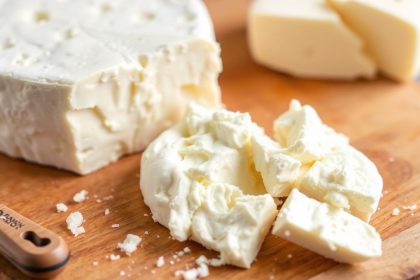
- ½ cup crumbled feta cheese
- Fresh parsley for garnish
- Salt and freshly ground black pepper, to taste
Instructions
Follow the steps precisely for the best texture. The technique combines short marination, high-heat searing, and oven roasting for even doneness and caramelization.
Read each step before starting to ensure you have the correct tools at hand—heavy skillet, tongs, reliable thermometer, and an oven-safe lid or foil.
1. Marinate the chicken
In a bowl whisk 1 tablespoon olive oil, lemon zest, lemon juice, minced garlic, smoked paprika, oregano, salt, and pepper. Toss chicken in the marinade to coat thoroughly and rest at room temperature for ten minutes or refrigerate up to two hours for deeper flavor.
Short marination changes surface chemistry and improves browning during searing. Avoid overly long acid marination for dark meat; too long can affect texture.
2. Prepare the vegetables
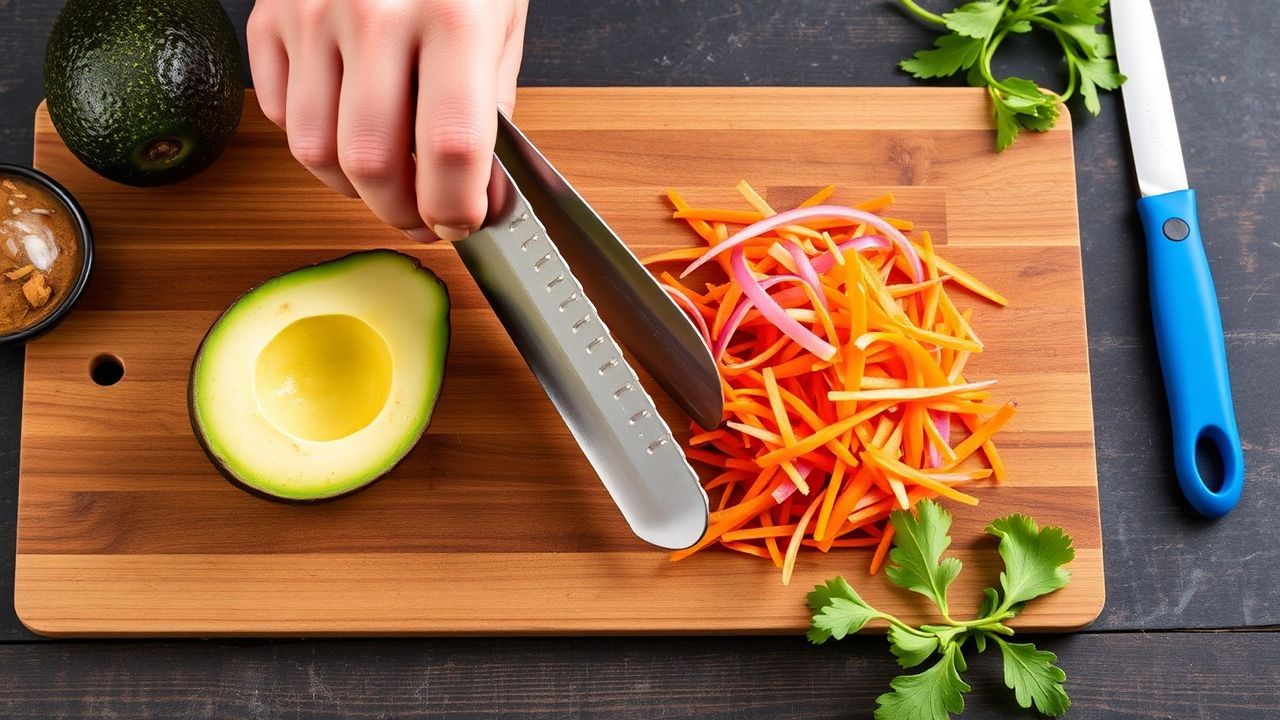
Slice the red onion and bell pepper uniformly for even roasting. Use a sharp chef’s knife or a precise slicing tool to keep thickness consistent and prevent some pieces from charring before others have softened.
For uniform thin slices, consider a trusted hand tool designed for consistent cutting. See notes on useful gadgets below.
3. Sear the chicken
Heat remaining 1 tablespoon of olive oil in a heavy, oven-safe skillet over medium-high heat. Place the marinated thighs in the pan and sear about five minutes per side until a deep golden crust forms.
Searing adds Maillard flavor and locks in juices. Use an instant-read thermometer to confirm an internal temperature of 165°F (75°C) after roasting.
4. Add vegetables and roast
Arrange sliced onion, pepper, tomatoes, and olives around and atop the chicken. Transfer the skillet to a preheated oven at 400°F (200°C) and roast for 25 minutes until the chicken reaches 165°F and vegetables caramelize.
Rest the chicken briefly after removal, then crumble feta and scatter chopped parsley before serving for freshness and textural contrast.
Tools That Matter
Not every kitchen gadget improves outcomes. I evaluate tools by build quality, ergonomic design, and measurable time saved during prep and cleanup. Tools that meet those criteria consistently earn a place in my tested kit.
For example, a heavy cast-iron or stainless skillet provides even heat distribution and searing performance that electric pans often cannot match. A good instant-read thermometer removes guesswork from doneness checks.
Learn more about essential utensils at kitchen utensil and why material choice affects cooking at olive oil profiles when searing.
Tips for Success
Quality matters more than gimmicks. Choose tools that perform one or two jobs exceptionally well rather than those that promise dozens but fail at the basics. Good tools lower friction and improve repeatability.
Organize your prep. A compact workstation and a designated bowl for scraps save time and reduce stress. Use a reliable mandoline alternative or sharp knife for uniform slices that roast evenly.
Balance investment with frequency. If a gadget will see weekly use, choose a higher-quality model. If it’s for a seasonal task, a basic, well-reviewed option suffices.
Serving Suggestions
Serve this bake with herbed couscous or lemon quinoa to absorb the pan juices. A crisp green salad dressed simply with olive oil and vinegar complements the savory, briny notes of olives and feta.
Warm, crusty whole-grain bread or toasted pita also pairs well and helps scoop the feta-studded sauce. Adjust side portions to balance protein and starch for each diner.
Nutritional Information
The following values are estimates per serving and depend on ingredient brands and portion sizes. Track portions to fit the dish into your dietary plan accurately.
I recommend weighing protein and tracking added fats if you follow strict macronutrient goals. The table below provides a baseline for home cooks.
| Nutrient | Amount per Serving |
|---|---|
| Calories | 420 kcal |
| Protein | 35 g |
| Carbohydrates | 12 g |
| Fat | 22 g |
Practical Buying Advice
When you evaluate a gadget, test how it fits your kitchen layout, how it stores, and how it cleans. Ergonomics and ease of cleaning matter as much as performance. Choose stainless or heavy-gauge materials where heat and contact durability matter.
Read user reviews focused on longevity, not flash features. I keep a shortlist of trusted purchases and replace items that fail predictable wear tests. For deeper reading on Mediterranean flavor profiles and ingredients, review Mediterranean cuisine and the role of regional cheeses like feta.
For curated tool recommendations and comparisons, see our internal resources: Best Kitchen Gadgets of 2024 and Kitchen Tool Buying Guide. These pages list tools I regularly recommend after hands-on testing.
FAQ
How do I tell a useful gadget from a gimmick?
Ask if it solves a real, repeated problem and reduces steps or time. If it adds cleaning or storage burden without measurable benefit, it’s likely a gimmick. Real tools improve consistency and reduce friction.
Are multi-functional tools worth it?
Only if each function performs well and the tool remains simple to use and clean. When a device compromises performance to offer many features, single-purpose tools often perform better.
Which materials should I prioritize?
Choose cookware with even heat distribution—thick-gauge stainless or cast iron for searing. For cutting tools, high-carbon stainless offers edge retention and corrosion resistance.
How do I evaluate online reviews?
Focus on long-term users and reports about durability, not just initial impressions. Look for reviewers who test cleaning, storage, and performance under repeated use.
Can inexpensive gadgets ever be a good buy?
Yes, for occasional tasks where quality doesn’t affect results. For daily-use items, invest in quality to avoid replacement costs and inconsistent performance.
Insights and Conclusions
A reliable toolset limits variables and improves meal consistency. Choose gear that reduces friction in prep and cleanup while delivering predictable results.
Make purchases with intention: prioritize durability, ease of cleaning, and tangible time savings. That approach keeps counters clear and meals better executed.
For more technique and gadget guidance, explore our guide to essential kitchen tools and tested gadgets for everyday cooking. Use empirical testing and thoughtful selection to build a toolkit that serves your cooking style and schedule.

See also: Kitchen Gadgets