By using this site, you agree to the Privacy Policy and Terms of Use.
Accept
CookOrBitCookOrBitCookOrBit
  • Home
  • About Us
  • Ingredient Science
    • Flavor & Aroma
    • Protein Chemistry
    • Sugar & Starch
    • Fats & Emulsions
  • Cooking Techniques
    • Searing & Grilling
    • Baking & Roasting
    • Boiling & Steaming
    • Low & Slow
  • Kitchen Experiments
    • DIY Ferments
    • Flavor Tests
    • Gadget Testing
    • Molecular Gastronomy
  • Food Myths
    • Searing Myth
    • 5-Second Rule
    • MSG Myths
    • Microwave Myths
  • Tools
  • More
    • Extra Picks
    • Quick & Easy
      • Breakfast Ideas
      • Desserts
      • Snacks
      • Soups
    • Global Flavors
      • Asian Street Eats
      • Latin Comforts
      • Mexican Flavors
      • Modern Mediterranean
CookOrBitCookOrBit
  • Home
  • About Us
  • Ingredient Science
  • Cooking Techniques
  • Kitchen Experiments
  • Food Myths
  • Tools
  • More
Search
  • Home
  • About Us
  • Ingredient Science
    • Flavor & Aroma
    • Protein Chemistry
    • Sugar & Starch
    • Fats & Emulsions
  • Cooking Techniques
    • Searing & Grilling
    • Baking & Roasting
    • Boiling & Steaming
    • Low & Slow
  • Kitchen Experiments
    • DIY Ferments
    • Flavor Tests
    • Gadget Testing
    • Molecular Gastronomy
  • Food Myths
    • Searing Myth
    • 5-Second Rule
    • MSG Myths
    • Microwave Myths
  • Tools
  • More
    • Extra Picks
    • Quick & Easy
    • Global Flavors
Follow US
  • Advertising Policy: 10 Practical Rules for Safe, Compliant Ads
  • Contact Us
  • Cookie Policy: Clear Guide for Site Owners
  • Copyright Notice Guide: 7 Essential Rules for Website Owners
  • Disclaimer
  • Privacy Policy
  • Terms of Service
By Fimaw.com
- Why '00' Flour Makes Pasta Perfect: The Secret Ingredient
CookOrBit > Blog > Ingredient Science > Protein Chemistry > 7 Proven Reasons 00 Flour Makes Pasta Perfect
Protein Chemistry

7 Proven Reasons 00 Flour Makes Pasta Perfect

William J. Kroll
By William J. Kroll
Published: November 10, 2025
Share
SHARE

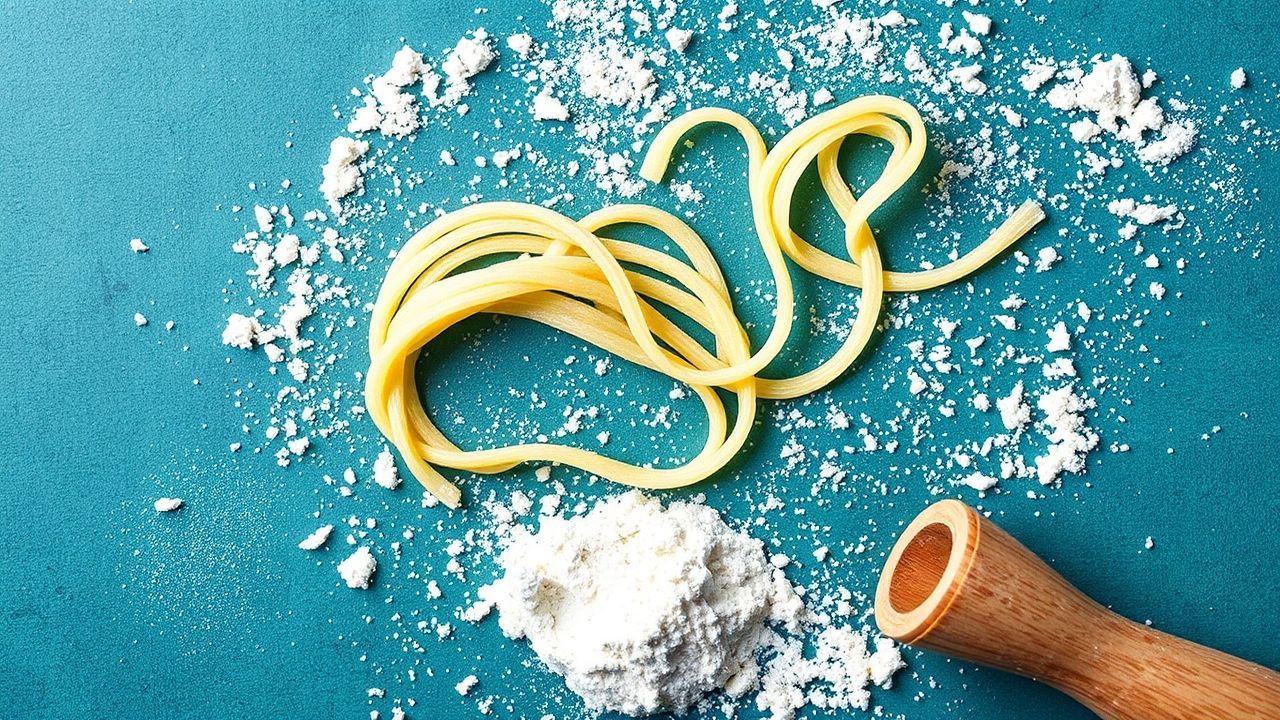
00 flour gives fresh pasta a silkier texture and a precise bite that experienced cooks and chefs prize. The very fine grind and moderate protein profile change dough hydration and gluten behavior, producing consistently tender, elastic pasta.

Contents
  • What is 00 flour?
    • How 00 is produced
  • Why fineness matters for pasta
    • Protein content and texture
  • Step-by-step: Making pasta with 00 flour
    • Ingredients
    • Instructions
    • Kneading, resting and shaping
  • Chef’s Notes and practical variations
  • Pro considerations: Handling and troubleshooting
    • Common issues and fixes
  • Serving suggestions and pairings
  • Nutrition (per serving)
  • Practical context and application
  • FAQ
    • What exactly is 00 flour?
    • How does 00 flour differ from all-purpose or bread flour?
    • Can I use 00 flour for other recipes?
    • Where should I source authentic 00 flour?
    • Should I ever mix 00 with other flours?
  • Ultra-fine particle size improves rollability and translucence.
  • Balanced protein supports elasticity without chewiness.
  • Faster, even hydration reduces mixing time and tearing.
  • Versatile use across pasta and thin-crust pizza applications.

What is 00 flour?

00 flour is a grading used in Italian milling that denotes a very fine grind of the endosperm. The label signals particle size and refinement rather than a single wheat variety.

The milling approach behind 00 flour focuses on sifting and reduction of bran fragments. For technical background on flour and milling, consult flour composition and milling methods to understand how particle size affects dough behavior.

- Advertisement -

How 00 is produced

Mills grind the endosperm to an ultra-fine consistency, then separate larger particles and bran. The result is a powdery flour that looks and feels almost silky.

Because the bran and large fragments are removed, liquids absorb into 00 flour differently than into coarser mixes. This fine particle profile shortens the time needed to obtain a uniform, smooth dough surface.

Why fineness matters for pasta

Fine particles hydrate more uniformly, creating a cohesive dough matrix that stretches without tearing. That matrix supports thin rolling and good pasta structure when cooked.

- Advertisement -

Also, 00 flour requires less dusting during shaping, so the pasta retains moisture and produces a tender bite. For the science behind elastic networks and cooking performance, review gluten formation and its interaction with particle size.

Protein content and texture

00 flours marketed specifically for pasta typically list moderate protein values. They sit below high-gluten bread flours but high enough to form a stable, extensible network.

That balance yields strength with suppleness, so cooked fresh pasta holds shape, resists overexpansion, and delivers a classic al dente mouthfeel without excessive chew.

- Advertisement -

Step-by-step: Making pasta with 00 flour

Using 00 flour streamlines several stages of pasta making: mixing, kneading, resting, and rolling. Follow weight measures and a consistent workflow to get predictable outcomes.

Always use room-temperature eggs and measure flour by weight when possible. For a tested reference, try an internal homemade pasta recipe that lists grams for each ingredient.

Ingredients

2 cups 00 flour, 3 large eggs, 1/2 tsp salt, 1 tbsp olive oil, and a splash of water if needed. Weighing gives better accuracy than cups for repeatable results.

Optional: blend 10–20% semolina for added bite and grip. For background on coarse durum products that contrast with 00, consult semolina.

Instructions

1. Mound the flour and form a well. Add eggs, salt, and olive oil to the center. Gradually fold the flour into the liquid until a shaggy mass forms.

2. Knead 8–10 minutes until smooth and slightly tacky. Rest 30–45 minutes wrapped at room temperature to relax the gluten and improve rollability.

Kneading, resting and shaping

After resting, divide the dough and roll thinly with a machine or pin. With 00 flour, you can reach nearly translucent sheets with less effort than coarser flours.

Cut shapes and cook fresh pasta 2–5 minutes in rapidly boiling salted water until al dente. Fresh pasta cooks faster than dried varieties, so test small samples to time the ideal bite.

💡 Expert Insight
Expert Insight: Use a dough hook on low speed for the first 2–3 minutes to develop a light gluten network, then finish by hand. This preserves a tender structure while saving time.

Chef’s Notes and practical variations

Choose a 00 labeled for pasta or pizza when possible because mills sometimes tailor blends for specific uses. Read the miller’s protein specification if you want a precise texture.

Try ratios: pure 00 for silky sheets; 80/20 00 to semolina for firmer strands. Use slightly less dusting flour during shaping; excess makes pasta heavier and drier.

Pro considerations: Handling and troubleshooting

If the dough feels dry, add water one teaspoon at a time while kneading. If sticky, rest it longer or dust lightly and sparingly when shaping.

Humidity and egg size change hydration needs. Adjust by feel and small trials rather than strict cup volumes to maintain consistent results across seasons and kitchens.

⚠️ Pro-Caution
Pro-Caution: Avoid overworking the dough. Excess mechanical friction heats the dough and tightens gluten, producing tough pasta. Stop kneading when the dough is smooth and elastic.

Common issues and fixes

Tear-prone sheets usually indicate insufficient rest or uneven rolling. Let the dough relax and check the roller spacing for consistent thickness.

Gummy pasta often signals undercooking or excess hydration. Cook small samples and adjust boiling time and dough hydration in small increments.

Serving suggestions and pairings

00 flour’s subtle flavor partners well with light, high-quality ingredients that showcase texture rather than mask it. Opt for sauces that highlight the pasta’s mouthfeel.

Consider brown butter and sage, a fresh tomato pomodoro, or a delicate seafood sauce. Finish with freshly grated aged cheese and a drizzle of olive oil to balance richness.

Nutrition (per serving)

Nutrition varies by recipe, but a typical serving of fresh egg pasta made with 00 flour provides calories from carbohydrate and moderate protein. Adjust portions based on sauce and add-ins.

Nutrient Per Serving
Calories ~350 kcal
Protein ~11 g
Carbohydrates ~60 g
Fat ~8 g

Practical context and application

Understanding why 00 flour performs well requires looking at particle size and protein together. Those factors control hydration, gluten network formation, and final mouthfeel.

Use small tests when switching brands; mills vary blends and protein levels. Sample a 500 g bag before committing to large quantities if you depend on very specific texture outcomes in production.

FAQ

What exactly is 00 flour?

00 is an Italian grade referring to a very fine grind of wheat endosperm. It usually contains fewer bran particles and therefore hydrates and rolls differently than coarser flours.

The fine texture helps produce a smooth dough surface and delicate pasta sheets when handled correctly.

How does 00 flour differ from all-purpose or bread flour?

00 typically has a finer particle size and moderate protein compared with bread flour. Bread flour emphasizes higher protein for maximum gluten strength and volume.

That difference makes 00 better for pasta and thin-crust pizza where extensibility and tenderness matter more than maximum chew.

Can I use 00 flour for other recipes?

Yes. Bakers use 00 for pizza dough, some pastries, and recipes that benefit from a fine crumb. However, use higher-protein flours for crusty artisan breads.

For broader context on pasta techniques and related doughs, see pasta methods.

Where should I source authentic 00 flour?

Buy from reputable mills and specialty sellers that provide origin and intended use. Look for “Tipo 00” and the miller’s protein percentage when you need a specific performance.

Test a small bag to learn its performance; different brands vary slightly and will affect hydration and rolling characteristics.

Should I ever mix 00 with other flours?

Yes. Mixing a portion of semolina or whole-grain flour adds flavor and bite. A common blend is 80% 00 to 20% semolina for shaped pastas that need more grip.

Always adjust hydration when blending flours because coarser particles absorb water at different rates.

Final note: When used with careful technique—accurate measurement, controlled kneading, and adequate rest—00 flour is a practical tool that consistently produces tender, elastic fresh pasta.

See also: 00 flour resources and pasta kneading guide

See also: 00 flour
Perfectly Crisp: 9 Expert Secrets to Avoid a Soggy Pie Crust Bottom
12 Pro Techniques for Flawless Turkey Stew
Savor the Flavor: 7 Pro Tips for Beef Keema with Peas Recipe Guide
Zesting Science: 7 Proven Ways Citrus Zest Transforms Flavor
Unlocking Flavor: 7 Pro Techniques for Confit Cooking
TAGGED:00 flouranddouble zero flourflourflour millingfresh pastagluten formationhomemade pastaItalian flourmakespasta doughpasta recipesemolina blendthethin crust pizzawhy
Share This Article
Facebook Pinterest Whatsapp Whatsapp LinkedIn Telegram Threads
What do you think?
Love0
Sad0
Happy0
Sleepy0
Angry0
Dead0
Wink0
Previous Article - How Fat Unlocks and Carries Flavor: The Secret Ingredient 7 Proven Fat Flavor Techniques That Work
Next Article - Potato Starch Unveiled: Nature's Pure, Versatile Powder Potato Starch Revealed: 8 Practical Uses & Proven Benefits
Colorful bowls of Leftover Couscous transformed into salads, fritters, and stuffed peppers.
12 Amazing Practical Leftover Couscous Ideas: Brilliant Ways to Reuse and Remix
Uncategorized
Colorful jars of spice blends beside steaming couscous with herbs and lemon
7 Ultimate spice blends That Transform Your Couscous — Amazing Best Flavor Boosts
Uncategorized
Bowls of gluten-free couscous alternatives: quinoa, millet, cauliflower, and rice
10 Amazing couscous alternatives: Best Gluten-Free Swaps for Incredible Flavor
Uncategorized
Colorful bowls of couscous dinners with roasted vegetables and fresh herbs, quick ten-minute meals
10 Amazing couscous dinners: The Ultimate Best Quick 10-Minute Recipes
Uncategorized

Tags

and art baked baking science baking techniques Baking tips batch cooking beef behind butternut squash caramelization cast iron skillet chemistry chicken comfort food Cooking science cooking technique Cooking techniques Cooking tips crafting creamy creamy soup crispy culinary science fish flavor flavor chemistry food food safety Food science for garlic golden Ground turkey hearty heat high-heat cooking high protein meals how instant read thermometer lactic acid bacteria Lean protein magic Maillard reaction make ahead meals make ahead soup mastering meal prep Meal prep recipes meat thermometer microwave microwave cooking moisture control one pot meals Pan searing perfect perfectly Plant based protein Probe thermometer protein denaturation Quick dinners roasted roasted squash roasted tomato soup Roasted vegetables Roasting techniques savor savory science Searing technique Searing techniques secrets slow cooking squash steak steak cooking sweet temperature control the top turkey turkey soup turkey stew ultimate umami cooking umami flavor unlock unlocking unveiling vegetable velvety weeknight dinner Weeknight dinners weeknight meals what when why with your zesty
March 2026
M T W T F S S
 1
2345678
9101112131415
16171819202122
23242526272829
3031  
« Feb    

You Might Also Like

- The Muffin Mix-Up: What Happens When You Over-Mix?
Sugar & Starch

Muffin Mix-Up: 7 Ways Over-Mixing Ruins Texture (Expert Fixes)

William J. Kroll
William J. Kroll
October 3, 2025
Savor the Flavor: Roasted Butternut Squash Pasta Delight
Extra Picks

7 Steps: Roasted Butternut Pasta Mastery

William J. Kroll
William J. Kroll
January 20, 2026
Whipping Wonders: Crafting Meringue on a Humid Day
Flavor Tests

7 Whipping Wonders: Master Meringue on Humid Days

William J. Kroll
William J. Kroll
February 10, 2026
- The Chemistry Behind the Perfect Savory Macaron Delight
MSG Myths

7 Science-Proven Steps to the Perfect Savory Macaron Delight

William J. Kroll
William J. Kroll
October 1, 2025
Unlocking the Chemistry Behind a Safe Kitchen Sink Drain
5-Second Rule

7 Proven Steps to Master Drain Chemistry for a Safe Kitchen Sink

William J. Kroll
William J. Kroll
February 14, 2026
Enmoladas Uncovered: Mexico’s Rich and Saucy Delight
Extra Picks

Enmoladas Revealed: 7 Authentic Tips for Mexico’s Rich, Saucy Delight

William J. Kroll
William J. Kroll
December 23, 2025
Follow US
By Fimaw.com © All Rights Reserved.
  • Advertising Policy: 10 Practical Rules for Safe, Compliant Ads
  • Contact Us
  • Cookie Policy: Clear Guide for Site Owners
  • Copyright Notice Guide: 7 Essential Rules for Website Owners
  • Disclaimer
  • Privacy Policy
  • Terms of Service
Welcome Back!

Sign in to your account

Username or Email Address
Password

Lost your password?