

Cracking the Code: Explaining Food Safety to Skeptics
Food safety often reads like a foreign language to people who distrust institutions or have picked up conflicting advice. Practical, measurable steps remove that barrier and let people test rules for themselves. This article explains the science, the practices, and the best ways to talk about them with skeptical audiences.
- Clear rules beat fear: measurable temperatures and separation reduce risk.
- Small habits matter: consistent handwashing and thermometers prevent outbreaks.
- Transparency builds trust: explain what you did and why in plain terms.
- Technology helps: inexpensive thermometers and timers change outcomes.
Core Principles of Food Safety
Food safety rests on a few repeatable principles: control temperature, prevent cross-contamination, maintain hygiene, and use reliable verification. These principles reflect decades of laboratory and field evidence and apply anywhere food is handled.
Temperature control slows or stops bacterial growth; hot holding above 140°F (60°C) and cold holding below 40°F (4°C) are common benchmarks. Different pathogens behave differently, so follow specific target temperatures for final cooking and hot-holding.
Understanding pathogens helps communication. For example, foodborne illness covers infections caused by bacteria and viruses that multiply on improperly handled food. Naming familiar organisms makes advice concrete.
Many skeptics respond to named examples. Mentioning organisms such as Salmonella or Listeria helps anchor abstract rules to observable harms.
Prep and Cook Time, Yield, Difficulty
Preparation: 10 minutes. Cooking: varies; often no extra cook time for assembled items. Total time: 10–30 minutes depending on verification steps like temperature checks.
Yield: guidance applies to households of 1–6 people; scale the practices to your context. Difficulty: Easy. Most actions need little equipment beyond a digital thermometer and clean tools.
Practical Steps for Home Kitchens
Adopt simple, verifiable controls. Use a calibrated digital thermometer to read internal temperatures, keep raw proteins separate from ready-to-eat foods, and wash hands and surfaces frequently. These are low-effort steps that produce measurable safety gains.
Keep cold food at or below 40°F (4°C) and hot food at or above 140°F (60°C). For poultry, verify a minimum internal temperature of 165°F (74°C). For other proteins and leftovers, follow recognized target temperatures and time limits while hot-holding or cooling.
Temperature and Tools
Buy a cheap digital probe thermometer and test it with an ice bath (should read ~32°F / 0°C) and boiling water adjusted for altitude. A reliable reading beats visual cues every time.
Use timers to manage cooling. Rapid cooling through shallow containers and refrigeration reduces the window where bacteria can multiply. Document what you did if you are serving others; transparency reduces doubt.
When you teach someone a new habit, demonstrate it. Show the thermometer reading, explain why that number matters, and compare meats cooked to different temperatures so the skeptic can see results.
Ingredients (Practical Checklist)
- 1 cup awareness of common pathogens and safe temperatures.
- 2 tablespoons separation practices: dedicated cutting boards for raw proteins and produce.
- 1 teaspoon critical thinking—question advice that cannot be measured or tested.
- 3 cups clear communication: label, announce, and document steps when serving others.
- 4 ounces tools: digital probe thermometer, clean containers, timers.
- Pinch of curiosity: consult reliable technical references and primary guidance when needed.
Instructions — Step-by-Step
Separate raw from ready-to-eat foods. Use color-coded boards and clean utensils after raw meat contact. This prevents cross-contamination, the most common household lapse that leads to illness.
Wash hands for at least 20 seconds before and after handling raw items. Soap breaks down oils and removes microbes. Dry hands with a clean towel or single-use paper towel to reduce recontamination.
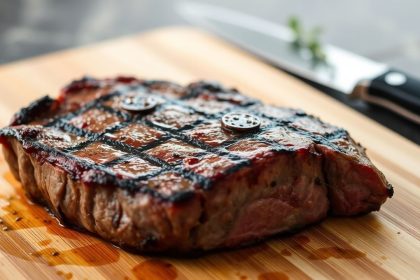
Measure temperatures in the thickest part of the food, avoiding bones and fat. For ground beef aim for 160°F (71°C); poultry 165°F (74°C); whole cuts like steaks often 145°F (63°C) with a rest time. When in doubt, follow conservative targets.
Keep hot foods hot and cold foods cold during holding and service. Use insulated carriers, chafing dishes, or refrigeration. Time matters: the standard danger zone between 40°F and 140°F is where bacteria multiply most rapidly.
Tips for Success
Make measurement visible. Place a small note card that lists cooked temperatures and handling steps when you serve buffet-style meals. Visible facts reduce speculation and foster trust.
Label leftovers with the date and the internal temperature at cooling. That practice helps with safe reuse and communicates care to others in the household. It also creates a habit of verification.
Practice a post-service debrief. Ask guests if they noticed anything that worried them and answer plainly. Open conversations with facts and a demonstration of the checks you performed can convert skeptics into allies.
Use internal references to reinforce habits. See our Kitchen Hygiene Best Practices and Food Storage Tips pages for checklists and printable labels.
Serving Suggestions
Present food on clean, chilled platters when needed and keep hot items on heated surfaces. Small signals like a thermometer card on the table show intentional safety practices and reassure diners.
Announce allergen information and handling steps before serving. When people know how you handled food, they judge the process rather than rely on hearsay. Clear statements reduce fear in skeptical audiences.
Evidence and Why It Works
Control of time and temperature traces back to microbial growth kinetics. Heating kills microbes at rates tied to temperature and exposure time. Cooling reduces reproduction rates and can stop growth when stored properly.
Preventing cross-contamination reduces the chance that a small number of pathogens transfers from a raw surface to a ready-to-eat food. Regular hygiene interrupts transmission chains and reduces overall risk.
Modern traceability tools and sensors contribute to rapid responses during outbreaks, increasing confidence in the system that supports home practices. Understanding these tools helps when discussing larger supply-chain issues.
FAQ
Why do some people remain skeptical about food safety?
Skepticism often comes from mixed messages, personal anecdotes, or distrust of institutions. Translating rules into observable actions helps bridge the gap and gives people evidence they can verify themselves.
What practical behaviors reduce risk most effectively at home?
Use a probe thermometer, separate raw and ready-to-eat foods, wash hands and surfaces, and cool leftovers quickly. These steps target the most common transmission routes and are simple to perform consistently.
How should I explain temperatures to someone who doubts guidelines?
Demonstrate. Cook two samples at different temperatures and show the readings. Explain the numbers and the safety margin, and let them see how the thermometer provides objective proof.
Are organic or natural foods safer by default?
No. All food can carry pathogens if handled improperly. The same hygiene and temperature controls apply regardless of production method. Emphasize consistent practices rather than product labels.
Where can I read authoritative background material?
For concise, technical overviews, reference educational materials and major public-health resources. For background on the organisms and illnesses discussed, see the Wikipedia articles on food safety, Salmonella, and Listeria.
Converting skepticism into confidence requires measurable practices, repeatable demonstrations, and clear communication. When people can test rules themselves, trust follows. Keep instructions simple, use tools to verify, and explain actions plainly.
See also: Food Safety