

Patting meat matters more than most home cooks realize. Skipping that step changes surface heat transfer, browning chemistry, and final texture in measurable ways.
- Patting Meat: Overview
- Prep and Cook Time for Patting Meat
- Ingredients and Cut Selection (Patting Meat)
- Instructions: How to Pat Meat and Sear
- Chef’s Notes on Patting Meat
- Troubleshooting Patting Meat: Common Problems
- Serving Suggestions After Proper Patting
- Experiment Findings on Skipping Patting Meat
- Key Takeaways on Patting Meat
- Related Topics and Further Reading
- FAQ
- Surface water delays Maillard reactions and crust formation.
- Dry surfaces sear faster, producing deeper flavor and firmer texture.
- Wet surfaces increase cook time and promote steaming rather than browning.
- Controlling moisture simplifies repeatable results for home searing.
Patting Meat: Overview
Patting meat is the simple act of removing surface water with towels before high-heat contact. The practice directly affects heat flow, evaporative cooling, and the Maillard reaction on the exterior.
When you skip patting meat, the surface spends energy evaporating water instead of reaching browning temperatures. That changes crust development and can produce a paler, softer exterior.
Prep and Cook Time for Patting Meat
Plan roughly 5–15 seconds per side to pat meat dry, depending on cut size and packaging moisture. For a 1-inch steak, include 10 minutes for patting, seasoning, and a brief rest at room temperature.
Cook time shifts when surface moisture remains. A dry steak sears within 3–4 minutes per side on a hot pan; a wet surface can add several minutes and reduce crust quality.
- Preparation Time: 10 minutes (including patting and seasoning)
- Cooking Time: 8–12 minutes for medium-rare on a 1-inch steak
Ingredients and Cut Selection (Patting Meat)
Choose cuts that tolerate high heat, such as boneless ribeye or sirloin at about 1-inch thickness. Thicker cuts benefit from both patting meat and short air-dry time in the fridge for extra surface drying.
Use neutral, high-smoke-point oil to transfer heat quickly and avoid pooling. Keep seasoning minimal and even so that the variable you test is surface moisture, not salt distribution.
- 1 lb boneless ribeye or sirloin, ~1-inch thick
- 1 tsp kosher salt; 1/2 tsp freshly ground black pepper
- 1 tbsp high-smoke-point oil (grapeseed or avocado)
Instructions: How to Pat Meat and Sear
Repeatable technique makes the experiment useful. Use identical pans, heat, and seasoning timing for both dry and wet samples, changing only surface moisture.
Document visual cues: pan shimmer, crust color, and internal temperature. A good instant-read thermometer verifies doneness while you evaluate crust and texture differences.
- Pat the meat dry thoroughly with clean paper towels until surface water stops beading. For consistent results, press evenly and rotate towels to fresh areas.
- Season both sides with kosher salt and freshly ground black pepper, applying salt 30–60 seconds before searing.
- Heat a heavy skillet or cast iron over high heat until it shimmers and holds heat under a drop of water.
- Add a small amount of high-smoke-point oil and coat the pan, then place the steak. Press gently to ensure full surface contact.
- Sear without moving for 3–4 minutes until a deep golden-brown crust forms, then flip and finish with butter and aromatics if desired.
- Rest the steak for 5 minutes on a cutting board before slicing against the grain to redistribute juices.
Chef’s Notes on Patting Meat
Preheat the pan and wait for a faint smoke point in the oil to overcome the latent heat of evaporation quickly. That minimizes the time the surface spends near 100 °C while water evaporates.
Use consistent towel pressure and a fresh towel per side to avoid reintroducing moisture. For larger programs, weigh steaks before and after patting to quantify surface-water removal.
Science of Browning
The Maillard reaction produces the complex flavors associated with seared meat. Browning occurs when amino acids and reducing sugars react at temperatures typically above 140 °C.
Surface water prevents reaching those temperatures until evaporation completes. For deeper reading on the chemistry, see the Maillard reaction overview.
Why Moisture Blocks Browning
Evaporation absorbs heat energy, keeping the meat surface close to the boiling point until water is gone. That thermal buffer prevents the chemical pathways needed for a brown crust.
Removing surface water reduces the evaporation phase and allows the metal surface to transfer heat directly into proteins, promoting rapid temperature rise and Maillard chemistry.
Troubleshooting Patting Meat: Common Problems
If your steak steams instead of browning, check surface moisture and pan temperature first. Even small droplets will force the pan to do work on evaporation rather than browning.
Avoid overcrowding the pan; spacing pieces allows consistent high-temperature contact. If the pan cools, remove one piece and complete the sear in batches to maintain heat.
Serving Suggestions After Proper Patting
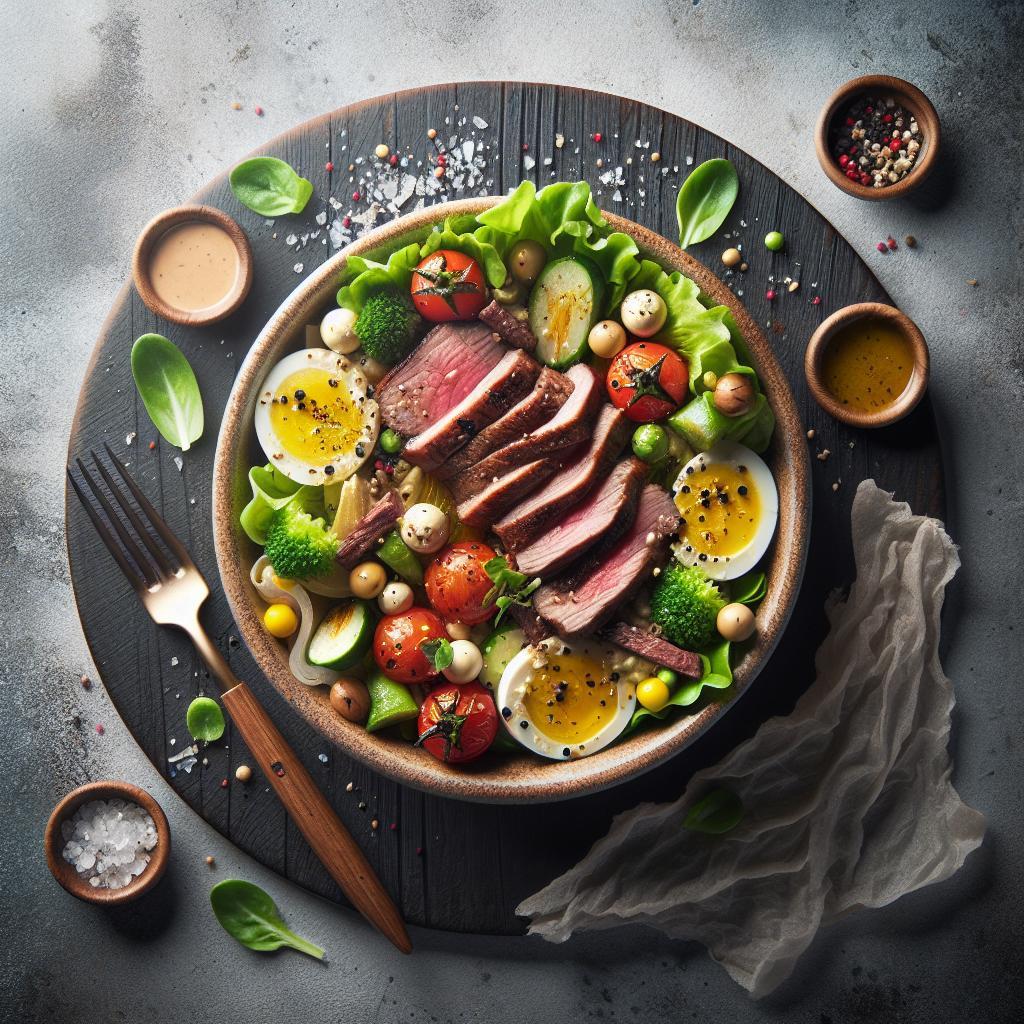
Slice rested steak thin against the grain to maximize tenderness and mouthfeel. A light sprinkle of flaky salt after resting highlights the seared crust without masking it.
Balance richness with a bright condiment or vegetable. Simple sides—roasted vegetables or a fresh herb sauce—accentuate the sear and keep the plate balanced.
Experiment Findings on Skipping Patting Meat
In repeat tests, the wet sample showed delayed color development and a paler, softer exterior consistent with steaming. Observers reported reduced roasted flavor intensity.
The dry sample developed a consistent, deep golden-brown crust, with more pronounced roasted notes and firmer exterior texture. Drying consistently reduced sear time and increased flavor complexity.
Key Takeaways on Patting Meat
Patting meat before searing is a small control with large effects. Removing surface water shifts energy from evaporation to surface heating and unfolding chemical reactions that create flavor.
To improve crust and reduce cook time, remove surface moisture, preheat the pan, and avoid overcrowding. These steps produce repeatable, professional-quality sears at home.
Related Topics and Further Reading
For context on cuts and handling, consult the general overview on steak. That page describes common cuts and how thickness influences cooking.
To understand how surface contact produces browning, review the searing entry. For meat science background, see the meat article.
For a practical internal reference, consult our internal guides on patting meat techniques and searing basics for step-by-step photos and troubleshooting checklists.
FAQ
Do I always need to pat meat dry?
No. For braises, stews, and wet-cooking methods, surface moisture assists liquid integration and is desirable. For high-heat searing, however, patting meat improves crust formation and flavor.
Use the technique appropriate to the cooking method: dry for searing, wet for long-braise or steaming preparations.
How long should I pat meat dry?
Spend 5–15 seconds per side with clean paper towels until water no longer beads. For thicker cuts, add an hour or more of uncovered refrigeration for additional surface drying if time permits.
Consistency matters: the same patting approach across samples yields clearer experimental outcomes and reproducible results.
Will patting dry change internal juiciness?
Patting meat removes only surface water, not the internal juices. A better sear can help preserve internal moisture by ensuring faster crust formation and more even heat penetration.
Overcooking, not patting, causes most dry interiors. Use a thermometer to avoid exceeding target temperatures.
Can I skip oil if my pan is nonstick?
Even with nonstick pans, add a small amount of high-smoke-point oil to promote even heat transfer and encourage a uniform crust. Excessive oil, however, pools and can cause splatter.
Choose oils like grapeseed or refined avocado for higher smoke tolerance and neutral flavor.
What if I have only thin cuts?
Thin cuts react faster to heat, so a dry surface becomes even more important. Thin pieces need immediate browning on contact; residual surface water will turn them into steamed, pale pieces quickly.
For thin cuts, pat meat vigorously and sear briefly at high heat to lock in flavor without overcooking the interior.
See also: patting meat