
By using this site, you agree to the Privacy Policy and Terms of Use.
Accept
CookOrBitCookOrBitCookOrBit
  • Home
  • About Us
  • Ingredient Science
    • Flavor & Aroma
    • Protein Chemistry
    • Sugar & Starch
    • Fats & Emulsions
  • Cooking Techniques
    • Searing & Grilling
    • Baking & Roasting
    • Boiling & Steaming
    • Low & Slow
  • Kitchen Experiments
    • DIY Ferments
    • Flavor Tests
    • Gadget Testing
    • Molecular Gastronomy
  • Food Myths
    • Searing Myth
    • 5-Second Rule
    • MSG Myths
    • Microwave Myths
  • Tools
  • More
    • Extra Picks
    • Quick & Easy
      • Breakfast Ideas
      • Desserts
      • Snacks
      • Soups
    • Global Flavors
      • Asian Street Eats
      • Latin Comforts
      • Mexican Flavors
      • Modern Mediterranean
CookOrBitCookOrBit
  • Home
  • About Us
  • Ingredient Science
  • Cooking Techniques
  • Kitchen Experiments
  • Food Myths
  • Tools
  • More
Search
  • Home
  • About Us
  • Ingredient Science
    • Flavor & Aroma
    • Protein Chemistry
    • Sugar & Starch
    • Fats & Emulsions
  • Cooking Techniques
    • Searing & Grilling
    • Baking & Roasting
    • Boiling & Steaming
    • Low & Slow
  • Kitchen Experiments
    • DIY Ferments
    • Flavor Tests
    • Gadget Testing
    • Molecular Gastronomy
  • Food Myths
    • Searing Myth
    • 5-Second Rule
    • MSG Myths
    • Microwave Myths
  • Tools
  • More
    • Extra Picks
    • Quick & Easy
    • Global Flavors
Follow US
  • Advertising Policy: 10 Practical Rules for Safe, Compliant Ads
  • Contact Us
  • Cookie Policy: Clear Guide for Site Owners
  • Copyright Notice Guide: 7 Essential Rules for Website Owners
  • Disclaimer
  • Privacy Policy
  • Terms of Service
By Fimaw.com
Fluffy Southern Cathead Biscuits: Timeless Recipe Unveiled
CookOrBit > Blog > Extra Picks > 7 Battle-Tested Secrets for Fluffy Southern Cathead Biscuits
Extra Picks

7 Battle-Tested Secrets for Fluffy Southern Cathead Biscuits

William J. Kroll
By William J. Kroll
Published: December 27, 2025
Share
SHARE

Fluffy Southern cathead biscuits belong on every serious home baker’s roster. These large, tender biscuits reward cold fat, minimal handling, and high oven heat for a soft interior and a golden top.

Contents
  • Prep and Cook Time
  • Yield & Difficulty Level
  • Ingredients
  • Instructions
  • Tips for Success
  • Serving Suggestions
  • Nutritional Snapshot
  • Technique Notes & Ingredient Science
  • FAQ
    • What are cathead biscuits and why the name?
    • How do cathead biscuits differ from standard biscuits?
    • Can I substitute milk or a non-dairy option for buttermilk?
    • How should I store and reheat leftovers?
    • Why do some biscuits turn out dense instead of flaky?
  • Cold fat + minimal handling create steam pockets for lift and layers.
  • High heat (425°F / 220°C) gives rapid oven spring and brown tops.
  • Buttermilk + correct leavening balance flavor and tender crumb.
  • Weight measurements improve repeatability for large biscuits.

Prep and Cook Time

Preparation: 15 minutes. Cooking: 12–15 minutes. These biscuits bake quickly, so have tools and ingredients staged before you start.

Preheat the oven to 425°F (220°C) and place the rack in the center. A fully preheated oven gives consistent rise; use an oven thermometer if your range varies.

- Advertisement -

Yield & Difficulty Level

This recipe makes about 8 large cathead biscuits, each roughly 2¾–3 inches across when scooped generously. Scale the batch as needed for crowds, keeping proportion rules intact.

Difficulty: Medium. Techniques are straightforward—cold butter, gentle folding, and high-heat baking—but execution affects texture. One practice batch teaches the dough feel and timing quickly.

Ingredients

Choose simple, high-quality ingredients. Each plays a functional role: flour supplies structure, fat produces layers, and acid plus leaveners create tenderness and lift.

- Advertisement -

For background on the product category and ingredient science, review general entries such as biscuit (bread), buttermilk, and baking powder.

  • 3 cups all-purpose flour, sifted for lighter texture (about 360–390 g).
  • 1 tablespoon baking powder for primary lift.
  • ½ teaspoon baking soda to react with buttermilk acid.
  • 1 teaspoon fine sea salt for balanced flavor.
  • 12 tablespoons (1½ sticks) cold unsalted butter, cubed.
  • 1 cup buttermilk, chilled; acid improves tenderness.
  • 1 tablespoon honey, optional for color and subtle sweetness.

Instructions

Work fast and keep ingredients cold to protect butter pockets that steam in the oven. Gentle folding preserves those pockets for flaky lift.

Use a pastry cutter, two knives, or fingertips to cut butter into flour. Aim for a coarse crumb with pea-size butter pieces rather than a uniform paste.

- Advertisement -
  1. Preheat: Heat oven to 425°F (220°C). Line a baking sheet with parchment.
  2. Mix dry: Whisk flour, baking powder, baking soda, and salt until uniform.
  3. Cut in butter: Add cold butter cubes and cut until mixture shows coarse crumbs with pea-sized bits.
  4. Wet mix: Whisk buttermilk and honey in a small bowl until blended.
  5. Combine: Make a well in the dry mix and pour in the buttermilk. Fold just until dough begins to hold together; do not overmix.
  6. Fold for layers: Turn dough onto a lightly floured surface, fold 3–4 times to form layers, then pat to 1½” thick.
  7. Portion: Scoop generous mounds (~¾ cup) or cut rounds from the pat. Place on sheet with about 1″ spacing.
  8. Finish and bake: Brush tops with melted butter or buttermilk; bake 12–15 minutes until puffed and golden.
  9. Rest: Remove and brush again with butter so it melts into the hot layers before serving.

For a crisper bottom, bake on a preheated baking steel or inside a hot cast-iron skillet. Direct radiant heat promotes a desirable base crust without changing the interior crumb.

Tips for Success

Temperature control matters more than fancy technique. Keep butter and buttermilk cold; warm fat reduces steam and flakiness.

Measure flour by weight for repeatable results; three-cup volume measures vary by how you spoon and level. Aim for roughly 360–390 g for the listed cup measure.

  • Cold fat: Keep butter cubed and chilled; if it softens, return it to the freezer for 5–10 minutes.
  • Scooping: Use an ice-cream scoop or large spoon for consistent cathead mounds.
  • Fold, don’t knead: Overworking the dough develops gluten and yields a tough biscuit.
  • Make-ahead: Shape and freeze on a tray, then transfer to a bag; bake from frozen, adding 3–5 minutes to time.
💡 Expert Insight
Expert Insight: Alternate folding directions—fold one way, rotate 90°, then fold again—to create more defined butter pockets without full lamination.

Rotate the pan halfway through baking only if your oven has hot spots. Consistent heat yields even rise and color without breaking the delicate rise.

⚠️ Pro-Caution
Pro-Caution: Hot ovens and escaping steam can burn. Use oven mitts, open the oven away from your face, and handle split biscuits carefully when hot.

Serving Suggestions

Serve cathead biscuits hot and buttered for classic appeal. They pair well with savory sauces, sausage gravy, or sharp cheese on a split biscuit.

Try split biscuits with herb butter, preserves, or chilled pimento cheese for texture contrast. For seasonal variations, add grated sharp cheese and chopped chives into the folded dough sparingly.

Nutritional Snapshot

Nutrition varies by portion and ingredient brands. These figures estimate a large biscuit made to the recipe above.

Per biscuit (approximate): 230 kcal, 4 g protein, 25 g carbohydrates, 12 g fat. Adjust ingredient choices to match dietary goals or substitute lower-fat options if desired.

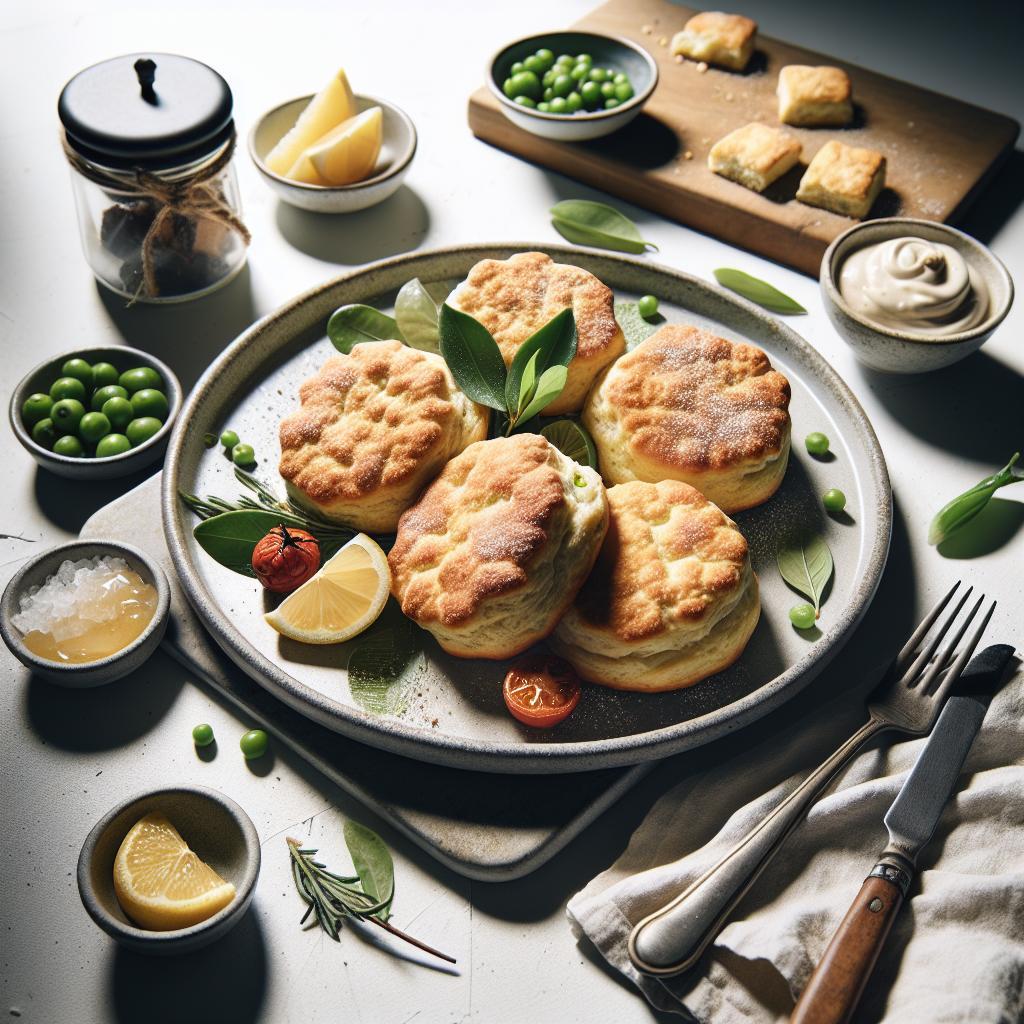
Fluffy Southern Cathead Biscuits piled high on a rustic plate

Technique Notes & Ingredient Science

Cold fat creates pockets that steam and separate layers during baking. The same principle underpins laminated pastries, but catheads rely on minimal steps and mechanical folding instead of multiple turns.

Acid in buttermilk reacts with baking soda to produce additional lift and flavor. For technical reference on butter properties, consult the butter entry.

FAQ

What are cathead biscuits and why the name?

Cathead biscuits are large, rustic Southern biscuits roughly the size of a cat’s head. The name describes their generous, freeform shape produced by scooping or hand-shaping rather than precise cutter use.

How do cathead biscuits differ from standard biscuits?

They differ mainly by scale and interior texture. Cathead biscuits use larger portions, cold fat, and high heat to yield a taller rise and a pillowy interior compared with smaller drop or cut biscuits.

Can I substitute milk or a non-dairy option for buttermilk?

Yes. Make a quick buttermilk substitute by adding 1 tablespoon vinegar or lemon juice to 1 cup milk and letting it sit for 5–10 minutes. For a vegan version, use unsweetened plant milk plus an acid and a vegan butter alternative.

How should I store and reheat leftovers?

Store baked biscuits in an airtight container at room temperature for 1–2 days. Reheat in a 300°F oven for 6–8 minutes to refresh texture; you can also freeze baked or unbaked biscuits for longer storage.

Why do some biscuits turn out dense instead of flaky?

Density usually comes from overworking the dough, warm fat, or stale leavening. Keep butter cold, fold gently, and verify baking powder freshness for the best rise and flaky crumb.

For additional reading on leavening and dairy, see the referenced encyclopedia entries linked above for objective background. Apply the methods here and adjust small variables—thickness, scoop size, oven behavior—until the biscuits match your preferred profile.

Practice one batch to learn the dough’s look and feel; after that, you can adapt sizes and mix-ins while keeping the classic Southern texture and flavor. Happy baking.

See also: Cathead biscuits

7 Zesty Turkey Salad Tips with Lime Dressing
7 Layers of Flavor: The Ultimate Roasted Vegetable Lasagna Guide
7 Practical Ways Recipes Free You: Myth Busted — Guides Not Rules
7 Pro Techniques for White Chili
7 Reasons to Try Roasted Sweet Potato & Quinoa Delight Today
TAGGED:andbaking techniquesbiscuit recipebiscuitsbuttermilk biscuitscatheadcathead biscuitscold butter methodfluffyhigh heat bakinghomemade biscuitssouthernSouthern biscuitsthe
Share This Article
Facebook Pinterest Whatsapp Whatsapp LinkedIn Telegram Threads
What do you think?
Love0
Sad0
Happy0
Sleepy0
Angry0
Dead0
Wink0
Previous Article Deliciously Healthy Cookies: No Sugar, No Flour Needed! 7 Irresistible Healthy Cookies: No Sugar, No Flour Recipes That Delight
Next Article Golden Glow: Roasted Butternut Squash Pasta Delight Golden Glow: 7-Step Butternut Pasta Masterclass
Creamy Garlic Chicken with melted Parmesan and fresh herbs on a rustic white plate
Garlic Chicken: 7 Ultimate Brilliant Recipes to Make the Best-Ever Creamy Garlic Chicken with Parmesan & Fresh Herbs
Extra Picks
Colorful bowls of Leftover Couscous transformed into salads, fritters, and stuffed peppers.
12 Amazing Practical Leftover Couscous Ideas: Brilliant Ways to Reuse and Remix
Uncategorized
Colorful jars of spice blends beside steaming couscous with herbs and lemon
7 Ultimate spice blends That Transform Your Couscous — Amazing Best Flavor Boosts
Uncategorized
Bowls of gluten-free couscous alternatives: quinoa, millet, cauliflower, and rice
10 Amazing couscous alternatives: Best Gluten-Free Swaps for Incredible Flavor
Uncategorized

Tags

and art baked baking science baking techniques Baking tips batch cooking beef behind butternut squash caramelization cast iron skillet chemistry chicken comfort food Cooking science cooking technique Cooking techniques Cooking tips crafting creamy creamy soup crispy culinary science fish flavor flavor chemistry food food safety Food science for garlic golden Ground turkey hearty heat high-heat cooking high protein meals how instant read thermometer lactic acid bacteria Lean protein magic Maillard reaction make ahead meals make ahead soup mastering meal prep Meal prep recipes meat thermometer microwave microwave cooking moisture control one pot meals Pan searing perfect perfectly Plant based protein Probe thermometer protein denaturation Quick dinners roasted roasted squash roasted tomato soup Roasted vegetables Roasting techniques savor savory science Searing technique Searing techniques secrets slow cooking squash steak steak cooking sweet temperature control the top turkey turkey soup turkey stew ultimate umami cooking umami flavor unlock unlocking unveiling vegetable velvety weeknight dinner Weeknight dinners weeknight meals what when why with your zesty
March 2026
M T W T F S S
 1
2345678
9101112131415
16171819202122
23242526272829
3031  
« Feb    

You Might Also Like

- Flavor Test: Garlic's Journey from Raw to Roasted Bliss
Flavor Tests

7 Expert Techniques to Roast Garlic for Deep, Sweet Flavor

William J. Kroll
William J. Kroll
September 29, 2025
- The Science Behind Crafting Perfect Microwave Oatmeal
Microwave Myths

7 Proven Steps to Perfect Microwave Oatmeal: Science-Backed Guide

William J. Kroll
William J. Kroll
November 16, 2025
Savor the Flavor: Ultimate Beef Enchilada Bake Recipe
Extra Picks

7-Step Ultimate Beef Enchilada Bake: Bold, Melty, Crowd-Ready

William J. Kroll
William J. Kroll
December 29, 2025
Mastering the Science Behind the Perfect Blackened Fish
Searing Myth

Master Blackened Fish: 7 Pro Techniques for Flawless Crust

William J. Kroll
William J. Kroll
January 17, 2026
Fiery Flavors: Mastering the Art of Spicy Lentil Soup
Extra Picks

Fiery Flavors: 7 Expert Techniques to Master Spicy Lentil Soup

William J. Kroll
William J. Kroll
December 21, 2025
- Taste on Fire or Ice: How Temperature Shapes Flavor Percepti
Flavor & Aroma

7 Proven Ways Temperature Shapes Flavor: Taste on Fire or Ice

William J. Kroll
William J. Kroll
November 1, 2025
Follow US
By Fimaw.com © All Rights Reserved.
  • Advertising Policy: 10 Practical Rules for Safe, Compliant Ads
  • Contact Us
  • Cookie Policy: Clear Guide for Site Owners
  • Copyright Notice Guide: 7 Essential Rules for Website Owners
  • Disclaimer
  • Privacy Policy
  • Terms of Service
Welcome Back!

Sign in to your account

Username or Email Address
Password

Lost your password?