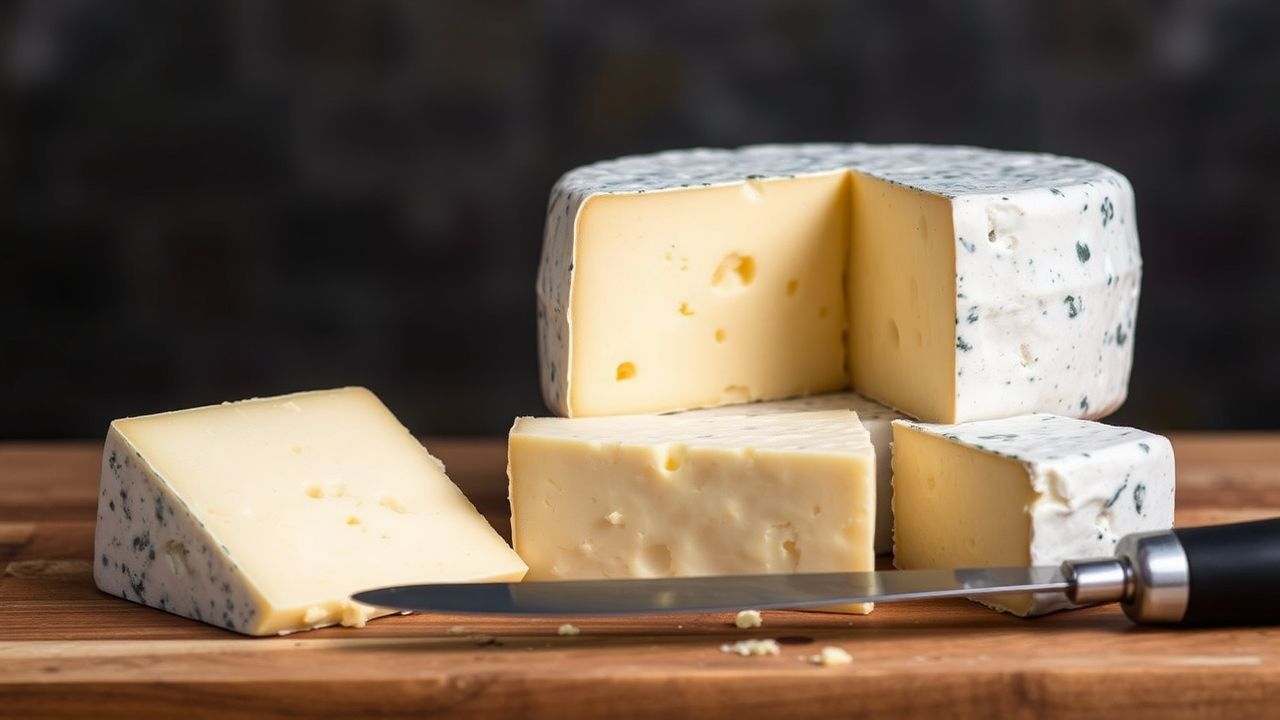

Cheese aging sculpts texture and flavor through controlled protein breakdown. Enzymes, microbes, and cellar conditions interact to convert casein networks into the peptides and volatiles that define a cheese variety.
- How the protein matrix shapes cheese aging
- Proteolysis: the chemical engine of cheese aging
- Microbial drivers and their enzymatic signatures in cheese aging
- Controlling maturation: practical parameters for cheese aging
- From peptides to aroma: key flavor compounds formed during cheese aging
- Analytical tools that inform cheese aging decisions
- Applying research: the way forward for artisans and scientists in cheese aging
- FAQ
- Proteolysis produces peptides and amino acids that drive taste and aroma.
- Casein micelle architecture governs enzyme accessibility and texture change.
- Microbial choices establish distinct enzymatic fingerprints and volatile profiles.
- Environmental control (temperature, humidity, salt) steers aging outcomes.
How the protein matrix shapes cheese aging
Milk proteins form the structural scaffold that aging remodels. The bulk of that scaffold derives from casein fractions that assemble into a continuous matrix around fat and whey.
As enzymes cut peptide bonds, the matrix loosens and releases water and fat, changing mouthfeel and mechanical properties. Those changes form the baseline for subsequent aroma chemistry and visual rind development.
Casein chemistry and micelle structure
Caseins cluster into micelles whose surface chemistry influences rennet action and starter enzyme access. Slight changes in heat, pH, or calcium balance alter micelle size and therefore how proteases encounter peptide bonds.
This structural detail explains why two cheeses made from similar milk may diverge during maturation. For technical context, consult the casein entry for micelle and fractionation concepts.
Proteolysis: the chemical engine of cheese aging
Proteolysis describes enzymatic cleavage of casein into peptides and free amino acids. These products act directly on taste and as precursors for volatile compounds that form aroma.
Proteolysis unfolds in stages: primary cuts by rennet or starter-derived enzymes, followed by microbial and indigenous peptidases that produce shorter peptides. Monitoring stage-specific markers clarifies how flavor trajectories unfold.
Microbial drivers and their enzymatic signatures in cheese aging
Microbial species and strains encode distinct proteases and peptidases that target different sites in casein. That specificity leads to signature peptide pools and downstream volatile chemistry for each cheese type.
For example, lactic starters shape internal proteolysis in many pressed and semi-hard cheeses, while surface molds produce exoenzymes that transform the rind and adjacent paste. See the role of starter cultures in the lactic acid bacteria page.
Molds versus bacteria: different zones of action
Molds typically act from the outside in, secreting proteases that diffuse into the paste. This action creates a gradient of breakdown from rind inward, which is crucial for surface-ripened styles.
Bacteria, especially starter and adjunct strains, operate internally and early. Their activity sets the early peptide landscape that molds or secondary flora later modify.
Controlling maturation: practical parameters for cheese aging
Cheesemakers steer proteolysis and flavor by adjusting cultures, temperature, humidity, and salt. Each parameter changes enzymatic kinetics or microbial ecology in measurable ways.
Documented trials that vary one parameter at a time reveal cause-and-effect relationships. Track pH, rind texture, and sensory scores to pair biochemical data with perceived outcomes.
| Condition | Typical effect | Usual range |
|---|---|---|
| Temperature | Alters enzyme rate; warmer speeds proteolysis | 6–13 °C typical for aging cellars |
| Humidity | Controls rind formation and moisture loss | 85–98% for soft to blue styles |
| Salt | Limits microbes and modulates protease activity | 1.5–3% on dry matter common |
Small, controlled warm-room periods can accelerate development, but they risk uneven breakdown if not monitored. Use internal sampling to match peptide profiles to sensory targets before scaling process changes.
Rind management—washing, brushing, or leaving a natural rind—selects for different surface communities and therefore different proteolytic patterns near the exterior. These practices change both texture and aroma transfer into the paste.
From peptides to aroma: key flavor compounds formed during cheese aging
Proteolysis yields peptides and amino acids that undergo subsequent reactions—deamination, decarboxylation, and Strecker-type transformations. These steps generate volatile sulfur compounds, aldehydes, and short-chain fatty acids.
Short-chain fatty acids such as butyric and caproic acids provide sharpness. Sulfur compounds derived from methionine and cysteine provide savory-roasted notes that strongly influence perceived intensity.
- Peptides: can contribute bitterness or umami depending on sequence and concentration.
- Amino acids: act as precursors to alcohols, aldehydes, and sulfur volatiles.
- Small volatiles: create top-note aroma and respond to oxygen and temperature during aging.
Analytical tools that inform cheese aging decisions
Routine sensory panels remain essential, but biochemical assays accelerate learning. Peptide profiling, free amino acid quantification, and volatile analysis offer direct measures of biochemical progress.
Combine routine assays with targeted sampling to correlate specific peptide peaks with sensory descriptors. Reference materials on enzymology and proteolysis help interpret assay patterns; see proteolysis for foundational processes.
Applying research: the way forward for artisans and scientists in cheese aging
When producers integrate systematic sampling and defined culture sets, they convert artisanal intuition into repeatable outcomes. Pilot trials that link peptides to sensory endpoints shorten development cycles.
Collaborations with analytical labs allow artisans to validate new cultures or aging profiles without compromising brand identity. Measure peptides and volatiles in parallel with sensory scoring to establish robust process controls.
FAQ
What is the single most important factor in protein-driven flavor?
The pattern and rate of proteolysis dominate flavor and texture development. Where enzymes cut casein and how rapidly they do so establishes the peptide pool that drives downstream aroma chemistry.
Which proteins should I study first as a cheesemaker?
Focus on casein fractions and their peptide breakdown products. Casein behavior explains most textural differences across soft, semi-hard, and hard cheeses.
How do molds differ from bacteria in their proteolytic role?
Molds act largely at the surface and provide exoenzymatic activity that penetrates the paste. Bacteria, especially starters, act internally and influence early-stage proteolysis and acidification.
Can I speed up aging without sacrificing flavor quality?
You can accelerate certain reactions with controlled warm-room periods, but risks include uneven breakdown and off-notes. Use incremental changes and validate with peptide assays and sensory checks.
Where can I learn the biochemical basics in more depth?
Review authoritative references on casein and proteolytic mechanisms. For microbial context, consult the Penicillium roqueforti page for blue-mold function and the cheese overview for production stages.
See also: cheese aging