
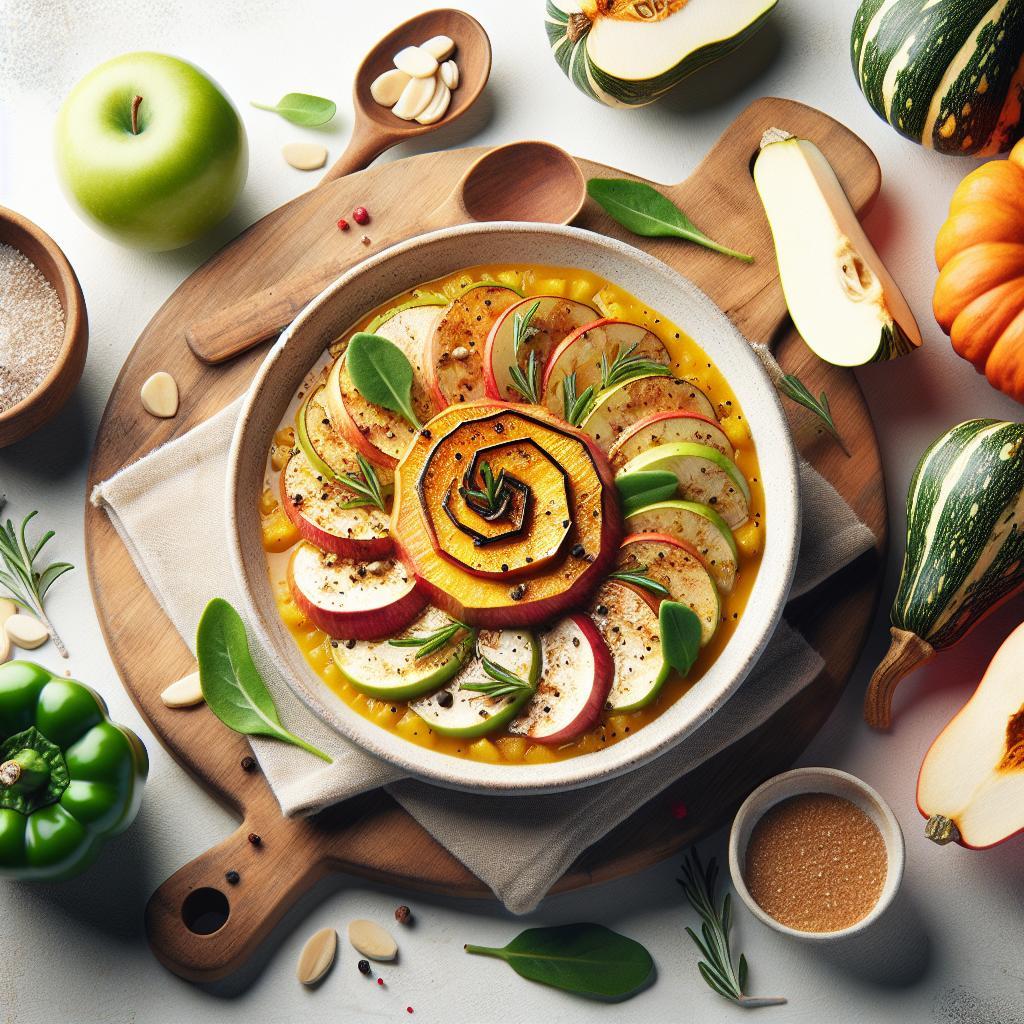

As autumn cools the air, a steaming bowl of squash soup made from roasted squash and apples delivers instant comfort and layered flavor. This roasted squash and apple soup pairs caramelized winter squash with bright apples and warming spices to create a velvety, balanced bowl you can serve for weeknight dinners or small gatherings.
- Warm Up with Savory Roasted Squash and Apple Squash Soup Delight
- Prep and Cook Time for Roasted Squash Soup
- Yield and Portioning Guidance
- Difficulty Level: Easy to Medium Technique
- Selecting Ideal Varieties for Maximum Taste and Texture in Squash Soup
- Ingredients
- Step by Step Guide to Roasting and Blending for a Creamy Squash Soup
- Tips for Enhancing Your Squash Soup with Herbs, Spices, and Garnishes
- Chef’s Notes and Make-Ahead Strategies for Squash Soup
- Serving Suggestions for Roasted Squash and Apple Squash Soup
- Nutritional Snapshot
- Q&A
- Q1: What makes this roasted squash and apple squash soup ideal for chilly days?
- Q2: Why roast the squash and apples instead of boiling?
- Q3: How can I adapt this recipe for vegan diets?
- Q4: What spices best elevate the soup without overpowering it?
- Q5: Can I freeze the soup and how should I reheat it?
- FAQ
- Roast first: Roasting develops natural sugars and deepens flavor for richer squash soup.
- Balance sweet and tart: Use tart apples to cut through the squash’s richness and keep the bowl lively.
- Finish with fat: A splash of coconut milk or cream provides silkiness and a smooth mouthfeel.
- Make-ahead friendly: This squash soup freezes and reheats well for meal prep and leftovers.
Warm Up with Savory Roasted Squash and Apple Squash Soup Delight
This recipe transforms seasonal produce into a refined, nourishing dish that scales easily. The technique emphasizes roast caramelization, gentle simmering, and careful seasoning to preserve clarity of flavor in the squash soup.
Chefs prefer roasting because it concentrates flavors and improves mouthfeel. For deeper context on the produce, consult entries for butternut squash and apple varieties to match sweetness and texture to your taste.
Prep and Cook Time for Roasted Squash Soup
Preparation Time: 15 minutes. Prep all vegetables and aromatics before heating any pan to streamline assembly. Good mise en place shortens active cook time and reduces errors.
Cook Time: 45 minutes. Roast the squash and apples and then simmer with stock before blending until smooth. Allow a brief resting time so flavors integrate evenly in the squash soup.
- Total Time: 1 hour
Yield and Portioning Guidance
Serves 6 generous bowls. The roast-and-blend method yields ample portions suitable for family meals or small dinner parties. Adjust proportions proportionally to scale the recipe while keeping roast time consistent.
Portion responsibly: each serving provides satisfying satiety while remaining light enough for a multi-course menu. Label and date any frozen portions for best quality when reheating your squash soup.
Difficulty Level: Easy to Medium Technique
Technique is straightforward, but attention to roasting and seasoning yields professional results. Beginners will follow the steps successfully; intermediate cooks can experiment with spice blends and garnishes to refine their own signature squash soup.
Key skills are even roasting and controlled simmering. Maintain moderate seasoning and taste as you go to prevent over-salting or excessive sweetness in the final bowl.
Selecting Ideal Varieties for Maximum Taste and Texture in Squash Soup
Choose squash with dense, sweet flesh. Butternut squash and kabocha roast to a silky texture and develop nutty notes. These varieties puree smoothly and reduce the need for additional thickeners.
For apples, favor tart or sweet-tart types that offset the squash’s sweetness. Use Granny Smith or Honeycrisp to retain clarity of flavor and a pleasant roasted texture in your squash soup.
Ingredients
Gather fresh ingredients for optimal flavor: quality produce, low-sodium broth, and a high-quality oil or butter make a measurable difference in the finished squash soup. Toasted seeds add useful texture contrast.
Key ingredients: roasted winter squash, tart apples, onion, garlic, warm spices, and either coconut milk or cream as an optional finish. Keep toasted pumpkin seeds for garnish to add crunch and visual contrast.
- 2 lbs butternut squash, peeled, seeded, and cubed
- 2 medium tart apples (Granny Smith or Honeycrisp), cored and quartered
- 1 large yellow onion, roughly chopped
- 3 cloves garlic, minced
- 4 cups vegetable broth, low sodium
- 2 tbsp olive oil, divided
- 1 tsp ground cinnamon
- 1/2 tsp smoked paprika
- Fresh thyme sprigs, about 4 for roasting + 1 tbsp chopped for garnish
- Salt and freshly ground black pepper, to taste
- 1/2 cup coconut milk or heavy cream (optional)
- Toasted pumpkin seeds for garnish
Step by Step Guide to Roasting and Blending for a Creamy Squash Soup
Start with a hot oven and single-layer roasting to maximize caramelization. Preheat to 425°F (220°C) and coat pieces lightly with oil for even browning and flavor concentration.
After roasting, combine with sautéed aromatics and simmer briefly to marry flavors. Puree until silky and adjust texture with stock or cream. Taste and adjust seasoning to finalize your squash soup.
Roasting Technique
Toss cubed squash and quartered apples with oil, salt, pepper, cinnamon, smoked paprika, and thyme. Spread in a single layer on a sheet pan to ensure even caramelization and browning.
Roast 30–35 minutes, turning once, until edges show deep caramelized browning. This step increases perceived sweetness and develops complex, nutty notes that define the squash soup’s backbone.
Blending and Finishing
Sauté onion and garlic briefly to soften and release aromatics, then add roasted squash and apples. Pour in low-sodium vegetable broth and simmer for five minutes to allow flavors to meld.
Puree with an immersion blender or in batches in a countertop blender until silky. Stir in coconut milk or cream for richness and warm gently; avoid boiling after adding dairy to prevent separation in the squash soup.
Tips for Enhancing Your Squash Soup with Herbs, Spices, and Garnishes
Small additions make a big difference. A pinch of ground nutmeg or a light dusting of cayenne introduces depth without overpowering the produce-driven base of the squash soup.
Fresh herbs brighten the plated bowl: chopped sage or rosemary adds an aromatic counterpoint. Finish with toasted seeds for crunch and a drizzle of good oil for sheen and flavor contrast.
Garnishes should complement texture and temperature. A spoonful of crème fraîche, a swirl of coconut cream, or toasted pumpkin seeds supply richness and contrast and elevate the final presentation of the squash soup.
Chef’s Notes and Make-Ahead Strategies for Squash Soup
Make-ahead strategies increase convenience: refrigerate for up to three days or freeze in portioned containers for up to three months. Reheat slowly to preserve texture and maintain flavor integrity in the squash soup.
Substitutions work well: swap butternut for acorn or delicata and use apple cider or a splash of sherry for a different sweetness profile. For added protein, blend in cooked lentils or top servings with crispy pancetta if not vegetarian.
Texture control is simple: reserve some roasted squash before pureeing if you prefer a chunkier finish. For a vegan version, use coconut milk and vegetable broth instead of dairy to keep the dish plant-forward and creamy.
Serving Suggestions for Roasted Squash and Apple Squash Soup
Serve the soup hot with crusty artisan bread or a seeded whole-grain loaf for dipping. A crisp lemon-dressed green salad balances the bowl and completes the plate for a composed meal.
For presentation, garnish with fresh thyme, a drizzle of oil, and toasted seeds. Small touches like a sprinkle of flaky salt increase perceived value and guest satisfaction when serving squash soup.
Nutritional Snapshot
This soup is moderate in calories and delivers fiber and vitamin A from the squash and apples. Use low-sodium broth and measure added fats to control the per-serving nutrient profile.
Typical nutrition per serving (approximate): 160 kcal, 3 g protein, 32 g carbohydrates, 4.5 g fat. Adjust portions and ingredients to meet specific dietary needs when enjoying this squash soup.
| Nutrient | Per Serving |
|---|---|
| Calories | 160 kcal |
| Protein | 3 g |
| Carbohydrates | 32 g |
| Fat | 4.5 g |

Q&A
The following answers address common technique and substitution questions based on practical experience and culinary science. Each response clarifies a single point to help you execute the recipe cleanly and consistently.
Q1: What makes this roasted squash and apple squash soup ideal for chilly days?
The soup concentrates sweetness from roasted squash and adds bright acidity from apples, creating a bowl that feels comforting yet lively. Warming spices such as cinnamon and smoked paprika add depth and gentle heat without overwhelming the produce.
Roasting amplifies natural sugars and produces complex savory notes. Those combined factors make this squash soup a satisfying choice when temperatures drop.
Q2: Why roast the squash and apples instead of boiling?
Roasting induces Maillard browning and caramelization, increasing flavor complexity and perceived sweetness. Boiling dilutes flavor and can produce a flatter, waterier finish that lacks depth.
For a richer mouthfeel and concentrated taste, roast first; then simmer briefly to meld flavors before pureeing into the final squash soup.
Q3: How can I adapt this recipe for vegan diets?
Replace dairy with coconut milk or a neutral plant cream and confirm the broth is vegetable-based. These swaps maintain creaminess and body while keeping the dish entirely plant-forward.
Add protein with cooked lentils or chickpeas if desired. For garnish, use toasted seeds and fresh herbs rather than animal-based toppings to keep the squash soup vegan.
Q4: What spices best elevate the soup without overpowering it?
Use mild warm spices: cinnamon, a pinch of nutmeg, and smoked paprika create a layered profile. Add cayenne only if you want a discreet heat note; balance carefully to preserve the produce flavors.
Start with small amounts and taste after blending. You can always add more spice, but you cannot remove excess once mixed into the squash soup.
Q5: Can I freeze the soup and how should I reheat it?
Yes. Cool completely, portion into airtight containers, and freeze up to three months. Thaw in the refrigerator overnight for best texture before reheating.
Reheat slowly on low heat, stirring to reincorporate any separated fats, and adjust seasoning before serving to refresh the flavor of the squash soup.
FAQ
Is there a gluten-free concern with this recipe?
The core recipe is naturally gluten-free when using gluten-free broth and toppings. Check labels on packaged items such as croutons or spice blends to ensure they meet gluten-free standards for your diners.
How do I prevent the soup from tasting too sweet?
Choose a tart apple and use low-sodium broth to keep sweetness in check. Add an acid finish, such as a teaspoon of apple cider vinegar or a squeeze of lemon, to restore balance when needed.
What equipment yields the smoothest texture?
An immersion blender delivers good results directly in the pot and minimizes transfers. A high-speed countertop blender gives the silkiest texture; blend in batches and vent to release steam safely.
Can I add protein to make it a complete meal?
Yes. Stir in cooked lentils or chickpeas for plant protein, or top with shredded rotisserie chicken for non-vegetarian options. Toasted seeds and nuts also increase protein and texture without altering the core flavor.
Which squash yields the most luxurious mouthfeel?
Butternut and kabocha are top choices for creaminess and natural sweetness. Their flesh purees to a smooth texture with little need for thickening agents, producing a refined squash soup.
As temperatures fall, this roasted squash and apple dish offers a reliable way to create warmth and satisfaction. With simple techniques and small finishing touches, you can produce a professional-quality squash soup that highlights seasonal produce and pleasing contrasts of texture and flavor.
See also: squash soup tag | roasted squash and apple soup recipe
See also: squash soup