

Beneath the familiar surface of black peppercorns lies a single, powerful compound: piperine. This bioactive alkaloid gives black pepper its pungency and affects flavor, absorption of nutrients, and some metabolic pathways, making piperine a key component of this common spice. Understanding piperine is crucial for its optimal use.
- What is piperine?
- How piperine acts in the body
- Why black pepper tastes warm and spicy
- Culinary uses and practical daily intake
- How cooks and formulators combine piperine with other ingredients
- Safety profile, interactions, and dosing considerations
- Practical pairings and recipe ideas
- Mechanistic evidence and research context
- Practical lab and home precautions
- Q&A: Common questions about piperine
- Is piperine the same as black pepper?
- Can I get the benefits from food alone?
- Does piperine interact with supplements like turmeric?
- Are there measurable health benefits from regular use?
- How much black pepper is too much?
- Final remarks
- Piperine increases absorption of some nutrients and drugs.
- It gives black pepper its characteristic warm, tingling bite.
- Small culinary doses are safe; concentrated extracts require caution.
What is piperine?
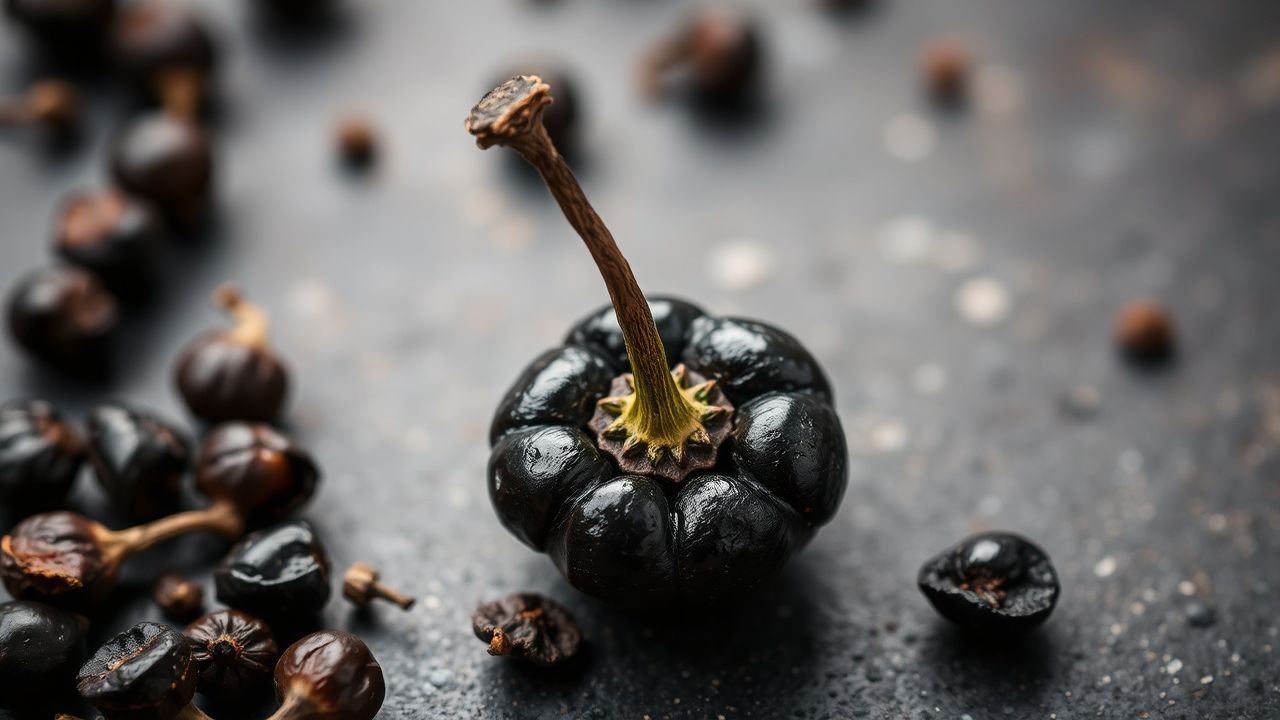
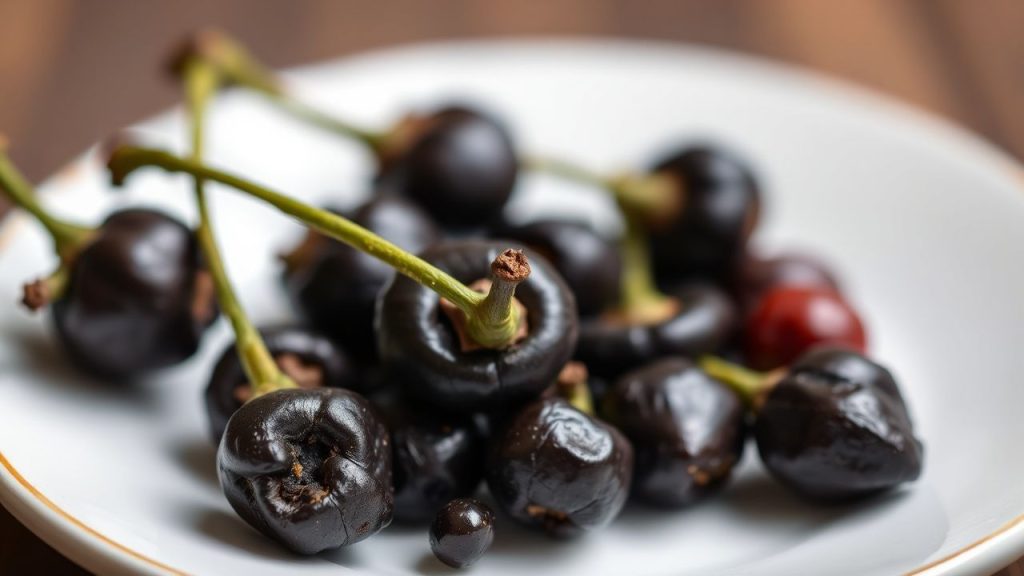
Piperine is an alkaloid concentrated in the outer layers of black pepper (Piper nigrum). Chemically, it belongs to a class of compounds known for potent biological activity and a strong sensory profile. The presence of piperine is what gives black pepper its signature kick.
Researchers isolate piperine to study effects on digestion, bioavailability, and sensory receptors. For a technical overview, see piperine on Wikipedia.
How piperine acts in the body
Piperine modifies absorption processes in the gut by inhibiting certain metabolizing enzymes and transporters. This inhibition increases the apparent bioavailability of some nutrients and co-administered compounds. The compound piperine matter significantly here.
For example, piperine can slow first-pass metabolism by cytochrome systems, which changes how much of an active compound reaches circulation. See the general concept at bioavailability and the enzyme family at Cytochrome P450.
Why black pepper tastes warm and spicy
The warm, tingling sensation comes from piperine activating sensory pathways on the tongue and oral mucosa. These interactions differ from capsaicin but still trigger a heat-like neural response. This is one of the most noticeable effects of piperine.
Scientists link this sensation to receptors on sensory neurons, including channels studied at TRPV1. The result: more complexity in aroma and mouthfeel than simple heat.
Culinary uses and practical daily intake
Most home cooks get useful piperine by seasoning food with freshly ground black pepper. Fresh grinding releases volatile oils and piperine, which both boost aroma and enhance perception of other flavors. The daily intake of piperine from cooking is generally safe and beneficial.
A rule of thumb: use black pepper liberally in savory dishes but sparingly in delicate sweets where it can overwhelm. For meal ideas, see our internal seasoning guide: black pepper essentials.
How cooks and formulators combine piperine with other ingredients
Chefs and formulators pair piperine with fats and acids to broaden flavor release and aid extraction of oil-soluble compounds. For example, a dash of black pepper with an oil-based sauce carries aromatic molecules through the palate more efficiently, thanks to piperine.
Commercial supplements often pair piperine with curcumin to enhance the latter’s uptake. Manufacturers rely on piperine’s effect on absorption to reduce required doses of companion ingredients. Read more about the plant source at Piper nigrum.
Safety profile, interactions, and dosing considerations
In culinary amounts, piperine poses low risk for most people. However, concentrated extracts and supplements change the exposure profile and can interact with medications. Understanding the role of piperine is key to safe usage.
Because piperine can inhibit metabolic enzymes, it may raise plasma levels of drugs that depend on those pathways. Always consult a clinician if you take prescription medication or have liver disease.
Practical pairings and recipe ideas
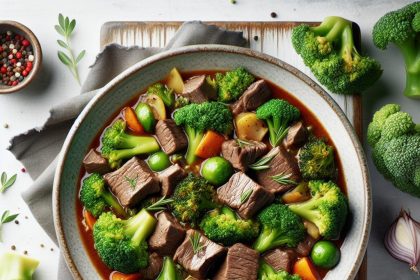
Piperine enhances savory herbs, roasted vegetables, and protein rubs. It works especially well where fat carries flavor — think vinaigrettes, marinades, and butter finishes. Integrating piperine in these ways is simple.
Use black pepper to support spice blends rather than dominate them. For step-by-step flavor ideas, consult our internal cooking tips: nutrient absorption tips.
Simple additions
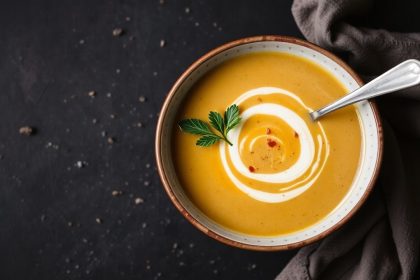
- Add freshly ground black pepper to soups just before serving to preserve aroma.
- Sear meat with coarse black pepper for a crisp, aromatic crust.
- Combine a pinch with citrus and olive oil for a bright finishing dressing.
Sample quick reference table
| Dish | How to use | Effect |
|---|---|---|
| Roasted squash | Finish with cracked pepper and butter | Enhances sweetness and mouthfeel |
| Grilled steak | Coarse crust before searing | Adds aromatic bite and texture |
| Salad dressing | Pinch in vinaigrette | Improves perceived acidity and depth |
Mechanistic evidence and research context
Studies demonstrate piperine’s effect on absorption in pharmacokinetic models and small clinical trials. Researchers measure changes in plasma concentration and metabolite profiles when piperine co-administers with other compounds. This research highlights the impact of piperine.
Mechanistic work uses in vitro systems and animal models to identify pathways. These controlled studies clarify enzyme inhibition, transporter modulation, and downstream metabolic changes.
Practical lab and home precautions
Handle concentrated piperine with care; it can irritate mucous membranes in isolated form. In the kitchen, avoid inhaling the dust from ground pepper in high quantities to reduce throat irritation. Proper handling of piperine is essential.
Keep supplements out of reach of children and follow manufacturer dosing. For clinical concerns, rely on a licensed pharmacist or physician for interaction checks.
Q&A: Common questions about piperine
Is piperine the same as black pepper?
No. Black pepper is the whole spice; piperine is one of its primary active constituents. The peppercorn contains essential oils, volatile compounds, and fiber in addition to piperine.
Can I get the benefits from food alone?
Yes. Culinary usage of black pepper provides piperine at levels that can nudge flavor and some absorption effects. Supplements supply concentrated doses and may produce stronger pharmacological effects.
Does piperine interact with supplements like turmeric?
Yes. Piperine increases absorption of some turmeric extracts like curcumin, which often leads formulators to pair them. That pairing reduces required curcumin dose but also changes systemic exposure.
Are there measurable health benefits from regular use?
Evidence shows piperine affects metabolism and absorption but large-scale clinical outcomes require more study. Use culinary amounts as a practical, low-risk approach while researchers continue to evaluate long-term effects.
How much black pepper is too much?
Culinary levels rarely cause problems for healthy adults. If you consider concentrated supplements, consult a healthcare professional to discuss dose, timing, and possible drug interactions.
Final remarks
Piperine transforms black pepper from a simple seasoning into a functional ingredient with measurable effects on flavor and absorption. Chefs, formulators, and curious cooks can use it deliberately to amplify dishes and improve delivery of co-used compounds. The versatility of piperine makes it a valuable culinary and potentially therapeutic agent.
Balance and context matter: small amounts in food offer an easy, safe way to enjoy piperine’s benefits, while concentrated use demands medical oversight. Explore practical applications through our internal resources and the cited literature to stay informed and safe.
See also: Piperine