

Savor Every Bite: Garlic Herb Butter Steak Magic Unveiled
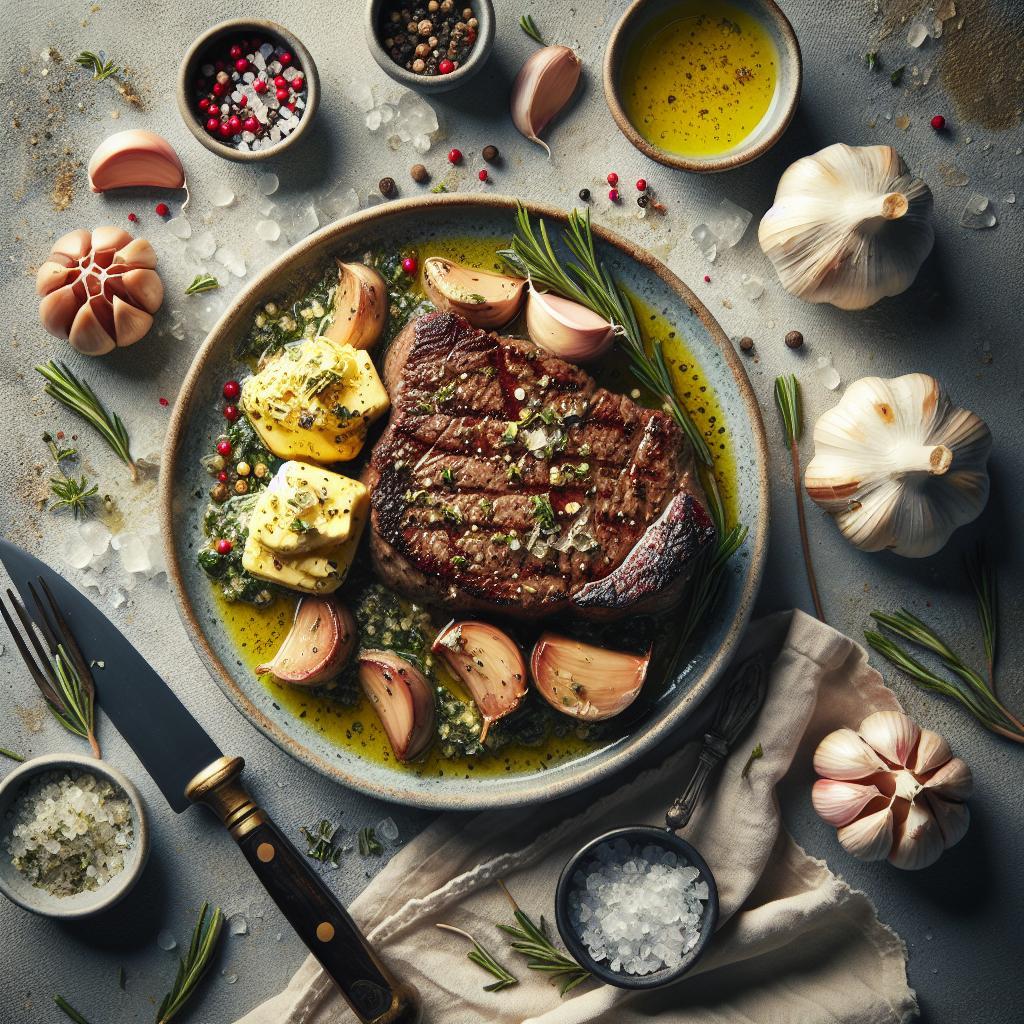
There is a simple ritual that turns a good steak into an unforgettable dinner: a hot sear, seasoned meat, and a finishing spoon of warm butter blended with fresh garlic and herbs. This combination amplifies flavor, adds silk to texture, and gives every bite a restaurant-quality finish.
- Prep and Cook Time
- Yield & Difficulty
- Ingredients
- Equipment Notes
- Instructions
- Tips for Success
- Serving Suggestions
- Nutritional Information
- FAQ
- How does garlic herb butter change the flavor of steak?
- Which cuts work best with this finish?
- Can I make the compound butter in advance?
- What is the ideal doneness for this recipe?
- How should I reheat leftovers without losing texture?
- The Way Forward
- Make the herb-garlic butter ahead: it concentrates flavor and speeds service.
- Sear on very high heat: a proper crust locks juices while producing Maillard flavor.
- Rest the steak: brief rest keeps the meat tender and prevents juice loss.
- Use a heavy pan: steady heat yields consistent results.
Prep and Cook Time
Preparation: Plan 15 minutes to make the herb butter and bring steaks to room temperature. Preparing ahead reduces stress at the stove and improves flavor integration.
Cooking: Expect 10–12 minutes for quick pan-searing to medium-rare, depending on thickness. Therefore, monitor internal temperature rather than time alone for precision.
- Preparation: 15 minutes
- Cooking: 10-12 minutes
- Total Time: 25-27 minutes
Yield & Difficulty
This recipe yields two hearty portions when using 12 oz ribeye cuts or similar steaks. The technique scales easily for more diners by increasing pan batches or using the grill.
Difficulty is medium: it requires heat control, timing, and resting discipline. However, the steps remain straightforward for any confident home cook ready to improve sear and finish skills.
Ingredients
Gather quality ingredients: good beef, fresh herbs, real butter, and clean garlic produce the clearest flavor. Use beef with visible marbling for consistent juiciness.
Measure and prep before heating the pan so you maintain high heat without scrambling tasks. Mise en place speeds the cook and prevents overcooking.
- 2 ribeye steaks (1 to 1¼ inches thick, about 12 oz each)
- 4 tablespoons unsalted butter, softened
- 3 cloves garlic, finely minced
- 1 tablespoon fresh parsley, finely chopped
- 1 teaspoon fresh rosemary, finely chopped
- 1 teaspoon fresh thyme, finely chopped
- Salt and freshly ground black pepper, to taste
- 2 tablespoons olive oil
- Lemon wedges (for serving)
Equipment Notes
Use a heavy-bottomed pan for even heat and reliable crust formation. A cast-iron skillet or stainless pan works best because it holds and transfers heat predictably.
Have tongs, a meat thermometer, and a small bowl for the butter handy. These simple tools help you manage doneness and baste efficiently during the final minutes.
Instructions
Follow the sequence: prepare butter, season steaks, sear, baste with melted butter, and rest. Each step contributes to flavor concentration and optimal texture.
Control heat and timing; check internal temperature for precision rather than relying solely on timing. For reference, medium-rare targets 125–130°F (52–54°C) before resting.
- Prepare the garlic herb butter: In a small bowl, combine the softened butter, minced garlic, chopped parsley, rosemary, and thyme. Blend until smooth and refrigerate until firm.
- Select the steak: Choose cuts with good marbling such as ribeye for flavor and tenderness. Trim any excess fat that will flare but keep the protective cap intact.
- Bring to room temperature: Remove steaks 30 minutes before cooking to ensure even internal heat. Pat dry thoroughly with paper towels to improve crust development.
- Season generously: Apply salt and freshly ground black pepper to both sides immediately before searing. Salt draws flavor into the surface and helps form a savory crust.
- Heat the pan: Place the skillet over medium-high to high heat and add olive oil. The oil should shimmer and just begin to smoke lightly before you add the meat.
- Sear the steaks: Lay steaks in the hot pan without overcrowding and do not move them during the first sear. Sear 4–5 minutes per side for 1–1¼ inch steaks for medium-rare, adjusting for thickness.
- Add garlic herb butter: Reduce heat to medium-low and add dollops of the prepared butter atop each steak. Spoon the melted butter over the steaks continuously for one to two minutes to baste and gloss the surface.
- Rest the steaks: Transfer steaks to a warm plate and tent loosely with foil for 5–7 minutes. Resting lets muscle fibers relax and juices redistribute for a juicier bite.
- Serve: Slice against the grain where appropriate and place a final sliver of herb butter on each steak to melt. Offer lemon wedges to add bright acid if desired.
Tips for Success
Small technique choices deliver big results: dry the steak, use high heat, and rest after searing. Apply salt at the right time—immediately before cooking for the best crust without drawing out moisture excessively.
Monitor temperature with a probe thermometer to avoid guesswork. Over time you will correlate feel with temperatures, but the thermometer gives repeatable results.
- Use room-temperature butter: softened butter melts evenly and spreads flavor faster.
- Do not overcrowd the pan: crowding drops surface temperature and prevents crusting.
- Try compound butter logs: roll the butter in plastic and chill; slice rounds to finish steaks neatly.
Serving Suggestions
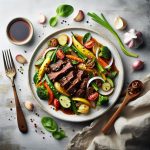
Pair the steak with starchy sides like creamy mashed potatoes or simple roasted vegetables to absorb the garlic-herb juices. A crisp green salad with lemon vinaigrette adds palate-cleansing acidity.
Offer crusty bread for guests to mop up melted butter and pan juices; small finishing touches elevate the meal. For curated guidance, consult our internal pages on best side dishes for steak and how to sear steak.
Nutritional Information
The following nutrition table gives a practical estimate per serving when using a 12 oz ribeye and a moderate amount of butter. Nutrition varies with cut choice, portion size, and preparation.
Use this table as a guide for planning, especially if you monitor calorie, protein, or fat intake carefully. Adjust portions or sides to meet dietary targets.
| Nutrient | Per Serving |
|---|---|
| Calories | 620 kcal |
| Protein | 48 g |
| Carbohydrates | 1 g |
| Fat | 46 g |
FAQ
How does garlic herb butter change the flavor of steak?
Melting butter carries fat-soluble flavor compounds and creates a glossy finish that enhances mouthfeel. Fresh herbs and garlic add bright, aromatic notes that balance the beef’s richness.
Which cuts work best with this finish?
Fattier cuts such as ribeye and strip loin respond best because the fat amplifies the butter and herb flavors. Leaner cuts also benefit, but require careful timing to avoid toughness.
Can I make the compound butter in advance?
Yes. Make the herb-garlic butter up to a week ahead refrigerated, or freeze it for up to a month. Slicing frozen logs into medallions is convenient for finishing hot steaks.
What is the ideal doneness for this recipe?
Medium-rare yields the best balance between juicy interior and robust seared crust for most steak lovers. Use a thermometer: 125–130°F (52–54°C) before resting typically hits medium-rare after carryover.
How should I reheat leftovers without losing texture?
Warm gently in a low oven or finish slices quickly in a hot pan with a little butter to refresh the crust. Avoid microwaving raw slices; it dries the meat and compromises texture.
The Way Forward
Mastering sear and finish technique gives you control over flavor and texture every time you cook steak. With practice you will refine timing, heat, and seasoning to suit each cut and guest preference.
Return to the key steps: dry the steak, use steady high heat, baste with herb-garlic butter, and always rest. These fundamentals create consistent, memorable results for weeknight dinners and special occasions alike.
Unlock further reading on the components: learn about garlic, the chemistry behind butter, and why beef marbling matters. Experiment, track results, and serve confidently. Bon appétit!
See also: Garlic Butter