

Transglutaminase Unveiled: The Science Behind Meat Glue
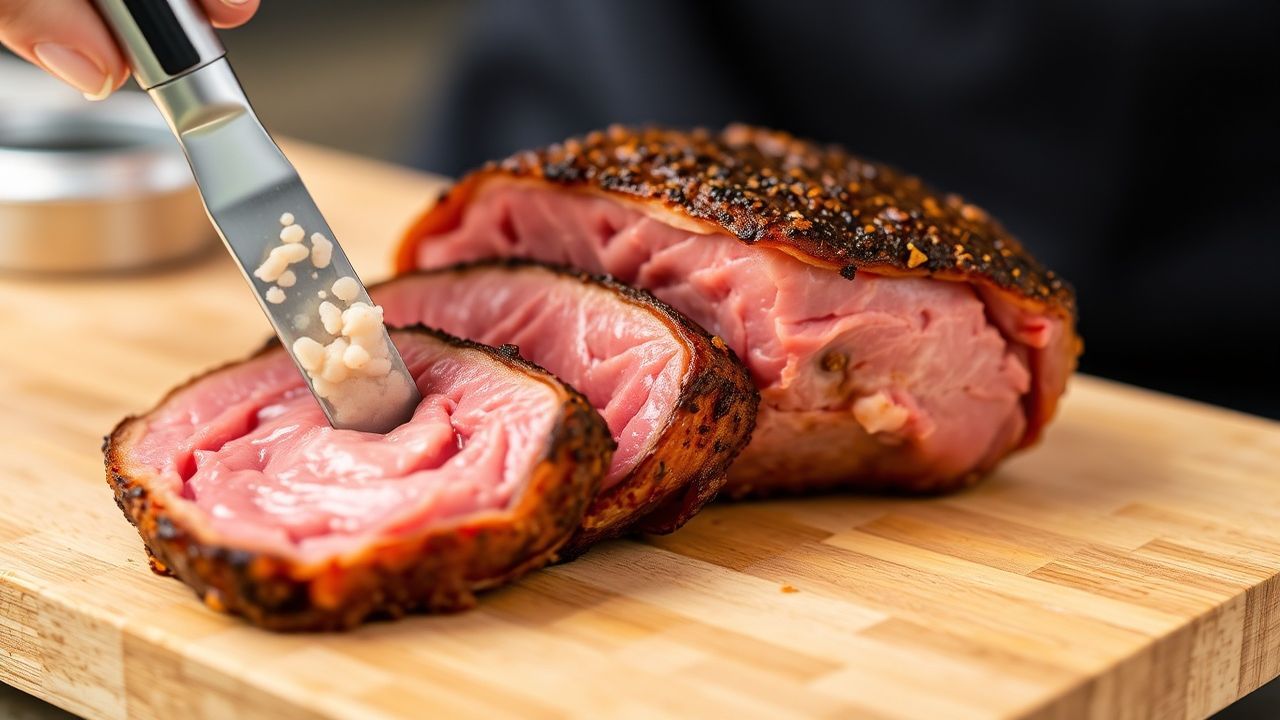
Transglutaminase is the enzyme many chefs call “meat glue” because it bonds proteins to form firm, sliceable products. Professionals use it to reduce waste, improve presentation, and create textures that would otherwise be difficult to achieve.
- Transglutaminase Unveiled: The Science Behind Meat Glue
- What Is Transglutaminase?
- How Transglutaminase Works
- Practical Recipe: Protein Terrine Using Transglutaminase
- Chef’s Notes and Variations
- Safety and Regulatory Guidance
- Applications in Food Production
- Technical Considerations for Professionals
- Serving Suggestions
- Broader Context and Research
- Insights and Conclusions
- FAQ
- At a glance: transglutaminase binds proteins to create uniform textures.
- Use: works on meat, fish, dairy and plant proteins with proper refrigeration.
- Safety: approved by major food authorities when used correctly.
- Result: cleaner cuts, less waste, and new culinary formats.
What Is Transglutaminase?
Transglutaminase is a catalytic protein that forms covalent cross-links between specific amino acids in proteins. The enzyme targets glutamine and lysine residues and creates a stable bond that holds separate pieces of protein together.
This enzyme class sits within the broader family of enzymes, which accelerate biochemical reactions. For a focused overview of the enzyme itself, consult the transglutaminase entry on Wikipedia.
How Transglutaminase Works
Mechanistically, transglutaminase catalyzes an acyl-transfer reaction between glutamine side chains and primary amines, most commonly the epsilon-amino group of lysine. The result is an N(e)-(gamma-glutamyl)lysine isopeptide bond that resists heat and proteolysis.
At culinary temperatures and under refrigeration, this cross-linking builds a three-dimensional network that increases cohesion and bite. The enzyme does not alter flavor; it changes structure and mouthfeel while leaving seasonings and aromas intact.
Practical Recipe: Protein Terrine Using Transglutaminase
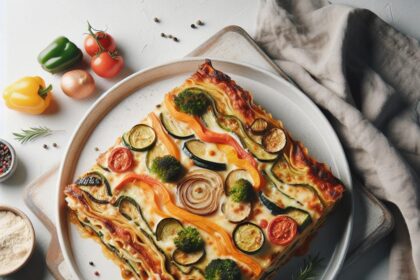
This terrine demonstrates how to use transglutaminase to produce clean slices and attractive color contrasts. Follow food-safety steps closely and keep proteins cold through handling and shaping.
Prep: 25 minutes | Chill: 4 hours | Cook: 45 minutes. Yield: 6 servings. Difficulty: Medium.
Ingredients
500g boneless chicken thighs, skin removed and cut into 1 cm cubes. Keep the meat chilled for firm handling.
300g pork shoulder, cubed to match the chicken. Also: 2 teaspoons transglutaminase powder, 1 teaspoon kosher salt, 1/2 teaspoon black pepper, 1 tbsp chopped fresh thyme, 1/4 cup heavy cream, 1 egg white, plastic wrap and nonstick spray.
Instructions
1. In a chilled bowl, combine chicken and pork cubes. Cold meat gives cleaner edges and better final appearance.
2. Season evenly with salt, pepper, and thyme. Fold gently to distribute without pureeing the pieces.
3. Sprinkle transglutaminase powder over the meat and fold to distribute. Add egg white and cream to aid cohesion and moisture retention.
4. Line a terrine mold or loaf pan with plastic wrap and pack the mixture firmly to avoid air pockets. Wrap and refrigerate for at least 4 hours, ideally overnight, to allow the bonds to form.
5. Preheat oven to 160°C (320°F). Unwrap the terrine, place it on a tray, and bake until internal temperature reaches 75°C (165°F). Rest briefly, then slice thinly to serve.
Chef’s Notes and Variations
Substitutions: swap chicken for turkey or veal for different flavors and color contrast. Keep all ingredients cold for the best structural results.
Texture adjustments: larger cubes yield a mosaic effect; finely minced meat produces a smooth pâté-like texture. Reduce transglutaminase if you prefer a softer bite.
Safety and Regulatory Guidance
Regulatory agencies evaluate transglutaminase for safe use in foods. The enzyme occurs naturally in organisms and in many foods, and culinary doses remain low compared to endogenous levels.
Follow time-temperature controls: bond formation happens in the refrigerator, so always chill products before and after shaping. Cook finished products to safe internal temperatures according to the protein you are using.
Applications in Food Production
Manufacturers use transglutaminase to bind trimmings into uniform cuts, improving yield and reducing waste. Small-scale kitchens use it for creative presentations and to assemble multi-protein preparations.
The enzyme also finds use with plant proteins and dairy. For example, producers use transglutaminase to improve texture in restructured fish products, some cheeses, and certain meat-analog formulations.
Technical Considerations for Professionals
Temperature, moisture, pH and the presence of inhibitors can affect enzyme activity. A chilled environment yields consistent formation; acidic marinades can reduce activity, while salt has a moderate effect depending on concentration.
Because bonds form between specific amino acids, success depends on the target proteins’ composition. Proteins low in available glutamine or lysine will not set as strongly as those rich in those residues. For quick reference on protein chemistry, see protein basics.
Serving Suggestions
Slice the terrine thin and serve with a sharp mustard aioli, pickled vegetables, or microgreens to balance richness. Cold cuts pair well with crusty bread and a dry white wine or a crisp sparkling alternative.
For menu deployment, use terrine slices as a composed appetizer or as part of a gourmet sandwich. If you want more idea prompts, check our internal guides on creative uses for transglutaminase and curated terrine recipes for pairings and plating.
Broader Context and Research
Researchers study transglutaminase to refine food textures and improve sustainability by reducing trimmings waste. Ongoing studies explore its role in plant-based protein structuring and novel product formats.
For technical background, consult consolidated sources such as the Wikipedia entry on transglutaminase and summaries on meat processing to understand industrial applications and safety context.
Insights and Conclusions
Transglutaminase functions as a precision tool: it changes structure, not taste. When used intentionally, it expands the chef’s toolkit and helps producers create consistent products with reduced waste.
Applied correctly, transglutaminase delivers repeatable texture, clean portioning, and new culinary formats. The technology requires basic technical knowledge and strict food-safety discipline for successful deployment.
FAQ
What exactly is transglutaminase?
Transglutaminase is an enzyme that forms covalent bonds between glutamine and lysine residues in proteins. The enzyme creates durable cross-links that hold separate pieces of protein together for slicing and presentation.
Is meat glue safe to eat?
Yes, food-grade transglutaminase has undergone regulatory review and sees approved use in many jurisdictions. Always follow manufacturer dosing recommendations and standard food-safety protocols when handling raw proteins.
Can I use transglutaminase with plant proteins?
Yes. It can improve the texture of certain plant-protein blends when those blends contain adequate reactive amino acids. Manufacturers use it to refine meat analog textures and structural integrity.
How much enzyme should I use?
Start with manufacturer guidance; for the terrine shown here, 2 teaspoons per ~800 g of protein is a conservative starting point. Work incrementally: too much enzyme yields overly firm results.
Where can I learn more about safe usage and technique?
Study product datasheets, food-safety guidelines, and practical demos. For technical context on proteins and enzymes, refer to the Wikipedia entries on enzymes and protein.
By treating transglutaminase as a precise tool rather than a shortcut, culinary professionals can expand both creativity and efficiency while maintaining high standards for safety and flavor.
See also: Transglutaminase