
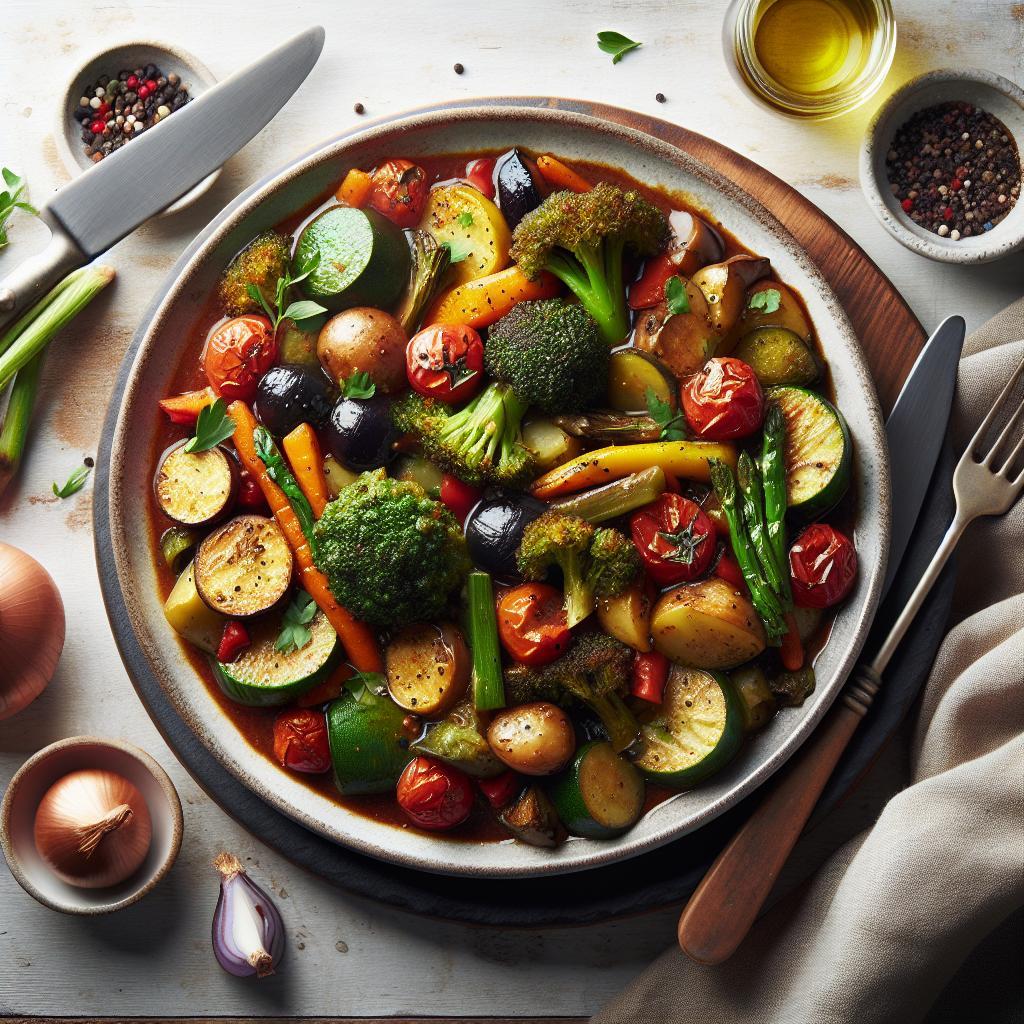

Hearty roasted vegetable stew delivers layered, savory comfort when cold weather calls for a substantial, nourishing bowl. Roast first to concentrate sugars, then simmer gently to marry textures and aromas for a stew that feels both rustic and refined.
- Exploring the Richness of Roasted Vegetables in Your Stew
- Selecting the Perfect Seasonings to Elevate Every Bite
- Tips for Achieving Ideal Texture and Depth of Flavor
- Creative Serving Suggestions to Warm Every Soul
- Prep and Cook Time
- Yield
- Difficulty Level
- Ingredients
- Instructions
- Chef’s Notes
- Make-Ahead and Storage
- Serving Suggestions
- FAQ
- What makes this stew especially “hearty”?
- Can I adapt this stew for different diets?
- Why roast before simmering instead of adding raw vegetables?
- How do I prevent the stew from becoming watery or thin?
- Can I make this in advance for a dinner party?
- Wrapping Up
- Roast before simmering: caramelization adds depth and umami.
- High heat, even pieces: uniform size and 425°F roasting encourage browning.
- Layer flavors: build aroma with sautéed aromatics, toasted spices, and acid at finish.
- Flexible base: beans or grains turn this into a full, protein-forward meal.
Exploring the Richness of Roasted Vegetables in Your Stew
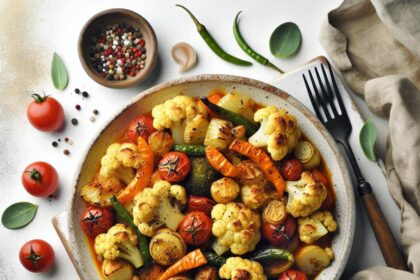
Roasting transforms simple produce into concentrated flavor by drawing out sugars and creating savory browning. The surface browning improves mouthfeel and gives the broth a deeper, more complex profile.
Understanding the chemistry helps. The Maillard reaction explains how dry-heat caramelization produces roasted notes that a plain simmer cannot. Use this knowledge to roast confidently and achieve consistent results.
Selecting the Perfect Seasonings to Elevate Every Bite
Seasoning a roasted vegetable stew requires balance: salty, savory, herbaceous, and bright elements all play a role. Start with garlic and onion for a savory backbone, then layer warm spices like smoked paprika and cumin to support the roasted vegetables.
Finish with acid and fresh herbs to lift the dish. A squeeze of lemon or a splash of vinegar at service sharpens flavors and keeps the stew from tasting heavy.
Tips for Achieving Ideal Texture and Depth of Flavor
Texture control starts at the cutting board: consistent piece sizes ensure even roasting and uniform simmering. Cut root vegetables into similar cubes and keep tender items slightly larger to avoid disintegration.
Roast at a high temperature to get caramelized edges without prolonged breakdown. Use a single layer on the pan and turn once midway for even exposure to heat.
- Even Sizing: uniform cuts cook at the same rate.
- High Heat Roasting: 425°F (220°C) encourages browning quickly.
- Layer Flavors: sauté aromatics, deglaze, then add roasted veg and stock.
- Simmer Gently: low simmer preserves texture and concentrates taste.
- Finish Bright: add acid and fresh herbs just before serving.
Creative Serving Suggestions to Warm Every Soul
Serve the stew in wide, shallow bowls so garnishes sit on top and contrast with the broth. Add a crunchy element such as toasted seeds or nuts for textural contrast.
Pair the stew with bread or grains to make it a full meal. Try it over creamy polenta, quinoa, or alongside crusty artisan bread for soaking up the broth, and explore more ideas on our vegetable roasting guide for complementary sides.
Prep and Cook Time
Account for active prep and passive roasting time when planning. This stove-to-oven technique requires modest hands-on time but rewards with a complex finished dish.
- Preparation: 20 minutes
- Roasting: 25–30 minutes
- Simmering: 20–25 minutes
- Total: ~75 minutes
Yield
This recipe serves six generously and scales well for meal prep or batch cooking. Portion into individual containers for quick lunches or family dinners.
Leftovers develop flavor over a day and freeze well for longer storage; thawed stew should be reheated gently to preserve texture.
Difficulty Level
Medium. The technique demands attention to roasting and layering, but the steps remain straightforward. Home cooks who practice knife consistency and timing will achieve the best results.
For cooks seeking easier options, swap tougher vegetables for quicker-roasting varieties and shorten simmer time to retain bite.
Ingredients
Gather produce and pantry items in advance to streamline roasting and assembly. Choose fresh vegetables at peak season to maximize natural sugars and texture.
- 2 cups diced sweet potatoes, peeled
- 1½ cups chopped carrots
- 1 cup diced bell peppers
- 1 cup chopped zucchini
- 1 large red onion, cut into wedges
- 4 cloves garlic, minced
- 3 tbsp olive oil
- 1 tsp smoked paprika
- 1 tsp ground cumin
- 1 tsp dried rosemary
- 4 cups vegetable broth
- 1 tbsp soy sauce or tamari (optional)
- Salt and cracked black pepper, to taste
- Juice of ½ lemon
- Fresh parsley, for garnish
Substitutions are simple: butternut squash works for sweet potatoes; cooked beans boost protein. See our related vegetarian recipes for pairing options and variations.
Instructions
Follow a clear sequence: roast, sauté, combine, simmer, and finish. Each stage concentrates flavor or refines texture to build a cohesive stew.
- Preheat oven to 425°F (220°C). Toss diced sweet potatoes, carrots, bell peppers, zucchini, and onion with olive oil, smoked paprika, cumin, rosemary, salt, and pepper until evenly coated.
- Spread vegetables on a baking sheet in a single layer. Roast 25–30 minutes, turning once, until pieces show deep color and tender centers.
- Meanwhile in a heavy pot, sauté minced garlic in a tablespoon of olive oil over medium heat until fragrant, 1–2 minutes without browning.
- Add roasted vegetables, pour in vegetable broth and soy sauce, bring to a gentle simmer, and cook uncovered for 20–25 minutes to allow flavors to meld and the broth to reduce slightly.
- Adjust seasoning with salt, pepper, and lemon juice. Stir in chopped parsley before serving.
- Serve hot with garnishes such as toasted seeds, a dollop of yogurt, or grated cheese if desired.
Use a slotted spoon to test texture; the vegetables should be tender but intact. If you prefer a thicker broth, mash a portion of the stew against the pot and stir to thicken naturally.
Chef’s Notes
Small technique choices make a big difference: use heavy baking sheets for even roasting, and avoid overcrowding to ensure evaporation and browning. Deglazing the sauté pan with a little broth before adding roasted veg lifts fond into the stew.
For extra protein, add cooked chickpeas or lentils during simmering. For richer mouthfeel, finish with a splash of cream or a swirl of nut-based cream for dairy-free richness.
Make-Ahead and Storage
Roast vegetables and store them separately from the broth to preserve texture. Combine and simmer briefly before serving for near-fresh results.
Refrigerate up to four days in airtight containers. Freeze in portions up to three months and thaw overnight in the fridge before reheating gently on the stove.
Serving Suggestions
Top bowls with crunchy elements like toasted pumpkin seeds or crushed walnuts for contrast. A spoonful of plant-based yogurt or cashew cream balances warmth with cooling creaminess.
Garnish with parsley or cilantro for a fresh lift. Offer crusty bread, polenta, or steamed grains on the side to make the stew a complete, satisfying meal.

| Nutrient | Per Serving |
|---|---|
| Calories | 280 kcal |
| Protein | 7 g |
| Carbohydrates | 45 g |
| Fat | 8 g |
For technique notes on dry-heat methods and browning, consult the roasting topic. For context on vegetable categories and nutrition, the vegetables entry provides reliable background.
FAQ
What makes this stew especially “hearty”?
The roast step concentrates sugars and adds savory browning that turns simple broth into a full-bodied base. Adding legumes or grains boosts protein and makes the dish more filling.
Textural contrast from roasted edges and tender centers also gives the impression of a substantial, thoughtfully composed meal.
Can I adapt this stew for different diets?
Yes. The recipe is naturally vegan and can be gluten-free when using certified gluten-free broth and seasonings. Add beans for protein, or grate cheese on top for a lacto-ovo variation.
Swap vegetables according to season and tolerance; root vegetables and winter squash provide sweetness, while zucchini and bell peppers add lighter notes.
Why roast before simmering instead of adding raw vegetables?
Roasting initiates Maillard browning, producing flavor compounds that a simple simmer cannot generate. Those compounds enrich the broth and give the stew a savory, roasted character.
Roasted vegetables also retain better shape and resist turning to mush when simmered gently, resulting in a stew with varied textures.
How do I prevent the stew from becoming watery or thin?
Simmer uncovered to reduce the broth and concentrate flavor. If the stew remains thin, mash a portion against the pot wall and stir to thicken naturally without added thickeners.
Alternatively, use slightly less stock at the start or add legumes that absorb liquid during simmering.
Can I make this in advance for a dinner party?
Yes. Roast vegetables a day ahead and store them separately from the broth. Combine and simmer briefly before serving to refresh flavors and maintain texture.
Keep garnishes and delicate herbs aside until service to preserve their color and crunch.
Wrapping Up
Roasting then stewing gives vegetable-based soups a depth often missing from simple simmered recipes. Precise heat control, consistent cuts, and thoughtful seasoning elevate humble produce into a memorable dish.
Use these techniques to adapt flavors seasonally and to suit dietary needs. This stew is reliable, flexible, and rewarding—an essential recipe for cooks who appreciate both technique and comfort.
See also: Roasted vegetables