


Introduction
Trimethylamine explains the familiar, sharp odor people call “fishy.” This small, volatile molecule appears when marine biochemistry and microbial activity intersect. Understanding it clarifies why seafood smells fresh or rotten, and why some people emit a persistent fishy scent.
- Introduction
- What is trimethylamine?
- How TMA forms in marine animals
- Microbiology and spoilage dynamics
- Measuring TMA: tools and standards
- Kitchen-level strategies to limit or neutralize the fishy smell
- Health implications beyond the kitchen
- Wider environmental and industrial relevance
- How to judge seafood freshness like a pro
- FAQ
- What concentration of trimethylamine makes fish smell?
- Can cooking permanently remove trimethylamine?
- Is the fishy smell always evidence of spoilage?
- How do laboratories test for TMA?
- Are there health risks from inhaling trimethylamine?
- Closing notes
- TMA signals freshness or spoilage: low levels mean freshness; rising levels point to decay.
- Source chemistry: trimethylamine derives mainly from trimethylamine N-oxide in marine animals.
- Measurement matters: gas chromatography and sensory panels quantify TMA for quality control.
- Health links: gut microbes and genetic conditions can increase body-level TMA.
What is trimethylamine?
Trimethylamine (TMA) is a tertiary amine with a distinct, penetrating odor described as fishy or ammonia-like. It exists as a gas at room temperature and dissolves in water, making it easy to sense even at low concentrations.
TMA plays roles across chemistry and biology. See the technical entry on Trimethylamine for molecular data and physical properties.
How TMA forms in marine animals
Marine fish and invertebrates synthesize trimethylamine N-oxide (TMAO) to stabilize proteins under pressure. After death, bacteria reduce TMAO to trimethylamine, releasing the volatile compound into surrounding tissues and the air.
This biochemical pathway explains why freshly caught fish have little free TMA, but stored or mishandled fish smell strongly fishy. For a deep look at the precursor compound, consult Trimethylamine N-oxide.
Microbiology and spoilage dynamics
Bacterial enzymes drive the conversion of TMAO to TMA. Common spoilage organisms on seafood include members of the genera Shewanella and Photobacterium, which enzymatically reduce TMAO under anaerobic conditions.
Cold temperature slows these microbial steps, which is why refrigeration and proper handling dramatically delay odor development and quality loss.
Measuring TMA: tools and standards
Food scientists use analytic techniques to quantify trimethylamine and assess freshness. Gas chromatography, often coupled with mass spectrometry, separates and identifies volatile amines with high sensitivity.
Regulatory bodies and laboratories adopt threshold values and sensory tests to classify seafood quality. For background on the analytical method, review the overview at Gas chromatography.
Practical quality metrics
Low TMA concentration correlates with acceptably fresh seafood. Producers aim to keep TMA near baseline by managing temperature, oxygen exposure, and packaging.
Producers also rely on trained sensory panels. Human detection complements instrumental data because the nose integrates multiple odorants beyond TMA.
Kitchen-level strategies to limit or neutralize the fishy smell
Simple culinary techniques reduce perceived fishiness. Acidic marinades transform volatile amines into non-volatile ammonium salts, lowering vapor pressure and odor.
Cooking methods that retain juices, such as poaching, limit the release of TMA into the kitchen air. Conversely, high-heat frying volatilizes more aroma compounds and may intensify the smell.
Everyday tips
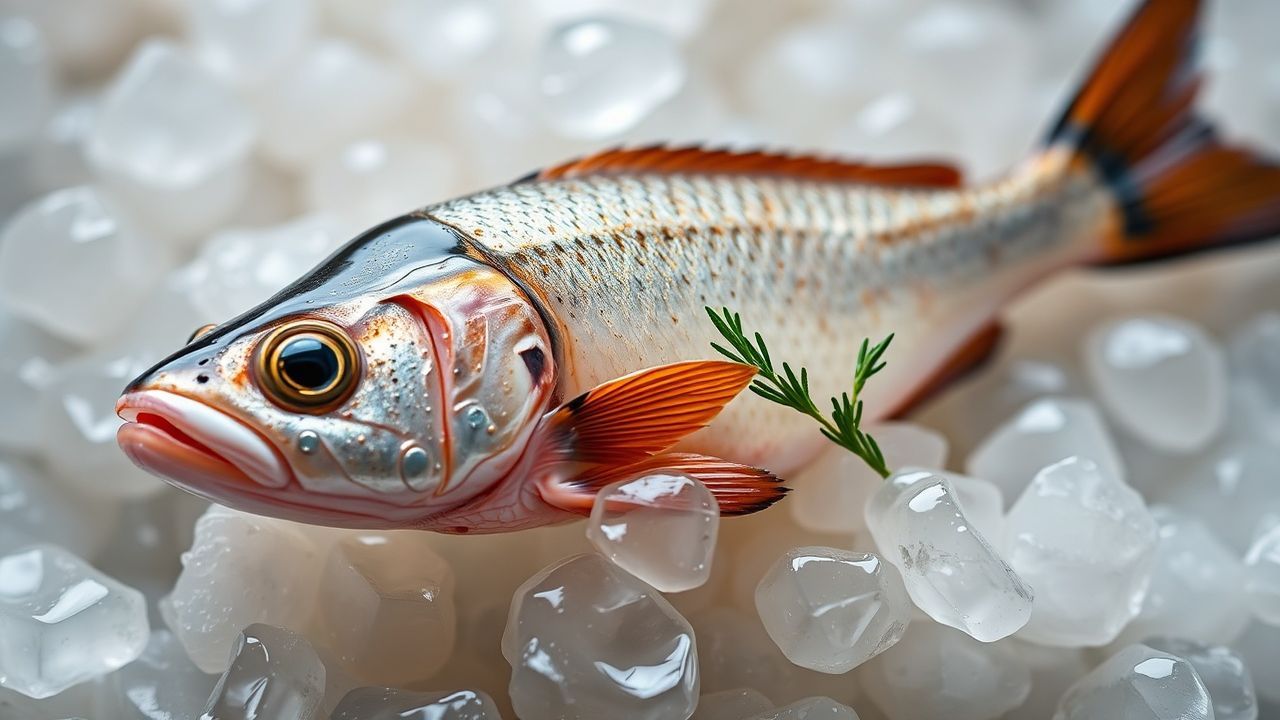
Rinse seafood gently in cold water and pat dry. Store on ice or in the coldest refrigerator zone, ideally below 4 °C, to restrict bacterial enzyme activity.
Marinate briefly with lemon, vinegar, or other acids before cooking. Herbs and aromatic spices can mask residual odor but do not chemically remove TMA.
Food-safety controls remain paramount: chilling, packaging, and rapid processing keep TMA production to a minimum.
Health implications beyond the kitchen
The human gut converts certain dietary precursors into trimethylamine via microbial metabolism. The liver normally oxidizes TMA back to TMAO for excretion, keeping body odor negligible.
A rare metabolic condition, trimethylaminuria, prevents this oxidation. Affected individuals can emit a persistent fishy odor, which has psychosocial consequences and requires clinical management.
Microbiome and diet connections
Gut microbial composition affects TMA production. Diets rich in choline, carnitine, and lecithin can raise substrate availability for microbial TMA formation.
Modulating the microbiome through diet or targeted therapies may reduce systemic TMA, but interventions require clinical oversight and evidence-based protocols.
Wider environmental and industrial relevance
TMA appears outside food and physiology. It serves as an intermediate in chemical syntheses, and its emissions play a role in marine and atmospheric chemistry.
Monitoring trimethylamine in aquaculture or fish processing facilities offers an early warning for product quality and potential environmental impacts.
How to judge seafood freshness like a pro
Use a short, repeatable checklist: clear eyes, firm flesh, neutral or briny aroma, and proper cold chain records. Visual and tactile cues often reveal spoilage before odor dominates.
If in doubt, measure: many quality-control labs and modern rapid-testing kits report TMA or total volatile basic nitrogen (TVB-N) as freshness indices.
FAQ
What concentration of trimethylamine makes fish smell?
Human noses detect TMA at very low parts-per-billion levels, but perception varies with context and other volatile compounds. Fresh fish have near-baseline TMA; spoilage pushes levels above sensory thresholds.
Can cooking permanently remove trimethylamine?
Cooking alters TMA distribution but does not chemically destroy it entirely. Acids convert TMA into non-volatile salts, which reduces aroma intensity. Proper handling before cooking remains essential.
Is the fishy smell always evidence of spoilage?
No. Some species naturally carry mild marine scents due to TMAO content. A sharp, ammonia-like odor combined with texture changes more reliably indicates spoilage.
How do laboratories test for TMA?
Analytical labs use gas chromatography, often with mass spectrometry, to separate and quantify TMA. Sensory panels and TVB-N tests complement instrumental assays for commercial grading.
Are there health risks from inhaling trimethylamine?
At concentrations typical in kitchens and markets, TMA irritates the nose and eyes but rarely causes systemic harm. Occupational exposure limits guide safe handling in industrial settings.
Closing notes
Trimethylamine provides a clear, testable link between molecular chemistry, microbiology, and what we perceive as freshness or spoilage. By combining simple handling practices and scientific measurement, suppliers, chefs, and consumers can manage fishy odors effectively.
Understanding TMA also connects food quality to health and environmental monitoring, making it a useful marker across multiple disciplines. For broader context on spoilage processes, see Fish spoilage.
See also: Trimethylamine