
By using this site, you agree to the Privacy Policy and Terms of Use.
Accept
CookOrBitCookOrBitCookOrBit
  • Home
  • About Us
  • Ingredient Science
    • Flavor & Aroma
    • Protein Chemistry
    • Sugar & Starch
    • Fats & Emulsions
  • Cooking Techniques
    • Searing & Grilling
    • Baking & Roasting
    • Boiling & Steaming
    • Low & Slow
  • Kitchen Experiments
    • DIY Ferments
    • Flavor Tests
    • Gadget Testing
    • Molecular Gastronomy
  • Food Myths
    • Searing Myth
    • 5-Second Rule
    • MSG Myths
    • Microwave Myths
  • Tools
  • More
    • Extra Picks
    • Quick & Easy
      • Breakfast Ideas
      • Desserts
      • Snacks
      • Soups
    • Global Flavors
      • Asian Street Eats
      • Latin Comforts
      • Mexican Flavors
      • Modern Mediterranean
CookOrBitCookOrBit
  • Home
  • About Us
  • Ingredient Science
  • Cooking Techniques
  • Kitchen Experiments
  • Food Myths
  • Tools
  • More
Search
  • Home
  • About Us
  • Ingredient Science
    • Flavor & Aroma
    • Protein Chemistry
    • Sugar & Starch
    • Fats & Emulsions
  • Cooking Techniques
    • Searing & Grilling
    • Baking & Roasting
    • Boiling & Steaming
    • Low & Slow
  • Kitchen Experiments
    • DIY Ferments
    • Flavor Tests
    • Gadget Testing
    • Molecular Gastronomy
  • Food Myths
    • Searing Myth
    • 5-Second Rule
    • MSG Myths
    • Microwave Myths
  • Tools
  • More
    • Extra Picks
    • Quick & Easy
    • Global Flavors
Follow US
  • Advertising Policy
  • Contact Us
  • Cookie Policy
  • Copyright Notice
  • Disclaimer
  • Privacy Policy
  • Terms of Service
By Fimaw.com
Why Is My Pie Crust Tough? Secrets to Tender Pastry Unveiled
CookOrBit > Blog > Ingredient Science > Protein Chemistry > Why Is My Pie Crust Tough? Secrets to Tender Pastry Unveiled
Protein Chemistry

Why Is My Pie Crust Tough? Secrets to Tender Pastry Unveiled

William J. Kroll
By William J. Kroll
Published: February 10, 2026
Share
SHARE

There’s nothing quite as disappointing as biting into a pie with a crust that’s more brick than buttery embrace. You envisioned flaky, tender layers that melt in your mouth, yet what you got instead was tough, stubborn pastry that resists every fork’s effort. But why does this happen? What hidden science and subtle techniques turn a delicate crust into something hard as a drum? In this article, we’ll uncover the secrets behind tough pie crusts and reveal the simple yet transformative tricks to crafting tender, flaky pastries every time. Prepare to delve into the art and science of pie-making and finally conquer the perfect crust!

Contents
  • Prep and Cook Time
  • Yield
  • Difficulty Level
  • Ingredients
  • Instructions
  • Chef’s Notes
  • Serving Suggestions
  • Q&A
  • Insights and Conclusions

Why Is My Pie Crust Tough? This question often haunts even seasoned bakers who strive for that perfectly tender and flaky pastry. Pie crusts owe their delicate texture to a delicate balance-mainly governed by gluten development, fat choices, and gentle handling. Mastering these factors transforms baking from a stressful guesswork session to an empowering, creative adventure where you craft crusts so light and flaky they practically melt in your mouth.

Prep and Cook Time

  • Prep Time: 25 minutes
  • Resting Time: 1 hour
  • Cook Time: 40 minutes

Yield

1 9-inch double pie crust (serves 8)

- Advertisement -

Difficulty Level

Medium

Ingredients

  • 2 1/2 cups all-purpose flour, sifted
  • 1 tsp kosher salt
  • 1 tbsp granulated sugar (optional, for slight sweetness)
  • 1 cup unsalted butter, cold and cubed
  • 1/4 to 1/2 cup ice cold water
  • 1 tsp apple cider vinegar or lemon juice (helps tenderize gluten)

Instructions

  1. Combine dry ingredients: In a large bowl, whisk together flour, salt, and sugar evenly. This creates an even base for your dough, ensuring every bite is perfectly seasoned.
  2. Cut in the cold fat: Add the cold cubed butter to the flour mixture. Using a pastry blender or your fingertips, gently cut and press the butter into the flour until the texture resembles coarse breadcrumbs with some pea-sized lumps remaining. Avoid overworking; these little lumps help create flaky layers during baking.
  3. Mix wet ingredients: In a small bowl, combine the ice cold water with apple cider vinegar or lemon juice. These acids gently weaken gluten strands, enhancing tenderness.
  4. Add liquid gradually: Drizzle about half of the liquid into the dry mixture, mixing gently with a fork or your hands just until the dough begins to cling together. Add more water a tablespoon at a time if needed. The goal is a cohesive dough, not sticky or wet.
  5. Form the dough: Lightly gather the dough together on a floured surface, pressing it into two flat discs without kneading. Overworking at this stage develops gluten, causing toughness – so keep your hands cool and motions gentle.
  6. Chill thoroughly: Wrap each disc tightly in plastic wrap and refrigerate for at least 1 hour. This resting period lets the gluten relax and the fat to chill again, essential for ultimate flakiness and preventing shrinkage during baking.
  7. Roll out: On a lightly floured surface, roll one chilled disc evenly from the center outward into a circle about 12 inches in diameter. Rotate your dough 90 degrees every few rolls to maintain even thickness and prevent sticking.
  8. Assemble and bake: Transfer to your pie dish, fill with your desired filling, and cover with the second rolled disc or lattice top. Bake according to your recipe, keeping an eye on crust color; golden edges signal perfect baking without dryness.

Chef’s Notes

  • Gluten Balance: The secret to avoiding toughness lies in controlling gluten formation. Use cold ingredients and mix just enough for the dough to hold together.
  • Choice of Fat: Butter imparts unmatched flavor and flakiness; however, for a tender, less flaky crust, blending butter with shortening or lard can soften the texture.
  • Resting Time is Key: Do not rush the chilling process. Proper resting allows the flour to hydrate fully and the gluten to mellow, improving workability and final texture.
  • Prevent Overworking: Avoid kneading or rolling excessively. If the dough feels springy or resists rolling, wrap and chill it again.
  • Freeze for Convenience: Dough discs freeze wonderfully for up to a month. Thaw in the fridge overnight before rolling out.

Serving Suggestions

Serve your tender pie crust paired with a dollop of freshly whipped cream, vanilla ice cream, or a drizzle of caramel sauce for accentuated indulgence. For savory pies, a fresh herb garnish like thyme or rosemary adds a pop of color and aroma, complementing the buttery crust. Display the pie on a rustic wooden board or a classic ceramic plate to highlight its golden, flaky layers and invite guests to dive in.

Nutrient Per Serving
Calories 280 kcal
Protein 3 g
Carbohydrates 28 g
Fat 18 g

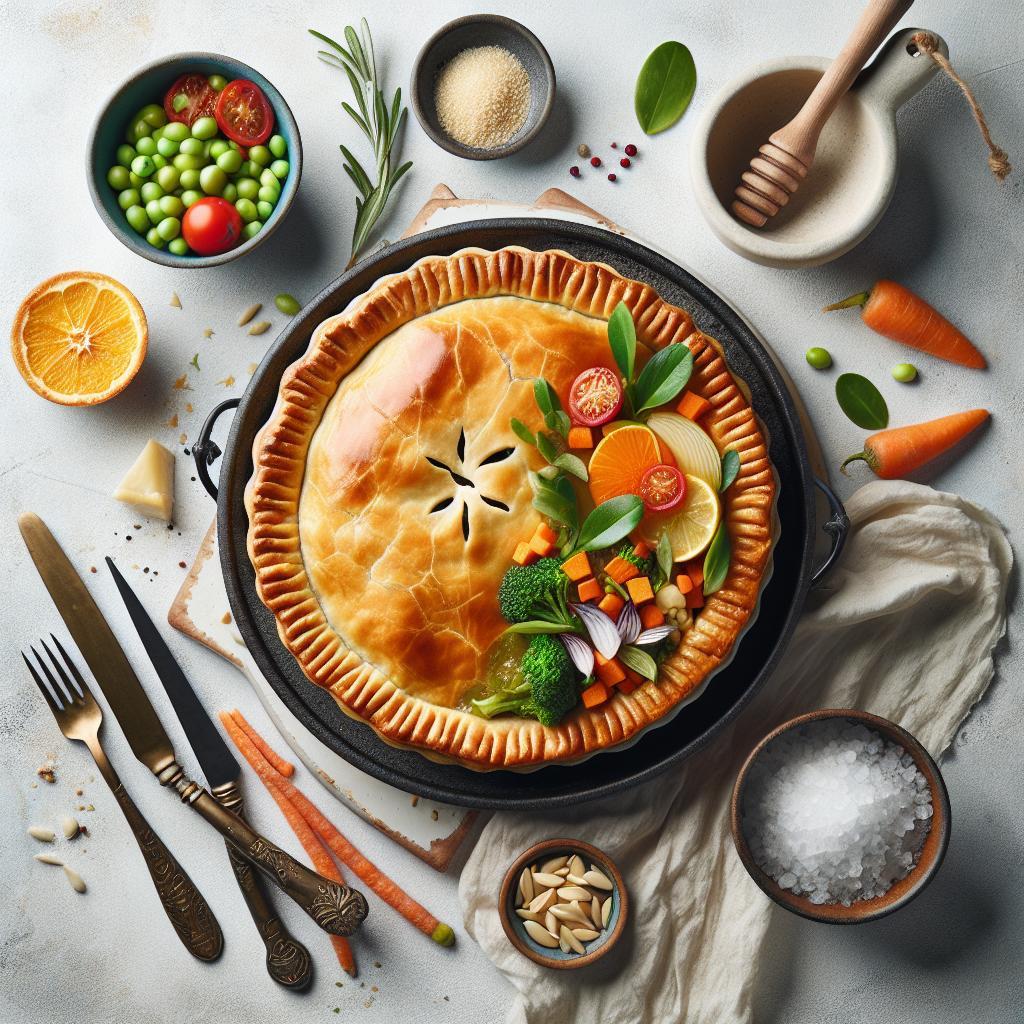
Why Is My Pie Crust Tough? Secrets to Tender Pastry Unveiled - flaky golden pie crust

- Advertisement -

To deepen your understanding on pie crust techniques and gluten’s role, visit King Arthur Baking’s pie crust guide. For more mouthwatering recipes that master dough handling, explore our article on How to Make Flaky Pie Crust Every Time.

Q&A

Q&A: Why Is My Pie Crust Tough? Secrets to Tender Pastry Unveiled

Q1: Why does my pie crust turn out tough instead of flaky and tender?
A1: Tough pie crusts are often the result of overworking the dough. When you handle the dough too much, gluten strands develop excessively, turning your crust from tender to chewy. It’s like turning a soft pillow into a rubbery trampoline-something you definitely don’t want in your pie!

- Advertisement -

Q2: Could the type of fat I use be affecting the texture of my crust?
A2: Absolutely! The fat you choose-whether butter, shortening, or lard-plays a starring role in tenderness. Butter adds amazing flavor but melts quickly, creating flakiness. Shortening and lard, being more solid at room temperature, help create pockets of fat that keep the crust light. Using too much or melting the fat before mixing can make the dough dense and tough.

Q3: Is water temperature really that important when making pie dough?
A3: Yes, it’s essential! Cold water keeps the fat from melting prematurely and slows down gluten formation. Warm or room-temperature water can activate gluten too early, resulting in a tough texture. Think of cold water as the “cool guest” that keeps the mixing party calm and controlled.

Q4: Does chilling the dough really make a difference?
A4: Without a doubt! Chilling relaxes gluten strands and solidifies the fat, meaning your crust will bake more evenly and become delightfully flaky. Skipping this step is like driving a sports car without warming up the engine-possible, but you won’t get the best performance.

Q5: How does flour choice affect crust tenderness?
A5: Flour proteins are the culprits behind gluten formation. High-protein flours (like bread flour) create more gluten, leading to toughness. All-purpose flour is a classic middle ground, but for the tenderest crust, you might even mix in a bit of cake flour, which has less protein, to soften things up.

Q6: Could my rolling technique be causing problems?
A6: Rolling with too much pressure or unevenly can squeeze out fat and encourage gluten development, both of which toughen the crust. Use a light touch, roll from the center outward, and rotate your dough to keep it even and delicate.

Q7: Is baking temperature a factor in crust toughness?
A7: Yes! Baking at too low a temperature can slowly melt the fat, leaving the crust greasy and tough. A hot oven (usually 375-425°F) helps create steam rapidly, puffing up the layers before gluten firms up-resulting in that crisp, tender bite we crave.

Q8: Any secret ingredient or tip for that melt-in-your-mouth crust?
A8: Some bakers swear by adding a teaspoon of vinegar or lemon juice to the dough. The acidity tenderizes gluten, helping your crust stay soft while still holding its shape. Also, don’t forget to let your dough rest-patience is a pie crust’s best friend!


Ready to transform your pie crust from tough to tender? Embrace cold hands, minimal mixing, and a splash of acid-the secrets to perfect pastry are at your fingertips!

Insights and Conclusions

In the delicate dance of dough, every step-from mixing to rolling-holds the secret to a tender, flaky pie crust. Understanding why your crust turns tough is the first bite toward baking brilliance. Armed with these insights, you can transform frustration into flaky success, turning each pie into a masterpiece of buttery bliss. So next time you reach for that rolling pin, remember: patience, precision, and a touch of pastry magic are your best ingredients for a crust that melts, not fights, on your fork. Happy baking!
Why Is My Pie Crust Tough? Secrets to Tender Pastry Unveiled

Unveiling Wild Yeasts: Nature’s Secret Brewers Explained
The Art and Science Behind Perfect Culinary Espumas
Foam Mastery: Crafting Stable Culinary Clouds with Ease
Umami Unveiled: Global Cultures and Glutamate-Rich Flair
Velvety Creamy Garlic Beef: A Savory Feast for Food Lovers
TAGGED:andcrustpiethewhyyour
Share This Article
Facebook Pinterest Whatsapp Whatsapp LinkedIn Telegram Threads
What do you think?
Love0
Sad0
Happy0
Sleepy0
Angry0
Dead0
Wink0
Previous Article Hearty Beef Burritos with Black Beans: A Flavorful Fiesta Hearty Beef Burritos with Black Beans: A Flavorful Fiesta
Next Article Umami Unveiled: The Chemistry Behind Tomatoes & Mushrooms Umami Unveiled: The Chemistry Behind Tomatoes & Mushrooms
Indulge in Creamy Garlic Shrimp Pasta: A Savory Delight
Extra Picks
Mastering Reverse Spherification: Calcium Chloride Spheres Guide
Molecular Gastronomy
Frozen Dreams: What Happens When Ice Cream Skips Churning?
Gadget Testing
Whipping Wonders: Crafting Meringue on a Humid Day
Flavor Tests

Tags

and are art baked beef behind broccoli butter cabbage carrot cauliflower cheese chemistry chicken chickpea chili coconut crafting creamy crisp crispy crust debunking dough dry easy egg exploring fish flavor flavorful food for frozen garlic golden grill guide happens healthy hearty heat how inside keto lemon magic make master mastering meat microwave msg pasta perfect perfectly pie protein rice roasted role safe Salad salmon savor savory science searing secret secrets Soup sous squash steak sugar sweet testing that the tips top turkey ultimate umami unlock unlocking unraveling unveiling vegetable velvety water what when whipping wholesome why wild with your zesty
February 2026
M T W T F S S
 1
2345678
9101112131415
16171819202122
232425262728  
« Jan    

You Might Also Like

Unlocking Flavor: The Role of MSG in French Onion Dip Mix
MSG Myths

Unlocking Flavor: The Role of MSG in French Onion Dip Mix

William J. Kroll
William J. Kroll
November 13, 2025
The Transformation of Dairy Proteins Under Heat: Science Unveiled
Protein Chemistry

The Transformation of Dairy Proteins Under Heat: Science Unveiled

William J. Kroll
William J. Kroll
September 1, 2025
Why Are My Cookies Flat and Greasy? Baking Fixes Explained
Fats & Emulsions

Why Are My Cookies Flat and Greasy? Baking Fixes Explained

William J. Kroll
William J. Kroll
October 2, 2025
The Science Behind Crafting the Perfect Creamy Aioli
Fats & Emulsions

The Science Behind Crafting the Perfect Creamy Aioli

William J. Kroll
William J. Kroll
January 12, 2026
Why Is My Olive Oil Powder Clumpy and Oily? Unpacked!
Molecular Gastronomy

Why Is My Olive Oil Powder Clumpy and Oily? Unpacked!

William J. Kroll
William J. Kroll
October 1, 2025
Zesty Moroccan Carrot Salad: A Vibrant Taste Journey
Extra Picks

Zesty Moroccan Carrot Salad: A Vibrant Taste Journey

William J. Kroll
William J. Kroll
December 25, 2025
Follow US
By Fimaw.com © All Rights Reserved.
  • Advertising Policy
  • Contact Us
  • Cookie Policy
  • Copyright Notice
  • Disclaimer
  • Privacy Policy
  • Terms of Service
Welcome Back!

Sign in to your account

Username or Email Address
Password

Lost your password?