

Unlocking Perfection: Mastering the Art of Sous Vide Eggs
Eggs sit at the center of great cooking: simple, versatile, and precise. Sous vide converts egg cookery into a repeatable, controlled process so you hit the exact texture you intend every time.
- The Science of Temperature Precision and Texture Transformation
- Selecting the Ideal Egg Variety and Freshness
- Prep and Cook Time
- Yield and Difficulty
- Step-by-Step Guide to Achieving Your Preferred Doneness Every Time
- Practical Execution: Tools and Technique
- Creative Flavor Infusions and Serving Suggestions to Elevate Your Sous Vide Eggs
- Chef’s Notes & Tips for Success
- Nutritional Information per 1 Large Sous Vide Egg
- Food Safety and Pasteurization
- FAQ
- What makes sous vide eggs different from boiled eggs?
- What equipment do I need to start?
- How do I adjust for egg size or altitude?
- Are lower-temperature sous vide eggs safe to eat?
- How can I use sous vide eggs in restaurant or home service?
- Closing Remarks
- Precision matters: small temperature shifts change texture significantly.
- Freshness counts: fresher eggs yield firmer whites and brighter yolks.
- Safety is time + temp: correct combinations pasteurize eggs reliably.
- Versatility: sous vide eggs enhance salads, toasts, and fine dining plates.
The Science of Temperature Precision and Texture Transformation
Egg proteins denature and coagulate at distinct temperatures, and sous vide lets you hold water at those exact points. That control produces textures ranging from custardy yolks to tender whites without overcooking either component.
Egg structure and cooking behavior tie directly to protein chemistry; for background on the underlying processes see protein denaturation. Precise control prevents abrupt coagulation and preserves moisture and mouthfeel.
Selecting the Ideal Egg Variety and Freshness
Choose fresh, high-quality eggs for repeatable results. Free-range or organic labels often signal better feed and yolk color, which affects flavor and appearance on the plate.
Egg size affects cook time slightly; recipes assume large eggs. Store eggs refrigerated and bring them to room temperature before immersion to reduce cracking and ensure even heat penetration.
Size, Grading, and Handling
Large eggs are the baseline for most sous vide charts; adjust time by a few minutes for medium or jumbo. Handle shells gently—microscopic cracks let water in and ruin texture.
For culinary background on the ingredient itself, see Egg (food). Use that context when planning plating and nutrition.
Prep and Cook Time
Plan: 5 minutes prep, 45–60 minutes cook, about 1 hour total for most textures. The water bath reaches target quickly with a quality immersion circulator; preheat before adding eggs.
For multiple eggs, keep them in a single layer so the circulator moves heat evenly around each shell. Avoid stacking eggs which creates cold spots and uneven doneness.
Yield and Difficulty
Yield depends on serving size: 4 large eggs will serve 2–4 people as a finishing protein. Recipes scale easily; just maintain single-layer circulation and adjust time minimally for larger counts.
Difficulty: medium. You must manage temperature precisely and respect recommended times. Once you master the basics, results become highly repeatable.
Step-by-Step Guide to Achieving Your Preferred Doneness Every Time
Set your immersion circulator to the target temperature. Place eggs in a mesh basket or directly into the bath and cook undisturbed for the prescribed time to let proteins coagulate uniformly.
After cooking, plunge eggs into an ice bath for one minute to stop carryover cooking and to make handling safer. Crack and serve immediately, or chill in-shell for planned service later.
Temperature Targets and Timing
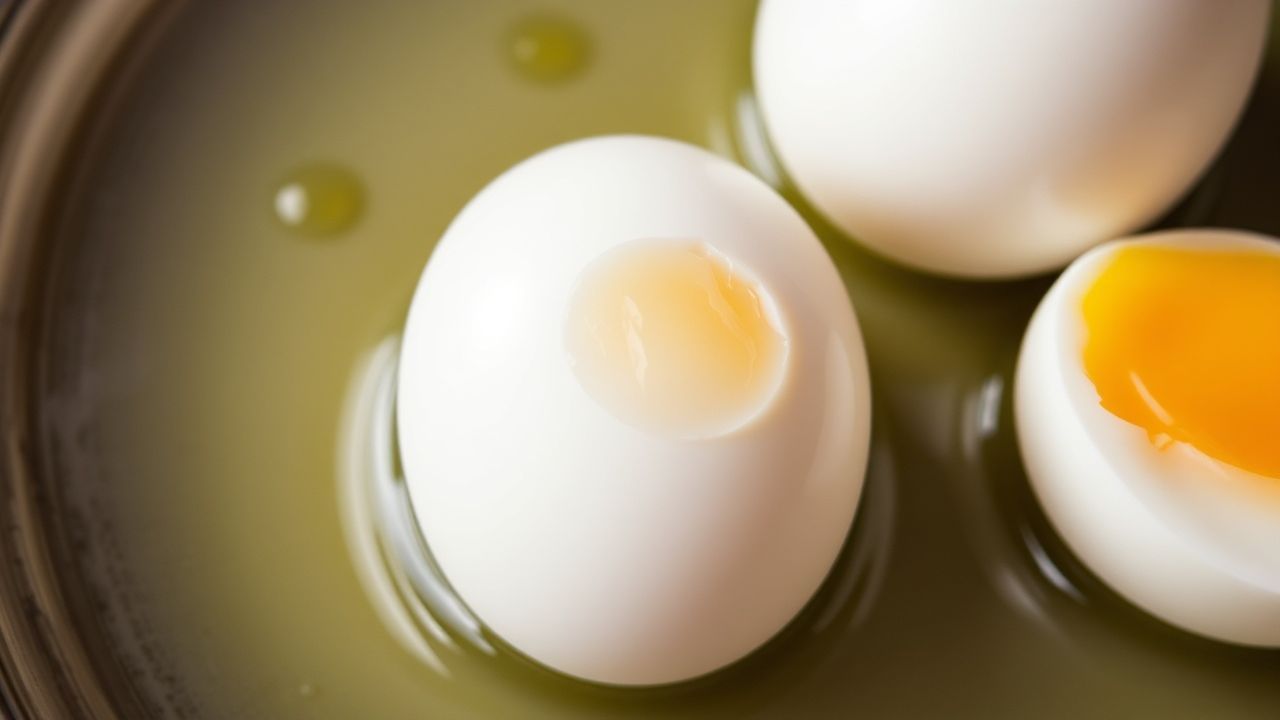
Soft-boiled / Silky whites: 63°C (145°F) for 45 minutes produces custard-like yolks with set yet tender whites. Control here creates a spoonable center that still holds under slight pressure.
Jammy yolk: 65.5°C (150°F) for 45 minutes yields thicker yolks and firmer whites for slicing or plating. For spoonable but more sliceable yolks, push toward 70°C (158°F).
Practical Execution: Tools and Technique
The immersion circulator is essential. Choose a model that maintains ±0.1°C accuracy for consistent results. A sturdy container and a mesh basket simplify placement and retrieval.
Use a calibrated thermometer if you doubt your device; verify target temperature before committing a large batch. For guidance on gear and best practices, see our internal resource ultimate guide to sous vide cooking which covers equipment selection and workflow.
Creative Flavor Infusions and Serving Suggestions to Elevate Your Sous Vide Eggs
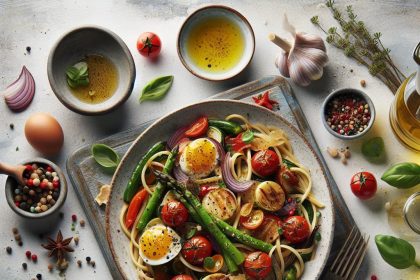
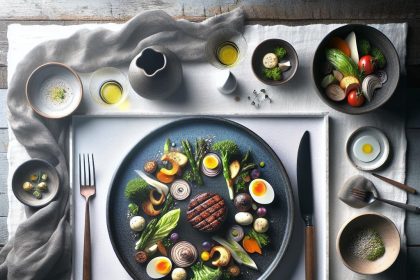
Sous vide eggs accept finishing flavors well. Drizzle truffle oil, scatter smoked salt, or top with fresh herbs to complement the silky yolk without overpowering it.
Use eggs to finish bowls, salads, or toasts. A warm sous vide egg atop a buttered English muffin or creamy avocado toast lifts the dish with texture and richness. For recipe ideas and plating tips, consult our internal recipes collection at sous vide recipes.
Chef’s Notes & Tips for Success
Bring eggs to room temperature before immersion to reduce shell stress and promote even cooking. Always preheat the bath before adding eggs.
Arrange eggs in a single layer for steady circulation and even doneness. When handling, use a mesh basket or slotted spoon to avoid cracking shells.
For make-ahead service, you can refrigerate sous vide eggs in their shells up to 72 hours and rewarm gently in warm water prior to service. Label storage containers with cook temp and time for consistent reuse.
Nutritional Information per 1 Large Sous Vide Egg
Calories and macronutrient values track closely with conventional eggs: about 70 kcal, 6 g protein, 5 g fat. The sous vide method does not change caloric values significantly.
For precise dietary planning, consult nutrition databases and label sources. Sous vide preserves moisture and texture without adding calories unless you add oils or garnishes.
| Calories | Protein | Carbohydrates | Fat |
|---|---|---|---|
| 70 kcal | 6 g | 0.6 g | 5 g |
Food Safety and Pasteurization
Time and temperature combine to reduce microbial risk. Sous vide at recommended combinations will pasteurize eggs by sustained heat exposure rather than high immediate temperatures.
For the science behind heat treatment and safety processes, see Pasteurization. Follow public health guidance when serving immunocompromised guests.
FAQ
What makes sous vide eggs different from boiled eggs?
Sous vide uses stable, gentle heat that targets protein coagulation points precisely. That control yields textures not possible with variable-temperature boiling pots, such as uniformly custard-like yolks.
Boiling relies on high water temperature and time, which often overcooks whites while trying to hit the desired yolk texture. Sous vide separates those outcomes cleanly.
What equipment do I need to start?
At minimum, you need an immersion circulator, a suitable container, and a way to transfer eggs safely. A mesh basket or slotted spoon improves workflow and prevents shell damage.
Invest in a reliable circulator that holds temp within a narrow tolerance. Accurate gear reduces variability and speeds up repeatable success.
How do I adjust for egg size or altitude?
Egg size adjusts thermal mass: medium eggs need slightly less time, while jumbo eggs need a bit more. Use large eggs as your baseline and tweak in 5–10% time increments.
Altitude mainly affects boiling points, not sous vide, because sous vide controls water temperature directly. However, verify device performance if you cook at extreme elevations.
Are lower-temperature sous vide eggs safe to eat?
Yes, when you follow validated time-temperature combinations that achieve pasteurization. Lower temperatures require longer times to reach safety thresholds.
If safety is a concern, err on the higher side of recommended temps or consult local food-safety guidance and published pasteurization tables.
How can I use sous vide eggs in restaurant or home service?
Use sous vide eggs as a finishing element for salads, bowls, toasts, and composed plates. Their predictable texture eases plating and service timing in both home and professional kitchens.
For service, chill in-shell for holding, then rewarm gently before service. Label batches clearly with cook data for consistent results across shifts.
Closing Remarks
Mastering sous vide eggs comes down to precise temperature control, careful handling, and a few trials to match texture to taste. The technique rewards patience with repeatable, elevated results.
Use the steps and safety guidelines here to experiment confidently. Track your times and temps, adjust for your ingredients, and your eggs will reliably reach the texture you intend.
Sous vide and cooking techniques intersect here; with practice you will turn a humble egg into a standout component on any plate.
See also: sous vide eggs