
By using this site, you agree to the Privacy Policy and Terms of Use.
Accept
CookOrBitCookOrBitCookOrBit
  • Home
  • About Us
  • Ingredient Science
    • Flavor & Aroma
    • Protein Chemistry
    • Sugar & Starch
    • Fats & Emulsions
  • Cooking Techniques
    • Searing & Grilling
    • Baking & Roasting
    • Boiling & Steaming
    • Low & Slow
  • Kitchen Experiments
    • DIY Ferments
    • Flavor Tests
    • Gadget Testing
    • Molecular Gastronomy
  • Food Myths
    • Searing Myth
    • 5-Second Rule
    • MSG Myths
    • Microwave Myths
  • Tools
  • More
    • Extra Picks
    • Quick & Easy
      • Breakfast Ideas
      • Desserts
      • Snacks
      • Soups
    • Global Flavors
      • Asian Street Eats
      • Latin Comforts
      • Mexican Flavors
      • Modern Mediterranean
CookOrBitCookOrBit
  • Home
  • About Us
  • Ingredient Science
  • Cooking Techniques
  • Kitchen Experiments
  • Food Myths
  • Tools
  • More
Search
  • Home
  • About Us
  • Ingredient Science
    • Flavor & Aroma
    • Protein Chemistry
    • Sugar & Starch
    • Fats & Emulsions
  • Cooking Techniques
    • Searing & Grilling
    • Baking & Roasting
    • Boiling & Steaming
    • Low & Slow
  • Kitchen Experiments
    • DIY Ferments
    • Flavor Tests
    • Gadget Testing
    • Molecular Gastronomy
  • Food Myths
    • Searing Myth
    • 5-Second Rule
    • MSG Myths
    • Microwave Myths
  • Tools
  • More
    • Extra Picks
    • Quick & Easy
    • Global Flavors
Follow US
  • Advertising Policy: 10 Practical Rules for Safe, Compliant Ads
  • Contact Us
  • Cookie Policy: Clear Guide for Site Owners
  • Copyright Notice Guide: 7 Essential Rules for Website Owners
  • Disclaimer
  • Privacy Policy
  • Terms of Service
By Fimaw.com
Unlock Crispy Perfection: Top Tips for Chicken Skin Mastery
CookOrBit > Blog > Ingredient Science > Fats & Emulsions > Unlock Crispy Perfection: 12 Pro Tips for Chicken Skin Mastery
Fats & Emulsions

Unlock Crispy Perfection: 12 Pro Tips for Chicken Skin Mastery

William J. Kroll
By William J. Kroll
Published: February 10, 2026
Share
SHARE

There is nothing quite like biting into chicken with skin that crackles and yields a deep, savory hit. Achieving that texture relies on precise control of moisture, seasoning, and heat. These steps make crisp skin repeatable across pan-searing, roasting, or air-frying.

Contents
  • Why skin crispness matters
  • Choose the right cut and initial prep
  • Drying and seasoning: the mechanics
  • Heat control and cooking methods
    • Pan-searing specifics
  • Rendering fat and choosing oils
  • Final touches: resting, finishing salt, and serve
  • Pro techniques
    • Chef’s Notes
  • Practical troubleshooting
  • Serving suggestions
  • FAQ
    • How long should I dry chicken skin in the fridge?
    • Can I get crispy skin without oil?
    • Is baking powder safe to use on chicken skin?
    • What internal temperature ensures safety and juiciness?
    • Will brining ruin my chances for crispy skin?
  • Dry skin first: Drying transforms texture and accelerates browning.
  • Use small chemistry: Baking powder or cornstarch helps render fat and raise crispness.
  • Control heat: Start skin-side down; finish at moderate heat to hit 165°F (74°C).
  • Rest and finish: Rest on a rack and finish with flaky salt for texture contrast.

Why skin crispness matters

Texture defines how we perceive a dish. Crisp skin gives a contrast to tender meat, amplifying flavor and mouthfeel in every bite.

Beyond pleasure, crisp skin signals proper fat rendering and browning chemistry, chiefly the Maillard reaction, which generates complex aroma and color during cooking.

- Advertisement -

Choose the right cut and initial prep

Start with bone-in, skin-on pieces for steady cooking and superior texture. Thighs and legs hold moisture and tolerate longer render times than boneless cuts.

Where available, pick well-raised poultry for firmer skin; learn more about the bird itself at chicken. Trim excess fat or loose skin to avoid uneven blistering.

Drying and seasoning: the mechanics

Pat skin thoroughly with paper towels and, when possible, air-dry uncovered in the fridge for at least one hour. Drying reduces surface moisture and speeds fat rendering.

- Advertisement -

Use a light dusting of baking powder or cornstarch blended with salt and spices. The alkaline lift from baking powder helps break proteins at the surface, improving crisp formation.

💡 Expert Insight
Expert Insight: For the crispiest skin, season both under and over the skin and dry the thighs on a wire rack. Salting early draws moisture out; baking powder applied lightly raises the surface pH and aids browning. Refrigerating uncovered overnight produces the most reliable results.

Heat control and cooking methods

Heat strategy depends on your chosen method but follows the same principle: render fat slowly, then increase temperature to finish browning. Start skin-side down in a cold pan and let fat release steadily.

Use a heavy pan like cast iron or a hot oven at 425°F (220°C) to finish. For background on broader techniques, consult cooking overviews.

- Advertisement -

Pan-searing specifics

Preheat the pan until oil shimmers but doesn’t smoke. Press thighs briefly to ensure full skin contact and leave undisturbed to form a uniform crust.

After deep golden color, flip and reduce heat so the interior reaches 165°F (74°C) without burning the skin. An internal thermometer gives consistent safety and quality.

Rendering fat and choosing oils

Render slowly to turn subcutaneous fat into clear liquid. Too-high initial heat seals the surface and keeps fat trapped, yielding chewy skin instead of crispness.

Select a stable cooking medium with a high smoke point. For background on oils, see cooking oil. Clarified butter or neutral oil both work; the pan temperature and time matter most.

Final touches: resting, finishing salt, and serve

After cooking, rest the pieces on a paper towel-lined plate or, better, on a wire rack. Resting allows juices to redistribute while the skin stays crisp.

Finish with flaky sea salt and a bright garnish such as lemon or fresh herbs. The tiny salt crystals add a final crunch and heighten perceived savoriness.

⚠️ Pro-Caution
Pro-Caution: Avoid overcrowding the pan or oven. Crowding traps steam and prevents the surface from drying and browning. Always give pieces space to breathe for the crispest results.

Pro techniques

Small, intentional steps elevate outcomes. Use a light oil spray, remove excess skin pockets, and score tough areas to promote even rendering.

Experiment with spice blends. Smoked paprika and garlic powder pair well with baking powder, but keep the coating thin to avoid insulating the skin from heat.

Chef’s Notes

Variations include using the same method on wings or drumsticks; the technique scales well across cuts. Adjust times: smaller pieces crisp faster, larger pieces need more render time.

Substitutions: if baking powder is unavailable, cornstarch works as a drying aid but gives a slightly different texture. Always test once before scaling for guests.

Practical troubleshooting

If skin remains soft, confirm it actually dried in the fridge and that the pan was hot at contact. Moisture and low heat are the usual culprits for soggy skin.

Watch for excess oil pooling; that indicates incomplete rendering. Increase the initial sear time or briefly finish under a hot broiler to revive a limp surface.

Serving suggestions

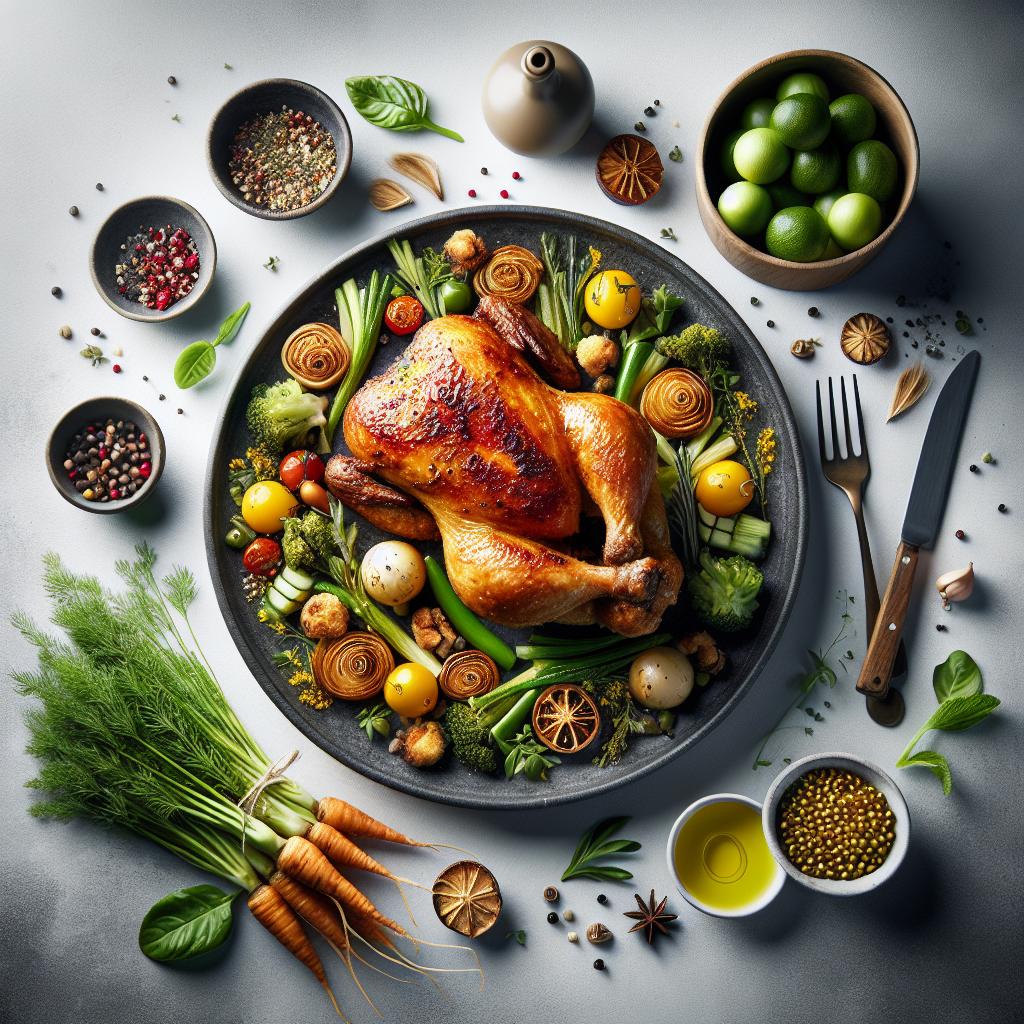
Serve crispy thighs on creamy mashed potatoes, a bright slaw, or roasted vegetables to contrast textures. A drizzle of herb yogurt or chimichurri adds acid to cut the fat.

For more recipe pairings, explore our internal guides: crispy chicken recipe collection and a focused pan-searing technique guide. Those pages include step-by-step photos and timing charts.

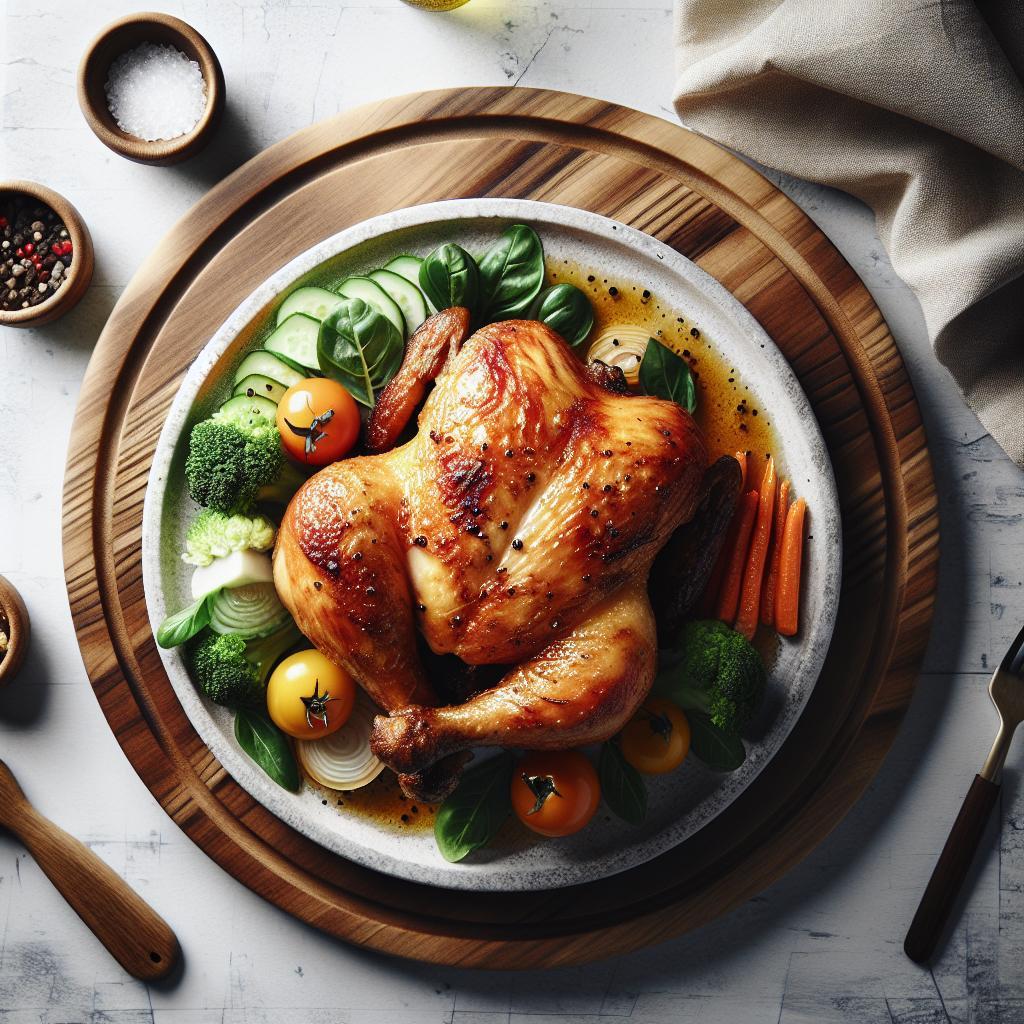
Unlock Crispy Perfection: Top Tips for Chicken Skin Mastery - golden crispy chicken skin thigh on plate

Nutrition per Serving Amount
Calories 320 kcal
Protein 28g
Carbohydrates 1g
Fat 22g

FAQ

How long should I dry chicken skin in the fridge?

Pat dry, then refrigerate uncovered for at least one hour. For best results, dry overnight; longer drying tightens the skin and improves render.

Can I get crispy skin without oil?

Yes. Dry roasting or using an air fryer can crisp skin without added oil, though a light coating improves heat transfer and color. Oil also carries seasonings for more even flavor.

Is baking powder safe to use on chicken skin?

Yes, use aluminum-free baking powder sparingly. It raises surface pH and helps achieve a crisp exterior without changing taste when used correctly.

What internal temperature ensures safety and juiciness?

Cook to 165°F (74°C) in the thickest part. Use an instant-read thermometer to avoid overcooking while ensuring safe, juicy meat.

Will brining ruin my chances for crispy skin?

Brining improves juiciness but adds moisture to the skin. If you brine, dry the skin thoroughly afterward and refrigerate uncovered to restore dryness before cooking.

Follow these tested steps and you will hit consistent, restaurant-level crispness. The process hinges on drying, measured chemistry, and deliberate heat control. Practice yields reliable, crunchy reward.
Unlock Crispy Perfection: Top Tips for Chicken Skin Mastery

See also: chicken skin

7 Scientific Secrets: How Dehydration Intensifies Flavor
7 Essential Pineapple Cake Tips & Classic Upside-Down Recipe
7 Pro Tips for Zesty Roasted Carrot Soup with Ginger
Crisp Science: 7 Precision Steps to Perfect Tempura
7 Bold Steps to Craft Zesty Fermented Mustard with Whey
TAGGED:air fryingandbaking powderchickenchicken skincrispyCrispy chickenMaillard reactionPan searingRoasting chickenthetopunlock
Share This Article
Facebook Pinterest Whatsapp Whatsapp LinkedIn Telegram Threads
What do you think?
Love0
Sad0
Happy0
Sleepy0
Angry0
Dead0
Wink0
Previous Article Caramelization vs Maillard Reaction: Sweet Science Unveiled 7 Expert Techniques to Master Caramelization & Maillard Reaction
Next Article Marinades Unveiled: The Secret to Juicy, Flavorful Kebabs 9 Marinade Secrets for Juicy, Flavorful Kebabs
Creamy Garlic Chicken with melted Parmesan and fresh herbs on a rustic white plate
Garlic Chicken: 7 Ultimate Brilliant Recipes to Make the Best-Ever Creamy Garlic Chicken with Parmesan & Fresh Herbs
Extra Picks
Colorful bowls of Leftover Couscous transformed into salads, fritters, and stuffed peppers.
12 Amazing Practical Leftover Couscous Ideas: Brilliant Ways to Reuse and Remix
Uncategorized
Colorful jars of spice blends beside steaming couscous with herbs and lemon
7 Ultimate spice blends That Transform Your Couscous — Amazing Best Flavor Boosts
Uncategorized
Bowls of gluten-free couscous alternatives: quinoa, millet, cauliflower, and rice
10 Amazing couscous alternatives: Best Gluten-Free Swaps for Incredible Flavor
Uncategorized

Tags

and art baked baking science baking techniques Baking tips batch cooking beef behind browning techniques butternut squash caramelization cast iron skillet chemistry chicken comfort food Cooking science cooking technique Cooking techniques Cooking tips crafting creamy creamy soup crispy culinary science fish flavor flavor chemistry food food safety Food science for garlic golden Ground turkey hearty heat high-heat cooking high protein meals how instant read thermometer Lean protein magic Maillard reaction make ahead meals make ahead soup mastering meal prep Meal prep recipes meat thermometer microwave microwave cooking moisture control one pot meals Pan searing perfect perfectly Plant based protein Probe thermometer protein denaturation Quick dinners roasted roasted squash roasted tomato soup Roasted vegetables Roasting techniques savor savory science Searing technique Searing techniques secrets slow cooking squash steak steak cooking sweet temperature control the top turkey turkey soup turkey stew ultimate umami cooking umami flavor unlock unlocking unveiling vegetable velvety weeknight dinner Weeknight dinners weeknight meals what when why with your zesty
April 2026
M T W T F S S
 12345
6789101112
13141516171819
20212223242526
27282930  
« Mar    

You Might Also Like

- Cracked Egg Shells: Safe to Eat or Hidden Health Risks?
5-Second Rule

5 Critical Facts About Cracked Eggs: Safe to Eat or Hidden Health Risks?

William J. Kroll
William J. Kroll
October 29, 2025
Chickpea Salad Sandwiches: A Creamy, Crunchy Delight
Extra Picks

7 Easy Chickpea Salad Sandwich Recipes: Creamy, Crunchy Lunch Ideas

William J. Kroll
William J. Kroll
January 16, 2026
Deliciously Healthy Cookies: No Sugar, No Flour Needed!
Extra Picks

7 Irresistible Healthy Cookies: No Sugar, No Flour Recipes That Delight

William J. Kroll
William J. Kroll
December 27, 2025
Hearty Beef and Rice Stew: A Comforting Culinary Classic
Extra Picks

7 Pro Tips for Hearty Beef Stew with Rice: Comforting Classic

William J. Kroll
William J. Kroll
January 20, 2026
Hearty Roasted Vegetable Chili: A Flavorful, Nutritious Twist
Extra Picks

Roasted Vegetable Chili: 7 Bold Flavor Techniques

William J. Kroll
William J. Kroll
January 16, 2026
Savory Turkey and Vegetable Stew: A Hearty Healthy Delight
Extra Picks

7 Savory Turkey Stew Tips: Hearty Turkey & Vegetable Stew

William J. Kroll
William J. Kroll
January 29, 2026
Follow US
By Fimaw.com © All Rights Reserved.
  • Advertising Policy: 10 Practical Rules for Safe, Compliant Ads
  • Contact Us
  • Cookie Policy: Clear Guide for Site Owners
  • Copyright Notice Guide: 7 Essential Rules for Website Owners
  • Disclaimer
  • Privacy Policy
  • Terms of Service
Welcome Back!

Sign in to your account

Username or Email Address
Password

Lost your password?