

There is something almost magical about a perfectly cooked corned beef: the tender, melt-in-your-mouth texture and the rich, savory aroma. Beneath that appeal sits reproducible food chemistry that explains why brining, time, and heat transform brisket into a memorable dish.
- What corned beef is and why curing matters
- Brine composition: salt, sugar, and curing agents
- How protein and water interact during brining
- Collagen, gelatin, and texture transformation
- Maillard reaction: finishing for flavor depth
- Practical cooking methods and timing
- Spices, aroma compounds, and their roles
- Chef’s Notes: precise steps for repeatable results
- Serving suggestions and pairings
- Evidence-based troubleshooting
- FAQ
- Brining drives salt and spice molecules into the meat for flavor and moisture retention.
- Collagen-to-gelatin conversion gives corned beef its silky mouthfeel when cooked low and slow.
- Maillard browning adds roasted, nutty notes when you finish with a sear or broil.
- Timing and resting preserve juices and improve sliceability.
What corned beef is and why curing matters
Corned beef is brisket cured in a salt-based brine with spices, then cooked to tenderness. The salt mixture denatures surface proteins and helps spices penetrate deeper for consistent flavor.
During curing, salt and nitrite chemistry alter muscle pigments and microbial risk, which stabilizes color and safety. For basic reference on brine chemistry see brine.
Brine composition: salt, sugar, and curing agents
Use a brine with balanced salt and sugar to control osmotic flow into the meat. Salt draws water and solutes into muscle cells via osmosis, while sugar moderates flavor and browning potential.
Nitrite or pink curing salt prevents growth of harmful bacteria and fixes the distinctive pink hue by reacting with myoglobin. For the pigment chemistry, consult myoglobin.
How protein and water interact during brining
Salt changes protein structure; it partially unfolds myosin and other proteins so they bind more water and retain it during cooking. This altered protein matrix produces a juicier texture compared with an untreated cut.
Turn the brisket periodically while brining to ensure even penetration. Also, soak briefly in fresh water after curing to correct excess salt levels before cooking.
Collagen, gelatin, and texture transformation
Brisket is rich in collagen that toughens raw meat but becomes gelatin when heated gently. Gelatin dissolves into the cooking liquid and coats the tongue, giving that characteristic silky mouthfeel.
Apply a low, steady heat for several hours to convert collagen into gelatin without overcooking muscle fibers. For a deeper explanation of structural proteins, review collagen.
Temperature windows for ideal conversion
Collagen breaks down effectively between about 70–90°C (160–195°F); maintain steady heat in that range to maximize tenderness. If temperature rises too quickly, fibers expel moisture and the texture can become dry or stringy.
Use a probe thermometer and gentle simmering or controlled pressure cooking to hold the meat within the target window. Consistent temperature yields reproducible results.
Maillard reaction: finishing for flavor depth
The Maillard reaction produces dozens of volatile compounds that create roasted, savory, and nutty flavors. This reaction occurs between amino acids and reducing sugars at higher temperatures and gives browned surfaces their complex aroma.
Although corned beef often cooks in moist heat, finish with a brief high-heat sear or under a broiler to activate Maillard chemistry on the surface. Read more about the reaction on the Maillard reaction page: Maillard reaction.
Practical cooking methods and timing
Choose the method that matches your schedule and texture goals. Slow simmering and pressure cooking both break down collagen, but they behave differently in timing and result.
Consult our cooking techniques guide for detailed methods that suit your equipment and time. Also see our recipes index at /recipes/corned-beef for tested timing charts and variations.
Slow simmer versus pressure cooking
Slow simmering at low heat allows gradual collagen dissolution and gentle spice infusion into the meat. This method rewards patience with even texture and controlled moisture retention.
Pressure cooking shortens the time needed for collagen conversion but raises the risk of over-softening if held too long. Use manufacturer timing recommendations and test doneness; err on the side of slightly underdone and allow carryover to finish during natural release.
Spices, aroma compounds, and their roles
Spices contribute volatile oils and small molecules that dissolve into the brine and migrate into the meat. Mustard seed, coriander, and peppercorns each add distinct volatile compounds that build a layered aromatic profile.
Because volatiles are temperature-sensitive, many of their oils release during long, gentle heating rather than a rapid boil. Toast whole spices briefly before adding to the brine to amplify their aromatic compounds.
Chef’s Notes: precise steps for repeatable results
Brine time: 5–7 days for a 4–6 lb brisket gives deep flavor without excessive salt. Turn the meat every 48 hours for uniform cure penetration.
Rinse and soak: After curing, rinse thoroughly and soak 1–2 hours in cold water to remove surface salt. This step prevents an overly salty final dish while preserving the brine’s benefits.
After cooking, rest the corned beef 10–15 minutes before slicing against the grain to preserve juices and improve mouthfeel. Resting allows protein fibers to relax and redistributes gelatin within the cut.
Finish slices with a quick sear in a hot skillet or under a hot broiler for 2–4 minutes to add a caramelized surface. The contrast between tender interior and browned exterior increases perceived richness.
Serving suggestions and pairings
Serve corned beef with simple, bright sides that cut fat and highlight aroma: steamed cabbage, boiled potatoes, or a mustard-forward sauce work well. Acidic or spicy condiments lift the savory profile and add balance.
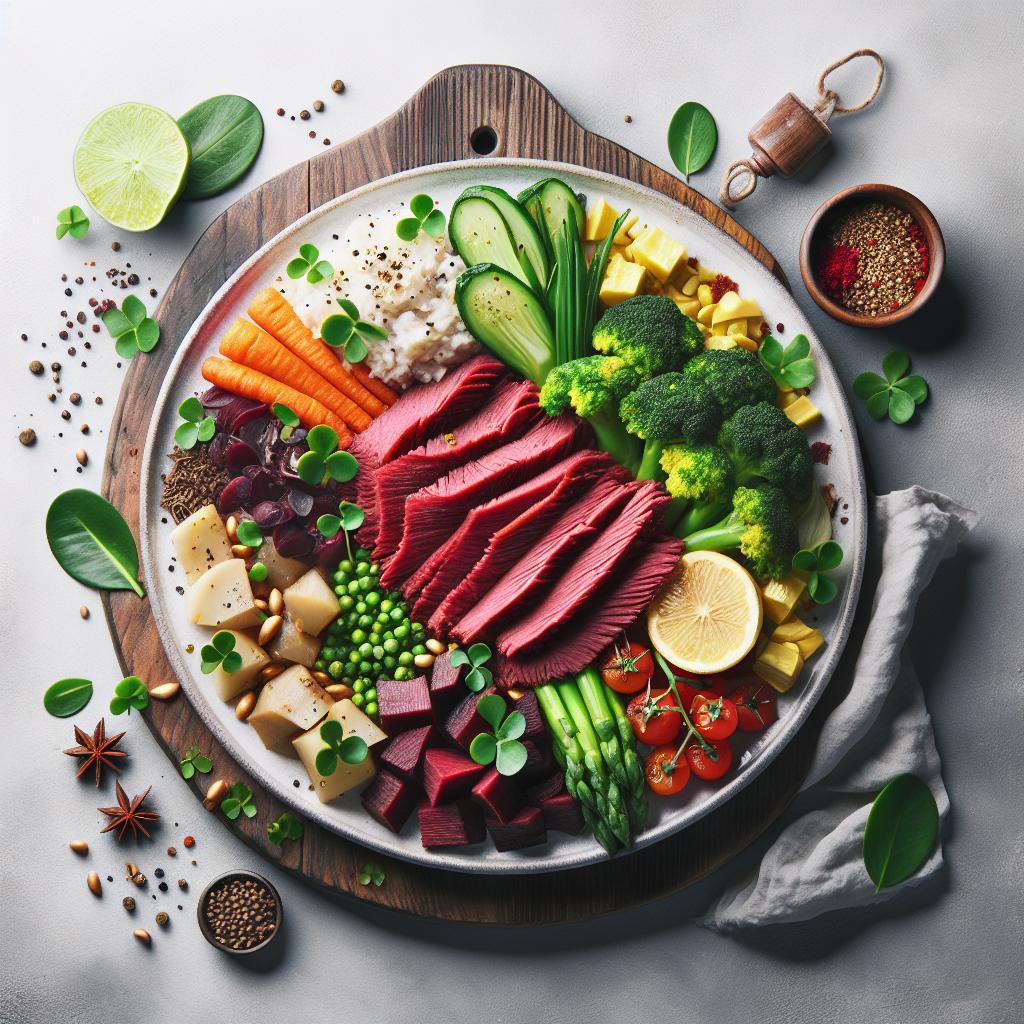
For visual appeal, slice uniformly and arrange on a warm board with herbs. Offer a small bowl of spiced mustard or horseradish on the side for guests to customize heat and tang.

Evidence-based troubleshooting
If your corned beef is dry, check the brine concentration and cooking temperature control. Overly high heat or insufficient brine time both reduce moisture retention.
If texture is gummy, you may have heated too quickly into a high-temperature zone where muscle fibers contract and squeeze out moisture. Slow down the heat ramp and use a thermometer for repeatability.
FAQ
What is the role of nitrite in corned beef?
Nitrite inhibits growth of Clostridium botulinum and stabilizes the pink color by reacting with myoglobin. Use only approved curing salts at label doses to gain safety benefits without exceeding safe intake limits.
How long should I brine a brisket for corned beef?
For a 4–6 lb brisket, 5–7 days achieves deep flavor infusion. Reduce time for smaller cuts and increase for large pieces; monitor salt uptake by sampling during the process.
Can I get Maillard flavor without dry-searing?
Yes. Use a hot oven broil or torch to brown the surface after moist cooking, or sear slices in a very hot pan for a short time. These approaches trigger Maillard reactions without drying the whole cut.
Why is resting the meat important?
Resting permits redistributed juices and allows internal temperature to equilibrate, which yields juicier slices and better texture. Slice after rest and always cut against the grain for tenderness.
Are there safety concerns with home curing?
Yes. Follow tested recipes for nitrite amounts, maintain refrigeration during curing, and discard brines after use. Proper sanitation and measured ingredients minimize risk.
For layered technique advice, see our internal guide to cooking techniques and the recipes index at /recipes/corned-beef. These pages provide timing charts and step-by-step photos to support reliable execution.
Understanding the simple chemistry behind corned beef — salt-driven curing, collagen conversion, and Maillard browning — makes the dish easier to master. Apply these science-backed steps to get tender, flavorful results consistently.
See also: Corned beef