By using this site, you agree to the Privacy Policy and Terms of Use.
Accept
CookOrBitCookOrBitCookOrBit
  • Home
  • About Us
  • Ingredient Science
    • Flavor & Aroma
    • Protein Chemistry
    • Sugar & Starch
    • Fats & Emulsions
  • Cooking Techniques
    • Searing & Grilling
    • Baking & Roasting
    • Boiling & Steaming
    • Low & Slow
  • Kitchen Experiments
    • DIY Ferments
    • Flavor Tests
    • Gadget Testing
    • Molecular Gastronomy
  • Food Myths
    • Searing Myth
    • 5-Second Rule
    • MSG Myths
    • Microwave Myths
  • Tools
  • More
    • Extra Picks
    • Quick & Easy
      • Breakfast Ideas
      • Desserts
      • Snacks
      • Soups
    • Global Flavors
      • Asian Street Eats
      • Latin Comforts
      • Mexican Flavors
      • Modern Mediterranean
CookOrBitCookOrBit
  • Home
  • About Us
  • Ingredient Science
  • Cooking Techniques
  • Kitchen Experiments
  • Food Myths
  • Tools
  • More
Search
  • Home
  • About Us
  • Ingredient Science
    • Flavor & Aroma
    • Protein Chemistry
    • Sugar & Starch
    • Fats & Emulsions
  • Cooking Techniques
    • Searing & Grilling
    • Baking & Roasting
    • Boiling & Steaming
    • Low & Slow
  • Kitchen Experiments
    • DIY Ferments
    • Flavor Tests
    • Gadget Testing
    • Molecular Gastronomy
  • Food Myths
    • Searing Myth
    • 5-Second Rule
    • MSG Myths
    • Microwave Myths
  • Tools
  • More
    • Extra Picks
    • Quick & Easy
    • Global Flavors
Follow US
  • Advertising Policy
  • Contact Us
  • Cookie Policy
  • Copyright Notice
  • Disclaimer
  • Privacy Policy
  • Terms of Service
By Fimaw.com
Unlocking the Chemistry Behind Perfect Canned Dulce de Leche
CookOrBit > Blog > Cooking Techniques > Low & Slow > Unlocking the Chemistry Behind Perfect Canned Dulce de Leche
Low & Slow

Unlocking the Chemistry Behind Perfect Canned Dulce de Leche

William J. Kroll
By William J. Kroll
Published: February 10, 2026
Share
SHARE

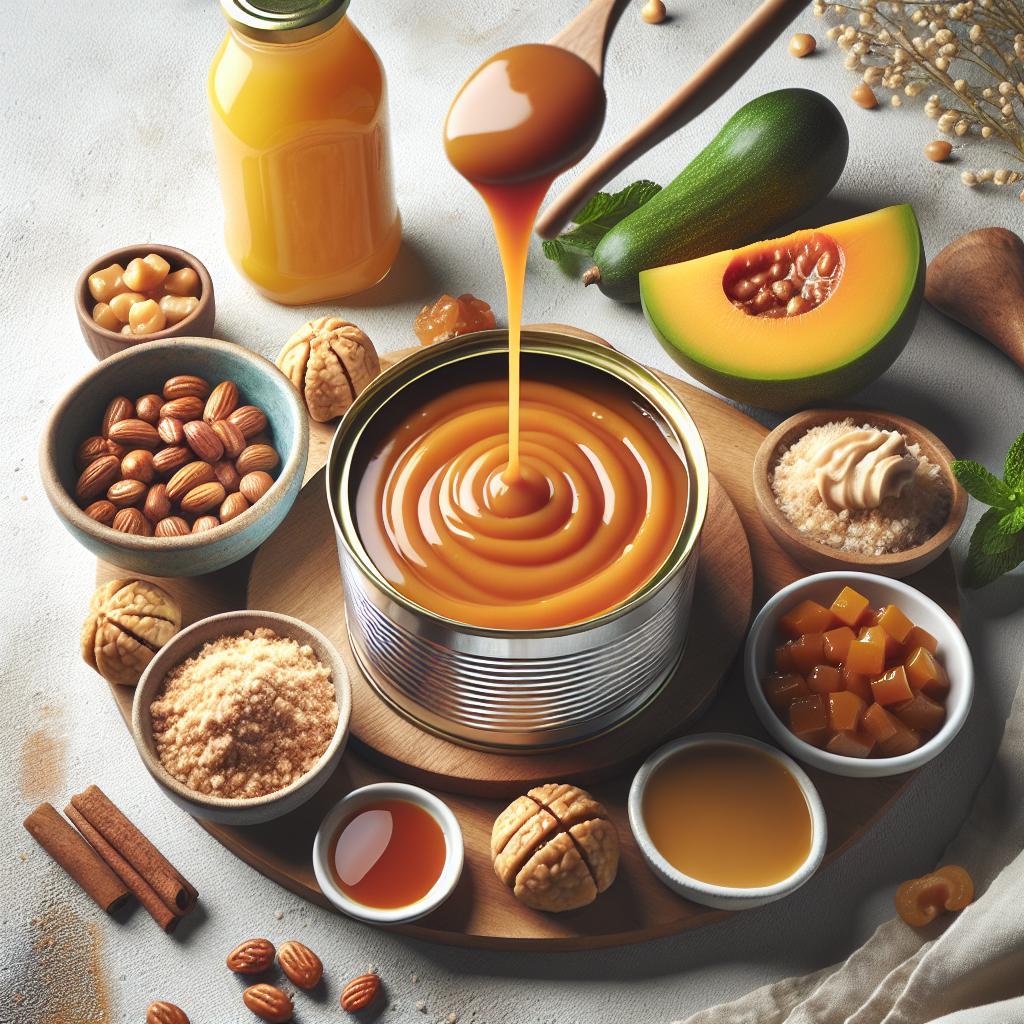
Beneath the glossy, caramel-hued surface of canned dulce de leche lies a world of enchanting chemistry-a delicate dance of sugars, proteins, and heat that transforms simple ingredients into a luscious treasure. Unlocking the secrets behind this velvety spread involves more than just recipes; it’s about understanding the intricate reactions that give dulce de leche its signature flavor, texture, and color. In this article, we dive deep into the science bubbling quietly inside every can, revealing how chemistry crafts perfection in each spoonful of this beloved sweet treat. Whether you’re a curious foodie or a savvy home cook, join us on a journey that turns the kitchen into a chemistry lab, where magic and molecules unite to create the ultimate dulce de leche experience.

Contents
  • Prep and Cook Time
  • Yield
  • Difficulty Level
  • Ingredients
  • Instructions
  • Tips for Success
  • Serving Suggestions
  • Understanding Dulce de Leche: Ingredient Conversions
  • Q&A
  • In Conclusion

Unlocking the Chemistry Behind Perfect Canned Dulce de Leche begins with understanding how the magical process of caramelization transforms simple milk and sugar into a luscious, velvety delight. This golden treasure is not just a confection but a harmonious dance between milk proteins and sugars under precise temperature control. Mastering these elements ensures the ideal texture and consistent flavor that makes dulce de leche truly irresistible.

Prep and Cook Time

Preparation Time: 10 minutes
Cooking Time: 2 to 2.5 hours (slow simmer)

- Advertisement -

Yield

Approximately 2 cups (480 ml) of rich, creamy dulce de leche

Difficulty Level

Medium – requires attentive stirring and temperature management for best results

Ingredients

  • 4 cups whole milk (preferably fresh and full-fat for optimal creaminess)
  • 1 ½ cups granulated white sugar
  • ¼ teaspoon baking soda (balances acidity to enhance caramelization)
  • 1 teaspoon pure vanilla extract (optional, for subtle aromatic notes)
  • Pinch of salt (to brighten and deepen flavors)

Instructions

  1. In a heavy-bottomed saucepan, combine whole milk, sugar, and baking soda. Stir gently to dissolve the sugar before heating.
  2. Place the pot over medium heat, stirring constantly with a wooden spoon to prevent milk solids from settling and burning. The baking soda helps neutralize acidity, allowing the Maillard reaction to proceed beautifully, deepening the caramel flavor and color.
  3. Once the mixture starts to simmer, reduce the heat to low. Maintain a gentle simmer, ensuring the surface occasionally ripples but does not boil vigorously-this temperature control is critical to avoid curdling.
  4. Continue stirring every 5 to 10 minutes, scraping the bottom to prevent scorching. This slow, steady process encourages gradual evaporation and caramelization of milk sugars, which gives dulce de leche its thick, creamy texture.
  5. After about 1 hour, the mixture will begin to thicken and take on a beautiful golden hue. Watch carefully-the color deepens as caramelization progresses. Stir more frequently now to distribute heat evenly.
  6. At around 2 to 2.5 hours, the dulce de leche should coat the back of a spoon with a smooth, spreadable consistency and display a rich, golden-brown tone. Remove from heat and stir in vanilla extract and a pinch of salt for a final flavor boost.
  7. Allow to cool slightly before transferring into sterilized jars. It will thicken more as it cools, achieving that classic dulce de leche softness.

Tips for Success

  • Use a heavy-bottomed saucepan to distribute heat evenly and minimize hot spots that can cause burning or curdling.
  • Consistent temperature control is your secret weapon; avoid boiling and opt for a gentle simmer to balance caramelization without toughening milk proteins.
  • Do not rush the process-patience allows milk sugars to develop a deep, complex flavor and prevents grainy texture.
  • Stirring frequency increases as the mixture thickens; scraping the pot’s base is essential to prevent scorching and maintain smoothness.
  • Experiment with baking soda-too much can create off-flavors, so stick to a pinch or ¼ teaspoon to optimize Maillard reactions without bitterness.
  • Make ahead and refrigerate in airtight containers; flavors mature beautifully over a couple of days and maintain freshness.

Serving Suggestions

Dulce de leche shines with endless possibilities. Spoon a velvety dollop atop vanilla ice cream or use as a luscious spread for warm pancakes or waffles. Swirl into cheesecake batters or drizzle over fresh fruit like sliced bananas and berries. Garnish with a sprinkle of toasted pecans or a few flakes of sea salt to elevate the flavor experience. For elegant desserts, layer it within crepe cakes or use it to fill cupcakes for a sweet surprise.

- Advertisement -

Understanding Dulce de Leche: Ingredient Conversions

Ingredient Metric US Cups
Whole Milk 960 ml 4 cups
Granulated Sugar 300 grams 1 ½ cups
Baking Soda 1.25 ml ¼ teaspoon
Vanilla Extract 5 ml 1 teaspoon

For further exploration of milk chemistry in candy making, visit the Science Daily milk caramelization study. For a complementary homemade caramel recipe, check our Homemade Caramel Sauce Guide to deepen your understanding of sugar chemistry.

Unlocking the Chemistry Behind Perfect Canned Dulce de Leche

Q&A

Q&A: Unlocking the Chemistry Behind Perfect Canned Dulce de Leche

- Advertisement -

Q1: What exactly is dulce de leche, and why is it so beloved?
A1: Dulce de leche is a rich, caramel-like spread made by slowly heating sweetened milk until it thickens and takes on a golden hue. Its luscious texture and deep, sweet flavor have made it a staple in Latin American desserts and a global favorite indulgence.

Q2: Why does the chemistry of canned dulce de leche matter?
A2: The magic of canned dulce de leche isn’t just in the taste-it’s in the precise chemical dance that occurs during its creation. Understanding this chemistry ensures consistent texture, flavor, and safety, turning humble ingredients into a silky treasure straight from the can.

Q3: What chemical reactions create the signature color and flavor of dulce de leche?
A3: The star of the show is the Maillard reaction, a complex interaction between milk proteins and sugars under heat. This reaction develops that irresistible caramel color and layers of flavor-from sweet and creamy to subtly nutty and toasty.

Q4: How does the canning process affect these chemical transformations?
A4: Canning involves heating sealed jars or cans to sterilize and cook the dulce de leche inside. This closed environment maintains moisture and pressure, promoting even heat distribution and preventing scorching. The controlled heat ensures the Maillard reaction proceeds just enough to perfect the flavor and texture without burning.

Q5: What role do milk proteins and sugars play in texture?
A5: Milk proteins like casein and whey unfold and interact with sugars during heating, forming a delicate network that thickens the mixture. This interaction gives dulce de leche its characteristic smooth, spreadable consistency-neither too runny nor too stiff.

Q6: Can the chemistry explain why homemade dulce de leche sometimes turns out grainy or watery?
A6: Absolutely. Variations in heating time, temperature, and ingredient ratios can disrupt the Maillard reaction or protein-sugar bonding. Overheating can cause sugars to crystallize, leading to graininess; insufficient cooking can result in a watery, underdeveloped texture.

Q7: Are there any additives in canned dulce de leche that influence its chemistry?
A7: Some commercial versions include stabilizers or preservatives to extend shelf life and maintain texture. These additives can affect the way proteins and sugars interact, but traditional, pure dulce de leche relies solely on milk and sugar-and the power of heat.

Q8: How can understanding this chemistry help home cooks perfect their dulce de leche?
A8: With a grasp of the underlying chemistry, home cooks can better control cooking temperature and timing, avoid burning or crystallization, and appreciate the importance of patience. Slow, steady heating is key to allowing those beautiful chemical reactions to unfold perfectly.

Q9: Is canned dulce de leche chemically different from freshly made versions?
A9: The basics remain the same, but canned dulce de leche often undergoes a more controlled, uniform heating process inside the sealed container. This can result in a more consistent texture and flavor, thanks to the stable environment that minimizes evaporation and contamination.

Q10: What’s the takeaway for dulce de leche lovers and makers?
A10: Every luscious spoonful of dulce de leche is a symphony of chemistry-milk proteins, sugars, heat, and time collaborating to create pure delight. Understanding this science deepens our appreciation and guides us in making or choosing the perfect canned dulce de leche every time.

In Conclusion

As we close the lid on this sweet exploration, it’s clear that the magic of perfect canned dulce de leche lies not just in rich caramel notes but in the precise dance of chemistry inside each can. From the Maillard reaction weaving sugars and proteins into golden bliss, to the controlled heat coaxing out that velvety texture, every element plays its part in crafting this luscious treat. So next time you crack open a can, remember-you’re not just indulging in a dessert; you’re savoring a carefully orchestrated science that turns simple ingredients into liquid gold. Unlocking these culinary secrets not only deepens our appreciation but opens the door to endless experimentation in your own kitchen chemistry lab. Sweet success is truly just a reaction away.
Unlocking the Chemistry Behind Perfect Canned Dulce de Leche

Tangy Traditions: How to Make Authentic Salvadoran Curtido
Free vs. Bound Glutamate: Unlocking Flavor Science Secrets
Savor the Flavor: Wholesome Chicken & Veggie Pasta Delight
Sizzling Beef and Broccoli Stir Fry: A Savory Delight Guide
Roasted Vegetable Chili: A Hearty Twist on Classic Comfort
TAGGED:andchemistrydulcetheunlocking
Share This Article
Facebook Pinterest Whatsapp Whatsapp LinkedIn Telegram Threads
What do you think?
Love0
Sad0
Happy0
Sleepy0
Angry0
Dead0
Wink0
Previous Article Twist and Shout: Mastering the Art of Perfect Pretzels Twist and Shout: Mastering the Art of Perfect Pretzels
Next Article Crafting Classic Sourdough English Muffins: A Step-by-Step Guide Crafting Classic Sourdough English Muffins: A Step-by-Step Guide
Indulge in Creamy Garlic Shrimp Pasta: A Savory Delight
Extra Picks
Mastering Reverse Spherification: Calcium Chloride Spheres Guide
Molecular Gastronomy
Frozen Dreams: What Happens When Ice Cream Skips Churning?
Gadget Testing
Whipping Wonders: Crafting Meringue on a Humid Day
Flavor Tests

Tags

and are art baked beef behind broccoli butter cabbage carrot cauliflower cheese chemistry chicken chickpea chili coconut crafting creamy crisp crispy crust debunking dough dry easy egg exploring fish flavor flavorful food for frozen garlic golden grill guide happens healthy hearty heat how inside keto lemon magic make master mastering meat microwave msg pasta perfect perfectly pie protein rice roasted role safe Salad salmon savor savory science searing secret secrets Soup sous squash steak sugar sweet testing that the tips top turkey ultimate umami unlock unlocking unraveling unveiling vegetable velvety water what when whipping wholesome why wild with your zesty
February 2026
M T W T F S S
 1
2345678
9101112131415
16171819202122
232425262728  
« Jan    

You Might Also Like

Creamy Coconut Bliss: Crafting Your Own Homemade Coyo
DIY Ferments

Creamy Coconut Bliss: Crafting Your Own Homemade Coyo

William J. Kroll
William J. Kroll
November 7, 2025
Silky Smooth: Mastering Creamy Avocado Pasta Sauce Delight
Extra Picks

Silky Smooth: Mastering Creamy Avocado Pasta Sauce Delight

William J. Kroll
William J. Kroll
February 4, 2026
Layers of Flavor: The Ultimate Roasted Vegetable Lasagna Guide
Extra Picks

Layers of Flavor: The Ultimate Roasted Vegetable Lasagna Guide

William J. Kroll
William J. Kroll
February 10, 2026
Velvety Broccoli and Cheese Soup: A Comforting Classic
Extra Picks

Velvety Broccoli and Cheese Soup: A Comforting Classic

William J. Kroll
William J. Kroll
January 23, 2026
Unlocking the Secrets of the Gentle Water Bath (Bain-Marie)
Baking & Roasting

Unlocking the Secrets of the Gentle Water Bath (Bain-Marie)

William J. Kroll
William J. Kroll
November 4, 2025
Irresistible Pesto Pinwheels: Master the Art of Flavor Twist
Extra Picks

Irresistible Pesto Pinwheels: Master the Art of Flavor Twist

William J. Kroll
William J. Kroll
December 27, 2025
Follow US
By Fimaw.com © All Rights Reserved.
  • Advertising Policy
  • Contact Us
  • Cookie Policy
  • Copyright Notice
  • Disclaimer
  • Privacy Policy
  • Terms of Service
Welcome Back!

Sign in to your account

Username or Email Address
Password

Lost your password?