
By using this site, you agree to the Privacy Policy and Terms of Use.
Accept
CookOrBitCookOrBitCookOrBit
  • Home
  • About Us
  • Ingredient Science
    • Flavor & Aroma
    • Protein Chemistry
    • Sugar & Starch
    • Fats & Emulsions
  • Cooking Techniques
    • Searing & Grilling
    • Baking & Roasting
    • Boiling & Steaming
    • Low & Slow
  • Kitchen Experiments
    • DIY Ferments
    • Flavor Tests
    • Gadget Testing
    • Molecular Gastronomy
  • Food Myths
    • Searing Myth
    • 5-Second Rule
    • MSG Myths
    • Microwave Myths
  • Tools
  • More
    • Extra Picks
    • Quick & Easy
      • Breakfast Ideas
      • Desserts
      • Snacks
      • Soups
    • Global Flavors
      • Asian Street Eats
      • Latin Comforts
      • Mexican Flavors
      • Modern Mediterranean
CookOrBitCookOrBit
  • Home
  • About Us
  • Ingredient Science
  • Cooking Techniques
  • Kitchen Experiments
  • Food Myths
  • Tools
  • More
Search
  • Home
  • About Us
  • Ingredient Science
    • Flavor & Aroma
    • Protein Chemistry
    • Sugar & Starch
    • Fats & Emulsions
  • Cooking Techniques
    • Searing & Grilling
    • Baking & Roasting
    • Boiling & Steaming
    • Low & Slow
  • Kitchen Experiments
    • DIY Ferments
    • Flavor Tests
    • Gadget Testing
    • Molecular Gastronomy
  • Food Myths
    • Searing Myth
    • 5-Second Rule
    • MSG Myths
    • Microwave Myths
  • Tools
  • More
    • Extra Picks
    • Quick & Easy
    • Global Flavors
Follow US
  • Advertising Policy: 10 Practical Rules for Safe, Compliant Ads
  • Contact Us
  • Cookie Policy: Clear Guide for Site Owners
  • Copyright Notice Guide: 7 Essential Rules for Website Owners
  • Disclaimer
  • Privacy Policy
  • Terms of Service
By Fimaw.com
- Creamy Coconut Bliss: Crafting Your Own Homemade Coyo
CookOrBit > Blog > Kitchen Experiments > DIY Ferments > 5-Step Creamy Coconut Bliss: Mastering Homemade Coyo
DIY Ferments

5-Step Creamy Coconut Bliss: Mastering Homemade Coyo

William J. Kroll
By William J. Kroll
Published: November 7, 2025
Share
SHARE

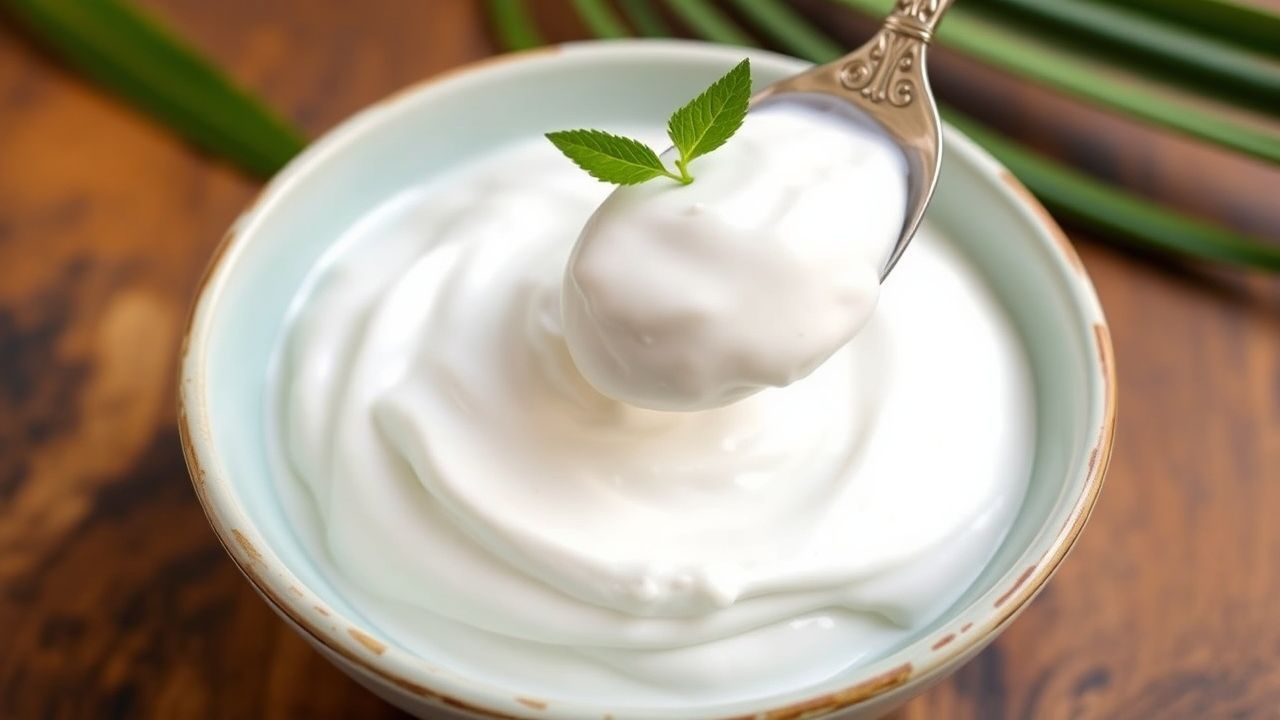
Creamy Coconut Bliss: Crafting Your Own Homemade Coyo begins with simple, high-fat coconut milk and a reliable starter culture. Follow clear temperature control and timing to convert milk into thick, probiotic-rich coconut yogurt that holds up in bowls and smoothies.

Contents
  • Understanding the science and benefits of Coyo
  • Selecting ingredients for authentic flavor
  • Recipe overview: time, yield, and difficulty
  • Ingredients
  • Step-by-step process to reach creamy texture
    • Prepare and mix
    • Incubation and checking progress
  • Finishing, thickening options, and chilling
  • Storage, flavoring, and practical tips
  • Common problems and safety notes
  • Serving suggestions and recipe uses
  • Nutrition snapshot
  • FAQ
    • What is Coyo and how does it differ from dairy yogurt?
    • How do I get my Coyo thick like commercial brands?
    • Can I reuse starter from one batch to the next?
    • Is homemade Coyo safe for people with dairy allergies?
    • How long do the probiotics stay active in stored Coyo?
  • Make thick coyo using full-fat coconut milk and steady low heat.
  • Use live cultures to ensure active probiotics and consistent fermentation.
  • Store smart to keep texture and maximize shelf life.

Understanding the science and benefits of Coyo

Coyo is fermented coconut milk that develops acidity and texture through controlled microbial activity. Fermentation converts sugars into lactic acid, which thickens the milk and adds tang while supporting gut microbes.

These effects rely on live cultures commonly described under probiotics. For background on the chemical process, see the fermentation overview.

- Advertisement -

Selecting ingredients for authentic flavor

Start with high-quality, full-fat coconut milk made from fresh coconut or reputable canned brands. The fat content determines mouthfeel and how the final coyo sets; higher fat creates a silkier, creamier product.

Choose a starter with documented live strains. You may also reference general coconut characteristics on the coconut page to understand flavor variance between young and mature nuts. For plant-based yogurt context, check our guide to plant-based yogurt for compatible starters and troubleshooting tips.

Recipe overview: time, yield, and difficulty

Preparation time: 15 minutes active work. Fermentation: 24–36 hours depending on ambient temperature.

- Advertisement -

Yield: About 2 cups, enough for four small servings. Difficulty: Easy to moderate; precision with temperature improves success rates. For equipment suggestions and incubation strategies, consult fermentation basics.

Ingredients

List the essentials clearly so you can prepare efficiently. Keep ingredients measured and at room temperature before mixing.

  • 2 cups full-fat coconut milk (homemade or canned)
  • 1 teaspoon probiotic powder or 1 tablespoon live kefir grains
  • 1 teaspoon organic maple syrup or honey (optional to boost fermentation)
  • 1/4 teaspoon vanilla extract (optional)

Step-by-step process to reach creamy texture

Sanitation and gentle handling matter. Use clean glass jars and utensils to avoid contaminants that can outcompete your starter culture.

- Advertisement -

Maintain steady incubation conditions. Keep the mixture in the 70–80°F (21–27°C) window for predictable results; warmer speeds tang development but can thin texture if too warm.

Prepare and mix

Whisk the coconut milk until smooth. Add the probiotic starter and the small amount of sweetener, stirring gently to distribute cultures without introducing too much air.

Avoid vigorous shaking; air can cause separation. If using kefir grains, place them directly into the milk and cover with a breathable lid for incubation.

Incubation and checking progress

Cover jars loosely with a breathable cloth or a lid set ajar to allow gases to escape. Place jars in a warm spot or use a yogurt maker to hold the temperature steady.

Check after 24 hours. A pleasantly tangy aroma and slight thickening indicate progress. For thicker results, extend to 36–48 hours; longer time increases acidity and firmness.

Finishing, thickening options, and chilling

After fermentation, gently stir to even out texture. For a firmer set, refrigerate at least 6 hours; cold temperatures help fats solidify and create the familiar yogurt mouthfeel.

If your coyo remains loose, strain it through cheesecloth for several hours or add a small natural thickener like tapioca starch dissolved and cooked before adding to milk. Always add thickeners before fermentation when the method calls for it.

Storage, flavoring, and practical tips

Refrigerate coyo in airtight containers for up to seven days. Freeze small portions for smoothies or frozen treats to extend shelf life beyond a week without sacrificing probiotic benefit.

Flavor after fermentation to avoid killing cultures. Fold in purees, vanilla, or spices right before serving to keep cultures alive and flavors bright. See our related plant-based yogurt guide for pairing ideas.

💡 Expert Insight
Expert Insight: Use a thermometer for incubation. A 1–2°F deviation affects culture activity noticeably. Consistent temperature yields reproducible tang and texture.

Experiment with starters. Different probiotic strains produce diverse flavor and texture profiles; keep notes on brands and times to refine your personal recipe.

Common problems and safety notes

If your coyo smells rotten, shows mold, or develops an off color, discard it immediately. Safe fermentation results in a clean tang and no fuzzy colonies.

Do not heat coyo after fermentation above 115°F (46°C), as higher temperatures will inactivate most probiotic strains. For more technical background on safe fermentation methods, review the fermentation resource.

⚠️ Pro-Caution
Pro-Caution: Use only starters labeled for food use and keep all surfaces sanitized. Avoid cross-contamination from raw ingredients and utensils.

Serving suggestions and recipe uses

Serve coyo with sliced tropical fruits, toasted coconut, or granola for texture contrast. Its rich mouthfeel pairs well with acidic fruits like passionfruit or pineapple.

Use coyo as a dairy-free substitute in dressings, desserts, or baking where a creamy element is needed. It holds up well in chilled applications but avoid high-heat baking to preserve live cultures.

Nutrition snapshot

Typical homemade coyo is high in saturated fats from coconut, low in protein unless fortified, and provides beneficial live cultures depending on starter efficacy. See the yogurt page for comparative nutrient context.

Adjust portion sizes for calorie control and add protein-rich toppings like nuts or seeds to balance macronutrients in meals.

FAQ

What is Coyo and how does it differ from dairy yogurt?

Coyo is coconut-based yogurt made by fermenting coconut milk with live cultures. It lacks dairy proteins and behaves differently in texture and heat sensitivity compared with dairy yogurt.

How do I get my Coyo thick like commercial brands?

Use full-fat coconut milk, extend fermentation time moderately, and chill thoroughly. For commercial-style firmness, strain or use a natural thickener before fermenting.

Can I reuse starter from one batch to the next?

You can save a portion of fermented coyo as a starter for the next batch, but expect gradual changes in flavor over successive generations. Refresh with a purchased starter periodically for consistency.

Is homemade Coyo safe for people with dairy allergies?

Yes, when made in a dairy-free environment and with dairy-free starter cultures. Verify that your starter source contains no dairy-derived carriers or additives.

How long do the probiotics stay active in stored Coyo?

Probiotic viability declines over time but remains useful for several days when refrigerated. Consume within 5–7 days for best activity and follow storage guidance above.


Start your batch with quality ingredients and careful temperature control. Keep notes on variables and refine until your coyo matches your preferred tang and texture.

See also: Coyo
7 Expert Secrets for Hearty Beef Soup
7 Essential Steps to Hearty Turkey Stew — Mushroom Comfort Classic
8 Savory Turkey Meatloaf Muffins: Protein-Packed Comfort for Meal Prep
Salt Fermentation Mastery: 7 Rules to Perfectly Balance Your Ferments
7 Pro Tips for Creamy Garlic Beef Perfection
TAGGED:andcoconutCoconut milk recipesCoconut yogurtcraftingcreamyDairy-free yogurtFermentation guideHomemade coyoPlant-based yogurtProbiotic yogurtthe
Share This Article
Facebook Pinterest Whatsapp Whatsapp LinkedIn Telegram Threads
What do you think?
Love0
Sad0
Happy0
Sleepy0
Angry0
Dead0
Wink0
Previous Article - The Science Behind Crafting Perfect Slow-Cooked White Bean S 7 Science-Backed Steps to Perfect Slow-Cooked White Bean Soup
Next Article - Crafting Culinary Gold: Experiment Your Way to Perfect Recip Crafting Culinary Gold: 7 Proven Recipe Experiments to Perfect Dishes
Creamy Garlic Chicken with melted Parmesan and fresh herbs on a rustic white plate
Garlic Chicken: 7 Ultimate Brilliant Recipes to Make the Best-Ever Creamy Garlic Chicken with Parmesan & Fresh Herbs
Extra Picks
Colorful bowls of Leftover Couscous transformed into salads, fritters, and stuffed peppers.
12 Amazing Practical Leftover Couscous Ideas: Brilliant Ways to Reuse and Remix
Uncategorized
Colorful jars of spice blends beside steaming couscous with herbs and lemon
7 Ultimate spice blends That Transform Your Couscous — Amazing Best Flavor Boosts
Uncategorized
Bowls of gluten-free couscous alternatives: quinoa, millet, cauliflower, and rice
10 Amazing couscous alternatives: Best Gluten-Free Swaps for Incredible Flavor
Uncategorized

Tags

and art baked baking science baking techniques Baking tips batch cooking beef behind browning techniques butternut squash caramelization cast iron skillet chemistry chicken comfort food Cooking science cooking technique Cooking techniques Cooking tips crafting creamy creamy soup crispy culinary science fish flavor flavor chemistry food food safety Food science for garlic golden Ground turkey hearty heat high-heat cooking high protein meals how instant read thermometer Lean protein magic Maillard reaction make ahead meals make ahead soup mastering meal prep Meal prep recipes meat thermometer microwave microwave cooking moisture control one pot meals Pan searing perfect perfectly Plant based protein Probe thermometer protein denaturation Quick dinners roasted roasted squash roasted tomato soup Roasted vegetables Roasting techniques savor savory science Searing technique Searing techniques secrets slow cooking squash steak steak cooking sweet temperature control the top turkey turkey soup turkey stew ultimate umami cooking umami flavor unlock unlocking unveiling vegetable velvety weeknight dinner Weeknight dinners weeknight meals what when why with your zesty
April 2026
M T W T F S S
 12345
6789101112
13141516171819
20212223242526
27282930  
« Mar    

You Might Also Like

Refreshing Strawberry Spinach Salad with Crunchy Walnuts
Extra Picks

7-Ingredient Refreshing Strawberry Salad with Crunchy Walnuts

William J. Kroll
William J. Kroll
December 29, 2025
Sizzling Beef and Broccoli Stir Fry: A Savory Delight Guide
Extra Picks

7 Pro Techniques for Beef Stir-Fry

William J. Kroll
William J. Kroll
January 30, 2026
Cookie Scoops Unwrapped: Scoop, Shape, and Bake Perfect Treats
Gadget Testing

7 Pro Tips: Cookie Scoops Unwrapped for Perfect Cookies

William J. Kroll
William J. Kroll
January 17, 2026
- Perfectly Crisp: Secrets to Avoid a Soggy Pie Crust Bottom
Sugar & Starch

Perfectly Crisp: 9 Expert Secrets to Avoid a Soggy Pie Crust Bottom

William J. Kroll
William J. Kroll
September 30, 2025
- Unlocking Flavor: The Chemistry Behind Perfect Roasted Tomat
Baking & Roasting

Unlocking Flavor: 7 Science-Backed Secrets for Perfect Roasted Tomatoes

William J. Kroll
William J. Kroll
November 10, 2025
- Paprika's Color Magic: How It Shapes Crust's Golden Hue
Searing & Grilling

Paprika’s Color Magic: 7 Pro Tips to Achieve Golden Crusts

William J. Kroll
William J. Kroll
November 13, 2025
Follow US
By Fimaw.com © All Rights Reserved.
  • Advertising Policy: 10 Practical Rules for Safe, Compliant Ads
  • Contact Us
  • Cookie Policy: Clear Guide for Site Owners
  • Copyright Notice Guide: 7 Essential Rules for Website Owners
  • Disclaimer
  • Privacy Policy
  • Terms of Service
Welcome Back!

Sign in to your account

Username or Email Address
Password

Lost your password?