
Flavor-Packed Roasted Veggie Quinoa Salad — Overview
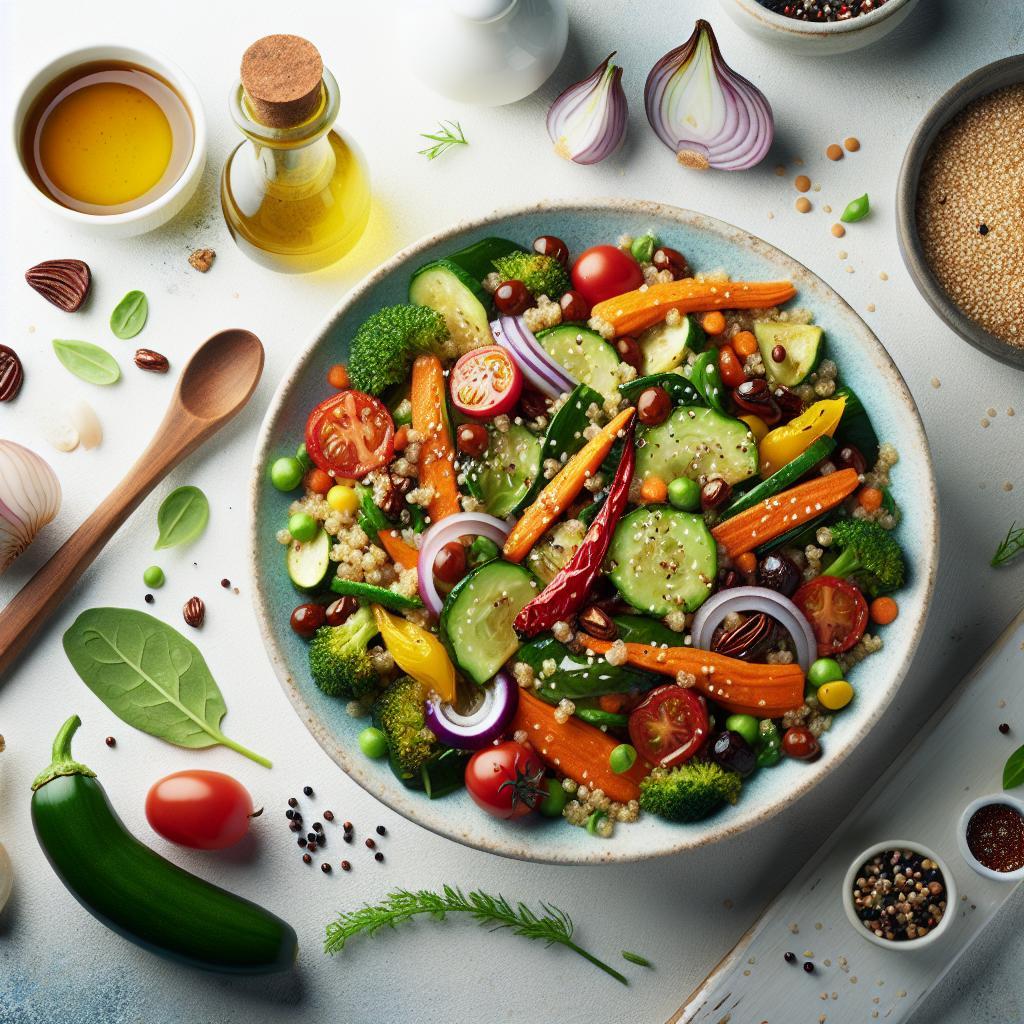
This roasted veggie quinoa salad combines nutty quinoa with caramelized vegetables for a balanced, satisfying bowl. It highlights texture contrast and bright dressing to deliver layered flavor in every bite.
- Flavor-Packed Roasted Veggie Quinoa Salad — Overview
- Ingredients That Elevate the Salad
- Prep, Cook Time, and Yield
- Step-by-Step Instructions
- Tips for Success
- Pro-Cautions for Food Safety and Texture
- Serving Suggestions
- Nutritional Information (Per Serving)
- Common Variations and Add-Ins
- FAQ
- Can I make this salad ahead of time?
- How do I keep quinoa fluffy and separate?
- Which vegetables roast best for this recipe?
- Is this salad suitable for special diets?
- How should I store leftovers and how long do they keep?
- Final Notes
- High-protein, plant-forward meal that stores well for meal prep.
- Roasting unlocks sweetness and builds savory depth without added salt.
- Easy swaps let you adapt the salad to seasonal produce or dietary needs.
This recipe uses straightforward techniques that yield consistent results even for cooks new to grains and roasting. Read on for precise timings, expert tips, and serving ideas to maximize flavor and texture.
Ingredients That Elevate the Salad
Use quality staples: well-rinsed quinoa and ripe, firm vegetables for best texture. Proper seasoning and a simple tahini-lemon dressing boost mouthfeel and balance the roasted notes.
Key ingredients: organic quinoa, bell pepper, zucchini, yellow squash, red onion, cherry tomatoes, Brussels sprouts, extra-virgin olive oil, smoked paprika, ground cumin, salt, pepper, fresh parsley, toasted pumpkin seeds, tahini, lemon, and a touch of honey or maple syrup.
For background on quinoa’s nutritional profile and cultivation, see quinoa. To understand the science behind browning and flavor development, refer to Maillard reaction.
Prep, Cook Time, and Yield
Preparation: 15 minutes. Roasting: 20–25 minutes. Quinoa cooking: 15 minutes. Total active time is under an hour when tasks run concurrently.
Yield: Serves 4–6 as a main or 6–8 as a side. Scale quinoa and vegetables proportionally for larger batches and store components separately for best texture retention.
Equipment and pantry notes
Use a medium saucepan with a tight-fitting lid for quinoa and a rimmed baking sheet for roasting. Parchment or a light film of oil prevents sticking and promotes even browning.
Keep toasted seeds and herbs separate until serving to preserve crunch and color. A microplane grater speeds dressing emulsification and releases more aromatic garlic flavor.
Step-by-Step Instructions
Follow the sequence below for reliable results: cook the quinoa first, then roast vegetables while the grain rests. Combining warm roasted veg with just-fluffed quinoa helps integrate flavors.
Work in batches if your sheet pan is small; overcrowding causes steaming rather than roasting. Remember to flip vegetables halfway for even caramelization.
1. Cook the quinoa
Rinse 1 cup quinoa thoroughly under cold water to remove saponins, which can taste bitter. Simmer in 2 cups vegetable broth or salted water for about 15 minutes, then let rest covered for 5 minutes before fluffing.
Fluff with a fork to separate the grains and retain a light, airy texture that will absorb dressing without turning mushy. For background on proper rinsing and processing, see quinoa.
2. Roast the vegetables
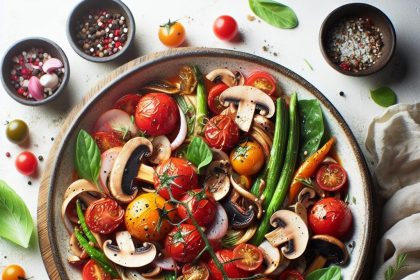
Preheat oven to 425°F (220°C). Toss bell pepper, yellow squash, zucchini, red onion, cherry tomatoes, and halved Brussels sprouts with 2 tablespoons olive oil, smoked paprika, cumin, salt, and pepper. Spread in a single layer on a baking sheet.
Roast 20–25 minutes, turning once, until edges brown and veggies yield to a fork. High heat encourages caramelization and concentrates natural sugars without added sweeteners.
3. Make the dressing
Whisk 3 tablespoons lemon juice with 2 tablespoons tahini, 1 tablespoon honey or maple syrup, and a minced garlic clove. Thin gradually with 1–2 tablespoons water until the dressing reaches a silky, pourable consistency.
Tahini brings creaminess and a toasted sesame note that complements roasted vegetables. For context on tahini and its culinary uses, consult tahini.
4. Combine and finish
Fold warm roasted vegetables gently into the fluffed quinoa. Pour the dressing in stages and toss lightly to ensure an even coat without breaking the vegetables.
Finish with chopped parsley and toasted pumpkin seeds for brightness and crunch. Adjust seasoning with salt and freshly ground pepper to taste.
Tips for Success
Temperature control: Use a hot oven for roasting; this maximizes browning and flavor concentration. Keep the quinoa covered during resting to ensure full hydration of the grains.
Texture management: Store dressing separately if you plan to refrigerate the salad to prevent sogginess. Add seeds and fresh herbs just before serving for peak texture and aroma.
Swap-ins are simple: roasted sweet potato, eggplant, or broccoli all work well. Match roasting times by size and density to ensure even doneness across the tray.
Pro-Cautions for Food Safety and Texture
Handle cooked quinoa and roasted vegetables promptly. Cool leftovers quickly and refrigerate within two hours to stay within safe food-handling windows.
Serving Suggestions
Serve warm as a main or chilled as a side. Pair with warm flatbread, hummus, or a protein of choice for a complete plate. Add a lemon wedge at the table for extra brightness.
Garnish options include crumbled cheese for non-vegan diners, fresh herbs like parsley, cilantro, or basil, and a final drizzle of high-quality olive oil. For recipe ideas that complement this salad, explore our internal guides Hearty Grain Salad Ideas and Quinoa Salad Variations.
Nutritional Information (Per Serving)
This salad provides a balance of complex carbohydrates, plant protein, fiber, and healthy fats. Estimated nutrition per serving: ~320 kcal, 9 g protein, 45 g carbs, 10 g fat.
Quinoa supplies all nine essential amino acids in modest amounts, while vegetables contribute vitamins, minerals, and phytonutrients. For a high-level overview of roasting as a culinary method, see roasting.
Common Variations and Add-Ins
Add toasted nuts like almonds or walnuts for extra crunch and omega-3s. Swap tahini for plain yogurt in the dressing if you prefer a tangier, dairy-based option.
Introduce roasted chickpeas or grilled halloumi for added protein and textural interest. Seasonal herbs will change the flavor profile; basil elevates summer versions, while parsley and mint suit spring or fall preparations.
FAQ
Can I make this salad ahead of time?
Yes. Roast the vegetables and cook the quinoa up to 48 hours in advance and store each in airtight containers. Combine with dressing shortly before serving to preserve texture.
How do I keep quinoa fluffy and separate?
Rinse quinoa well, use a 2:1 liquid-to-quinoa ratio, bring to a simmer, then reduce heat and cover. After cooking, rest covered for 5 minutes and fluff with a fork to separate grains.
Which vegetables roast best for this recipe?
Firm, low-moisture vegetables like bell peppers, zucchini, squash, red onion, and Brussels sprouts roast evenly. Denser vegetables like sweet potato need slightly longer and may require larger pieces to match cook times.
Is this salad suitable for special diets?
Yes. The base recipe is naturally gluten-free and vegan when you choose maple syrup over honey. Adjust toppings like cheese or yogurt if you need a dairy-free or vegan version.
How should I store leftovers and how long do they keep?
Store salad components separately in airtight containers. Roasted vegetables and quinoa last 3–4 days refrigerated. Add fresh herbs and seeds just before serving to restore brightness and crunch.
For further reading on ingredient origins and nutritional context, consult the Wikipedia pages on bell pepper and tahini. These resources provide reliable background on key components used in this recipe.
Final Notes
This roasted veggie quinoa salad prioritizes technique: proper rinsing, high-heat roasting, and a balanced dressing deliver consistent, flavorful results. Use the recipe as a template for seasonal adaptations and flavor experiments.
Save variations and notes after your first batch to refine roasting times and dressing ratios based on your oven and produce. The method scales well and rewards simple adjustments with big flavor returns.
See also: quinoa salad