
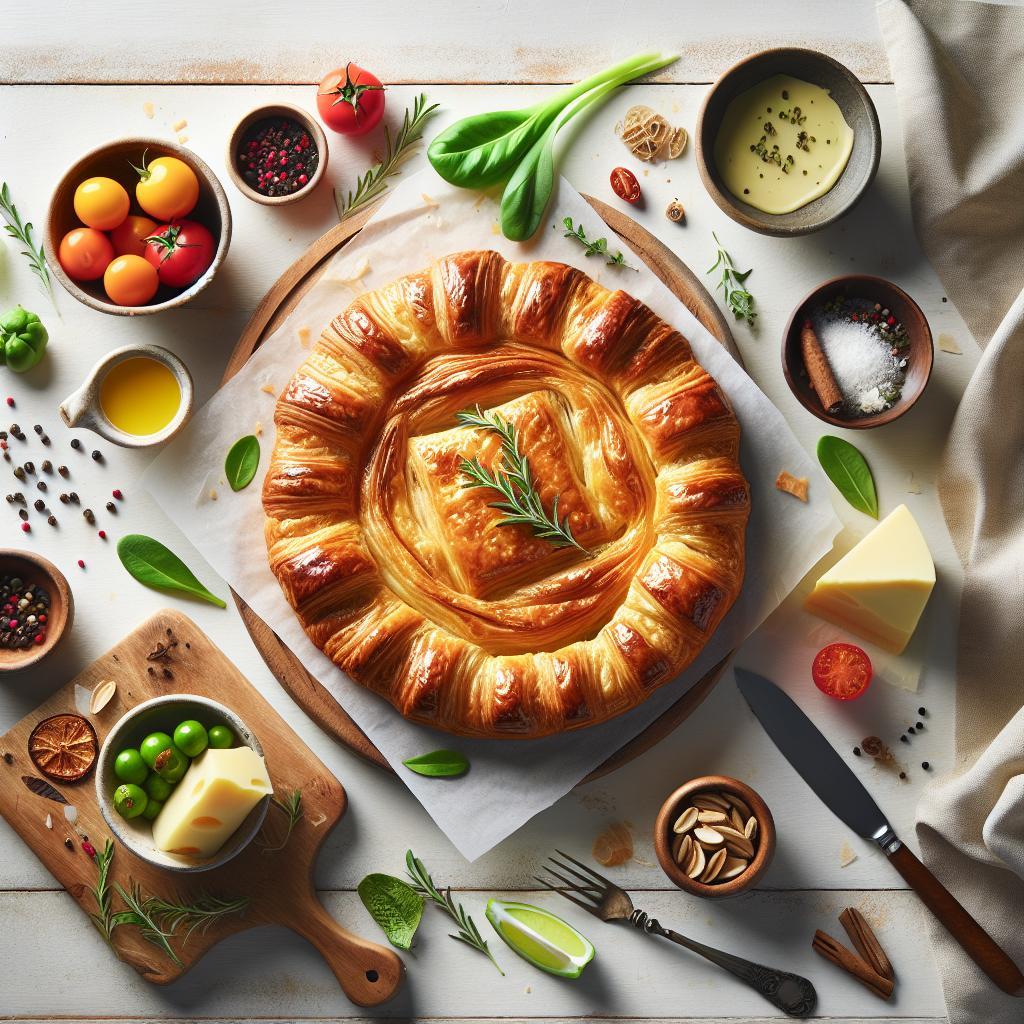

There’s an almost magical allure to puff pastry — the way golden layers rise, crisp and delicate, creating a symphony of flake and crunch in every bite. Behind that elegance sits a set of repeatable techniques you can learn and control to get reliable, bakery-level results at home.
- Understanding the Science Behind Flakiness
- Selecting the Ideal Ingredients for Ultimate Puff Pastry
- Equipment and Workspace Essentials
- Step-by-Step Techniques for Rolling and Folding
- Troubleshooting Common Puff Pastry Pitfalls
- Recipe: Basic Puff Pastry — Ingredients and Timing
- Practical Baking Tips for a Golden Finish
- Storage, Freezing and Reuse
- Advanced Variations and Flavoring
- Links and Further Reading
- Serving Suggestions
- At-Home Practice Plan
- FAQ
- Cold and timing rule: Keep butter and dough cold; rest between folds.
- Lamination matters: Proper folds create hundreds of liftable layers.
- Handle gently: Minimal handling avoids gluten overdevelopment.
- Bake hot and steady: A preheated surface improves oven spring.
Understanding the Science Behind Flakiness
Puff pastry rises because of layered dough and fat. When butter remains solid through shaping and then releases steam in the oven, it separates the sheets of dough and creates lift.
These physical changes involve water evaporation and dough elasticity. For background on laminated pastry structure, see puff pastry.
Selecting the Ideal Ingredients for Ultimate Puff Pastry
Choose an all-purpose flour with moderate protein to balance strength and tenderness. Avoid very high-protein bread flours that produce tough layers and prefer cold, sifted flour for even hydration.
Butter is the functional hero: use unsalted, high-fat butter for flavor and a clean melting profile. For details on butter composition and why it matters, consult butter.
Equipment and Workspace Essentials
Use a heavy rolling pin and a cool, flat surface to control pressure. A bench scraper and straight-edge ruler help keep rectangles even and repeatable.
Keep tools cool. Chill your mixing bowl and rolling pin if ambient kitchen heat is high. These small steps preserve firm butter layers and avoid premature melting.
Step-by-Step Techniques for Rolling and Folding
Start with a shaggy dough made from flour, salt, and ice-cold water. Mix just until the dough holds; overworking develops gluten and makes the pastry tough.
Prepare a butter block that matches the dough thickness so you encase it evenly. For fundamentals on dough behavior and structure, see dough.
Envelope Method and Letter Folds
Roll the dough into a rectangle larger than the butter block, then place the chilled butter in the center and fold dough edges to fully enclose it. Seal edges without squeezing out butter.
Perform a series of folds: roll to a long rectangle, fold in thirds like a letter, then rotate and repeat. Each fold multiplies the number of layers exponentially; aim for 4–6 turns.
Chilling Strategy
Chill the dough after each fold for at least 30 minutes. Resting relaxes gluten and firms the butter, which makes the next roll less likely to tear or leak.
If butter softens while working, return the dough to the refrigerator immediately. Cold but pliable butter produces the best steam pockets during baking.
Troubleshooting Common Puff Pastry Pitfalls
If your pastry is dense or greasy, the butter likely melted into the dough before baking. That usually signals too much warmth during laminating or insufficient chilling.
If layers do not separate, consider whether you overworked the dough or used inconsistent rolling pressure. Aim for even thickness — roughly 6 mm (1/4 inch) — at final roll-out for reliable lift.
When you see butter streaks or leaks, patch immediately: fold the dough over the leak, chill, and continue. Small repairs preserve structure without compromising the final bake.
Recipe: Basic Puff Pastry — Ingredients and Timing
This recipe yields enough dough for about twelve medium pastries or a 9-inch tart base. Keep ingredients measured and chilled for consistent results.
Ingredients: 2 1/2 cups all-purpose flour (chilled), 1 tsp fine sea salt, 1 cup (227 g) unsalted high-fat butter, 3/4 cup ice-cold water, 1 tsp lemon juice or vinegar (optional).
Prep and Folding Timeline
Mix and rest dough: 30 minutes. Shape butter block: 10–15 minutes. Four to six folds including chilling: 1–2 hours total depending on chill cycles. Bake at 400°F (200°C) for 15–20 minutes.
Expect total time around 2–3 hours with active work staggered by refrigeration. Accurate timing and pauses improve the laminated structure.
Practical Baking Tips for a Golden Finish
Bake on a preheated baking sheet or stone to give the pastry an immediate burst of bottom heat. That initial shock improves lift and crispness.
Brush with an egg wash for shine and deep color. Resist opening the oven door while baking to avoid thermal shocks that collapse layers.
Allow the pastry to cool briefly on a rack. Cutting while too hot can cause layers to collapse, while cutting too cold reduces the crisp contrast.
Storage, Freezing and Reuse
Wrap unused dough tightly and freeze for up to one month. Thaw slowly in the refrigerator before final shaping to preserve lamination.
Stack trimmed scraps to freeze for quick turnovers later. These trimmings rework well if kept cold and handled gently.
Advanced Variations and Flavoring
Infuse butter with citrus zest, finely minced herbs, or spices before laminating to layer in aroma. Work sparingly so added moisture does not interfere with butter performance.
For sweet applications, a light sugar dusting between turns can caramelize on bake for added crunch. Test small batches to dial in flavor without compromising lift.
Links and Further Reading
For culinary context on layered pastry types and global pastry traditions, see pastry. For technical background on gluten behavior, see gluten.
Explore recipes and technique tutorials on our site: Classic French Pastries guide and a step-by-step lamination primer at Lamination Basics.
Serving Suggestions
Serve savory puffs with a crisp salad and herb vinaigrette for contrast. Sweet puffs pair well with fresh berries and a light glaze for balance.
Garnish thoughtfully: small herb sprigs accent savory pastries while edible flowers elevate dessert presentation.

At-Home Practice Plan
Allocate two weekends to practice: one batch focusing on technique; the second experimenting with flavor variations. Track variables such as fold count, chill times, and bake surface to refine outcomes.
Keep notes on room temperature and butter firmness. Consistency between attempts reveals which adjustments yield the best rise and crispness.
FAQ
How many folds are ideal for standard puff pastry?
Four to six book folds produce a good balance of layers and manageable work time. More folds increase layers but demand colder conditions and greater care.
Can I substitute margarine or shortenings for butter?
Substitutes change flavor and melting behavior. Some high-fat block margarines can work, but results often differ from butter in taste and crispness.
Why did my pastry blow out at the seams?
Blowouts indicate weak seals or trapped air pockets. Patch seams, chill fully before rolling again, and press edges carefully when enclosing the butter block.
Is there a reliable shortcut for beginners?
Use pre-rolled puff pastry for quick projects while you develop lamination skills. Then practice the envelope method on small batches to gain confidence.
How do I maintain flaky results in humid kitchens?
Work quickly, chill tools and ingredients, and reduce surface flour to avoid adding moisture. Use refrigeration between steps and consider shorter rest intervals with firmer butter.
See also: Puff Pastry