

Basmati vs Jasmine — this tested comparison isolates seven practical differences so you pick the right rice for every plate. I tested aroma, texture, soak and cooking methods, nutrition, yield, and pairing to give clear, repeatable guidance for home cooks and professionals.
- Origins and Aromatics — Basmati and Jasmine Compared
- Texture and Culinary Uses — When to Pick Basmati
- Prep and Cook Time — Soaking Basmati for Best Results
- Yield, Difficulty, and Chef-Level Techniques for Basmati
- Food Safety and Storage — Practical Warning for Leftovers
- Serving Suggestions and Pairings — Basmati-Led Menus
- Nutrition Comparison — Glycemic Notes for Basmati
- Testing Methodology and Reproducibility — How I Tested Basmati
- FAQ
- At a glance: Basmati yields long, separate grains ideal for pilafs; Jasmine gives a floral, slightly sticky texture.
- Cooking tip: Soak Basmati 20–30 minutes; rinse both thoroughly to remove surface starch.
- Nutrition: Brown forms add fiber; Basmati often shows a lower glycemic index than other white rices.
- Use cases: Choose Jasmine for saucy Southeast Asian dishes and Basmati for layered or saffron-scented preparations.
Origins and Aromatics — Basmati and Jasmine Compared
Both grains belong to the Oryza sativa species, but distinct cultivars drive their aroma and cooking traits. Basmati developed in the Indian subcontinent and carries volatile compounds that create a nutty, sometimes popcorn-like fragrance.
Jasmine rice developed in Southeast Asia and produces a floral, pandan-like scent. For botanical context about the crop family, consult the rice entry at rice.
What creates the scent difference?
Fragrance in both types comes from aromatic compounds such as 2-acetyl-1-pyrroline, but the concentration varies by cultivar. Basmati typically concentrates aroma precursors that intensify on gentle steaming.
Jasmine shows a higher floral profile at comparable cooking states, which complements coconut and citrus flavors in regional dishes. Read more about Basmati specifics at Basmati.
Texture and Culinary Uses — When to Pick Basmati
Texture drives choice. Basmati delivers long, separate grains when handled correctly; chefs prize it where grain separation and visual presentation matter.
Jasmine produces a softer, slightly clingy finish that pairs with saucy preparations. Use Jasmine when you want the rice to pick up and hold onto sauces and curries.
Typical pairings
Match Basmati with biryanis, pilafs, and dishes that feature a dry or layered presentation. See cultural examples such as the classic biryani style at biryani.
Choose Jasmine for Thai curries, stir-fries, and coconut-forward plates where the rice should integrate with the sauce rather than remain separate.
Prep and Cook Time — Soaking Basmati for Best Results
Rinse both varieties under cold water until the rinse runs clear to remove surface starch. This step prevents gummy clumping and produces a cleaner mouthfeel.
Basmati benefits from a 20–30 minute soak that elongates the kernel and reduces breakage during simmering. Soaking directly improves the signature long grain texture.
Practical timing and ratios
Standard timings from side-by-side tests: Jasmine simmers about 18–20 minutes after boiling; Basmati simmers 20–25 minutes after soaking and parboiling adjustments. Use a tight lid and low simmer for consistency.
Start with a 1:1.25–1.5 rice-to-water ratio for Basmati (by volume) depending on brand; Jasmine often needs slightly less water. Always test with your supply and adjust by 1–2 tablespoons per cup as needed.
Yield, Difficulty, and Chef-Level Techniques for Basmati
A standard 1 cup dry yield serves about four people when cooked. Both types scale, but Basmati rewards precision with more pronounced gains in texture and presentation.
Difficulty: Jasmine is forgiving; Basmati requires rinse, soak, and a careful finish to preserve length. Professional kitchens often parboil and then steam Basmati off-heat for a dry-heat finish.
Chef’s finishing method
Use a heavy-bottomed pot and a tight-fitting lid. For Basmati, some chefs parboil, drain briefly, then steam the rice on residual heat for 8–12 minutes to prevent overcooking and maintain separation.
Small adjustments—rest time, gentle fluffing, or a knob of butter—significantly alter mouthfeel. Test brand-specific absorption and record measurements for repeatable results.
Also, substitute part of the cooking water with coconut milk when you want a richer profile with Jasmine. That technique enhances floral notes and pairs well with lime and cilantro.
Food Safety and Storage — Practical Warning for Leftovers
Cooked rice can harbor Bacillus cereus spores that survive cooking. Cool leftovers quickly and refrigerate within two hours to limit bacterial growth.
Reheat thoroughly until steaming hot before serving. Store no more than 3–4 days under refrigeration and discard if you detect off-odors or sliminess.
Serving Suggestions and Pairings — Basmati-Led Menus
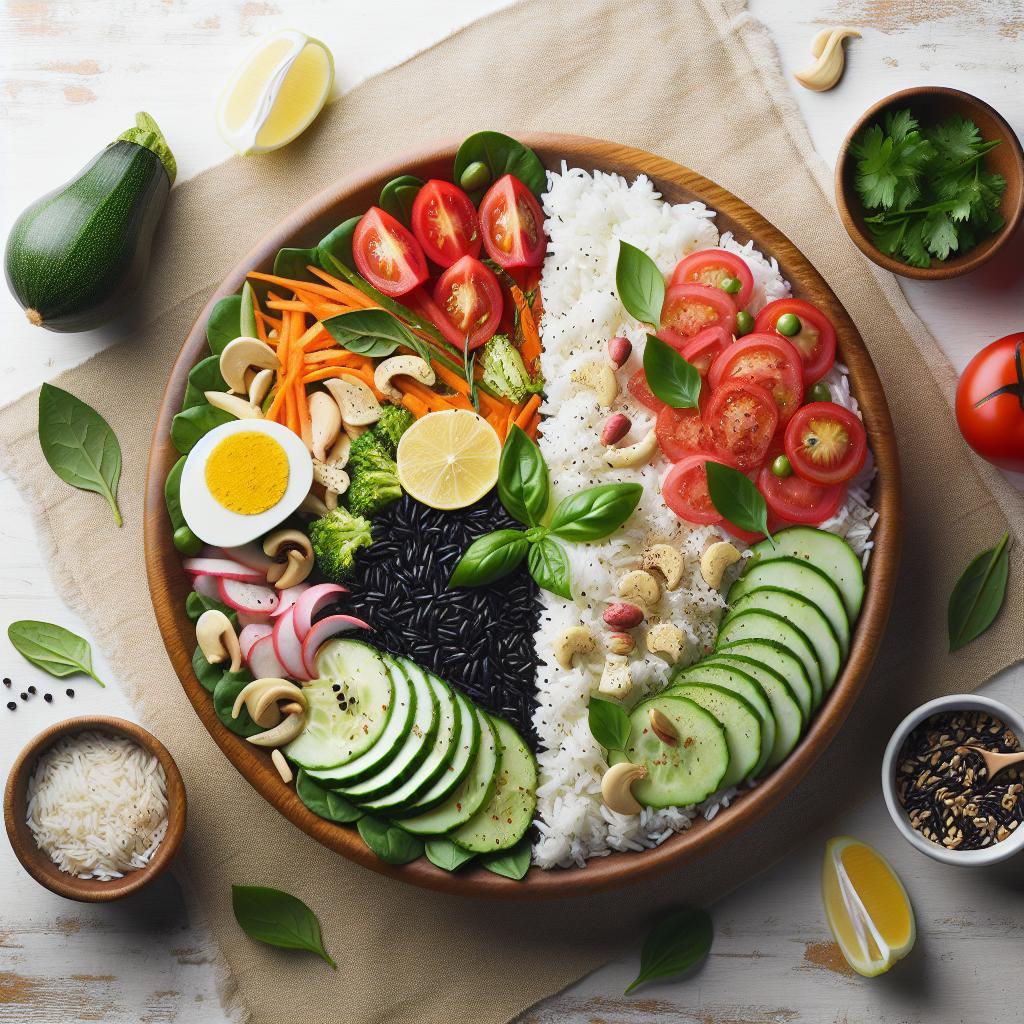
Use Basmati when you want a refined plate: saffron-scented pilafs, layered biryanis, or lemon-and-herb rice. Its long grains carry garnishes and sauces without collapsing.
Jasmine works best with bold, saucy flavors like green curry, massaman, or garlic-shallot stir-fries. Both varieties accept toasted nuts and fresh herbs to add texture and brightness.
Spice and texture pairings
For Basmati, pair toasted almonds, ghee, saffron, and warm spices—cardamom or cinnamon—to reinforce the aromatic character. For Jasmine, pair lime, coconut, and chili for fragrant contrast.
Adjust salt and fat at the cooking stage to tune mouthfeel. A tablespoon of butter or neutral oil per cup of dry rice rounds mouthfeel and improves separation when used sparingly.
Nutrition Comparison — Glycemic Notes for Basmati
White Jasmine and white Basmati present similar macronutrient profiles by cooked-cup measures. Brown forms of each supply more fiber and micronutrients.
Basmati commonly registers a lower glycemic index than many short-grain whites, which can moderate post-meal blood glucose rise when portioned sensibly. See the glycemic concept at glycemic index.
Practical nutrition guidance
Choose brown Basmati or brown Jasmine for more fiber if you need slower carbohydrate absorption. Pair rice with protein, healthy fat, and vegetables to lower meal glycemic impact.
Portion control and accompaniment choices change a meal’s metabolic effect more than the small differences between aromatic white varieties.
Testing Methodology and Reproducibility — How I Tested Basmati
Tests used identical batches by weight, the same cookware type, and consistent water temperature and timing. I noted grain length, clumping, aroma intensity, and mouthfeel on blind tasting panels.
I repeated tests across three brands to confirm that processing differences (milling, age, and storage) influence absorption and aroma strength. Keeping a log lets you reproduce preferred results with your brand.
FAQ
Is Basmati healthier than Jasmine?
Not inherently. White Basmati may have a slightly lower glycemic index than other white rices. For higher fiber and micronutrients, choose brown versions of either type.
Can I substitute Jasmine for Basmati in recipes?
You can substitute, but expect a textural change. Use Jasmine when you want silkier, clingier rice; use Basmati for separated grains and presentation.
How do I keep Basmati long after cooking?
Minimize stirring, use a tight lid, and let the rice rest covered. Fluff gently with a fork. For best length, soak briefly before cooking and finish with a short steam off heat.
What water ratios work best for Basmati?
Start with a 1:1.25–1.5 rice-to-water ratio by volume for most store-bought Basmati. Adjust by 1–2 tablespoons per cup based on your brand and test results.
Where can I learn more about rice varieties?
Consult the rice overview at rice and cultivar pages for Basmati and Jasmine at Basmati and Jasmine rice for cultivar-specific background.
Final note: Track water ratios, soak times, and resting periods for repeatable outcomes. Test both types with your pantry brands to find your preferred balance of aroma, texture, and presentation.

See also: Basmati