

Why Is My Risotto a Sticky Mess? 9 Expert Fixes for Perfect Texture
There is a clear difference between a velvety, clingy risotto and a gluey, sticky pot of rice. As a chef with decades of restaurant and teaching experience, I diagnose texture problems by isolating three variables: rice variety, starch behavior, and cooking technique.
- Use the right rice: grains that hold structure deliver creaminess without glue.
- Control starch release: add liquid slowly and stir with purpose.
- Temperature matters: keep broth hot and cook over steady heat.
- Finish correctly: butter and cheese at the end round texture and flavor.
Prep and Cook Time
Preparation: 10 minutes. Preparation covers mise en place: chopping aromatics and measuring broth so you can cook without pauses.
Cooking: 30–35 minutes. Expect active attention; risotto requires steady stirring and gradual liquid addition to achieve ideal viscosity.
- Total Time: 40–45 minutes
Yield
Serves 4 hearty portions. This yield assumes a standard first-course portion or a modest main alongside a salad or protein.
Scale linearly by 1.5–2x for larger gatherings, but maintain broth temperature and stirring technique to preserve texture.
Difficulty Level
Medium. Risotto is technique-driven rather than ingredient-driven, so it rewards focus and consistency during cooking.
With practice you will internalize timing and the correct mouthfeel for al dente rice enveloped in a glossy sauce.
Ingredients
Below are typical amounts for a classic risotto base. Adjust salt and finish ingredients to taste.
Core ingredients:
- 1 ½ cups Arborio rice (or Carnaroli/Vialone Nano for more forgiving texture)
- 4 cups low-sodium chicken or vegetable broth, kept warm
- 1 small onion, finely chopped
- 2 cloves garlic, minced
- 2 tablespoons unsalted butter
- 2 tablespoons extra virgin olive oil
- ½ cup dry white wine (optional)
- ½ cup freshly grated Parmigiano-Reggiano
- Salt and freshly ground black pepper, to taste
- Fresh parsley or basil, for garnish
Ingredients Notes (Rice & Dairy)
Choose medium- or short-grain rices with high amylopectin content; they release starch in a controllable way and build creaminess without collapsing.
For finishing, use aged Parmigiano-Reggiano; its lower moisture and concentrated proteins help stabilize the emulsion and enrich mouthfeel.
Instructions
Follow these steps while keeping broth hot on a separate burner. Controlled temperature and measured liquid additions are the backbone of good risotto.
Work deliberately: each small action affects starch release and the final texture.
- Warm the broth: Keep the stock at a gentle simmer. Hot stock minimizes temperature shocks and preserves steady absorption.
- Sauté aromatics: In a heavy-bottomed pan, heat oil and half the butter over medium. Sweat onions and garlic until translucent; avoid browning to keep flavors clean.
- Toast the rice: Add the rice and stir for 1–2 minutes until edges look translucent. Toasting coats grains and helps them retain structure.
- Deglaze with wine: Pour in wine and stir until mostly evaporated; this adds acidity and balances richness.
- Add warm broth gradually: Ladle about ½ cup at a time. Stir gently between additions and wait until liquid mostly absorbs before adding more.
- Mind your stirring: Use a loose wrist motion and fold rather than mash. Aim for a gentle agitation that promotes even starch release.
- Check doneness: After 18–20 minutes taste a grain. It should be tender with a slight white core—al dente but creamy.
- Finish off heat: Remove from heat and stir in remaining butter and cheese. Rest 1–2 minutes before plating to let the sauce settle.
Technique Detail: Stirring Method
Stir consistently but calmly. Vigorous motion damages grain structure and liberates excess amylopectin, which creates gluey texture.
Instead, use a steady back-and-forth or circular motion to move the rice and integrate broth without breaking kernels.
Why Risotto Becomes Sticky
Sticky risotto usually results from over-released starch combined with broken grains. Starch becomes gluey when the granule structure ruptures and amylopectin floods the liquid phase.
Two common triggers are excessive heat and aggressive stirring; either action accelerates granule rupture and produces a pasty sauce rather than an emulsion.
Rice and Starch Science
Risotto rice relies on a balance between amylose and amylopectin. Amylopectin gives creaminess, while retained amylose keeps grains distinct and springy.
For more context on starch chemistry, see the general principles described on Starch.
Common Mistakes and How to Fix Them
Many cooks add all the liquid at once that turns simmering into a rapid boil. Rapid boiling releases starch unevenly and cooks the grain too fast.
Instead, add warm broth incrementally and restore a steady simmer to keep starch release controlled.
Fix a Sticky Batch
If your risotto is already gluey, gently fold in a few tablespoons of warm broth and a knob of cold butter. The fat re-emulsifies the sauce and softens the gluey mouthfeel.
Alternatively, spread the risotto on a shallow tray to cool briefly and then reheat with a splash of broth while stirring gently to rebuild emulsion.
Tips for Success: Chef’s Notes
Rice selection: Carnaroli resists overcooking better than Arborio; Vialone Nano yields a silkier, looser finish. Choose based on the texture you prefer.
Broth temperature: Hot stock keeps cooking even. Cold additions force the pan temperature down and encourage more vigorous stirring, which risks breaking grains.
Rotate heat instead of stirring harder. When the surface looks glossy and the rice moves like slow traffic, you are close to ideal doneness.
Serving Suggestions
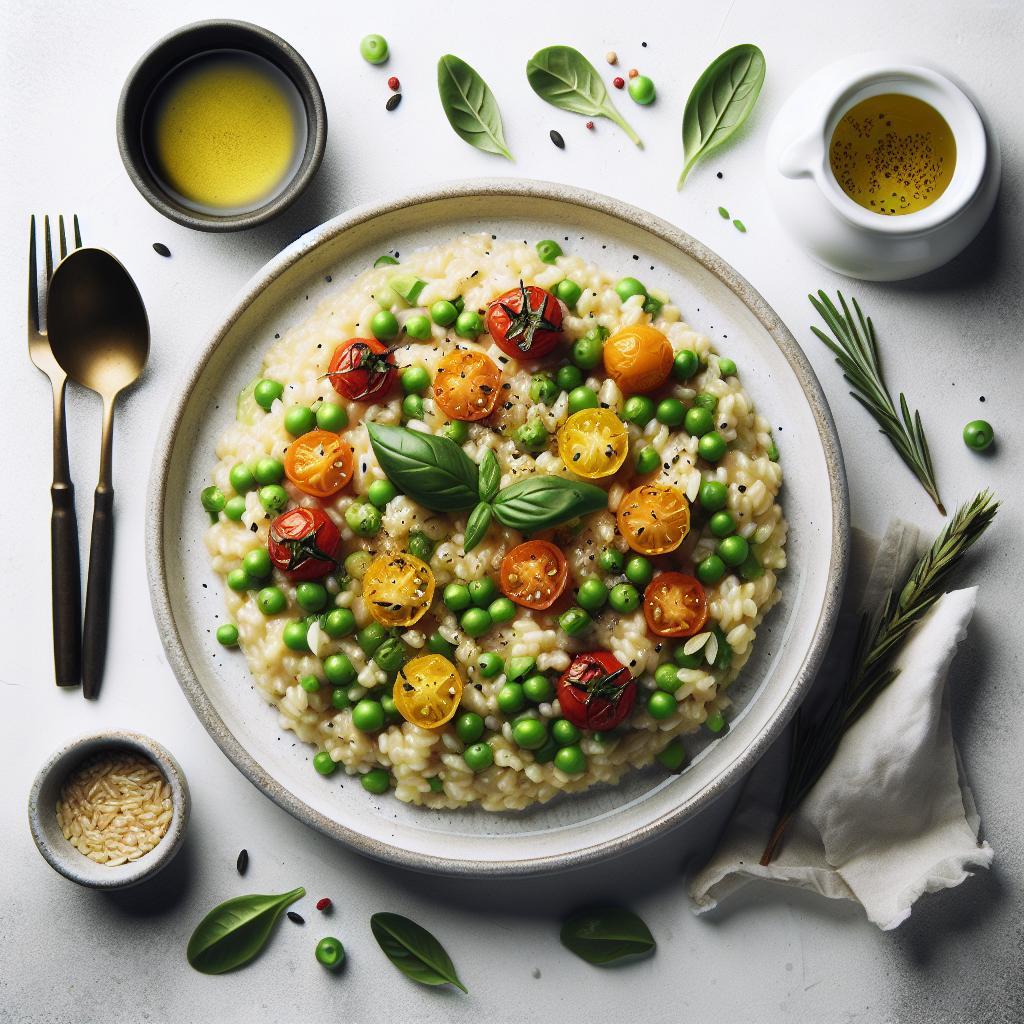
Serve risotto in shallow bowls so the sauce spreads evenly and cools at the right rate. Garnish with chopped parsley, cracked pepper, and a final shaving of Parmigiano-Reggiano.
Risotto pairs well with roasted vegetables or grilled proteins. Keep accompaniments simple to let the risotto’s texture and flavor shine.
Nutritional Info (per serving)
Estimates vary with ingredients and portion size. A classic risotto portion provides moderate calories and a mix of carbohydrates and fat from butter and cheese.
| Item | Calories | Protein | Carbs | Fat |
|---|---|---|---|---|
| Classic Risotto | 350 kcal | 9 g | 50 g | 10 g |
Q&A
The questions below address common, practical issues and provide concise corrective actions to improve texture.
Each answer points to technique adjustments you can test in the next cook.
Why does my risotto turn out sticky instead of creamy?
Sticky risotto signals over-released starch and broken grain structure. Reduce stirring intensity and lower heat so starch releases gradually.
Also, use warm stock and add it in increments; rapid liquid addition forces erratic starch release.
What rice should I use to avoid stickiness?
Choose Arborio, Carnaroli, or Vialone Nano. Carnaroli tolerates longer cooking and helps prevent collapse, while Vialone Nano yields a silkier, lighter cream.
For general grain behavior reference see Rice, which explains varietal differences and grain composition.
How much stirring is too much?
A steady, rhythmic stir is ideal. If you need to stir aggressively to prevent sticking, you likely have the heat too high or the pan too small.
Use a wide, heavy-bottomed pan to distribute heat and minimize the need for vigorous agitation.
Can cold broth cause stickiness?
Yes. Cold broth lowers the pan temperature and forces more stirring and longer cooking, which increases starch liberation and causes a gluey result.
Keep your stock on a low simmer alongside the pan so each ladle keeps the rice near its cooking temperature.
How do I rescue a gluey risotto?
Gently fold in warm broth and a small amount of cold butter off the heat to re-emulsify the sauce. Avoid boiling; treat the dish like an emulsion rather than a stew.
If needed, serve immediately in smaller portions; the texture will seem less sticky when plated and aerated.
For deeper reading on risotto technique, consult the culinary basics summarized on the Risotto page and the cheese regulations covered at Parmigiano-Reggiano.
Practice yields muscle memory for the rhythm of ladling and stirring. After 5–10 cooks you will recognize the sound, look, and mouthfeel that signal perfection.
Images: keep your plating simple to highlight texture. Photographing risotto works best in shallow bowls with a light drizzle of oil to catch highlights.
See also: risotto