
By using this site, you agree to the Privacy Policy and Terms of Use.
Accept
CookOrBitCookOrBitCookOrBit
  • Home
  • About Us
  • Ingredient Science
    • Flavor & Aroma
    • Protein Chemistry
    • Sugar & Starch
    • Fats & Emulsions
  • Cooking Techniques
    • Searing & Grilling
    • Baking & Roasting
    • Boiling & Steaming
    • Low & Slow
  • Kitchen Experiments
    • DIY Ferments
    • Flavor Tests
    • Gadget Testing
    • Molecular Gastronomy
  • Food Myths
    • Searing Myth
    • 5-Second Rule
    • MSG Myths
    • Microwave Myths
  • Tools
  • More
    • Extra Picks
    • Quick & Easy
      • Breakfast Ideas
      • Desserts
      • Snacks
      • Soups
    • Global Flavors
      • Asian Street Eats
      • Latin Comforts
      • Mexican Flavors
      • Modern Mediterranean
CookOrBitCookOrBit
  • Home
  • About Us
  • Ingredient Science
  • Cooking Techniques
  • Kitchen Experiments
  • Food Myths
  • Tools
  • More
Search
  • Home
  • About Us
  • Ingredient Science
    • Flavor & Aroma
    • Protein Chemistry
    • Sugar & Starch
    • Fats & Emulsions
  • Cooking Techniques
    • Searing & Grilling
    • Baking & Roasting
    • Boiling & Steaming
    • Low & Slow
  • Kitchen Experiments
    • DIY Ferments
    • Flavor Tests
    • Gadget Testing
    • Molecular Gastronomy
  • Food Myths
    • Searing Myth
    • 5-Second Rule
    • MSG Myths
    • Microwave Myths
  • Tools
  • More
    • Extra Picks
    • Quick & Easy
    • Global Flavors
Follow US
  • Advertising Policy: 10 Practical Rules for Safe, Compliant Ads
  • Contact Us
  • Cookie Policy: Clear Guide for Site Owners
  • Copyright Notice Guide: 7 Essential Rules for Website Owners
  • Disclaimer
  • Privacy Policy
  • Terms of Service
By Fimaw.com
Mastering the Art of Perfectly Browned, Bubbly Cheese Topping
CookOrBit > Blog > Cooking Techniques > Baking & Roasting > 7 Pro Techniques for Perfectly Browned, Bubbly Cheese Topping
Baking & Roasting

7 Pro Techniques for Perfectly Browned, Bubbly Cheese Topping

William J. Kroll
By William J. Kroll
Published: February 14, 2026
Share
SHARE

Mastering a perfectly browned, bubbly cheese topping delivers texture, flavor, and visual appeal. A well-handled topping melts uniformly, bubbles, and forms a golden crust that enhances any casserole, gratin, or open-faced sandwich.

Contents
  • Why cheese browns and bubbles the way it does
  • Ingredients, timing, and yield
  • Technique: step-by-step for consistent results
    • Heat and broiling strategy
  • Practical troubleshooting and process controls
  • Chef’s notes and pro tips
  • Serving suggestions, pairings, and finishing touches
  • Measurements, nutrition, and plating
  • FAQ
    • What cheeses work best for a bubbly, golden topping?
    • Should I use cornstarch or flour on shredded cheese?
    • Is broiling always the best method for browning cheese?
    • Why does cheese sometimes turn greasy instead of forming bubbles?
    • How can I prevent the edges from burning while the center browns?
  • Control heat to encourage even melting and browning without burning.
  • Balance cheese types to combine meltability and flavor concentration.
  • Use a small starch to stabilize fat and moisture for glossy, non-greasy browning.
  • Finish under direct heat to create quick, even caramelization.

Why cheese browns and bubbles the way it does

Cheese browning depends on two interacting processes: moisture-driven melting and surface browning chemistry. The visible crust develops through protein-sugar reactions that yield color and roasted flavors.

Specifically, the Maillard reaction converts amino acids and reducing sugars into brown pigments and aroma compounds; controlled heat encourages these reactions without burning the fat.

- Advertisement -

For technical context, see Maillard reaction for the chemistry and Cheese for composition details that affect melting.

Ingredients, timing, and yield

Use a blend that pairs a high-moisture, high-stretch cheese with a drier, flavorful cheese to get gooey melt and golden color. For example, mozzarella provides stretch while Gruyère or sharp cheddar gives flavor and browning.

Standard recipe metrics: Prep: 10 minutes. Cook under broiler: 8–12 minutes, depending on distance. Yield: serves 4 generous portions.

- Advertisement -
  • 2 cups shredded whole-milk mozzarella
  • 1 cup sharp white cheddar, shredded
  • ½ cup finely grated Gruyère
  • 1 tbsp unsalted butter, softened
  • 1 tsp cornstarch (optional)
  • Freshly ground black pepper to taste
  • Pinch smoked paprika for color, optional

Cheese types and moisture determine browning speed; reference pages such as Mozzarella and Gruyère for typical characteristics when selecting blends.

Technique: step-by-step for consistent results

Combine cheeses in a dry bowl; if using pre-shredded cheese, toss with cornstarch to absorb surface moisture and prevent clumping. Spread the mixture evenly over the prepared dish at roughly 1/2-inch thickness for balanced melt and browning.

Butter the base to aid release and encourage even heat transfer at the edge where cheese meets the dish. Use moderate pressure when spreading so the cheese layer remains uniform across the surface.

- Advertisement -

Heat and broiling strategy

Finish the dish under a broiler or high top heat source so the top browns rapidly while the interior remains moist. Position the rack about 3–5 inches from the element; closer distances brown faster but increase burn risk.

Start with a spot check at 6–8 minutes, then watch continuously; color should progress from pale to golden, then to small caramelized patches. Avoid walking away, because a few seconds can turn golden brown into burnt black.

Practical troubleshooting and process controls

Greasy or separated cheese indicates phase separation—fat pooling from overheat or unstable emulsification. Prevent this by using a small amount of cornstarch and by avoiding prolonged low heat before broiling.

If edges brown too quickly relative to the center, shift the rack slightly lower or shield the rim with foil for the last few minutes. Adjust rack position and broil duration across ovens to build an internal reference for your equipment.

Chef’s notes and pro tips

Cheese selection matters: a blend of stretch and flavor helps you control both texture and color. Aged cheeses provide more browning compounds while younger cheeses supply moisture and elasticity.

Cornstarch and emulsification: tossing shredded cheese with a teaspoon of cornstarch or a small amount of cream prevents oiling out and produces a silkier melt. This technique stabilizes curd particles so they stay integrated during heating.

💡 Expert Insight
Expert Insight: For a more uniform, glossy melt, shred cheese from block form rather than using pre-shredded bags. Pre-shredded cheese often has anti-caking agents that alter melt behavior; freshly shredded curds bind better with cornstarch and brown more predictably.

Avoid overcrowding the surface with too much cheese; thick layers trap steam and may turn rubbery rather than forming attractive bubbles. Aim for around 1/2 inch of cheese topping for most casseroles and gratins.

⚠️ Pro-Caution
Pro-Caution: Broilers vary widely; test your broiler with shorter intervals and lower rack positions when using a new oven. Never leave a broiling dish unattended; rapid flare-ups and burning are common.

Serving suggestions, pairings, and finishing touches

Serve the baked item hot so the cheese retains stretch and textural contrast between crisped top and molten beneath. Rest the dish 1–2 minutes before serving; this reduces runaway bubbling and makes portioning cleaner.

Bright herbs such as chopped chives or thyme cut through richness, while a small acidic condiment (a tomato relish or quick vinegar slaw) balances the mouthfeel. For an elevated finish, a light drizzle of high-quality olive oil or a few drops of truffle oil can emphasize aromatic compounds.

Measurements, nutrition, and plating

Nutrition per serving depends on cheese selection and portion size; the following table is an estimate for the given ingredient mix. Adjust portions to manage calorie and fat targets in recipe scaling.

Nutrient Per Serving
Calories 320 kcal
Protein 20 g
Carbohydrates 2 g
Fat 26 g

FAQ

What cheeses work best for a bubbly, golden topping?

Choose a blend: a high-moisture cheese for stretch and a drier, aged cheese for flavor and browning. Combining mozzarella with cheddar or Gruyère gives both melt and caramelization.

Should I use cornstarch or flour on shredded cheese?

Yes. A light dusting of cornstarch (about 1 teaspoon per 3 cups shredded cheese) limits oil separation and improves melt stability. It absorbs extra moisture and supports even browning under high heat.

Is broiling always the best method for browning cheese?

Broiling is the quickest method to create an even surface crust because it supplies intense radiant heat from above. Alternatively, a hot oven with a brief high-heat finish can work when broiling is not available, but watch timing closely.

Why does cheese sometimes turn greasy instead of forming bubbles?

Grease indicates fat separation caused by overheating or overly aged, high-fat cheeses without stabilizer. Correct by lowering heat, adding a touch of starch, or mixing in a cheese with higher moisture content to re-emulsify the matrix.

How can I prevent the edges from burning while the center browns?

Shield the edges with foil during the final stages or move the rack a bit lower so the center receives more direct heat time. Monitor actively; small positional changes in your oven yield consistent improvements over successive attempts.

For more background on oven equipment and heat sources, consult Broiler (kitchen) to match technique to available tools. Use measured trials to calibrate time and rack placement for your specific oven.

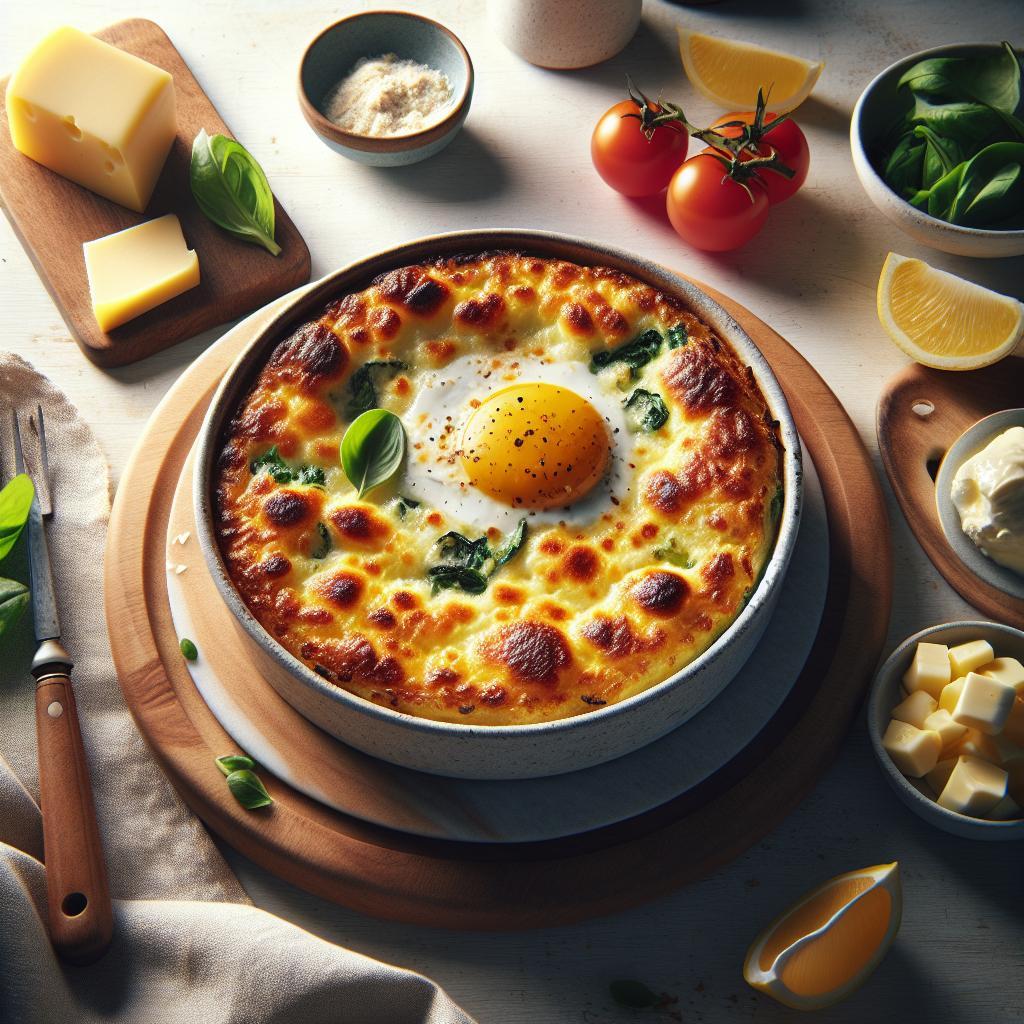
Perfectly browned, bubbly cheese topping, golden and molten

See also: cheese topping

Collagen vs Elastin: 7 Key Differences Explained
7 Expert Secrets to Master Brown Butter’s Golden Flavor
6 Proven Chilling Techniques to Make Crisp Veggies Snap
Unlocking Flavor: 7 Dry Brine Secrets That Transform Chicken
7 Energizing Benefits of a Vibrant Roasted Root Bowl
TAGGED:andartBroiling techniquecheeseCheese browningCheese meltingCheese toppingCornstarch stabilizerGratin toppingMaillard reactionmasteringthe
Share This Article
Facebook Pinterest Whatsapp Whatsapp LinkedIn Telegram Threads
What do you think?
Love0
Sad0
Happy0
Sleepy0
Angry0
Dead0
Wink0
Previous Article Unlocking Juicy Secrets: Why Your Grilled Chicken’s Dry 5 Expert Fixes to Keep Grilled Chicken Juicy
Next Article Sweet Science: Unveiling Sugar Syrup’s Role in Meringue Magic Sweet Science: 7 Ways Sugar Syrup Powers Perfect Meringue
Creamy Garlic Chicken with melted Parmesan and fresh herbs on a rustic white plate
Garlic Chicken: 7 Ultimate Brilliant Recipes to Make the Best-Ever Creamy Garlic Chicken with Parmesan & Fresh Herbs
Extra Picks
Colorful bowls of Leftover Couscous transformed into salads, fritters, and stuffed peppers.
12 Amazing Practical Leftover Couscous Ideas: Brilliant Ways to Reuse and Remix
Uncategorized
Colorful jars of spice blends beside steaming couscous with herbs and lemon
7 Ultimate spice blends That Transform Your Couscous — Amazing Best Flavor Boosts
Uncategorized
Bowls of gluten-free couscous alternatives: quinoa, millet, cauliflower, and rice
10 Amazing couscous alternatives: Best Gluten-Free Swaps for Incredible Flavor
Uncategorized

Tags

and art baked baking science baking techniques Baking tips batch cooking beef behind browning techniques butternut squash caramelization cast iron skillet chemistry chicken comfort food Cooking science cooking technique Cooking techniques Cooking tips crafting creamy creamy soup crispy culinary science fish flavor flavor chemistry food food safety Food science for garlic golden Ground turkey hearty heat high-heat cooking high protein meals how instant read thermometer Lean protein magic Maillard reaction make ahead meals make ahead soup mastering meal prep Meal prep recipes meat thermometer microwave microwave cooking moisture control one pot meals Pan searing perfect perfectly Plant based protein Probe thermometer protein denaturation Quick dinners roasted roasted squash roasted tomato soup Roasted vegetables Roasting techniques savor savory science Searing technique Searing techniques secrets slow cooking squash steak steak cooking sweet temperature control the top turkey turkey soup turkey stew ultimate umami cooking umami flavor unlock unlocking unveiling vegetable velvety weeknight dinner Weeknight dinners weeknight meals what when why with your zesty
April 2026
M T W T F S S
 12345
6789101112
13141516171819
20212223242526
27282930  
« Mar    

You Might Also Like

- Crafting the Perfect Bloody Mary Sphere: A Liquid Twist Guid
Molecular Gastronomy

Crafting the Perfect Bloody Mary Sphere: 7 Expert Steps for Precision

William J. Kroll
William J. Kroll
November 4, 2025
Roasted Vegetable Chili: A Hearty Twist on Classic Comfort
Extra Picks

7 Secrets for Smoky Roasted Vegetable Chili

William J. Kroll
William J. Kroll
January 27, 2026
- Campfire Chemistry: Mastering a Safe Camping Kitchen Quiz
5-Second Rule

Campfire Chemistry: 10 Essential Tips for Safe Camping Cooking

William J. Kroll
William J. Kroll
October 29, 2025
- Trans Fats Unveiled: What They Are and Why They Matter
Fats & Emulsions

Trans Fats Exposed: 7 Evidence-Based Facts Every Consumer Must Know

William J. Kroll
William J. Kroll
September 29, 2025
Mastering the Art: The Science Behind Perfectly Grilled Chicken
Searing & Grilling

10 Proven Techniques for Perfectly Grilled Chicken

William J. Kroll
William J. Kroll
January 17, 2026
Unveiling Hydrolysis: The Science Behind Water’s Powerful Split
MSG Myths

Hydrolysis Uncovered: 7 Practical Insights into Water’s Molecular Split

William J. Kroll
William J. Kroll
January 12, 2026
Follow US
By Fimaw.com © All Rights Reserved.
  • Advertising Policy: 10 Practical Rules for Safe, Compliant Ads
  • Contact Us
  • Cookie Policy: Clear Guide for Site Owners
  • Copyright Notice Guide: 7 Essential Rules for Website Owners
  • Disclaimer
  • Privacy Policy
  • Terms of Service
Welcome Back!

Sign in to your account

Username or Email Address
Password

Lost your password?