

The Maillard Reaction is the chemical process that gives browned foods their complex, savory aromas and golden crusts. Experienced cooks treat it as a manipulable tool: control heat, moisture, and surface chemistry and you control flavor.
- Key takeaway: Browning arises from interactions between sugars and amino acids, not simple caramelization.
- Timing matters: High, dry heat with good surface contact produces the best sear.
- Safety balance: Manage temperature to minimize unwanted compounds while maximizing flavor.
- Practical tip: Pat meats dry and use a high-smoke-point oil for a reliable crust.
Science of the Maillard Reaction
The Maillard reaction occurs when reducing sugars react with free amino acids under heat, producing hundreds of flavor compounds and brown pigments called melanoidins. This cascade begins around 140°C (285°F) and accelerates as temperature rises, producing savory, roasted and nutty notes.
Understanding the reactants helps you predict outcomes: foods rich in proteins and simple sugars brown more readily. For background on the chemistry of amino groups, see amino acids.
Prep and Cook Time
These times assume a standard pan-seared ribeye technique that highlights the Maillard Reaction. Timings vary with cut thickness and pan mass.
Guideline: Heat the pan first, then add oil and the protein; total active cook time is short but requires attention to temperature.
- Preparation: 15 minutes
- Cooking: 20 minutes
- Total Time: 35 minutes
Yield
This recipe and technique target a family portion size while preserving sear quality. Scaling up requires wider pans or batch cooking to avoid crowding.
Serves: 4
Difficulty Level
Technique-focused cooks will find the method approachable; it rewards precise heat control and timing. Beginners can replicate professional results by following core principles.
Level: Medium — requires attention to pan temperature and resting time for best texture.
Ingredients
The ingredients list emphasizes components that support Maillard browning: protein, minimal surface moisture, and a high smoke-point fat. Fresh aromatics and butter finish the flavor but do not drive the reaction.
Substitution notes: choose oils with high smoke points and cuts with good surface protein content for optimal crust development.
- 1 lb (450g) boneless ribeye steak, trimmed and room temperature
- 2 tbsp vegetable oil (grapeseed or canola)
- 1 tsp kosher salt
- ½ tsp freshly ground black pepper
- 2 cloves garlic, crushed
- 1 sprig fresh rosemary
- 2 tbsp unsalted butter, chilled
Instructions
Follow these steps to maximize surface browning while maintaining internal doneness. Each movement has a purpose: dry surface, hot pan, undisturbed contact, and a resting period.
Work quickly once the pan is hot. A well-heated cast-iron or heavy-bottom skillet stores heat and helps sustain the Maillard reaction across the sear.
- Preheat the pan: Heat a skillet over medium-high until very hot but not smoking.
- Dry and season: Pat the ribeye thoroughly and season both sides with kosher salt and pepper.
- Add oil: Swirl oil to coat, then place the steak away from you to avoid splatter.
- Sear undisturbed: Leave the steak for 3–4 minutes to form a deep, golden crust.
- Flip and aromatics: Turn the steak, add garlic and rosemary, and sear the second side for 3 minutes.
- Finish with butter: Reduce heat to medium, add chilled butter, and baste for 2–3 minutes.
- Rest and slice: Use a thermometer (130°F for medium-rare). Rest 5 minutes before slicing against the grain.
Searing checklist
Before you place protein in the pan, confirm three items: no excess moisture, a hot pan, and a single layer of meat without crowding. This preserves surface temperature and prevents steaming.
Use a splatter screen if needed, and reduce heat only if smoke becomes excessive. A steady, hot surface gives the most consistent Maillard browning.
Tips for Success
Small technique tweaks produce outsized flavor gains. Focus on surface dryness, heat management, and uninterrupted contact time to encourage the formation of flavorful compounds.
Choose cuts with ample surface protein and a modest amount of fat. The fat helps carry flavor and enhances perceived juiciness after the Maillard reaction develops a crust.
- Bring meat to room temperature for even internal cooking.
- Pat meats dry; moisture delays browning.
- Use oils with high smoke points to reach searing temperatures safely.
- Avoid overcrowding; crowding traps steam and lowers pan temperature.
After the tip above, allow the steak to rest briefly before slicing to redistribute juices. Proper resting preserves tenderness and mouthfeel.
Serving Suggestions
Present the sliced ribeye over warm sides that absorb pan juices: mashed potatoes, roasted vegetables, or a simple pan sauce. A light sprinkle of flaky sea salt enhances the crust’s flavor.
Pair bold, structured wines or roasted vegetable sides to complement the Maillard-driven nutty and caramelized notes that emerge from the sear.
Health and Safety Considerations
The Maillard reaction produces desirable flavors but can also generate compounds like acrylamide when starchy foods become overly browned. Controlled cooking keeps flavor high and risky byproducts low.
To minimize potentially harmful compounds, brown to golden rather than black, control temperature, and avoid charring. Balanced technique yields safe and delicious results.
Use a thermometer to hit target doneness without overbrowning the exterior. For most home cooks, medium-rare to medium yields the best balance of crust and juiciness.
Nutritional Overview
Below is an approximate nutrient breakdown per serving for the illustrated portion. Values vary by cut, trimming, and finishing ingredients.
| Nutrient | Amount per Serving |
|---|---|
| Calories | 450 kcal |
| Protein | 40 g |
| Carbohydrates | 2 g |
| Fat | 30 g |
For background on related cooking processes and how they differ, review caramelization and steak preparation notes. These sources clarify contrasts with simple sugar browning and typical cuts used for searing.
Final Notes
Mastering the Maillard reaction means managing heat, moisture, and timing to produce predictable flavor. Small, repeatable techniques yield consistent crusts and deeper taste profiles across proteins and vegetables.
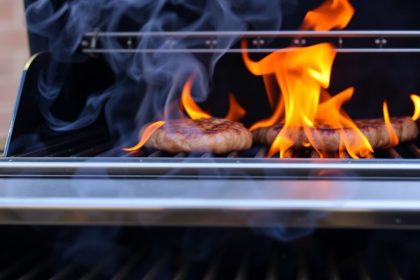
Apply these principles across pan-searing, roasting, and grilling to expand your flavor palette. Repetition and observation sharpen your ability to read the pan and control the reaction for repeatable results.
FAQ
What exactly is the Maillard Reaction?
The Maillard Reaction is a chemical interaction between reducing sugars and amino groups in proteins that occurs under heat, producing new flavor molecules and brown pigments. It differs from simple sugar browning by involving amino acids as co-reactants.
Why does the Maillard Reaction matter for flavor?
It generates hundreds of volatile compounds that create savory, toasted, and roasted notes. These compounds make seared meats, toasted bread, and roasted coffee complex and appealing.
At what temperature does the reaction begin?
The Maillard cascade typically begins near 140°C (285°F) and accelerates at higher temperatures. Successful browning requires stable high heat and minimal surface moisture.
How can I encourage good browning without burning?
Pat surfaces dry, use a heavy pan for heat retention, apply a thin coat of high-smoke-point oil, and avoid overcrowding. If smoke appears, reduce heat slightly to prevent bitter charring.
Is Maillard the same as caramelization?
No. Caramelization involves the thermal decomposition of sugars alone and produces sweet, toasty flavors. The Maillard reaction involves sugars and amino acids, yielding savory and nutty notes.
See also: Maillard Reaction