


9 Proven Amazing couscous Recipes: The Best Ultimate Guide
In parts of North Africa, couscous remains a weekly staple in a significant proportion of households, and modern kitchens worldwide follow suit with inventive twists on the semolina-based grain. This guide provides practical techniques, reliable recipes, and chef-tested timing to produce fluffy, flavorful couscous reliably.
- Why couscous matters: History and cultural importance
- Classic couscous recipe: Introduction
- Classic couscous recipe: Ingredients
- Classic couscous recipe: Preparation Method
- Step 1: Hydrating couscous
- Step 2: Fluffing and seasoning couscous
- Step 3: Serving couscous with vegetables and proteins
- Classic couscous recipe: Detailed Nutritional Information (per serving)
- Classic couscous recipe: Expert Pro-Tips
- Buying and storing couscous
- Variations and serving suggestions for couscous
- Case study: How a bistro increased revenue using couscous specials
- Conclusion
- FAQ
- Fast cooks: Most recipes here finish under 30 minutes with consistent texture.
- High versatility: Serve warm, cold, or stuffed into vegetables for diverse plates.
- Nutrient profile: Semolina couscous supplies complex carbohydrates and pairs well with protein-rich toppings.
- Commercial potential: Small menu changes can lift margins when restaurants add a signature couscous bowl.
Why couscous matters: History and cultural importance
Couscous traces back centuries across the Maghreb and Mediterranean littoral, where families steam semolina granules and share communal platters. The steaming technique and communal ritual define its cultural value and shape the many regional variations still found today.
For authoritative context, see Couscous on Wikipedia, which summarizes regional differences and traditional methods. Those regional distinctions directly influence texture and cooking approaches used in contemporary kitchens.
Classic couscous recipe: Introduction
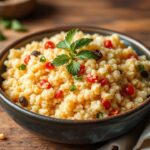
This classic couscous recipe produces light, separate grains that absorb flavors from broths, herbs, and roasted vegetables. The method emphasizes precise hydration and gentle fluffing to preserve grain integrity and bright taste.
Use this recipe as a foundation and vary proteins, spices, and liquids to build signature plates for family meals or profitable menu items in small restaurants. The instructions include scalable portions and chef notes (double or halve ingredients to scale) to ensure repeatable results.

Classic couscous recipe: Ingredients
Precise measurements matter when hydrating couscous — too much liquid creates gluey grains, too little leaves hard centers. These quantities yield four generous servings suitable for weeknight dinners or as a side for a small dinner party.
Use fine-grain semolina couscous for traditional texture; instant couscous follows the same ratio but needs a shorter rest time. Keep salt and fat on hand to season the grains during hydration.
- Plain semolina couscous: 300 g (10.5 oz) — about 2 cups.
- Vegetable or chicken broth: 360 ml (12 fl oz) — 1.5 cups, hot.
- Extra virgin olive oil or unsalted butter: 30 ml (2 tbsp).
- Fine salt: 5 g (1 tsp) — adjust to taste.
- Optional mix-ins: 100 g (3.5 oz) roasted carrots, 100 g (3.5 oz) chickpeas, fresh herbs, lemon zest.
Classic couscous recipe: Preparation Method
Successful preparation follows controlled heat and timing to produce separate, tender granules. The method below applies to standard semolina couscous; adjust hydrate time for whole-wheat or pearl varieties.
Technique matters: steaming can deepen flavor, but quick hydration with a forked finish yields excellent weekday results. Both approaches appear below with chef notes on handling clumps and adding fat for silkiness.
Step 1: Hydrating couscous
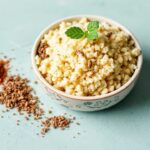
Bring the broth and salt to a simmer, then remove from heat and stir in the olive oil or butter. Pour the hot liquid over the couscous in a wide, heatproof bowl, stir once to combine, then cover tightly and let sit for 8–10 minutes (instant couscous: 5–7 minutes).
Resist lifting the lid during rest; steam builds and finishes cooking the granules without extra stirring. This step concentrates flavor and prevents the grain from absorbing unevenly, which causes clumps.
Step 2: Fluffing and seasoning couscous
After resting, use a fork to gently fluff the grains, separating clumps with light strokes rather than aggressive stirring. Add a drizzle of olive oil, lemon zest, and chopped herbs while fluffing to incorporate aromatics evenly.
Taste and adjust seasoning; if grains feel heavy, spread them on a tray for a minute to cool and aerate, or toss briefly with a splash of warm broth or oil to revive separation. Proper fluffing is the difference between restaurant-quality texture and a dense mass.
Step 3: Serving couscous with vegetables and proteins
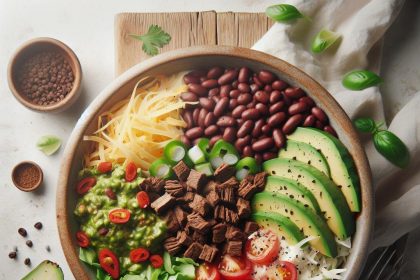
Layer couscous with roasted vegetables, braised meats, or grilled fish for balanced plates; the grains soak up saucy juices and amplify flavors. When assembled cold into salads, cool the couscous quickly on a tray and dress lightly to keep it lively and separated.
For plated mains, spoon couscous onto warm plates, create a shallow well, and nest proteins to retain heat. Garnish with bright herbs, toasted seeds, and a final citrus squeeze to lift the dish.
Classic couscous recipe: Detailed Nutritional Information (per serving)
Nutrition varies by broth and mix-ins; the values below use vegetable broth and olive oil with plain couscous and vegetable mix-ins. These numbers assist planning for dietary labels and menu descriptions.
Round values are suitable for menu labeling and dietary tracking; adjust if adding meats, cheese, or more oil.
- Calories: ~320 kcal
- Carbohydrates: 58 g
- Protein: 9 g
- Fat: 6 g
- Fiber: 3 g
- Sodium: 420 mg (depends on broth)
Classic couscous recipe: Expert Pro-Tips
Pro cooks treat couscous like a sponge: control liquid temperature and resting time to tune softness and separation. Always test a spoonful at the 8-minute mark and extend rest by one-minute increments if needed.
Toast spices (for example cumin, coriander, or ras el hanout) briefly in the fat before adding liquid for extra depth, and finish with acid—lemon juice or a touch of pomegranate molasses—to brighten. These small adjustments convert a basic plate into a signature course with minimal extra cost and prep time.
Buying and storing couscous
Buy fine semolina couscous for conventional recipes; whole wheat or pearl (Israeli) couscous are texturally different and require alternate hydration. Choose a reputable brand and check packaging for freshness information where available.
Store dry couscous in an airtight container in a cool, dry place for up to 12 months; once mixed with wet ingredients, refrigerate and consume within three days. Label cooked batches with the preparation date and follow standard food-safety windows.
Variations and serving suggestions for couscous
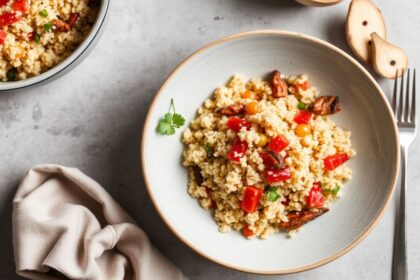
Adapt couscous to cuisines worldwide — spice with cumin, turmeric, or ras el hanout for North African notes, or fold in sun‑dried tomatoes, basil, and olives for Mediterranean flair. Pearl couscous (ptitim) pairs well with sautéed mushrooms and cream for richer plates.
For vegetarian mains, combine roasted root vegetables, preserved lemon, and toasted almonds; for heartier options, nest braised lamb or roasted chicken with a pan sauce. Presentation matters: mound couscous, then create height with proteins for an upscale look.
Note the dietary caution below for guests with gluten sensitivity.
Case study: How a bistro increased revenue using couscous specials
A mid-sized bistro in Seattle introduced a weekly couscous bowl with seasonal vegetables and rotating proteins and tracked sales for 12 weeks. The bowl used low-cost staples, high-margin toppings, and simple plating changes to deliver an upscale perception at approachable price points.
Within three months, the item drove repeat visits and upsells; the bistro reported an 8% increase in average check. The case demonstrates that small changes to a staple like couscous can produce measurable revenue lift when paired with targeted marketing and consistent preparation techniques.
Conclusion
Couscous remains a resilient staple that rewards precision: measure liquids, respect steam, and finish with vibrant aromatics. Apply the methods in this guide to achieve repeatable results whether cooking at home or scaling in a commercial kitchen.
Use the recipe as a template and then develop signature variations to suit your audience or clientele. With consistent technique, couscous can be both a comforting household dish and a profitable menu cornerstone.
FAQ
Is couscous the same as pasta?
Couscous and pasta share a base ingredient—durum wheat—yet they differ in processing and texture. Couscous is granular semolina formed into small pellets and typically hydrated or steamed, while pasta is extruded or rolled into shapes and boiled.
The cooking approach changes mouthfeel and applications, so treat them as related but distinct items when designing recipes. Use each where texture and sauce retention best match the dish.
How long does it take to cook couscous?
The fast hydration method usually takes 8–10 minutes of resting time after pouring hot liquid over the grains. If steaming traditionally, plan 15–25 minutes depending on batch size and whether precooked or instant varieties are used.
Timing affects texture: shorter rests retain bite, while extended steaming yields softer, more cohesive grains. Always test a small spoonful before serving to ensure desired doneness.
Can I make couscous ahead for meal prep?
Yes, you can prepare couscous ahead and store it refrigerated for up to three days in an airtight container. When reheating, add a small splash of broth or oil and warm gently to restore fluffy texture.
For cold salads, cool the grains quickly on a tray to prevent condensation and toss with dressing once cooled. Meal prep works well when you separate wet components and add them just before serving.
What are healthy pairings with couscous?
Pair couscous with lean proteins like grilled fish, roasted chicken, or legumes for balanced meals. Add vegetables, herbs, and moderate healthy fats like olive oil to increase satiety and micronutrient content.
Control portion sizes if you are counting carbohydrates; pair with fiber-rich sides and protein to modulate glycemic impact. These combinations deliver both taste and nutritional balance.
Which couscous type should I choose for salads?
For salads, fine semolina couscous works well because it soaks up dressings without becoming dense. Alternatively, pearl couscous holds up better in chunkier salads where larger bites complement vegetables and proteins.
Test the grain against your dressing and salad mix-ins to ensure the texture and flavor match your intended result. Adjust dressing quantity to keep the salad lively rather than soggy.
See also: couscous