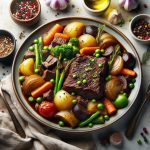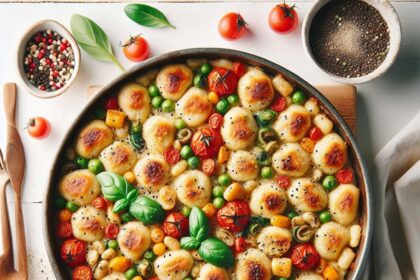

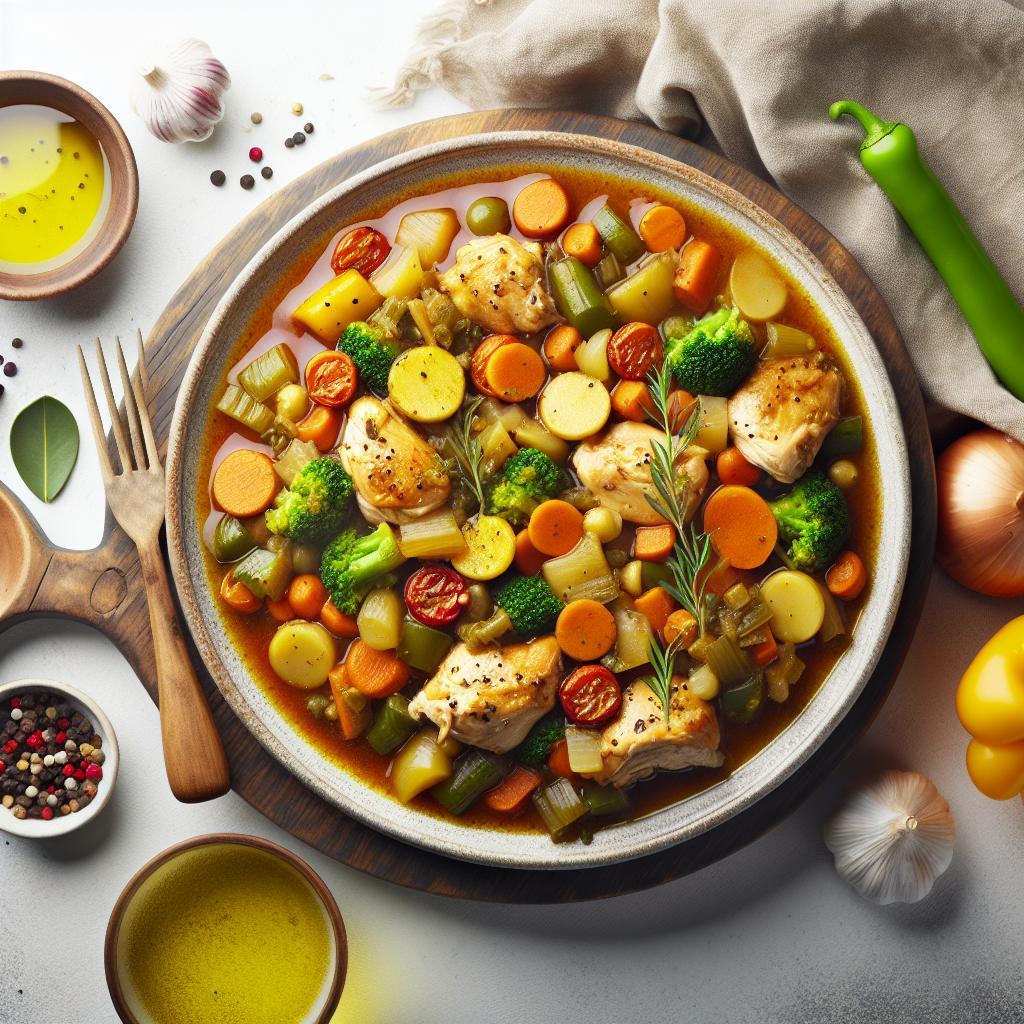

There is something timeless about a steaming bowl of hearty chicken and vegetable stew that warms the body and calms the appetite. This guide presents proven technique, ingredient selection, and seasoning strategy to produce consistent, tender results every time.
- Key takeaway: Browning builds flavor; slow simmering preserves texture.
- Key takeaway: Use fresh vegetables and properly trimmed chicken for best mouthfeel.
- Key takeaway: Adjust salt late and finish with fresh herbs for brightness.
Selecting the Freshest Ingredients for Maximum Flavor and Nutrition
Quality ingredients form the foundation of a successful stew. Choose firm, blemish-free vegetables and recently butchered poultry to control texture and flavor.
When possible, select dark meat cuts like thighs for moisture and collagen, which convert to gelatin during slow cooking. For background on poultry characteristics see chicken.
Prep and Cook Time
Preparation: 20 minutes. Sharp knives and mise en place speed the process and protect texture. Trim and chop to consistent sizes so pieces cook evenly.
Cooking: 1 hour 40 minutes. A long, gentle simmer yields tender meat and integrated flavors without reducing clarity in the broth. Consider a low rolling simmer rather than a boil.
Yield and Difficulty
This recipe yields six hearty portions, ideal for family dinners or meal prep. The method sits at a medium difficulty level and rewards basic techniques like browning and steady simmering.
If you need to scale, increase liquid proportionally and monitor cooking time for larger batches. A referenced cooking vessel such as a heavy-bottomed pot or dutch oven helps stabilize heat distribution.
Ingredients
Gather ingredients before you start. This reduces active time at the stove and ensures sequential technique flows without interruption.
- 2 lbs skinless, boneless chicken thighs, trimmed and cut into chunks
- 3 tbsp olive oil, divided
- 1 large yellow onion, finely chopped
- 3 cloves garlic, minced
- 4 cups low-sodium chicken broth
- 2 large carrots, peeled and sliced into thick rounds
- 2 celery stalks, sliced diagonally
- 3 medium potatoes, peeled and cubed
- 1 cup green beans, trimmed and halved
- 1 cup frozen peas
- 1 tsp fresh thyme, finely chopped
- 1 tsp fresh rosemary, chopped
- 1 tsp smoked paprika
- 1/2 tsp ground black pepper
- 1 tsp kosher salt, adjust to taste
- 1 bay leaf
- 2 tbsp fresh flat-leaf parsley, chopped (for garnish)
Substitutions: you can swap dried herbs at one-third of the fresh quantity. For protein variation, a mix of thigh and drumstick keeps collagen levels high and texture rich.
Cooking Instructions
Follow a clear sequence: brown protein, sweat aromatics, add vegetables and liquid, then simmer. Each step controls Maillard reactions and gelatin extraction.
Browning and Building Flavor
Heat 2 tablespoons of olive oil in a large heavy-bottomed pot over medium-high heat. Add chicken chunks in a single layer and sauté until golden brown on all sides, about 6-8 minutes.
Remove the browned chicken and set aside. Browning creates flavor compounds that dissolve into the broth and anchor the stew’s savory profile.
Sweating Aromatics and Layering Vegetables
Add the remaining 1 tablespoon olive oil to the pot and toss in the chopped onion; cook until translucent and fragrant, about 5 minutes. Stir in the minced garlic for about 1 minute, avoiding browning the garlic which can introduce bitterness.
Return the chicken to the pot with carrots, celery, and cubed potatoes. Stir to combine and distribute aromatic oils evenly across ingredients.
Simmering and Finishing
Pour in the chicken broth so it just covers the ingredients. Add the bay leaf, thyme, rosemary, smoked paprika, salt, and pepper, then bring the stew to a gentle boil before lowering heat.
Reduce to low, cover with a tight-fitting lid, and simmer slowly for 1 hour 15 minutes, stirring occasionally. After this period, add green beans and frozen peas and cook uncovered for 10-15 minutes until vegetables are tender but vibrant.
Remove the bay leaf and taste. Adjust seasoning with salt and pepper late in the process to avoid over-salting concentrated broth. Finish with fresh parsley for color and aroma.
Technique Notes and Variations
Slow simmering extracts collagen from thighs, creating body without added thickeners. This yields a naturally silky mouthfeel and better nutrient retention than aggressive reduction.
For a creamier finish, stir in a splash of cream or a slurry of cornstarch and cold water at the end, then heat briefly to thicken. Alternatively, mash a portion of the potatoes into the broth to add body without dairy.
Tips for Success
Choose bone-in or boneless thighs based on preference; bone-in adds flavor but requires slightly longer cooking. Skinless thighs reduce surface fat and keep the broth clearer.
Skim foam and excess fat during the first 20 minutes of simmering to produce a cleaner, more visually appealing broth. This step also reduces floating particulates that can cloud the stew.
Make-ahead advantage: refrigerate overnight to let flavors meld; reheat gently and add a splash of broth to loosen set gelatin. Freeze portions in airtight containers for up to three months.
Serving Suggestions and Pairings
Serve the stew in deep bowls and finish with chopped parsley and cracked black pepper for contrast. Warm, crusty bread such as sourdough or ciabatta pairs well for mopping the broth.
Balance richness with a simple mixed green salad dressed in a lemon vinaigrette. For beverage pairing, herbal tea or sparkling water with cucumber provides a palate-refreshing counterpoint.
Nutrition Per Serving
The stew provides a balance of macronutrients with moderate calories and high-quality protein. A typical serving contains around 320 kcal and 28 g of protein.
| Nutrient | Per Serving |
|---|---|
| Calories | 320 kcal |
| Protein | 28 g |
| Carbohydrates | 22 g |
| Fat | 12 g |
Practical Notes on Tools and Herbs
Use a heavy-bottomed pot or dutch oven to maintain stable low heat and avoid hot spots. For slow, unattended cooking use a slow cooker with a searing step on the stovetop first for best results.
Fresh herbs are preferable for finishing. The distinct oils in fresh thyme and rosemary release aroma when added late and brighten the stew without becoming bitter.
A combination of root vegetables stabilizes texture during long cooking. For background on the culinary technique and cultural variants, see the general entry on stew.
Q&A
This Q&A clarifies common points of technique, ingredient choice, and storage. Each answer stays focused on actionable steps you can apply in the kitchen.
Read these short responses to refine your process and avoid common pitfalls that affect texture and flavor.
Q1: What makes a chicken and vegetable stew “hearty” and comforting?
A1: A hearty stew combines a concentrated savory broth, tender protein, and vegetables that hold texture. Collagen from thighs converts to gelatin, giving mouthfeel and density without heavy thickeners.
Q2: Which vegetables are best suited for a classic chicken stew?
A2: Root vegetables—carrots, potatoes, and parsnips—hold up under long cooking and contribute natural sugars. Add green beans or peas near the end to preserve color and bite.
Q3: How do I ensure the chicken stays tender and juicy?
A3: Brown pieces quickly on medium-high heat then simmer gently on low. Avoid vigorous boiling, which contracts muscle fibers and squeezes moisture out of the meat.
Q4: Can chicken stew be made ahead or frozen?
A4: Yes. Chill thoroughly before refrigerating and reheat gently. Freeze in single servings for up to three months and thaw in the refrigerator before reheating.
FAQ
How long should I brown the chicken?
Browning takes 6-8 minutes per batch to get a golden crust without overcooking. Work in batches to avoid crowding the pan, which causes steaming instead of browning.
Can I use breast meat instead of thighs?
Yes, but breast meat can dry out if overcooked. If using breasts, reduce simmer time and remove them earlier, or add them in larger pieces late in the cooking cycle.
How do I thicken the stew without flour?
Mash a portion of the cooked potatoes into the broth or simmer uncovered briefly to concentrate liquid. Cornstarch slurry is another gluten-free option applied at the end.
What is the best way to store leftovers?
Cool to room temperature within two hours, store in airtight containers in the refrigerator for up to three days, or freeze in portions for longer storage. Reheat gently on low heat with a splash of broth.
Which herbs pair best with chicken stew?
Thyme, rosemary, and parsley form a classic herb trio. Add robust herbs early for infusion and delicate herbs late to preserve their fresh notes.
Use these steps and techniques to produce a reliable, comforting chicken stew that balances texture, seasoning, and aroma. The method favors controlled heat and fresh ingredients for predictable, delicious results.

See also: chicken stew