
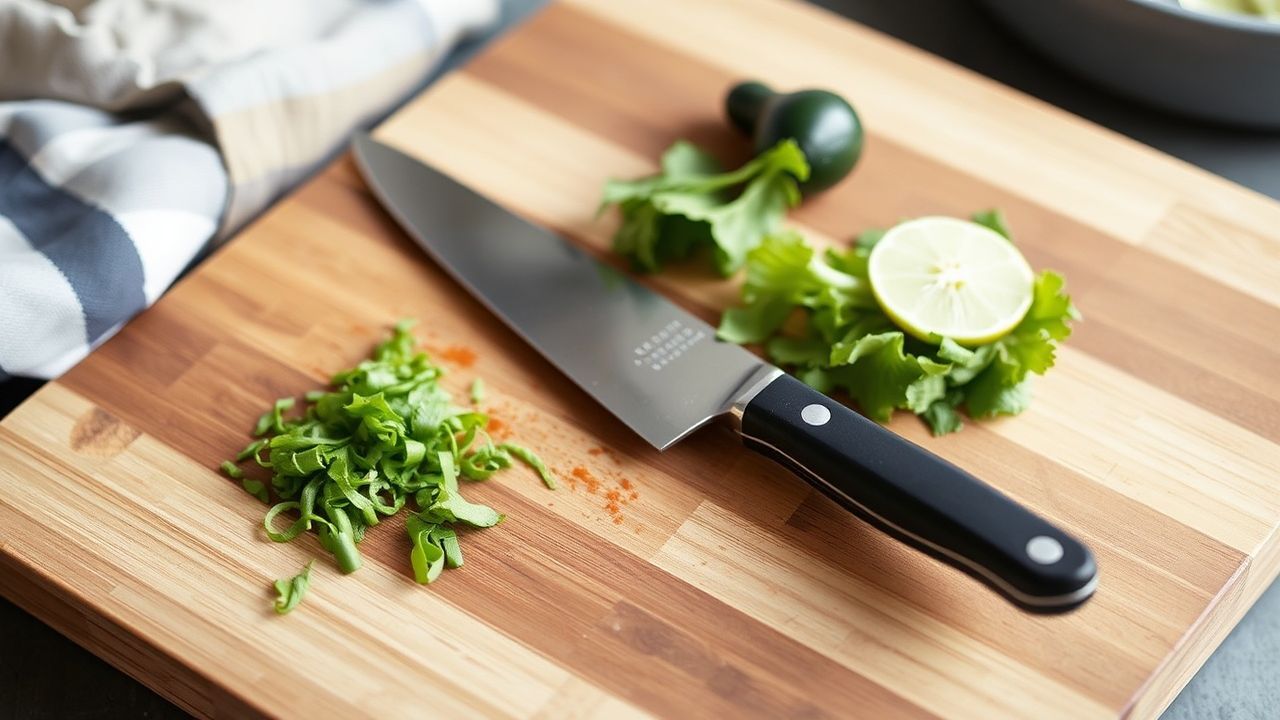

The cutting board is a daily workhorse in every kitchen. Proper care keeps food safe, preserves the board, and protects your knives.
- Choosing the Right Materials for Longevity and Hygiene
- Mastering the Daily Cleaning Rituals for Safe Food Prep
- Deep Sanitizing Techniques That Kill Harmful Bacteria
- Maintenance Tips to Prevent Cracks and Warping Over Time
- Practical Care Routine: Tools, Times, and Frequency
- Recipes, Tools, and Supplies
- At-Home Troubleshooting and When to Replace
- FAQ
- Sanitize weekly: lemon + coarse salt or vinegar spray for wood; diluted bleach for plastic.
- Choose wisely: hardwoods and HDPE resist bacteria and knife damage.
- Maintain regularly: oil wood monthly and rotate boards to distribute wear.
- Replace when needed: deep grooves trap bacteria—replace rather than risk contamination.
Choosing the Right Materials for Longevity and Hygiene
Selecting the correct material affects hygiene, knife life, and maintenance time. Hardwoods such as maple and walnut provide dense grain that resists deep cuts and inhibits bacterial penetration.
Consider bamboo for eco-friendly durability and hard surfaces that shed moisture; read more about bamboo. For plastic options, prefer high-density polyethylene (HDPE) for dishwasher safety and low warping; learn about HDPE.
Material trade-offs
Wood absorbs some moisture but self-closes small cuts due to fibers; it stays knife-friendly and often outperforms softwoods. Avoid soft, porous woods that crack and harbor bacteria.
Plastic boards scar more easily, creating grooves where bacteria can hide; plan to replace them more frequently if heavily used. For an overview of the general concept, see cutting boards.
Mastering the Daily Cleaning Rituals for Safe Food Prep
Daily cleaning prevents cross-contamination. Immediately rinse with hot water, apply mild dish soap, and scrub both faces and edges using a brush or nonabrasive scrub pad.
Dry the board fully: pat with a clean towel and stand it upright to air dry. Never soak wooden boards; prolonged moisture causes fiber separation, warping, and splitting.
Practical steps after each use
Use separate boards or color-code them: one for raw meat, one for produce, one for cooked foods. When you swap tasks, clean and sanitize between uses to avoid pathogen transfer.
Store boards in a dry, ventilated spot. Stacking damp boards encourages mold and bacterial growth—leave them to air dry first or store vertically.
Deep Sanitizing Techniques That Kill Harmful Bacteria
Weekly deep cleaning removes residues and reduces odor. For wood, spread coarse kosher salt and scrub with half a lemon; the abrasion plus citric acid lifts stains and lowers surface bacteria counts.
For plastic boards, a diluted bleach solution—about 1 tablespoon of household bleach per gallon of water—works as a proven sanitizer. Rinse thoroughly after sanitizing to remove residues.
Alternative natural sanitizers
Distilled white vinegar diluted with water provides a chemical-free option for routine sanitizing, especially on wood. Vinegar reduces surface microbes and helps neutralize odors.
For persistent smells or stains, a paste of baking soda and water applied for 10 minutes then scrubbed away often restores neutrality without harsh chemicals.
Maintenance Tips to Prevent Cracks and Warping Over Time
Routine maintenance extends lifespan and preserves safety. Apply a food-grade mineral oil to wood boards monthly to replenish lost oils and close small surface fissures.
Avoid vegetable oils because they oxidize and become rancid. Consider a mineral-oil and beeswax blend occasionally for extra surface protection and sheen.
Storage and inspection
Keep boards away from heat sources and dishwashers. Heat and steam accelerate warping and weaken glue joints in laminated boards.
Inspect boards regularly. Sand minor scratches with fine-grit sandpaper and re-oil. Retire boards with deep grooves or persistent odors that resist cleaning.
Practical Care Routine: Tools, Times, and Frequency
Adopt a predictable schedule: daily cleaning, weekly deep sanitize, monthly oiling for wood. This regimen balances effort and hygiene for busy kitchens.
Keep simple tools close: a scrub brush, coarse kosher salt, a lemon, food-grade mineral oil, and a bottle of distilled white vinegar. These cover most cleaning needs without specialty chemicals.
Prep and maintenance checklist
- Daily: scrub and dry after each use.
- Weekly: salt + lemon or vinegar spray for wood; diluted bleach soak for plastic when needed.
- Monthly: oil wooden boards; inspect for deep cuts and warping.
Recipes, Tools, and Supplies
Keep these items stocked: coarse kosher salt, lemons, food-grade mineral oil, fine-grit sandpaper, mild dish soap, and a scrub brush. These simple supplies handle most cleaning, sanitizing, and maintenance tasks.
Replace plastic boards that develop many grooves. For knives, use boards that are gentle on edges to extend sharpening intervals and reduce metal wear.
Chef’s Notes
- Beeswax mix: blend melted beeswax with mineral oil for a more durable board finish—apply, let absorb, then buff.
- Plastic lifespan: plan to replace plastic boards every 1–3 years depending on use and visible scarring.
- Odor removal: baking soda paste helps remove tough smells when applied before rinsing.
For a fuller overview of sanitary practices, visit our complete guide to kitchen hygiene. To compare materials and pick the right board for your needs, see our cutting board types resource.
At-Home Troubleshooting and When to Replace
Minor surface scratches are normal; deep gouges are not. Grooves that trap food cannot be cleaned reliably and pose a food-safety risk.
If the board smells even after salt, lemon, and baking soda treatments, or if it warps significantly, replace it. Replacement cost is small compared to the risk of foodborne illness.
Signs a board needs retirement
Look for deep, permanent grooves, loose glue in laminated boards, persistent odors, or significant warping. Any of these reduce cleanability and safety.
Use separate boards for raw protein and produce. If you must reuse a board between tasks, sanitize fully before switching food types to minimize cross-contamination risk.
FAQ
How often should I sanitize a cutting board?
Sanitize wood boards weekly and plastic boards at least weekly or after high-risk use (raw poultry, meat). Clean after every use and deep-sanitize when staining or odor occurs.
Can I put my cutting board in the dishwasher?
Plastic HDPE boards generally handle dishwashers. Wooden boards do not; heat and moisture in dishwashers will warp and split wood over time.
What is the best way to oil a wooden cutting board?
Apply a thin, even coat of food-grade mineral oil to all surfaces. Let the oil penetrate overnight, then wipe off excess. Repeat monthly for active boards.
How do I remove stains and odors?
Use coarse salt and lemon for wood or baking soda paste for stubborn odors. For plastic, scrub with baking soda, then sanitize with the diluted bleach solution and rinse well.
When is it time to buy a new cutting board?
Replace a board if it shows deep grooves, persistent odor after cleaning, severe warping, or structural failure. Safety and cleanability must guide replacement decisions.
See also: cutting board