

Pellicle is the thin, surface film that forms on organic materials when molecules align into a protective layer. It appears on fruit skins, coffee beans, smoked fish, and even in the human mouth as an early-stage biofilm.
- Pellicle protects surfaces by reducing water loss and moderating microbe contact.
- It affects flavor on roasted coffee and smoked proteins by changing surface chemistry.
- Simple steps — airflow, dry time and gentle handling — encourage strong pellicle formation.
- Applications span culinary preservation, smoking technique, and material science research.
What is a pellicle?
A pellicle is a micron-scale layer formed when proteins, lipids or polysaccharides adhere to a surface and reorganize. Think of it as a molecular skin: thin, coherent and functional.
The term covers a range of surface films. In biology this overlaps with concepts like biofilm and dental plaque, while in food systems it describes protective films that appear on produce and roasted seeds.
Where pellicles form
Pellicles form wherever surface materials supply binding compounds and drying conditions encourage adhesion. On fruit, cuticle components and natural waxes reorganize to reduce moisture loss and block pathogens.
On roasted or dried seeds, such as the coffee bean, surface sugars and cell-wall fragments consolidate and change how the bean releases volatiles during roasting and extraction. See the coffee seed context via coffee bean.
Protein surfaces — fish, poultry and cured meats — develop a tacky, matte pellicle when dehydrated briefly. That pellicle improves smoke pickup and seals some internal moisture during cold smoking. For formal technique on smoke applications, consult the smoking overview at smoking (cooking).
Practical kitchen applications
When chefs encourage pellicle formation they control two outcomes: surface adhesion and flavor development. The pellicle increases adhesion for smoke particles and reduces the rate of dehydration during low-temperature processing.
Applied properly, pellicles let you cold-smoke fish with better surface texture and more even smoke flavor. They also preserve roasted-bean aromatics during storage and grinding. For related guidance, see our internal note on coffee flavor profiles.
Pellicle handling matters. Gentle movement and minimal touching keep the film intact. Damaged pellicles expose softer tissue to oxidation and microbial access, so plan handling and storage accordingly.
Prep and Cook Time
Preparation: 15 minutes active time for set-up; drying varies by product. Expect 1–72 hours depending on humidity and material. Short, controlled drying favors pellicle that remains flexible rather than brittle.
Cook Time: If you cold-smoke, keep temperatures low (below ~32°C/90°F). Hot-smoking timelines differ; pellicle value is chiefly for cold or low-temperature smoke phases.
Yield
Typical home yields adapt to the ingredient: one pound of filleted fish serves four. Coffee applications vary: two cups of cherry/bean input yields roasted output based on roast loss and processing method.
Scaling pellicle techniques uses the same drying principles. Increase rack area and airflow rather than enlarging enclosed containers to keep consistent results.
Difficulty Level
Medium: the technique requires attention to timing, humidity and handling. It rewards precision; small changes in humidity can shift the pellicle from tacky to brittle.
Start with simple experiments: one tray of fish and one tray of roasted beans to compare drying times in your environment. Record times and outcomes for repeatability.
Ingredients
Ingredients vary by use case. For combined coffee and fish practice, use fresh, high-quality inputs for consistent pellicle chemistry.
- Fresh coffee cherries or beans – 2 cups, preferably naturally processed.
- Whole fish with skin on – 1 lb fillets (salmon, trout).
- Salt – 1 tablespoon; helps surface dehydration and flavor.
- Raw sugar – 2 tablespoons; optional for balancing surface chemistry.
- Water – for rinsing, when needed.
- Cold-smoker chips – optional for smoke applications.
Instructions
Start by preparing clean, dry racks that allow air access above and below the product. Remove damaged fruit or fruit that shows mold; such material compromises surface chemistry and pellicle formation.
For coffee cherries: sort and wash, then lay on breathable racks in shade with steady ventilation. Aim for gradual drying that concentrates sugars and surface polysaccharides without scorching the skin.
- Prepare fish: Rinse and pat dry. Rub salt and sugar on the skin. Leave uncovered, skin-side up, on a rack in the fridge for 1–3 hours.
- Look for cues: A slight matte sheen and tackiness indicate a pellicle ready for smoking or further processing.
- Roast or smoke: If smoking, implement cold-smoking technique below 32°C/90°F to protect the pellicle and preserve delicate textures.
- Store properly: Maintain low humidity and cool temperatures. Wrap loosely in parchment to allow minimal airflow while limiting rapid moisture loss.
Experiment with pairing pellicle-formed items: smoked fish with citrus zest, or roasted beans integrated into baked goods for depth. The film modifies surface release of aromatic compounds and can enhance mouthfeel.
Tips for Success
Ensure even airflow. Use wire racks and avoid plastic coverings while the pellicle forms. Moving air prevents localized humidity pockets and uneven film formation.
Timing is critical. Over-drying produces brittle pellicles that flake; under-drying yields a weak film that will not hold smoke particles or preserve flavors effectively.
Substitutions: The same principles apply broadly—proteins, fruit, seeds and fermented products can show pellicle-like films. Adjust drying times for product thickness and ambient humidity.
Storage handling: Handle pellicle-coated items gently. Excessive handling abrades the film and diminishes the protective and flavor benefits it provides.
Serving Suggestions
Present pellicle-enhanced fish thinly sliced so the surface sheen remains visible. Garnish with herbs and a bright acid to contrast the richer, smoke-influenced flavor.
For coffee, grind beans with pellicle intact close to brew time to preserve aromatic oils. Serve alongside lightly toasted bread or subtly pickled vegetables to balance mouthfeel and acidity.
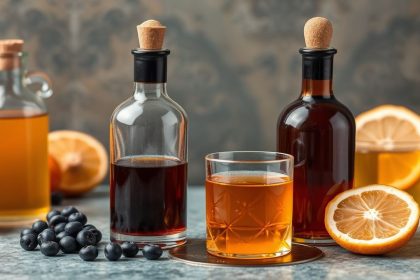
For creative cocktails, infuse cold-brew syrups made from pellicle-affected beans to add layered complexity and deeper aroma notes.

| Nutrient | Per Serving (approx.) |
|---|---|
| Calories | 180 kcal |
| Protein | 25 g |
| Carbohydrates | 2 g |
| Fat | 8 g |
For further reading on related surface and preservation science, consult overview entries on fruit structure and tooth enamel, which provide background on surface biology that parallels pellicle behavior.
FAQ
What exactly forms a pellicle?
Proteins, lipids and polysaccharides from a material’s surface or environment bind and reorganize into a continuous film. Environmental factors — temperature, humidity and airflow — govern the film’s thickness and strength.
How can I tell when a pellicle is ready?
Look for a matte, slightly tacky surface that resists gentle rubbing. For smoked proteins, that tack improves smoke adhesion; for roasted beans, a consolidated surface signals stable volatile retention.
Are pellicles safe?
Yes, when formed on fresh, healthy ingredients and handled correctly. Avoid forming pellicles on spoiled or moldy material, and maintain cold-chain or refrigeration for perishable items.
Can I speed up pellicle formation?
Speed changes with humidity and temperature. Slightly increased airflow and controlled salt or sugar application can accelerate surface drying, but avoid high heat that damages delicate tissues.
Do pellicles affect flavor?
They do. Pellicles change how volatile compounds escape and how smoke particles adhere, altering aroma and mouthfeel. Many chefs use pellicle formation as an intentional flavor tool.
For applied methods and recipes, review our internal materials on food preservation and coffee flavor profiles to integrate pellicle practice into regular kitchen workflows.
See also: Pellicle