By using this site, you agree to the Privacy Policy and Terms of Use.
Accept
CookOrBitCookOrBitCookOrBit
  • Home
  • About Us
  • Ingredient Science
    • Flavor & Aroma
    • Protein Chemistry
    • Sugar & Starch
    • Fats & Emulsions
  • Cooking Techniques
    • Searing & Grilling
    • Baking & Roasting
    • Boiling & Steaming
    • Low & Slow
  • Kitchen Experiments
    • DIY Ferments
    • Flavor Tests
    • Gadget Testing
    • Molecular Gastronomy
  • Food Myths
    • Searing Myth
    • 5-Second Rule
    • MSG Myths
    • Microwave Myths
  • Tools
  • More
    • Extra Picks
    • Quick & Easy
      • Breakfast Ideas
      • Desserts
      • Snacks
      • Soups
    • Global Flavors
      • Asian Street Eats
      • Latin Comforts
      • Mexican Flavors
      • Modern Mediterranean
CookOrBitCookOrBit
  • Home
  • About Us
  • Ingredient Science
  • Cooking Techniques
  • Kitchen Experiments
  • Food Myths
  • Tools
  • More
Search
  • Home
  • About Us
  • Ingredient Science
    • Flavor & Aroma
    • Protein Chemistry
    • Sugar & Starch
    • Fats & Emulsions
  • Cooking Techniques
    • Searing & Grilling
    • Baking & Roasting
    • Boiling & Steaming
    • Low & Slow
  • Kitchen Experiments
    • DIY Ferments
    • Flavor Tests
    • Gadget Testing
    • Molecular Gastronomy
  • Food Myths
    • Searing Myth
    • 5-Second Rule
    • MSG Myths
    • Microwave Myths
  • Tools
  • More
    • Extra Picks
    • Quick & Easy
    • Global Flavors
Follow US
  • Advertising Policy: 10 Practical Rules for Safe, Compliant Ads
  • Contact Us
  • Cookie Policy: Clear Guide for Site Owners
  • Copyright Notice Guide: 7 Essential Rules for Website Owners
  • Disclaimer
  • Privacy Policy
  • Terms of Service
By Fimaw.com
- Unlocking Flavor: The Magic of Culinary Syringes Explained
CookOrBit > Blog > Kitchen Experiments > Molecular Gastronomy > Unlocking Flavor: 7 Powerful Culinary Syringe Techniques
Molecular Gastronomy

Unlocking Flavor: 7 Powerful Culinary Syringe Techniques

William J. Kroll
By William J. Kroll
Published: September 29, 2025
Share
SHARE

Chefs use culinary syringes to place flavor where it matters: inside the protein, at the heart of a mousse, or along a plated line. The tool gives precise control over volume, depth, and placement, so every bite delivers an intended taste and texture.

Contents
  • Why chefs rely on culinary syringes
  • Tools: choosing the right syringe and accessory care
    • Capacity, needle gauge, and materials
  • Core techniques and practical applications
    • Meat and poultry injections
    • Dessert, pastry, and plating uses
  • Recipe: Infused chicken using a culinary syringe
    • Ingredients
    • Instructions
  • Sanitation, safety, and handling
  • Presentation and finishing techniques
  • FAQ
    • What is a culinary syringe and how does it differ from medical syringes?
    • Which liquids should I avoid injecting?
    • How much liquid should I inject into a single site?
    • Can syringes tenderize meat?
    • Where can I learn more about technique progressions?
  • Inject flavor inside proteins to achieve consistent seasoning throughout.
  • Use small volumes to protect texture while boosting taste.
  • Choose food-grade syringes and clean them immediately after use.
  • Experiment with warm and chilled infusions to vary viscosity and mouthfeel.

Why chefs rely on culinary syringes

Culinary syringes let cooks bypass surface-only seasoning and place concentrated flavors deep inside food. This is valuable when thick cuts of meat or layered desserts need uniform taste from edge to center.

Professional kitchens often borrow methods from modernist cuisine, where precise dosing and targeted delivery shape texture and aroma. Syringes fit naturally into that toolkit because they control both volume and location.

- Advertisement -

Tools: choosing the right syringe and accessory care

Select syringes made from food-grade materials and rated for culinary use, not medical disposables. Look for stainless-steel needles, clear barrels for visual control, and sizes that match intended volumes.

Disassemble and wash components immediately after use. Many syringes are dishwasher-safe, but hand-cleaning ensures small channels and needle hubs clear fully and prevents residue buildup that affects flavor and hygiene.

Capacity, needle gauge, and materials

A 10 ml syringe suits light infusions; larger syringes handle bulk brining or thick gels. Needle gauge controls flow: finer gauges deliver precision; wider gauges move viscous liquids faster.

- Advertisement -

Choose stainless steel needles for durability and silicone or PTFE seals for chemical resistance. Replace O-rings and seals when wear appears to maintain an airtight plunging action and prevent leaks.

Core techniques and practical applications

Injection technique matters more than equipment alone. Insert the needle to the desired depth, slowly depress the plunger while withdrawing the needle to create dispersed pockets of flavor, and repeat at measured intervals.

Different preparations work best with specific carriers. Use oils and buttery emulsions for fat-soluble aromatics, light syrups or reduced sauces for sweetness and acid, and gelatinous gels for textural surprises.

- Advertisement -

Meat and poultry injections

For roasts and breasts, disperse 5–15 ml per injection point depending on cut size. Inject along muscle fibers to avoid tearing and to promote even distribution as the meat rests and cooks.

Traditional marinades work well when paired with syringe delivery because they combine seasoning and tenderizing elements. Read about marinades and their roles on Marinade for background on acidity and enzymatic action.

Dessert, pastry, and plating uses

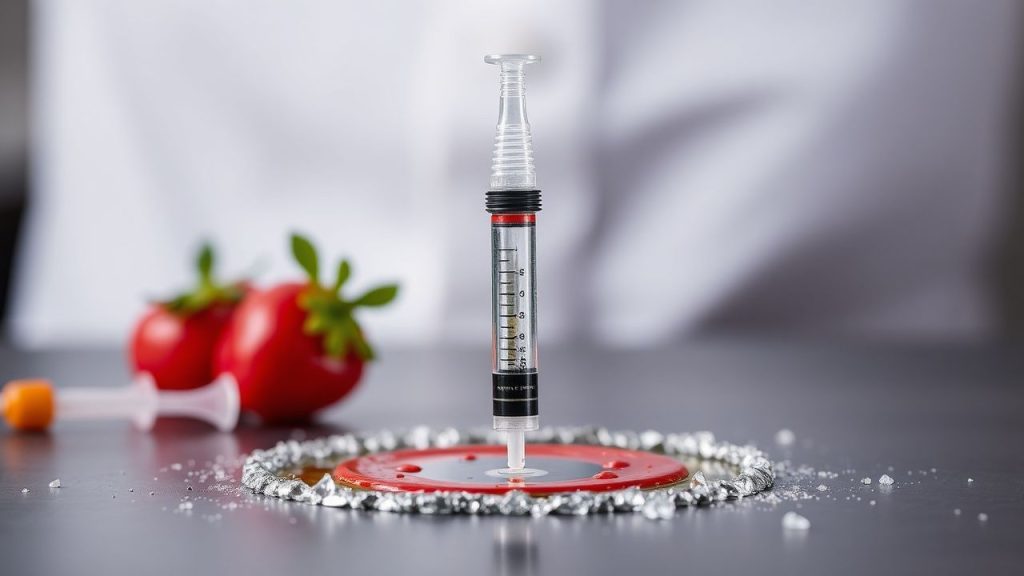
Syringes add concentrated fruit reductions, flavored gels, or liqueur to the center of choux buns, cakes, and custards without leaking. This keeps textures intact and avoids sogginess that surface soaking can cause.

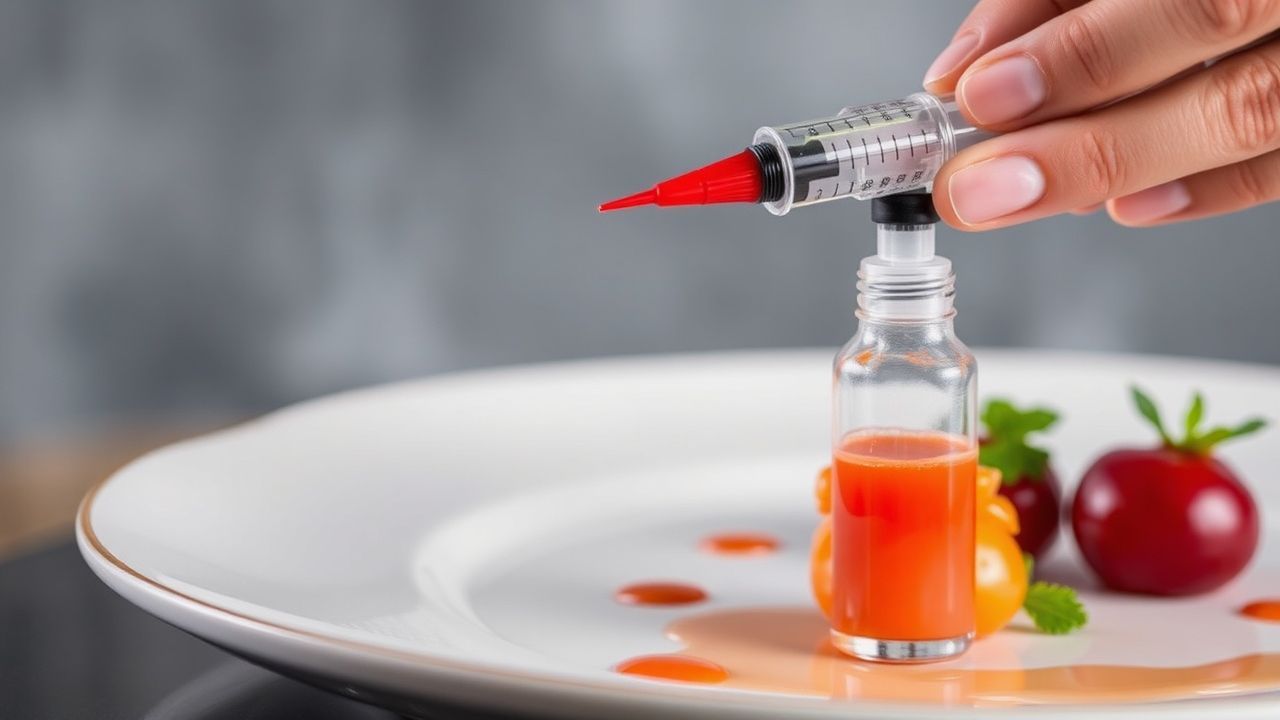
Use syringes as plating tools to draw fine lines, dots, and micro-patterns that guide the diner’s experience. Controlled placement maintains balance between elements and supports cleaner, more intentional plating.

💡 Expert Insight
Expert Insight: Start with low-viscosity infusions during practice sessions. Water-based syrups and thinned emulsions teach depth control and needle handling before attempting thick gels or hot infusions.

Recipe: Infused chicken using a culinary syringe

Preparation: 15 minutes. Cooking/Infusion: 10–15 minutes. Total Time: 30 minutes.

Yield: 4 servings. Difficulty: Medium — requires a steady hand and measured injections.

Ingredients

  • 1/2 cup rosemary-infused olive oil, strained and cooled
  • 1/4 cup reduced balsamic glaze, chilled to thicken
  • 2 tbsp lemon-honey syrup
  • 4 boneless chicken breasts, trimmed and pounded lightly
  • Salt and freshly ground black pepper, to taste
  • Microgreens and edible flowers, for garnish
  • 1 culinary syringe (10 ml), sterilized before use

Instructions

  1. Season the chicken with salt and pepper; let it rest while you prepare infusions.
  2. Load the syringe with rosemary oil, tap gently, and expel air bubbles before inserting.
  3. Insert and inject into the thickest section; withdraw slowly as you dispense a small, measured amount.
  4. Alternate flavors by repeating injections with lemon-honey syrup and balsamic glaze at different sites to layer taste.
  5. Chill the infused chicken in the refrigerator for 10–15 minutes to allow flavors to settle.
  6. Sear over medium heat about 5 minutes per side until the internal temperature reaches 165°F (75°C).
  7. Rest briefly, slice, and finish with remaining glaze and garnishes.

For a broader set of infusion recipes and modern techniques, consult our internal guide on modernist cooking techniques and the kitchen equipment guide for syringe care and selection.

Sanitation, safety, and handling

Use syringes only for food-grade applications and label dedicated sets for sweet and savory work to avoid cross-flavor contamination. Replace needles if bent or nicked to maintain clean tissue entry and consistent dosing.

Handle hot infusions with care: heated syringes increase pressure and can spray unexpectedly. Allow warm carriers to cool slightly to a safe dispensing temperature before filling the barrel.

⚠️ Pro-Caution
Pro-Caution: Never reuse disposable medical syringes for culinary purposes. Always use equipment designed and rated for food contact, and sterilize reusable culinary syringes between uses to prevent bacterial growth.

Presentation and finishing techniques

Syringes support visual storytelling on the plate. Use contrasting colors and textures and draw controlled dots or streaks that echo the infused flavor profile.

Finish proteins with a light sprinkle of flaky salt or a micro-herb scatter to amplify aroma at the moment of tasting. These small details signal care and precision to diners.
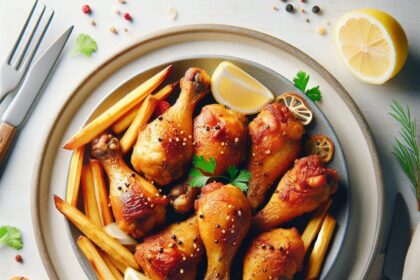
Infused chicken plated with microgreens

Nutrition (per serving) Amount
Calories 320 kcal
Protein 38 g
Carbohydrates 4 g
Fat 15 g

To understand the equipment lineage and basic syringe design, see the Syringe article. For background on animal proteins and muscle structure when injecting, consult the Meat entry.

FAQ

What is a culinary syringe and how does it differ from medical syringes?

A culinary syringe is built for food: it uses food-grade plastics or stainless steel and has broader gauges and larger capacities tailored to sauces and gels. Medical syringes prioritize sterility and single use, while culinary syringes are designed for repeated cleaning and varied viscosities.

Which liquids should I avoid injecting?

Avoid raw-plant pulps with large particulates and highly alcoholic liquids that can denature proteins unpredictably. Thick solids that clog needles also reduce control; prefer thinned gels or emulsions for syringe work.

How much liquid should I inject into a single site?

Start with 5–15 ml per injection point for medium cuts, adjusting by size and texture. Small, repeated injections produce more even flavor than a single large deposit.

Can syringes tenderize meat?

They can assist by delivering acidic or enzymatic marinades directly into muscle tissue, increasing contact and accelerating tenderization. However, syringes complement—not replace—traditional brining or low-and-slow cooking methods.

Where can I learn more about technique progressions?

Practice with neutral carriers, then progress to flavored emulsions and gels. Explore technique articles on our site, such as modernist cooking techniques, and pair reading with hands-on repetition for best results.

Apply these methods to produce consistent, layered flavors. With measured injections and careful hygiene, culinary syringes become an efficient, creative extension of your technique set.

See also: Culinary syringes
7 Powerful Truths About Searing: The Sealing-Juices Myth Exposed
7 Winning Tips to Make Fermented Foods Fun for Family Meals
7 Science-Backed Steps to Unlock Clean Cooking Water
7 Pro Tips for Velvety Carrot Soup: Creamy Comfort Made Simple
Salt Fermentation Mastery: 7 Rules to Perfectly Balance Your Ferments
TAGGED:andculinaryflavorgelsmagicsyringesyringestheunlockingusewith
Share This Article
Facebook Pinterest Whatsapp Whatsapp LinkedIn Telegram Threads
What do you think?
Love0
Sad0
Happy0
Sleepy0
Angry0
Dead0
Wink0
Previous Article - Flavor Test: Garlic's Journey from Raw to Roasted Bliss 7 Expert Techniques to Roast Garlic for Deep, Sweet Flavor
Next Article - Unveiling the Science Behind Infrared Burner Magic 7 Proven Ways Infrared Burners Deliver Efficient Heat
Creamy Garlic Chicken with melted Parmesan and fresh herbs on a rustic white plate
Garlic Chicken: 7 Ultimate Brilliant Recipes to Make the Best-Ever Creamy Garlic Chicken with Parmesan & Fresh Herbs
Extra Picks
Colorful bowls of Leftover Couscous transformed into salads, fritters, and stuffed peppers.
12 Amazing Practical Leftover Couscous Ideas: Brilliant Ways to Reuse and Remix
Uncategorized
Colorful jars of spice blends beside steaming couscous with herbs and lemon
7 Ultimate spice blends That Transform Your Couscous — Amazing Best Flavor Boosts
Uncategorized
Bowls of gluten-free couscous alternatives: quinoa, millet, cauliflower, and rice
10 Amazing couscous alternatives: Best Gluten-Free Swaps for Incredible Flavor
Uncategorized

Tags

and art baked baking science baking techniques Baking tips batch cooking beef behind browning techniques butternut squash caramelization cast iron skillet chemistry chicken comfort food Cooking science cooking technique Cooking techniques Cooking tips crafting creamy creamy soup crispy culinary science fish flavor flavor chemistry food food safety Food science for garlic golden Ground turkey hearty heat high-heat cooking high protein meals how instant read thermometer Lean protein magic Maillard reaction make ahead meals make ahead soup mastering meal prep Meal prep recipes meat thermometer microwave microwave cooking moisture control one pot meals Pan searing perfect perfectly Plant based protein Probe thermometer protein denaturation Quick dinners roasted roasted squash roasted tomato soup Roasted vegetables Roasting techniques savor savory science Searing technique Searing techniques secrets slow cooking squash steak steak cooking sweet temperature control the top turkey turkey soup turkey stew ultimate umami cooking umami flavor unlock unlocking unveiling vegetable velvety weeknight dinner Weeknight dinners weeknight meals what when why with your zesty
April 2026
M T W T F S S
 12345
6789101112
13141516171819
20212223242526
27282930  
« Mar    

You Might Also Like

Hearty Beef and Rice Stew: A Comforting Culinary Classic
Extra Picks

7 Pro Tips for Hearty Beef Stew with Rice: Comforting Classic

William J. Kroll
William J. Kroll
January 20, 2026
- Cracking the Code: Explaining Food Safety to Skeptics
5-Second Rule

Cracking the Code: 7 Practical Food Safety Steps for Skeptics

William J. Kroll
William J. Kroll
November 10, 2025
Savor the Flavors: Ultimate Guide to Chicken Souvlaki Pita
Extra Picks

Savor the Flavors: 10 Pro Tips for Perfect Chicken Souvlaki Pita

William J. Kroll
William J. Kroll
January 22, 2026
- Microwave Boiling Showdown: How Liquids React Differently
Microwave Myths

Microwave Boiling Revealed: 7 Expert Ways Liquids Behave

William J. Kroll
William J. Kroll
September 29, 2025
- Mastering Airlocks: Top Tips for Perfect Fermentation
DIY Ferments

Mastering Airlocks: 12 Expert Tips for Perfect Fermentation

William J. Kroll
William J. Kroll
October 29, 2025
- Unlocking Allicin: The Science Behind Garlic's Pungent Punch
Flavor & Aroma

Allicin Unlocked: 7 Science-Backed Facts About Garlic’s Pungent Punch

William J. Kroll
William J. Kroll
October 3, 2025
Follow US
By Fimaw.com © All Rights Reserved.
  • Advertising Policy: 10 Practical Rules for Safe, Compliant Ads
  • Contact Us
  • Cookie Policy: Clear Guide for Site Owners
  • Copyright Notice Guide: 7 Essential Rules for Website Owners
  • Disclaimer
  • Privacy Policy
  • Terms of Service
Welcome Back!

Sign in to your account

Username or Email Address
Password

Lost your password?