

Savor the Flavor: Roasted Butternut Squash Pasta Delight
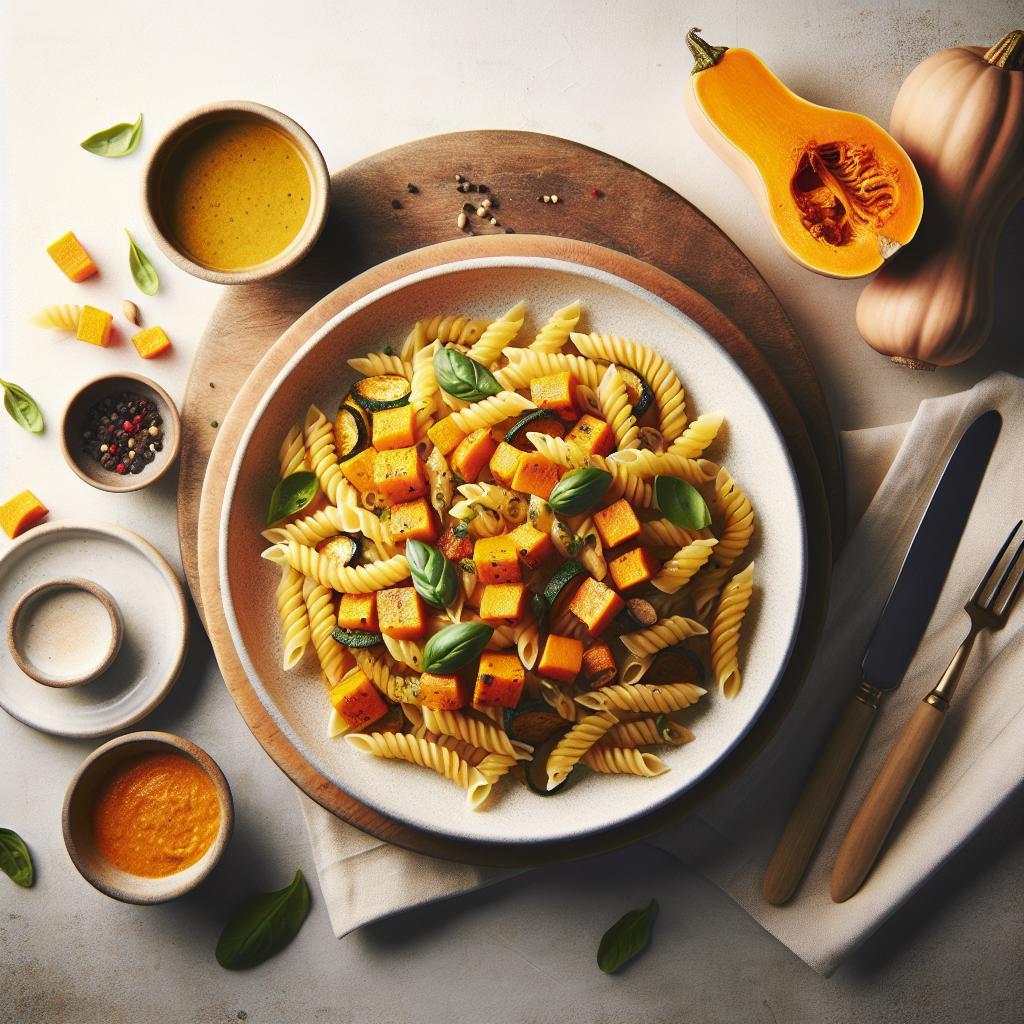
Roasted butternut squash and pasta form a seasonal main that balances sweet caramel notes with savory depth. The method hinges on high-heat roasting, tight seasoning, and a sauce that clings to broad shapes for maximum bite.
- Embracing the Vibrant Harmony of Roasted Butternut Squash Pasta Delight
- Prep and Cook Time
- Yield
- Difficulty Level
- Ingredients
- Instructions
- Tips for Success
- Serving Suggestions
- Nutrition Snapshot
- Practical Notes and Sources
- FAQ
- How do I pick the best butternut squash?
- Can I make this dish vegan without losing richness?
- Which pasta shapes trap this sauce best?
- How should I store leftovers and reheat them?
- What are good add-ins to elevate texture and flavor?
- Closing Remarks
- Roast to concentrate flavor: dry heat caramelizes sugars and adds depth.
- Puree for body: a smooth squash purée yields a silky, clingy sauce with minimal dairy.
- Finish with acid and texture: bright lemon or toasted seeds lift richness.
Embracing the Vibrant Harmony of Roasted Butternut Squash Pasta Delight
Roasting transforms the flesh of the vegetable into a rich, savory-sweet base that works exceptionally with wide or ridged pasta shapes. The dry-heat Maillard reaction at the edges concentrates sugars and develops complexity that a simple simmer cannot match.
Choose a ripe specimen for the best sweetness and texture when pureeing. For reference on the crop and varieties, consult the butternut squash entry.
Prep and Cook Time
Preparation: 15 minutes. Cooking: 40 minutes. The bulk of the active time goes to roasting; plan to use that window efficiently.
Allow about 55 minutes total so the squash cools slightly before blending and the pasta finishes while the squash rests. Boil pasta toward the end of roasting to keep timing tight and maintain al dente texture.
Yield
This recipe yields 4 generous portions and scales linearly: double the squash and broth for 8 portions while retaining roast temperature and time. Scaling keeps oven conditions consistent and predictable.
When halving, use a smaller sheet to avoid over-browning caused by crowding. Increase pasta slightly for heartier servings or to feed larger appetites.
Difficulty Level
Rated Easy to Medium for home cooks. The key techniques are even roasting, careful blending, and adjusting sauce consistency with reserved pasta water.
If you can sauté aromatics and use a blender, this recipe fits a weeknight rotation. Taste as you go and adjust seasoning so the squash and herbs read clearly on the plate.
Ingredients
Ingredient quality affects the final plate markedly; choose a firm squash, fresh herbs, and a properly aged hard cheese to lift the sauce. Prefer pasta shapes with surface area or grooves so the purée adheres well.
For pantry planning, see related recipes and ingredient notes at our internal pages for Butternut squash and oven-roasted vegetables. Also review the basics of pasta shapes when selecting noodles.
- 1 medium butternut squash (about 2 pounds), peeled, seeded, and cubed
- 3 tablespoons olive oil, divided
- Salt and freshly ground black pepper, to taste
- 12 ounces pasta (fettuccine, pappardelle, or rigatoni work well)
- 2 cloves garlic, finely minced
- 1 small yellow onion, finely diced
- 1 cup vegetable broth
- 1/2 cup heavy cream or plant-based cream
- 1/4 cup grated Parmesan (or aged hard cheese)
- 1 tablespoon fresh sage, finely chopped
- 1 tablespoon fresh thyme, leaves only
- Toasted pumpkin seeds (pepitas) optional, for garnish
Instructions
Preheat the oven to 425°F (220°C) and use a rimmed baking sheet for even roast airflow. Toss squash cubes with 2 tablespoons oil, salt, and pepper and spread in a single layer to ensure browning instead of steaming.
Follow the sequence below and keep the pasta timing tight so both components finish simultaneously. Reserve 1/2 cup of starchy pasta water before draining; this liquid is crucial for binding and sheen.
- Roast the squash: Roast 30–35 minutes, turning once, until edges caramelize and flesh is tender.
- Cook the pasta: Boil in well-salted water until al dente. Reserve 1/2 cup pasta water and drain.
- Sauté aromatics: Warm remaining oil in a skillet over medium heat and cook onion until translucent, about 5 minutes. Add garlic and cook 30–60 seconds until fragrant.
- Simmer with broth: Add roasted squash and pour in vegetable broth. Simmer 3–5 minutes to loosen the mixture and marry flavors.
- Puree the sauce: Purée using an immersion blender or in batches in a countertop blender until smooth. Return to low heat.
- Finish the sauce: Stir in cream, Parmesan, sage, and thyme. Season and thin with reserved pasta water, a tablespoon at a time, until the sauce is glossy and clings to pasta.
- Toss with pasta: Combine pasta with the sauce off the heat so the dairy does not separate. Serve immediately with extra cheese and toasted seeds.
Maintain medium-low heat after adding dairy to prevent separation and curdling. If the sauce tightens too much, add more pasta water or a splash of broth until the texture restores to a glossy cling.
Tips for Success
Do not overcrowd the roasting pan; space between cubes allows edges to brown rather than steam. Use a high-heat oven and flip once halfway through to ensure even caramelization.
For texture control, pass the purée through a fine mesh for an ultra-smooth sauce or pulse gently for a rustic finish with small pumpkin flecks. Reserve pasta water to bind and control viscosity precisely.
Serving Suggestions
Serve the pasta in shallow bowls so the golden sauce presents well and aromas lift from the plate. Finish with a drizzle of extra virgin olive oil, a squeeze of lemon if desired, and a sprig of fresh sage for visual contrast.
Toast pumpkin seeds in a dry skillet for 2–3 minutes and sprinkle just before serving for crunch. Pair with a crisp green salad dressed in lemon vinaigrette; see our green salad recipe for a bright match.
Nutrition Snapshot
Per serving, this plate balances carbohydrates, protein, and fat suitable for a main course. Values vary with swaps; heavy cream and cheese increase calories while cashew cream or light dairy reduces them.
| Nutrient | Per Serving |
|---|---|
| Calories | 460 kcal |
| Protein | 14 g |
| Carbohydrates | 60 g |
| Fat | 15 g |
To cut calories, swap heavy cream for blended cashews or a light dairy alternative. To raise protein, choose legume-based pasta or fold in white beans before blending for added texture and nutrition.
Practical Notes and Sources
Roasting is a dry-heat technique that drives reactions between amino acids and sugars for flavor development. For a concise overview of the method and science, consult the roasting (cooking) article.
When selecting cheese, seek out properly aged options that melt and add umami; Parmigiano-Reggiano is a classic match for winter squashes. For herb pairing notes, review the sage profile and adjust quantities to taste.
FAQ
How do I pick the best butternut squash?
Choose a squash that feels heavy for its size and has a firm, unblemished rind. A deeper tan color typically indicates maturity and a sweeter flesh, which reduces the need for added sweeteners.
Can I make this dish vegan without losing richness?
Yes. Replace cream with blended cashews or full-fat coconut milk and use nutritional yeast or a vegan Parmesan alternative for umami. Adjust salt and acid to taste to balance perceived richness.
Which pasta shapes trap this sauce best?
Wide ribbons like fettuccine and pappardelle or tubes like rigatoni catch and hold puréed sauce effectively. Textured surfaces and grooves improve the sauce-to-pasta ratio in every bite.
How should I store leftovers and reheat them?
Store cooled leftovers in an airtight container for up to 3 days. Reheat gently in a skillet with a splash of broth or water to restore creaminess and prevent drying.
What are good add-ins to elevate texture and flavor?
Toast walnuts, pepitas, or pine nuts for crunch; finish with lemon zest for brightness. For an aromatic garnish, sauté thin sage leaves in butter or oil until crisp and sprinkle over the plated dish.
Closing Remarks
This roasted butternut squash pasta relies on straightforward technique and careful timing to deliver high sensory payoff. With deliberate roasting, balanced seasoning, and targeted finishing touches, the dish performs well for weeknights and dinner parties alike.
Use the method and swaps provided to tailor the recipe to your pantry and dietary needs. Consistent roasting and thoughtful finishing will yield a creamy, balanced plate that highlights autumn produce.
See also: Butternut Squash
See also: Butternut pasta