

Savor the Flavors: Ultimate Guide to Chicken Souvlaki Pita
Savor the sizzle and balance of a classic chicken souvlaki pita. This guide breaks down marinade science, grilling technique, sauce building, and assembly so you can replicate authentic results at home.
- Introduction and Culinary Context
- Prep and Cook Time
- Yield
- Difficulty Level
- Ingredients Overview
- Detailed Instructions
- 1. Prepare the Chicken Marinade
- 2. Make the Tzatziki Sauce
- 3. Preheat and Prepare Grill
- 4. Grill the Chicken
- 5. Warm the Pita Bread
- 6. Assemble the Souvlaki Pita
- Tips for Success
- Serving Suggestions
- Storage and Leftovers
- Nutrition Snapshot
- Visuals
- FAQ
- What is chicken souvlaki pita?
- How long should I marinate the chicken?
- Can I use wooden skewers?
- How do I prevent soggy pita?
- Can I swap proteins or modify for dietary needs?
- Further Reading
- Key technique: Marinate thighs 2+ hours for optimal juice retention.
- Grill tip: Medium-high heat yields char without drying the protein.
- Assembly: Warm pita, cool tzatziki; contrast drives appeal.
- Storage: Use leftovers within 3 days for safety and quality.
Introduction and Culinary Context
Chicken souvlaki pita combines marinated, skewered chicken with flatbread and a cooling sauce. Its roots sit firmly in Greek culinary tradition and street food culture.
For historical and cultural context, sour your reading from the souvlaki and Greek cuisine pages. Those sources explain how simple ingredients produce layered flavors.
Prep and Cook Time
Prep Time: 20 minutes active, plus 2 hours marinating minimum. Plan overnight marination for deeper flavor penetration.
Cook Time: About 12–15 minutes on the grill at medium-high heat. Rest skewers 3 minutes before assembly to retain juices.
Yield
Serves 4 generously filled pita sandwiches when using 1.5 lb of chicken thigh. Adjust portions by 4 oz of raw protein per person for typical servings.
Leftovers keep well and repurpose easily in salads or grain bowls for additional meals. Chill within two hours to meet food safety standards.
Difficulty Level
Rated medium. The primary skills needed are consistent knife work, marinade balance, and grill temperature control. These are repeatable with practice.
Even beginners can succeed by following timing and temperature guidelines. Use an instant-read thermometer to verify an internal temp of 165°F (75°C).
Ingredients Overview
This section lists core components and why each matters. Understanding ingredient roles helps you adjust for texture and flavor.
Use boneless, skinless thighs for superior moisture. For background on bread structure and its role, see the pita entry.
For the Chicken Marinade
1.5 lb boneless, skinless chicken thighs, 3 tbsp extra virgin olive oil, 3 tbsp lemon juice, 4 garlic cloves minced, 1 tbsp dried oregano, 1 tsp smoked paprika, 1 tsp salt, 1/2 tsp black pepper, 1 tsp honey optional.
Olive oil carries fat-soluble aromatics and protects against direct heat. Use extra virgin olive oil for flavor; refer to the olive oil page for varietal notes.
For the Pita and Toppings
4 large Greek-style pita breads, 1 cup diced cucumber, 1 cup cherry tomatoes halved, 1/4 cup thinly sliced red onion, 1/2 cup chopped parsley, 1/2 cup crumbled feta optional, lemon wedges to serve.
Choose pitas that are soft and pliable. If you prefer whole-grain alternatives, check label freshness and avoid overly dense loaves to maintain pliability when wrapped.
For Traditional Tzatziki Sauce
1 cup strained Greek yogurt, 1/2 cucumber grated and drained, 2 garlic cloves finely minced, 1 tbsp fresh dill chopped, 1 tbsp lemon juice, salt and pepper to taste.
Tzatziki provides cool acidity and texture contrast that balances grilled meat. Proper drainage of grated cucumber prevents watery sauce and soggy pita.
Detailed Instructions
Follow the workflow: marinade, sauce, grill, warm pita, assemble. Each step affects the final product’s balance and mouthfeel.
Read each numbered step and prepare mise en place to keep cook time efficient and consistent.
1. Prepare the Chicken Marinade
Whisk olive oil, lemon juice, garlic, oregano, smoked paprika, salt, pepper, and optional honey. Add cubed chicken and toss to coat evenly.
Cover and refrigerate at least two hours; overnight yields stronger aromatic uptake. Bring the chicken to near-room temperature before grilling for even cooking.
2. Make the Tzatziki Sauce
Combine strained Greek yogurt, drained grated cucumber, garlic, dill, and lemon juice. Season with salt and pepper and chill to allow flavors to meld.
Press the cucumber to remove excess moisture using a fine sieve or cheesecloth. A denser tzatziki clings better to pita and avoids sogginess.
3. Preheat and Prepare Grill
Heat your grill to medium-high and oil the grates lightly to prevent sticking. Aim for a surface temperature that sears without burning—roughly 400°F for direct grilling.
If using charcoal, wait until coals show a light ash layer for consistent radiant heat. For gas grills, allow 10–15 minutes of preheat time for even heat distribution.
4. Grill the Chicken
Thread marinated cubes onto skewers with small gaps between pieces for airflow. Grill 3–4 minutes per side until a thermometer reads 165°F (75°C).
Resist overcooking; remove skewers slightly under target and rest 2–3 minutes. Resting equalizes juices and prevents dryness when you slice or remove from skewers.
5. Warm the Pita Bread
Place pitas on the grill for 1–2 minutes, flipping once. Warm but do not char heavily so the bread stays flexible for wrapping.
Alternatively, heat pitas in a hot skillet or oven for similar results. Keep them covered in a tea towel to retain softness until assembly.
6. Assemble the Souvlaki Pita
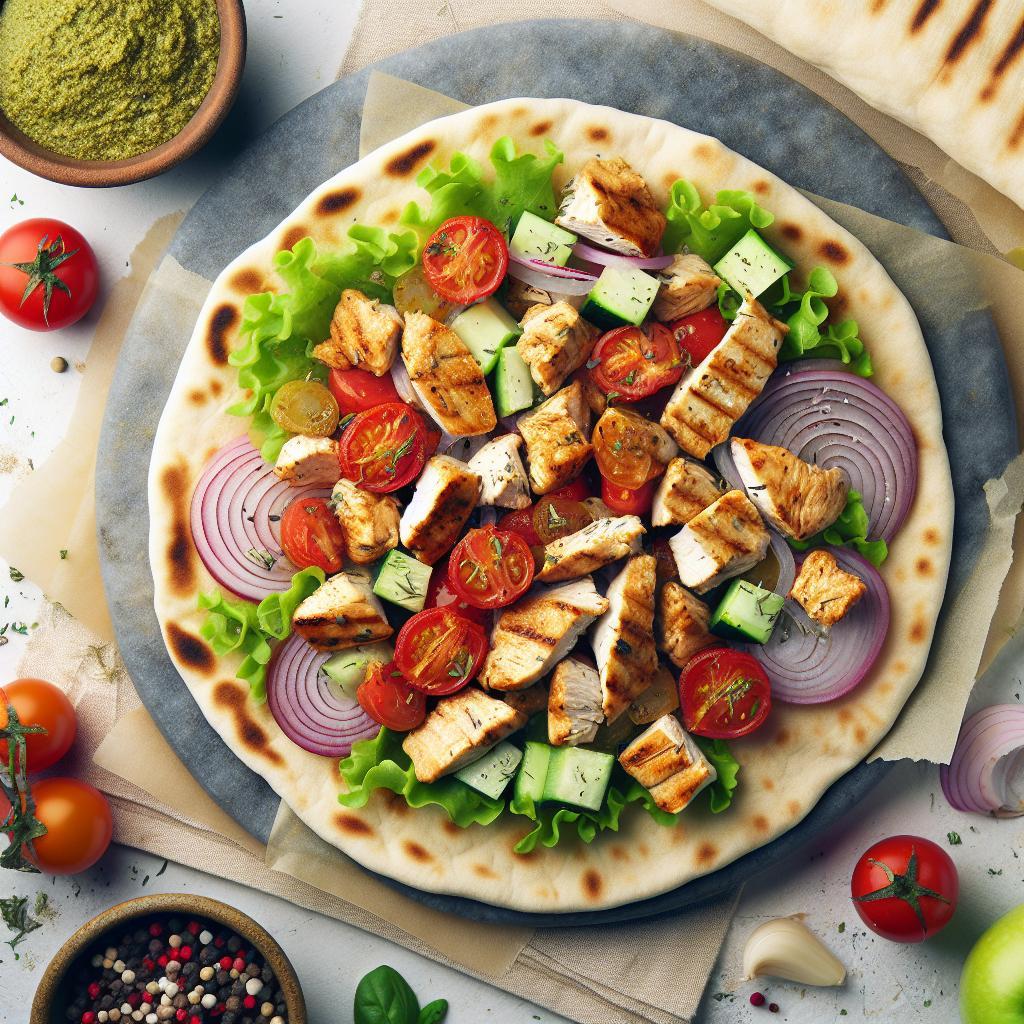
Spread a spoonful of tzatziki on each pita. Layer with grilled chicken, cucumber, tomatoes, sliced onion, parsley, and a sprinkle of feta if desired.
Finish with a squeeze of lemon for brightness and serve immediately to maintain the temperature contrast between warm meat and cool sauce.
Tips for Success
Small adjustments materially affect texture and flavor. Use thighs for juiciness, maintain grill discipline, and keep sauces on the thicker side to avoid soggy bread.
Trim excess fat that would cause flare-ups. If you prefer leaner cuts, adjust marination times and monitor temperatures more frequently.
Let the chicken rest after grilling; this step is non-negotiable for juicy results. Slightly undercook by a few degrees and allow carryover heat to finish the job.
Use an instant-read thermometer for safety and precision. Over-reliance on visual cues leads to inconsistent doneness.
Serving Suggestions
Serve souvlaki pita with Greek lemon potatoes or a simple village salad for a balanced plate. Light, acidic sides complement the rich, grilled protein.
For beverage pairing, try a crisp white like Assyrtiko or a light lager. Offer extra lemon wedges and a side of pickled peppers for guests who like heat.
Storage and Leftovers
Refrigerate leftover chicken and tzatziki separately in airtight containers within two hours. Consume within three days for best quality.
Reheat chicken gently in a low oven or on a skillet to avoid overcooking. Use leftovers chopped over greens or in grain bowls for quick meals.
Nutrition Snapshot
Per serving estimate: 450 kcal, 38g protein, 30g carbs, 18g fat. Nutrient values vary with pita type and optional feta inclusion.
Use Greek yogurt and lean protein to boost protein density. Adjust portion sizes to meet dietary goals and track added fats like olive oil and cheese.
Visuals

High-resolution food photos increase click-through and dwell time. Showcase cross-sections and close-ups of sauce texture for best effect.
FAQ
What is chicken souvlaki pita?
Chicken souvlaki pita pairs marinated, grilled chicken with pita and a cooling sauce. It originated as portable Greek street food and emphasizes contrast between warm meat and cool sauce.
How long should I marinate the chicken?
Marinate at least two hours and up to overnight. Longer marination increases flavor uptake but monitor salt content if you go past 12 hours.
Can I use wooden skewers?
Yes, soak wooden skewers for 30 minutes before grilling to prevent burning. Metal skewers heat quickly and help cook evenly, but both work with proper handling.
How do I prevent soggy pita?
Drain grated cucumber thoroughly for tzatziki and keep sauces slightly thick. Warm pita briefly and serve toppings on the side for make-ahead situations.
Can I swap proteins or modify for dietary needs?
Swap chicken for lamb, pork, or firm fish; adjust marination times accordingly. For low-carb diets, serve the components as a salad or use lettuce wraps instead of pita.
Further Reading
Explore these Wikipedia resources for deeper context: Tzatziki, Pita, and Olive oil. These entries explain traditional ingredients and methods in more detail.
Apply these techniques and adjust seasoning to personal taste. With practice, you will produce consistently tender, flavorful chicken souvlaki pita that stands up to authentic expectations.
See also: souvlaki pita