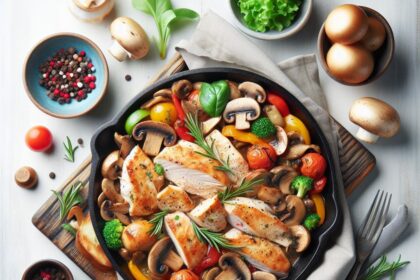

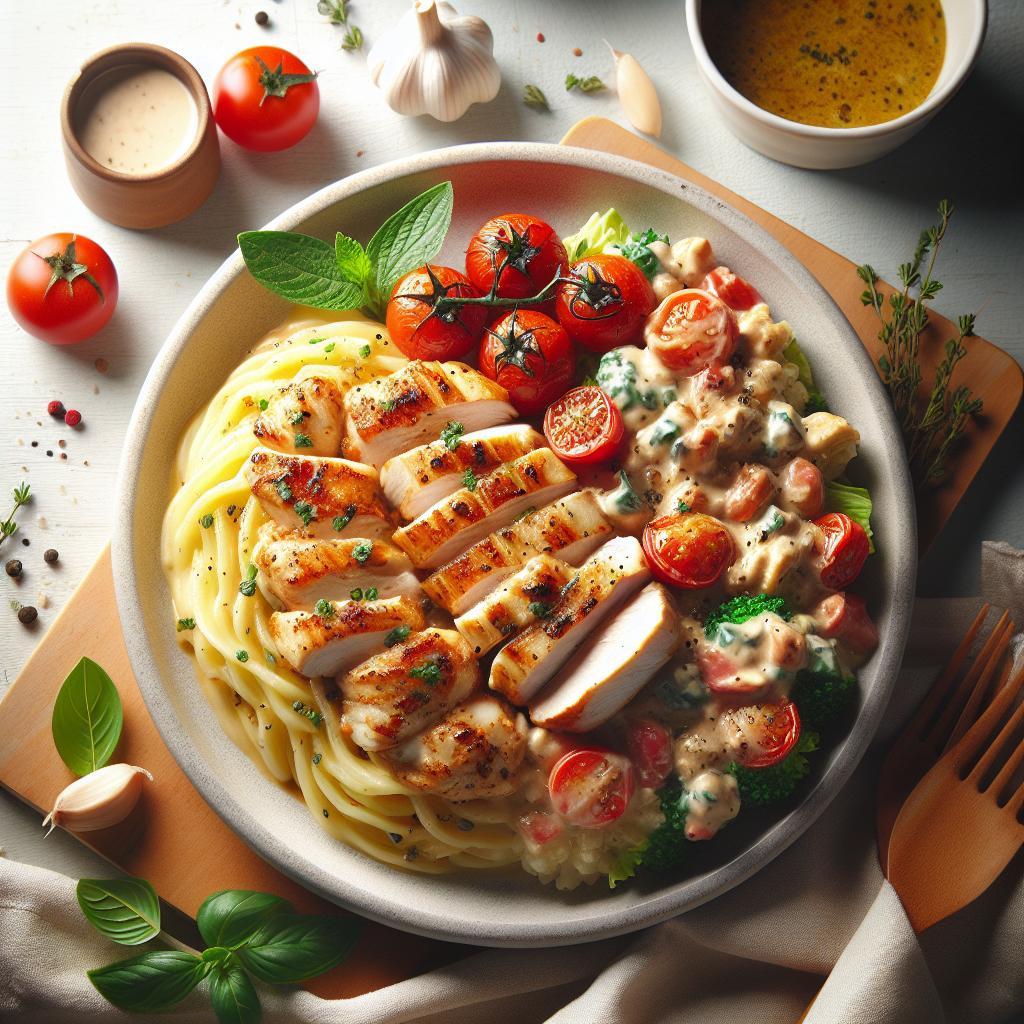

Savory Secrets to Perfectly Creamy Garlic Chicken Delight starts with deliberate technique and precise timing. The goal is a silky sauce that clings to tender chicken, with garlic layered, never harsh. Garlic quality and how you handle it determine the final aroma and depth.
- Overview
- Prep and Cook Time
- Yield and Difficulty
- Ingredients
- Instructions
- Tips for Success
- Serving Suggestions
- Nutrition and Portioning
- Recipe Variations
- FAQ
- What makes garlic chicken so creamy and flavorful?
- Can I use garlic powder instead of fresh garlic?
- How do I prevent the sauce from separating?
- Which chicken cut is best for this recipe?
- How do I adapt this for dietary restrictions?
- Final Notes
- Use even-thickness chicken for uniform cooking and consistent juiciness.
- Sauté garlic briefly to unlock sweetness without bitterness.
- Slowly combine cream and broth to prevent separation and encourage a glossy finish.
- Rest cooked chicken so juices re-distribute before plating.
Overview
This recipe balances rich dairy with savory aromatics to produce a restaurant-style sauce at home. It favors technique: searing, deglazing, and gentle simmering to stabilize emulsion and flavor.
I frame the method for home cooks who want repeatable results, and I reference culinary science where it clarifies decisions. For example, fat content in cream affects sauce stability and mouthfeel.
Prep and Cook Time
Preparation: 15 minutes. Keep mise en place: mince garlic, measure cream and broth, and pat chicken dry to promote a good sear.
Cooking: 30 minutes. Work on medium heat: sear, deglaze, and then simmer gently to thicken without curdling.
- Total: 45 minutes
Yield and Difficulty
Serves 4 generous portions. The method works for both boneless breasts and thighs with minor timing tweaks.
Difficulty: Medium. The techniques are straightforward but require attention to heat control and timing to prevent overcooking and sauce separation.
Ingredients
Use fresh, high-quality items for best results. Fresh garlic and a high-fat cream deliver the signature flavor and texture.
- 4 boneless, skinless chicken breasts, trimmed and pounded to even thickness
- 6 cloves garlic, finely minced
- 1 ½ cups heavy cream (or half-and-half for lighter creaminess)
- 2 tablespoons unsalted butter
- 2 tablespoons olive oil
- 1 teaspoon smoked paprika
- 1 tablespoon fresh thyme leaves, roughly chopped
- 1 tablespoon fresh parsley, finely chopped, for garnish
- Salt and freshly ground black pepper, to taste
- ½ cup low-sodium chicken broth
- 1 teaspoon Dijon mustard
If you substitute, maintain balance: lower-fat dairy reduces richness, while coconut cream changes aromatics and sweetness. For herb context, see thyme.
Instructions
Follow order of operations: season, sear, remove, deglaze, add dairy, and finish. That sequence preserves fond, which drives deep savory notes in the sauce.
- Prepare the chicken: Season the breasts with salt, pepper, and smoked paprika. Let them rest 10 minutes at room temperature for even seasoning absorption.
- Infuse the garlic: Heat olive oil over medium. Add minced garlic and sauté 1–2 minutes until fragrant; avoid browning to prevent bitterness.
- Cook the chicken: Add butter, then sear chicken 5–6 minutes per side until golden and cooked through. Remove and tent with foil to hold juices.
- Create the cream base: Lower heat. Pour in chicken broth and scrape the pan to release browned bits. Whisk in heavy cream and Dijon mustard until smooth.
- Simmer to perfection: Add thyme and season. Simmer gently 4–6 minutes until sauce thickens slightly; stir to keep texture uniform.
- Reunite chicken and sauce: Return chicken to skillet, spoon sauce over pieces, and let warm 3–4 minutes to marry flavors.
- Finish and garnish: Remove from heat and sprinkle parsley just before serving for a fresh lift.
Use a thermometer: 160–165°F (71–74°C) internal for breasts ensures doneness without dryness. Let the chicken rest for a few minutes off heat to allow carryover cooking and juice redistribution.
Tips for Success
Pound chicken to uniform thickness to reduce overcooked edges and undercooked centers. Consistent thickness shortens timing guesswork.
Control garlic heat: add it early to flavor the oil, but remove from direct high heat to avoid bitter notes. Gentle color yields sweet, aromatic garlic.
- Even thickness: Aim for about ¾-inch for consistent searing.
- Cream options: Heavy cream gives the most stable emulsion; half-and-half or cashew cream are alternatives.
- Herb balance: Fresh thyme is classic; try rosemary sparingly to avoid overpowering garlic.
- Thickening tip: If needed, a small cornstarch slurry stabilizes a sauce without adding flouriness.
Make-ahead strategies work: prepare sauce up to the simmer stage, cool quickly, and reheat gently with chicken. Reheat on low to maintain emulsion and texture.
Serving Suggestions
Serve the chicken over fluffy mashed potatoes or creamy polenta to catch every spoonful of sauce. Both starches enhance the mouthfeel and balance richness.
Offer roasted asparagus or sautéed green beans for crunch and brightness. A squeeze of lemon or grated Parmesan adds contrast and lifts the savory profile.
Pair with complementary sides from the same kitchen flow. Try the recipe linked in the site collection for a complementary rice or risotto: classic creamy risotto. For make-ahead sauce techniques see make-ahead sauces.
Nutrition and Portioning
Calculated per serving, this dish focuses on protein and fat with minimal carbohydrates. Use low-sodium broth and adjust butter to control total sodium and fat content.
| Nutrition | Per Serving |
|---|---|
| Calories | 450 kcal |
| Protein | 42 g |
| Carbohydrates | 4 g |
| Fat | 28 g |
Adjust portions and sides for dietary needs: swap mashed potatoes for cauliflower mash for a low-carb plate. For dairy-free, replace cream with full-fat coconut cream while understanding it alters flavor.
Recipe Variations
Thighs handle higher heat and longer sear times, and they yield richer mouthfeel due to intramuscular fat. Breasts remain lean and pair well with quick pan sauces.
Additions like a splash of white wine during deglazing or a pinch of smoked paprika deepen savory complexity. Use acidic finishes, such as lemon, sparingly to brighten the sauce.
For a Parmesan layer, sprinkle finely grated cheese into the sauce at the end and whisk briefly to melt. This adds umami and slightly thickens the sauce without cornstarch.

FAQ
What makes garlic chicken so creamy and flavorful?
Proper cream selection and controlled simmering create a stable emulsion that coats the chicken. Searing the chicken first builds fond; deglazing captures that flavor and disperses it into the sauce for depth.
Can I use garlic powder instead of fresh garlic?
Fresh garlic gives volatile aromatics and a sweeter cooked flavor that garlic powder cannot replicate. Use garlic powder only as a convenience option; reduce quantity and add it earlier in the process.
How do I prevent the sauce from separating?
Keep the heat moderate and whisk gradually when combining cream with pan liquids. If you must thicken, use a small cornstarch slurry off-heat and finish with gentle warming to maintain texture.
Which chicken cut is best for this recipe?
Boneless, skinless thighs remain juicier and tolerate longer cooking; breasts deliver lean tenderness when pounded to uniform thickness. Choose based on desired texture and adjust times accordingly.
How do I adapt this for dietary restrictions?
For low-carb plates, serve with steamed vegetables or cauliflower mash. For dairy-free, use coconut or cashew cream and expect a shift in aroma and sweetness; balance with lemon or mustard to compensate.
Final Notes
Execute this method consistently: sear for flavor, deglaze for depth, and simmer gently for sauce stability. The result rewards attention to heat and sequence with a reliably creamy, savory dish.
Practice these small steps and you will routinely deliver restaurant-caliber creamy garlic chicken at home. Trust technique over improvisation when you want predictable, elevated results.
See also: Garlic Chicken