

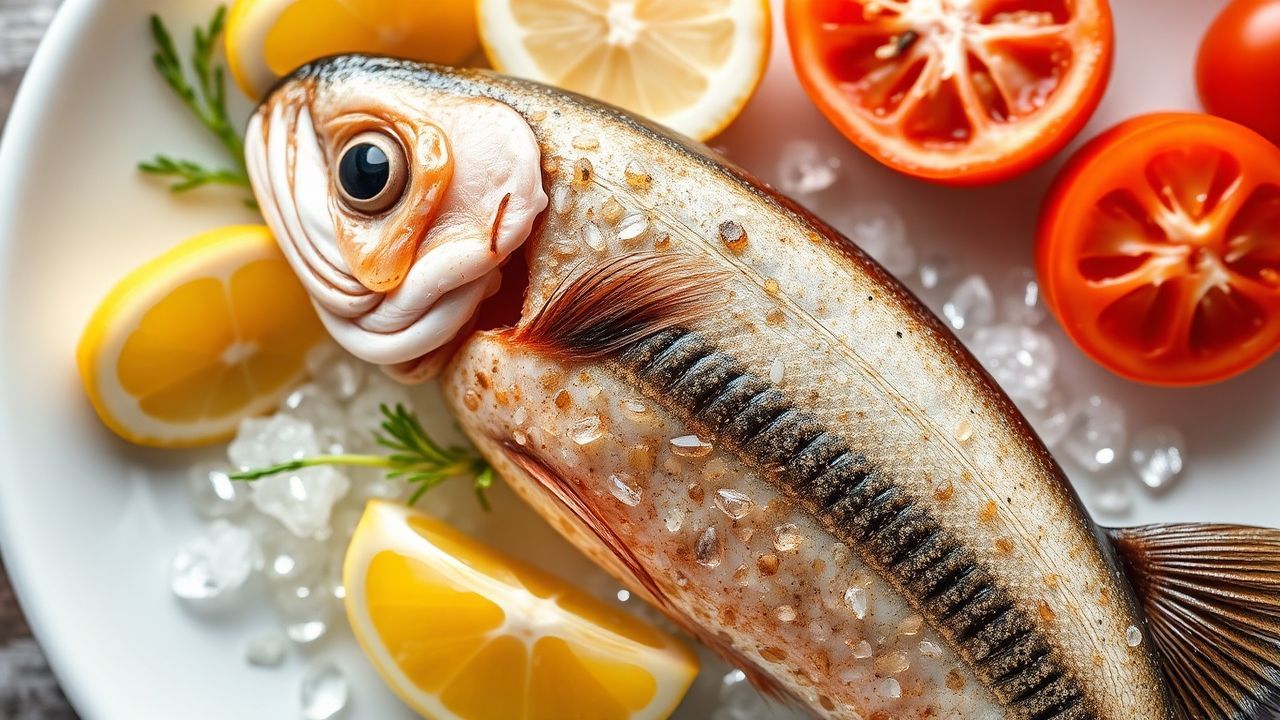

There is nothing like a fresh catch: delicate texture and bright ocean flavors make seafood special. When a fishy smell or off taste appears, it masks the best parts of the dish and reduces enjoyment.
- Why fish sometimes smells “fishy”
- How to assess fish freshness before you buy
- Quick kitchen fixes that really work
- Acid treatments (lemon, vinegar)
- Dairy soak (milk technique)
- Salt and water draws
- Spice, herb, and aromatic masking
- Types of fish and expected aroma levels
- Storage, thawing, and prevention
- Cooking methods that reduce fishy perception
- Practical examples and step-by-step routines
- In Retrospect
- FAQ
- Buy smart: check eyes, gills and flesh for true freshness.
- Neutralize fast: citrus, milk, and salt draws reduce odor quickly.
- Store cold: limit air exposure and control thawing to slow spoilage.
- Cook with intention: herbs, ginger and high-heat methods mask residual notes.
Why fish sometimes smells “fishy”
The classic fishy smell comes from chemical compounds that form as tissues break down. Trimethylamine is the most notable compound; it rises as fish age or spoil and produces that familiar odor to the nose.
These processes relate to natural enzymes, bacterial action, and the fish’s own biochemistry. Read more about trimethylamine and its properties to understand why a slight scent becomes pungent.
How to assess fish freshness before you buy
Visual and tactile checks give fast, reliable signs. Look for bright, clear eyes, shiny skin, firm flesh that springs back, and gills that are moist and red rather than brown or slimy.
Odor is important but not the only test: a faint ocean or briny scent is normal. If you want background reading on spoilage mechanisms, consult food spoilage references for context.
Quick kitchen fixes that really work
Short, targeted pre-cook treatments can neutralize many odor compounds. Use acid, dairy, or salt-based draws to reduce the free amines that trigger the fishy aroma.
Follow simple steps to see immediate improvement. Below are practical methods with timing and recipe-style clarity.
Acid treatments (lemon, vinegar)
A short soak or squeeze of citrus breaks down basic odor molecules and brightens flavor. Use lemon or a light splash of white vinegar for no more than 5–10 minutes to avoid ‘cooking’ the flesh.
For larger fillets, apply juice, let rest on a tray, then pat dry before seasoning. Learn why citrus helps by reviewing the chemistry of acids and odorous amines in food science sources.
Dairy soak (milk technique)
A brief milk soak pulls out soluble odorous compounds and leaves flesh milder. Submerge fillets in cold milk for 15–30 minutes, then rinse lightly and pat dry for cooking.
Milk contains casein, which binds some unwanted compounds and carries them away. This method suits delicate species where you want to preserve texture.
Salt and water draws
A saltwater rinse or brief brine evens flavor, firms tissue, and reduces volatile compounds. Use a light brine (about 1 tablespoon salt per cup of water) for 10–20 minutes for small fillets.
After brining, rinse with cold water and dry well. Brining also improves seasoning penetration and prevents dryness during cooking.
Spice, herb, and aromatic masking
Use ginger, garlic, dill, cilantro, or cumin in marinades to complement fish and mask residual notes. These aromatics add layers that distract from faint fishiness without hiding true freshness.
High-heat finishes — searing, broiling or grilling — add Maillard and smoky flavors that reduce perception of off-odors. Keep cook times short for lean species to avoid drying.
When a fish shows texture changes, sliminess, or an ammonia scent, cooking will not fix microbial or enzymatic spoilage. Trust sensory cues and local food-safety rules.
Use this tip for oily fillets that often carry stronger aromas. Apply citrus, pat dry, then refrigerate briefly before finishing at high heat.
Types of fish and expected aroma levels
Species matter. Oily fish contain more fats and naturally stronger flavors; lean whitefish tend to be milder. Knowing the species guides both purchase and preparation decisions.
Below is a quick reference table that helps you pick treatments based on fish type.
| Fish Type | Typical Aroma | Recommended Pre-cook Action |
|---|---|---|
| Oily (mackerel, sardine) | Stronger | Citrus rub, short milk soak, strong herbs |
| Moderate (salmon, trout) | Medium | Light brine, ginger, quick sear |
| Lean (cod, haddock, tilapia) | Milder | Salt rinse, gentle marinades |
For a broader taxonomy and biological context, see the general fish overview. Different species store fats and metabolites differently, which explains aroma variance.
Storage, thawing, and prevention
Control temperature, limit air exposure, and use appropriate packaging to slow chemical and microbial changes. Cold slows enzymes and bacteria; keep fish at 32°F (0°C) when possible until cooking.
When freezing, wrap tightly to prevent freezer burn and store at stable low temperatures. Thaw fish slowly in the refrigerator rather than at room temperature to maintain texture and reduce off-odors.
Use internal links to deepen your routine: consult our seafood storage guide and related fish recipes for method-specific tips and recipes tuned to each species.
Best-practice checklist
Buy same-day when possible and use within 1–2 days for optimum freshness. Label and rotate stored seafood to avoid keeping older items at the front of the fridge.
Keep a thermometer in your fridge and use airtight containers or vacuum sealers. These simple steps reduce exposure to air and protect flavor.
Cooking methods that reduce fishy perception
High-heat searing, grilling, and broiling add browned flavor that competes with any residual notes. Short, hot cooks preserve moisture while producing appealing aromatics.
Poaching in well-seasoned broth, using citrus in pan sauces, and finishing with fresh herbs can also lift flavors. Match the method to the fish: delicate fillets tolerate quick pan work; firm fish can take grill char.
Flavor pairing suggestions
- Dill, lemon and butter for mild white fish.
- Ginger, soy and scallion for oily or stronger-flavored fish.
- Tomato, capers and olives for Mediterranean-style dishes.
Citrus and aromatic herbs help because they introduce acids and volatile compounds that neutralize or mask amines. For botanical context, see citrus species.
Practical examples and step-by-step routines
Example: For a 1-inch cod fillet, rinse, pat dry, rub lightly with lemon, salt, and olive oil, rest for 5 minutes, then sear 2–3 minutes per side. Finish with herbs and a squeeze of lemon.
Example: For mackerel, score the skin, brush with a ginger-soy glaze, grill skin-side down quickly, and serve with pickled vegetables to balance richness.
In Retrospect
Fresh fish requires attention at purchase, during storage, and at the stove to avoid unwelcome odors. Small, evidence-based steps remove or mask fishy notes while preserving the catch’s true character.
Keep these practices in your routine: buy fresh, use simple neutralizers, control temperature, and match cooking to species. With those habits you will consistently serve cleaner, tastier seafood.
FAQ
How can I tell if fish is spoiled and unsafe to eat?
Look for a strong ammonia-like odor, slimy texture, and dull or discolored flesh. If you detect these signs, discard the fish; cooking does not make spoiled fish safe.
Does milk really remove fishy smell?
Yes. Milk contains binding proteins such as casein that can capture and remove soluble odor compounds. Use a brief cold soak, then rinse and dry before cooking.
Are certain species naturally smellier than others?
Yes. Oily species store more lipids that oxidize and produce stronger aromas. Lean whitefish have milder scents and usually need less pre-treatment.
Can I freeze fish to stop odors permanently?
Freezing halts most spoilage but does not remove existing odors. Proper freezing preserves quality; vacuum sealing and quick freezing reduce off-flavors and freezer burn.
Which household ingredients best neutralize fish odor?
Citrus, mild vinegar, salt brines, and milk are effective household options. Use them appropriately and avoid long acidic soaks that damage delicate flesh.
See also: Fish freshness