

7 Ultimate spice blends That Transform Your Couscous
What if one simple jar could lift plain couscous into a memorable dinner every week? Here are seven curated spice blends that change perceived texture, create layered aromas, and improve overall flavor balance in couscous dishes. This guide prioritizes practical technique and shows how to apply each blend for maximum impact.
- Why spice blends matter for couscous
- Overview: 7 Proven spice blends that transform your couscous
- 1. Ras el Hanout spice blend — Moroccan classic
- 2. Harissa-style spice blend for heat and depth
- 3. Za’atar spice blend for herbal tang
- 4. Cumin-coriander citrus blend for aromatic clarity
- 5. Smoky baharat-inspired blend for savory depth
- 6. Chermoula-style herb blend for bright, garlicky freshness
- 7. Saffron-turmeric blend for color and subtle floral warmth
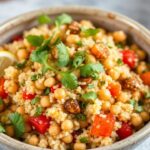
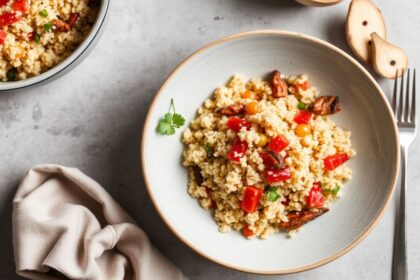
- Master Recipe: Couscous with Ras el Hanout (chef-tested)
- How to use each spice blend effectively
- Restaurant-quality pro-tips for mastering spice blends with couscous
- Practical menu applications for the five spice blends
- FAQ
- How do I store homemade spice blends?
- Can I mix different spice blends together?
- Which spice blend is best for a cold couscous salad?
- Are store-bought spice blends as good as homemade?
- How can I reduce spice heat without losing flavor?
- Conclusion
- Flavor-first choices: Seven mixes covering sweet, smoky, herbal, tangy, and hot profiles.
- Chef-level application: When and how to toast, bloom, or steep spices for couscous.
- One complete recipe: Step-by-step couscous with a Ras el Hanout blend that earns restaurant ratings.
Why spice blends matter for couscous
Using the right spice blends converts neutral grains into layered dishes. Spices interact with steam, oil, and acids; that interaction determines whether couscous is perfumed, flat, or assertive.
When you toast whole seeds or bloom ground spices in oil, volatile aromatics are released and can coat couscous granules or dissolve into the cooking liquid. Understanding that basic chemistry gives you control over final aroma and mouthfeel—for example, toasting cumin brings forward warm, nutty notes, while a brief steep in broth preserves floral top notes.
Overview: 7 Proven spice blends that transform your couscous
This section lists seven reliable blends and how each changes couscous. Each blend includes dominant notes, best pairings, and quick technique tips to maximize aroma and mouthfeel.
Use these blends to build menus: weeknight vegetarian dinners, braised lamb entrees, roasted vegetable bowls, citrus salads, or spicy shawarma-style plates. Rotate blends to keep couscous exciting and repeatable.
1. Ras el Hanout spice blend — Moroccan classic
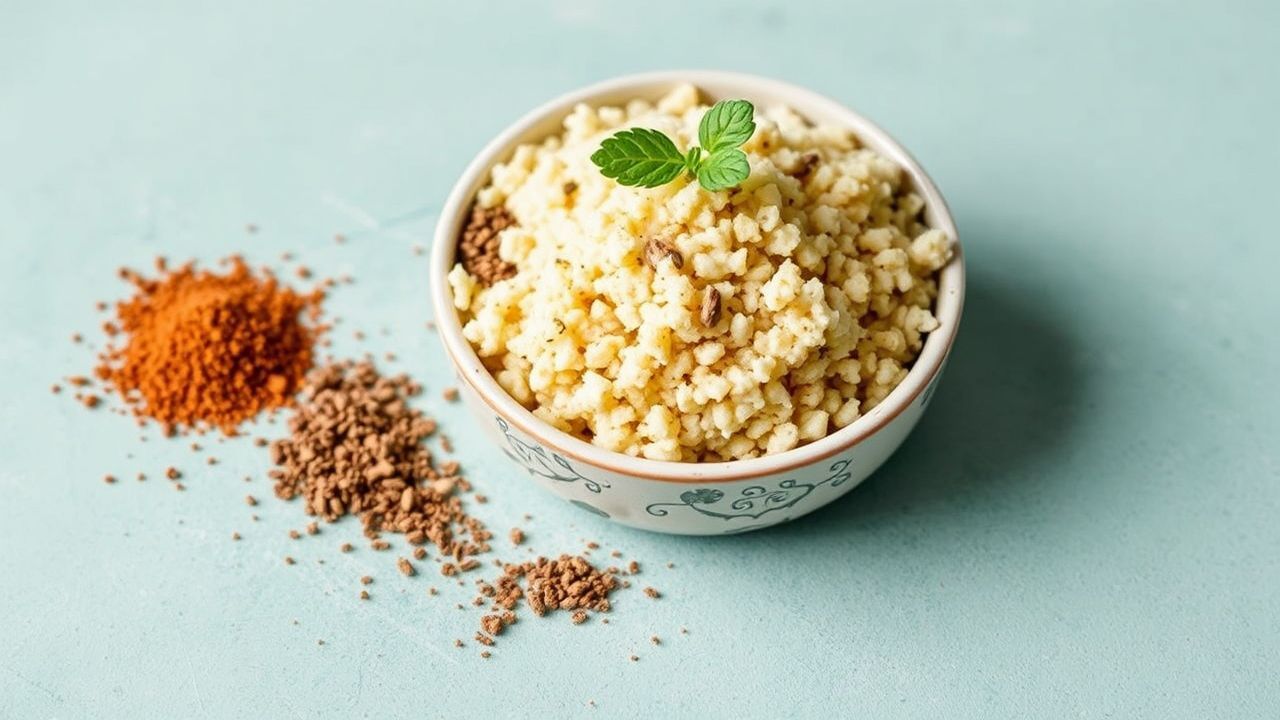
Ras el Hanout is a complex North African blend dominated by warm aromatics and floral notes. Typical components include coriander, cumin, cinnamon, cloves, nutmeg, dried rose petals, and sometimes paprika for color.
Use Ras el Hanout when making couscous with stews, roasted root vegetables, or slow-braised meats. Toast the whole seeds briefly, then grind to release full aroma, and stir into steaming broth before fluffing the couscous.
2. Harissa-style spice blend for heat and depth
Harissa-inspired blends add chili heat, smoked paprika, and caraway or cumin for depth. This mix is ideal for couscous served with grilled vegetables, chickpeas, or tomato-based sauces.
To use, bloom the paste or powder in olive oil with garlic, then toss with cooked couscous. The oil carries capsaicin, ensuring even heat distribution without drying the grain.
3. Za’atar spice blend for herbal tang
Za’atar emphasizes thyme/origanum, toasted sesame, sumac, and salt. It delivers herbal brightness and lemony acidity from sumac that lifts light couscous salads and grain bowls.
Sprinkle za’atar at the end of cooking or mix into a lemon-olive oil dressing. The sesame seeds provide a crunchy contrast to the soft couscous texture.
4. Cumin-coriander citrus blend for aromatic clarity
Cumin and coriander combine with lemon zest and a touch of turmeric or ginger to create a bright, aromatic profile. This blend keeps couscous fresh-tasting next to seafood or citrusy salads.
Lightly toast cumin and coriander seeds, grind them, and stir into hot broth. Add preserved lemon or fresh lemon zest after fluffing for a clean finish.
5. Smoky baharat-inspired blend for savory depth
Baharat-style mixes or smoky paprika blends lean into savory, rounded flavors with black pepper, allspice, and smoked paprika. They suit roasted meats and mushroom ragouts on couscous.
Brown the blend in a skillet with a little butter or oil to accentuate Maillard-friendly aromatic compounds, then fold into the couscous with pan juices for an integrated dish.
6. Chermoula-style herb blend for bright, garlicky freshness
Chermoula-inspired blends focus on cilantro, parsley, garlic, cumin, and lemon—often finished with olive oil. This herb-forward profile is excellent with fish, grilled vegetables, or cold couscous salads.
Use chermoula as a finishing mix or stir it into warm couscous just before serving to preserve herbal freshness. If using dried herbs, add a small amount early in cooking and finish with fresh herbs for lift.
7. Saffron-turmeric blend for color and subtle floral warmth
A small pinch of saffron with turmeric and a base of mild cumin or coriander gives couscous a luxurious color and delicate floral notes. This blend works well with simple broths, seafood, and citrus-forward accompaniments.
Steep saffron threads in warm broth for 5–10 minutes before adding to the couscous so the color and aroma distribute evenly. Use turmeric sparingly to avoid bitterness and to maintain a clean finish.
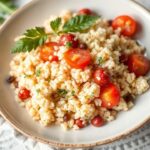
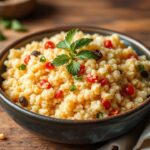
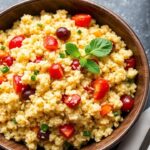
Master Recipe: Couscous with Ras el Hanout (chef-tested)
This recipe demonstrates technique, timing, and the exact seasoning that lifts couscous to restaurant quality. It focuses on texture control, aromatic layering, and balanced seasoning.
It makes 4 servings. Scale precisely for larger batches and follow notes on hydration and resting for consistent results.
Ingredients (metric and imperial)
- 300 g couscous (10.6 oz; about 2 cups)
- 360 ml vegetable or chicken broth (1.5 cups)
- 30 ml extra virgin olive oil (2 tbsp)
- 1 medium onion, finely chopped (about 120 g / 4.2 oz)
- 2 garlic cloves, crushed
- 1 tbsp Ras el Hanout (15 g / 0.5 oz)
- 1 tsp ground cinnamon (5 g / 0.18 oz)
- 50 g raisins or chopped dried apricots (1.8 oz / 1/3 cup) optional
- Salt to taste (start with 1 tsp / 5 g)
- Fresh parsley and toasted almonds to finish
Detailed Preparation Method
Step 1 — Toast and bloom spices. Heat 1 tablespoon of olive oil in a medium saucepan over medium heat. Add the Ras el Hanout and cinnamon, stir for 30 seconds to bloom without burning; the aromatics should smell bright.
Step 2 — Sweat aromatics. Add the finely chopped onion and garlic. Cook 4–6 minutes until translucent and fragrant, stirring to pick up the toasted spices. This base builds flavor into the liquid.
Step 3 — Add broth and dried fruit. Pour in the warm broth and bring to a gentle simmer. Add raisins or apricots if using; simmer 2 minutes to rehydrate fruit and infuse the liquid.
Step 4 — Hydrate couscous. Remove the pan from heat, stir in the couscous and the remaining olive oil, then cover tightly. Let rest 8–10 minutes to allow full absorption and even steam penetration.
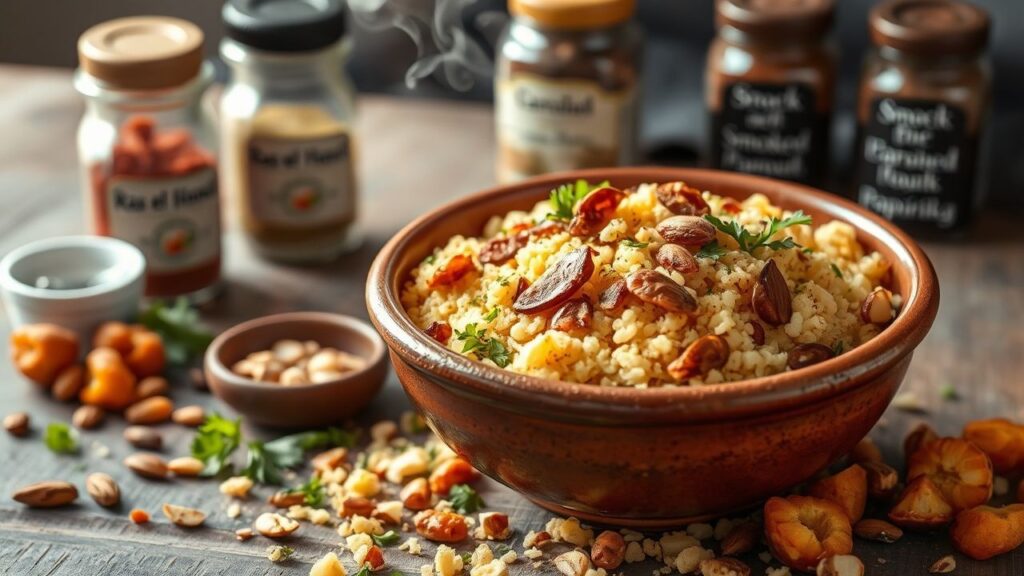
Step 5 — Fluff and finish. Uncover and fluff with a fork to separate granules. Adjust salt, fold in chopped parsley and toasted almonds, and serve warm with a drizzle of olive oil and a wedge of lemon.
Detailed Nutritional Info (per serving)
Calories: 380 kcal. Protein: 8 g. Carbohydrates: 62 g. Fat: 10 g. Fiber: 5 g. Sodium: depends on broth and added salt.
These values are estimates for a 1/4 recipe serving without optional garnishes. Use low-sodium broth to control sodium and adjust portion sizes for calorie targets.
How to use each spice blend effectively
Technique choices determine success with spice blends: toast whole seeds, bloom powders in oil, or steep spices in hot liquid. Each approach extracts different volatile compounds and changes mouthfeel.
For example, toasting intensifies nuttiness and reduces perceived bitterness, while steeping in broth emphasizes floral and citrus top notes. Apply the method that matches the blend’s dominant characteristics.
Pros vs Cons: Spice blends before vs after cooking
Before-cooking application builds depth; spices integrate into the grain and cook down. This is ideal for rich blends like Ras el Hanout or baharat-style mixes, where warmth and body are desired.
After-cooking application preserves bright aromatics and crunchy textures; use for za’atar and citrus-heavy blends. Many chefs combine both: a small proportion early for base, a finishing pinch for lift.
Restaurant-quality pro-tips for mastering spice blends with couscous
Control hydration precisely. Couscous is forgiving but benefits from measured ratios: roughly 1.2 parts liquid to 1 part instant couscous by weight works for most brands. Adjust slightly for older couscous which can be drier.
Use finishing acids and textures. A squeeze of lemon or a spoon of preserved lemon elevates spice blends by brightening mid-palate notes. Add toasted nuts or seeds for contrast.
Practical menu applications for the five spice blends
Rotate blends by course and protein. Ras el Hanout pairs with lamb or braised vegetables. Za’atar suits mezze and salads. Harissa-style blends are excellent with grilled proteins and bean stews.
Match mouthfeel: use lighter, citrus-forward blends for chilled couscous salads and richer, smoky blends for warm, saucy entrées. This creates coherent dining experiences across courses.
FAQ
How do I store homemade spice blends?
Store in airtight, opaque containers away from heat and light. Ground blends keep flavor best for 3–6 months. Whole spices can last up to a year; grind small batches to preserve peak aroma.
Can I mix different spice blends together?
Yes, but blend carefully. Start with a 3:1 ratio—three parts of the dominant profile to one part accent. Combine after tasting. Mixing multiple blends increases complexity but risks muddiness without restraint.
Which spice blend is best for a cold couscous salad?
Za’atar or a cumin-coriander citrus blend works best. These blends provide bright herbal or lemony notes that complement chilled textures and fresh vegetables.
Are store-bought spice blends as good as homemade?
Store-bought blends offer convenience and consistency, but freshness varies. Use them as a base, then boost with a fresh element: lemon zest, toasted seeds, or a pinch of freshly ground cumin for a fresher profile.
How can I reduce spice heat without losing flavor?
Balance heat with dairy, fat, or acidity. Stirring in yogurt, olive oil, or lemon juice after cooking tames capsaicin while maintaining aromatic complexity. Add sweetness (a few dried fruits) sparingly to contrast spiciness.
Conclusion
Mastering these seven curated options across five core flavor profiles gives you the toolkit to transform couscous for any menu. Apply simple technique—toast, bloom, or steep—and use finishing touches like acid and texture to amplify results.
Start with one blend this week. Test small variations on hydration and finishing. Within a few trials, you will reliably produce couscous that tastes intentional and layered.
For context on the grain itself and regional preparation traditions, consult couscous on Wikipedia for historical and cultural background.
See also: spice blends