
By using this site, you agree to the Privacy Policy and Terms of Use.
Accept
CookOrBitCookOrBitCookOrBit
  • Home
  • About Us
  • Ingredient Science
    • Flavor & Aroma
    • Protein Chemistry
    • Sugar & Starch
    • Fats & Emulsions
  • Cooking Techniques
    • Searing & Grilling
    • Baking & Roasting
    • Boiling & Steaming
    • Low & Slow
  • Kitchen Experiments
    • DIY Ferments
    • Flavor Tests
    • Gadget Testing
    • Molecular Gastronomy
  • Food Myths
    • Searing Myth
    • 5-Second Rule
    • MSG Myths
    • Microwave Myths
  • Tools
  • More
    • Extra Picks
    • Quick & Easy
      • Breakfast Ideas
      • Desserts
      • Snacks
      • Soups
    • Global Flavors
      • Asian Street Eats
      • Latin Comforts
      • Mexican Flavors
      • Modern Mediterranean
CookOrBitCookOrBit
  • Home
  • About Us
  • Ingredient Science
  • Cooking Techniques
  • Kitchen Experiments
  • Food Myths
  • Tools
  • More
Search
  • Home
  • About Us
  • Ingredient Science
    • Flavor & Aroma
    • Protein Chemistry
    • Sugar & Starch
    • Fats & Emulsions
  • Cooking Techniques
    • Searing & Grilling
    • Baking & Roasting
    • Boiling & Steaming
    • Low & Slow
  • Kitchen Experiments
    • DIY Ferments
    • Flavor Tests
    • Gadget Testing
    • Molecular Gastronomy
  • Food Myths
    • Searing Myth
    • 5-Second Rule
    • MSG Myths
    • Microwave Myths
  • Tools
  • More
    • Extra Picks
    • Quick & Easy
    • Global Flavors
Follow US
  • Advertising Policy: 10 Practical Rules for Safe, Compliant Ads
  • Contact Us
  • Cookie Policy: Clear Guide for Site Owners
  • Copyright Notice Guide: 7 Essential Rules for Website Owners
  • Disclaimer
  • Privacy Policy
  • Terms of Service
By Fimaw.com
- Unlocking Sweet Science: The Art and Magic of Caramelization
CookOrBit > Blog > Cooking Techniques > Baking & Roasting > Unlocking Sweet Science: 9 Expert Secrets to Perfect Caramelization
Baking & Roasting

Unlocking Sweet Science: 9 Expert Secrets to Perfect Caramelization

William J. Kroll
By William J. Kroll
Published: October 2, 2025
Share
SHARE

Caramelization transforms simple sugar into layered flavor and aroma through controlled heat. This process underpins sauces, glazes, candies, and savory finishes across professional kitchens.

Contents
  • What Is Caramelization?
    • Chemistry Compared: Caramelization vs Maillard
  • Essential Ingredients and Equipment
  • Step-by-Step: Classic Caramel Sauce
    • Ingredients
    • Procedure
  • Chef’s Notes: Temperature Control & Flavor Tuning
  • Troubleshooting Common Problems
    • Adjusting Texture
  • Serving and Application Ideas
  • Nutritional Snapshot
  • FAQ
    • How does sugar type affect caramel?
    • What temperature range should I target?
    • Why did my caramel crystallize and how do I fix it?
    • Can I use caramel in savory cooking?
    • How should I store homemade caramel?
  • Key takeaway: Caramelization begins near 160°C (320°F) and develops distinct flavor stages.
  • Key takeaway: Temperature control and a heavy-bottomed pan prevent burning and graininess.
  • Key takeaway: Finishing with cream, butter, or salt alters texture and balances taste.

What Is Caramelization?

Caramelization is the thermal decomposition of sugars that produces brown pigments and new flavor compounds. It differs from protein-driven browning and creates sweet, nutty, and slightly bitter notes.

Understanding the mechanism helps cooks control color and taste. See the scientific basics on caramelization for background and common thermal ranges.

- Advertisement -

Chemistry Compared: Caramelization vs Maillard

The Maillard reaction involves amino acids and reducing sugars; it generates savory, roasted aromas. Caramelization involves only sugars breaking down under heat to yield sweeter, toasty flavors.

Both processes occur in kitchens and sometimes overlap on the same ingredient. For technical context, review the Maillard reaction entry.

Essential Ingredients and Equipment

Start with reliable, simple ingredients: granulated sugar, water, cream, and butter produce classic caramel. Quality of butter and cream changes mouthfeel and aroma.

- Advertisement -

Choose equipment that promotes even heating. A medium heavy-bottomed saucepan or copper pan and a candy thermometer deliver repeatable results. The Wikipedia page on sugar explains types and properties that affect caramel behavior.

Step-by-Step: Classic Caramel Sauce

This method creates a smooth, pourable caramel suitable for desserts. Keep a calm, methodical pace; abrupt moves invite splatter and thermal shock.

Use two internal references to expand technique and recipe use: see Sugar candy basics and a practical recipe example at Caramel sauce recipe.

- Advertisement -

Ingredients

1 cup granulated sugar, 1/4 cup water, 1/2 cup warmed heavy cream, 2 tbsp unsalted butter, 1/2 tsp salt (optional), 1 tsp vanilla extract.

Warm the cream before adding to the hot sugar to reduce violent boiling and promote a stable emulsion.

Procedure

Combine sugar and water in a heavy-bottomed saucepan over medium heat. Stir only until the sugar dissolves; then stop to reduce seeding and crystallization.

Observe color changes: clear to pale gold, then deep amber. Remove from heat around deep golden stage for balanced flavor, typically near 320–350°F (160–175°C).

Off-heat, whisk in warm cream slowly. Expect vigorous bubbling as the mixture stabilizes into caramel. Add butter and salt, whisk until smooth, then finish with vanilla off heat.

Cool slightly before use. Store in an airtight container in the refrigerator up to two weeks and rewarm gently when needed.

Chef’s Notes: Temperature Control & Flavor Tuning

Precise temperature control dictates outcome. A candy thermometer prevents overshooting and the resulting bitterness. Target ranges define texture: lower for softer sauces, higher for brittle stages.

Experiment with sugar color for flavor variation. Lighter caramel yields floral notes; darker caramel offers nutty and slightly bitter complexity.

💡 Expert Insight
Expert Insight: Always warm dairy before adding to hot sugar. This reduces violent bubbling, improves emulsion stability, and yields silkier caramel.

When working savory dishes, caramelization can build umami and depth. Slow-cooked onions become sweeter and more complex as sugars break down over low heat.

⚠️ Pro-Caution
Pro-Caution: Never leave caramel unattended near the final color stage. Sugar can move from perfect amber to burnt in seconds and will introduce unpleasant bitterness.

Salt balances sweetness and highlights aromatic compounds. Add salt sparingly and taste; flaky sea salt added at the end provides texture and a clean contrast.

Troubleshooting Common Problems

Grainy caramel indicates crystallization. Prevent it by avoiding agitation once boiling begins and by using a clean pan. If crystallization occurs, start anew with a clean pot.

Burnt caramel forms when heat is too high or sugar cooks too long. Cool the pan immediately and discard the batch; burnt sugar contains bitter compounds that cannot be rescued.

Adjusting Texture

Add more cream or butter for a looser, silkier sauce. Cook longer for thicker, deeper-flavored caramel suitable for candies and brittle.

For vegan variants, substitute coconut cream and dairy-free butter. Expect a slightly different flavor profile and mouthfeel but similar functional results.

Serving and Application Ideas

Warm caramel complements baked fruit, ice cream, panna cotta, and custards. A thin brushed layer over roasted root vegetables enhances glaze and flavor contrast.

Use caramel as a cocktail syrup with whiskey or aged rum and a touch of cinnamon for warmed spice. For texture play, pour some caramel into molds and chill to create shards.

Nutritional Snapshot

Per 2 tablespoons, expect roughly 110 calories, minimal protein, and carbohydrates near 15 g. Fat content depends on butter and cream used.

Use portion control when adding caramel to desserts; a small amount delivers intense flavor and satisfies sweetness with less added sugar.

Nutritional Information (per 2 Tbsp) Amount
Calories 110
Protein 0.3 g
Carbohydrates 15 g
Fat 5 g

FAQ

How does sugar type affect caramel?

Sugar type changes melting point and flavor development. Fructose caramelizes at lower temperatures and can produce darker, more intense flavors than sucrose.

Mixing sugars alters texture and final color. Use blended sugars deliberately to reach a desired balance of sweetness and depth.

What temperature range should I target?

Caramelization begins near 320°F (160°C) and intensifies up to about 350°F (175°C). For sauces, stay closer to the lower end; for brittle, cook higher.

A candy thermometer or infrared thermometer provides reliable control. Rapid color changes signal when to remove heat.

Why did my caramel crystallize and how do I fix it?

Crystallization results from sugar seeding or agitation during boiling. Do not stir once the solution reaches a boil; if crystals form, discard and restart in a clean pan.

Adding a small amount of corn syrup or an acid (lemon juice) can inhibit crystallization in future batches.

Can I use caramel in savory cooking?

Yes. Controlled caramelization adds sweetness and gloss to roasted vegetables and sauces. For savory use, limit added sugar and balance with acid and salt.

Slowly caramelized onions are a classic savory application that demonstrates how sugar breakdown enhances umami and texture.

How should I store homemade caramel?

Store caramel in an airtight container in the refrigerator for up to two weeks. Reheat gently over low heat or in a warm water bath to restore pourable consistency.

Avoid microwave reheating at high power to prevent overheating and separation. Gentle warming preserves emulsion and texture.

For additional reference on culinary technique and broader context, consult the cooking overview and the candy article for related sweet preparations.
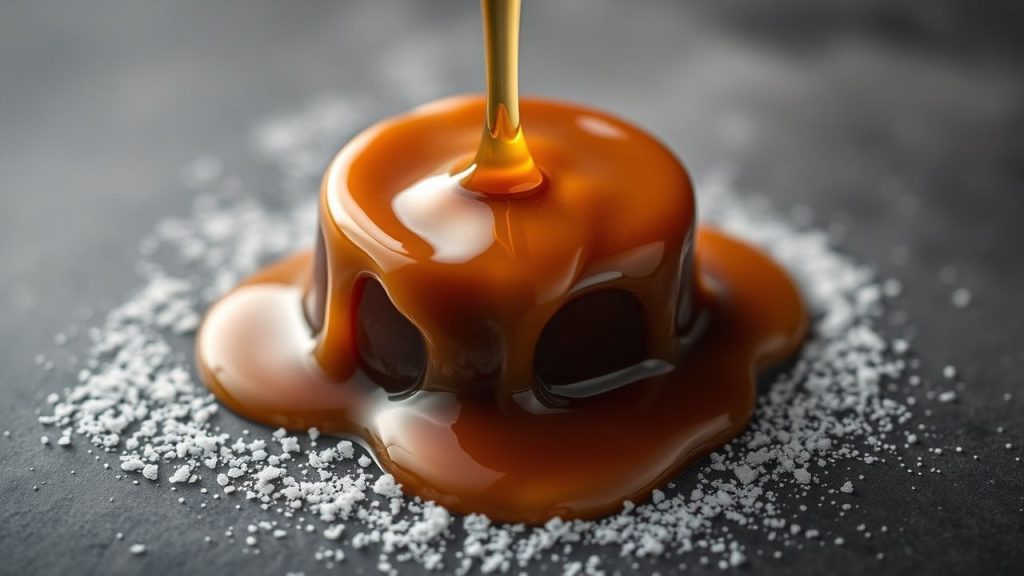
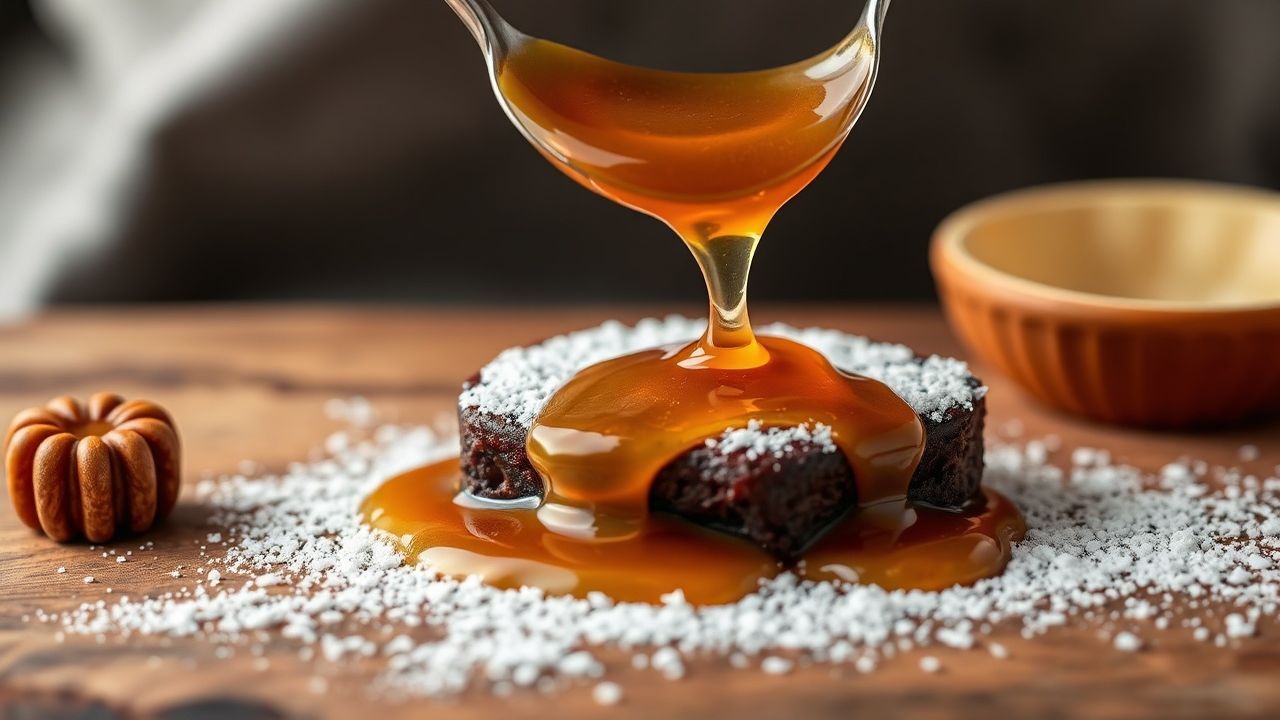
Caramel in process - Unlocking Sweet Science: The Art and Magic of Caramelization

Learn more sugar candy techniques to expand your practical skills and recipe repertoire.

See also: Caramelization
7 Science-Proven Steps to the Perfect Savory Macaron Delight
Savor the Flavors: 7 Pro Techniques for Beef Keema with Rice
Master Sous Vide: 7 Expert Steps to Unlock Flavor
7 Expert Tips: Chill Thrills — Safely Crafting Liquid Nitrogen Ice Cream
Grill Basket Revealed: 7 Pro Tips to Upgrade Your Outdoor Cooking
TAGGED:andcandy makingCaramel saucecaramelizationCooking techniquesMaillard reactionsugar chemistrysweettemperature controltheunlocking
Share This Article
Facebook Pinterest Whatsapp Whatsapp LinkedIn Telegram Threads
What do you think?
Love0
Sad0
Happy0
Sleepy0
Angry0
Dead0
Wink0
Previous Article - Frozen Steak Searing: Culinary Risks and Surprising Results Frozen Steak Searing: 7 Proven Risks and Practical Techniques
Next Article - Unlocking Flavor: The Vital Role of Scoring Chestnuts Unlock Flavor: 7 Expert Scoring Tips for Perfect Roasted Chestnuts
Creamy Garlic Chicken with melted Parmesan and fresh herbs on a rustic white plate
Garlic Chicken: 7 Ultimate Brilliant Recipes to Make the Best-Ever Creamy Garlic Chicken with Parmesan & Fresh Herbs
Extra Picks
Colorful bowls of Leftover Couscous transformed into salads, fritters, and stuffed peppers.
12 Amazing Practical Leftover Couscous Ideas: Brilliant Ways to Reuse and Remix
Uncategorized
Colorful jars of spice blends beside steaming couscous with herbs and lemon
7 Ultimate spice blends That Transform Your Couscous — Amazing Best Flavor Boosts
Uncategorized
Bowls of gluten-free couscous alternatives: quinoa, millet, cauliflower, and rice
10 Amazing couscous alternatives: Best Gluten-Free Swaps for Incredible Flavor
Uncategorized

Tags

and art baked baking science baking techniques Baking tips batch cooking beef behind browning techniques butternut squash caramelization cast iron skillet chemistry chicken comfort food Cooking science cooking technique Cooking techniques Cooking tips crafting creamy creamy soup crispy culinary science fish flavor flavor chemistry food food safety Food science for garlic golden Ground turkey hearty heat high-heat cooking high protein meals how instant read thermometer Lean protein magic Maillard reaction make ahead meals make ahead soup mastering meal prep Meal prep recipes meat thermometer microwave microwave cooking moisture control one pot meals Pan searing perfect perfectly Plant based protein Probe thermometer protein denaturation Quick dinners roasted roasted squash roasted tomato soup Roasted vegetables Roasting techniques savor savory science Searing technique Searing techniques secrets slow cooking squash steak steak cooking sweet temperature control the top turkey turkey soup turkey stew ultimate umami cooking umami flavor unlock unlocking unveiling vegetable velvety weeknight dinner Weeknight dinners weeknight meals what when why with your zesty
April 2026
M T W T F S S
 12345
6789101112
13141516171819
20212223242526
27282930  
« Mar    

You Might Also Like

Savor the Rich Flavors of Homemade Roasted Tomato Soup
Extra Picks

10 Secrets to Savor Homemade Roasted Tomato Soup

William J. Kroll
William J. Kroll
January 20, 2026
Hearty Baked Fish Stew: A Savory Ocean Delight Recipe
Extra Picks

7-Point Hearty Baked Fish Stew: Ultimate Savory Ocean Recipe

William J. Kroll
William J. Kroll
January 20, 2026
Savor the Flavors: Ultimate Beef Keema with Rice Recipe
Extra Picks

Ultimate Beef Keema with Rice: 7 Expert Steps to Perfect Flavor

William J. Kroll
William J. Kroll
February 4, 2026
Hearty Beef and Broccoli Stew: A Comfort Food Classic
Extra Picks

7 Expert Tips for Beef Stew with Broccoli

William J. Kroll
William J. Kroll
January 24, 2026
Unlocking Flavor: The Art and Science of Sous Vide Cooking
Low & Slow

Unleash Flavor: 7 Sous Vide Techniques for Perfect Steak

William J. Kroll
William J. Kroll
January 12, 2026
Savor the Flavor: Baked Spinach Mushroom Quesadillas Delight
Extra Picks

7 Pro Tips for Spinach Quesadilla Perfection

William J. Kroll
William J. Kroll
December 24, 2025
Follow US
By Fimaw.com © All Rights Reserved.
  • Advertising Policy: 10 Practical Rules for Safe, Compliant Ads
  • Contact Us
  • Cookie Policy: Clear Guide for Site Owners
  • Copyright Notice Guide: 7 Essential Rules for Website Owners
  • Disclaimer
  • Privacy Policy
  • Terms of Service
Welcome Back!

Sign in to your account

Username or Email Address
Password

Lost your password?