This beef stew combines slow-braised chuck with bright broccoli for a balanced, one-pot meal that tastes of rich umami and fresh green snap. The recipe uses searing, deglazing, and a controlled simmer to convert connective tissue into silky mouthfeel while keeping vegetables vibrant.
- Sear first: develop fond and concentrated flavor.
- Add broccoli late: preserve color and crisp-tender texture.
- Use flour dredge: it thickens naturally and avoids a gummy finish.
Overview of this beef stew
This beef stew pairs traditional braising technique with savory Asian seasoning to create depth without complexity. The method uses a long, low simmer to break down collagen and maximize tenderness.
The dish benefits from predictable technique: brown the meat, deglaze to lift fond, then finish with brief vegetable cooking. For background on the cooking method, see braising and how it extracts flavor efficiently.
Prep and Cook Time for beef stew
Preparation: 20 minutes. Plan to cut the chuck, dredge lightly, and measure aromatics before heat. Good mise en place reduces hands-on stress during the simmer.
Cook time: 2 hours 30 minutes of gentle braising. Maintain low heat to allow connective tissue to convert into gelatin. Total time: approximately 2 hours 50 minutes.
Yield and portions for beef stew
Serves 6 hearty portions, assuming 6–8 ounces of cooked beef per person plus vegetables and broth. Leftovers improve after sitting refrigerated overnight as gelatin firms and flavors meld.
For freezing, portion into airtight containers and label with date. Thaw overnight in the refrigerator for best texture when reheating.
Difficulty Level and technique notes
Medium. The recipe requires solid pan-searing and consistent simmer control, but it does not demand advanced skills. Focus on temperature control and timing for repeatable results.
If you know how to develop a fond and keep a low simmer, you will succeed. Newer cooks should follow the searing section step by step to avoid crowding the pan.
Ingredients for beef stew
Measure ingredients and set them out before you heat the pot. Mise en place prevents overcooking sensitive items like broccoli and gives a clean workflow.
Use a quality beef broth or a gelatinous bone broth to enhance mouthfeel and body. For context on beef varieties and cuts, consult beef.
- 2 lbs beef chuck, cut into 1-inch cubes
- 1/4 cup all-purpose flour, for dredging
- 3 tbsp vegetable oil or avocado oil
- 1 large onion, finely chopped
- 4 cloves garlic, minced
- 1 tbsp fresh ginger, minced
- 4 cups low-sodium beef broth
- 1/4 cup soy sauce (or tamari for gluten-free)
- 2 tbsp oyster sauce (optional)
- 1 tbsp brown sugar
- 1 tsp Chinese five-spice powder
- 1/2 tsp crushed red pepper flakes (adjust to taste)
- 1 lb broccoli florets, washed and trimmed
- 2 medium carrots, sliced on the diagonal
- 3 stalks green onions, sliced for garnish
- Salt and black pepper to taste
Equipment and key techniques for beef stew
Use a heavy-bottomed pot or Dutch oven to ensure even heat and reliable fond development during searing. A tight-fitting lid prevents excessive evaporation during the braise.
Control heat when searing to develop a deep brown crust without burning. Deglaze with a small amount of liquid to lift browned bits and concentrate flavor.
Instructions
Follow the sequence: prepare and dredge the beef, sear in batches, sauté aromatics, deglaze and build the braise, then simmer until tender. Timing ensures texture and flavor balance.
Finish by adding vegetables near the end so they remain bright and slightly crisp. Adjust seasoning only after vegetables join the pot to avoid oversalting early.
1. Prepare and Sear
Lightly dredge the beef cubes in flour and shake off excess. The flour helps form a crust and later contributes to gentle thickening in the braise.
Heat oil in a Dutch oven over medium-high heat and sear beef in batches for 3–4 minutes per batch. Avoid overcrowding; too many pieces drop the pan temperature and prevent browning.
2. Sauté aromatics and deglaze
After removing the beef, reduce heat and sweat the onion, garlic, and ginger until translucent and fragrant, roughly 4–5 minutes. Keep the aromatics moving to prevent burning.
Pour a splash of soy sauce and scrape the fond to deglaze. Then add beef broth, oyster sauce, brown sugar, five-spice, and crushed red pepper, stirring to combine and create a cohesive braising liquid.
3. Simmer and finish the beef stew
Return the seared beef to the pot and bring the liquid to a gentle boil. Lower to a slow simmer, cover, and cook for about 2 hours until the meat becomes very tender and the broth concentrates.
Add broccoli florets and sliced carrots in the final 10–15 minutes. Cook until broccoli is bright green and crisp-tender; avoid overcooking to preserve texture and color.
Final seasoning and serving for beef stew
Taste and adjust with salt and pepper at the end. If the stew is too thin, uncover and reduce a few minutes to thicken; if too salty, add unsalted broth or a splash of water.
Ladle into bowls and garnish with sliced green onions. Serve the stew over steamed rice or creamy mashed potatoes to soak up the broth and complete the meal.
 Pro-Caution
For meal prep, cool the stew quickly, refrigerate within two hours, and consume within three days. Proper storage preserves texture and safety.
 Expert Insight
Tips for success with this beef stew
Choose a well-marbled cut like chuck; connective tissue melts into gelatin during long, slow cooking and gives a silky mouthfeel. Trim excessive silver skin but leave some fat for flavor.
Control simmer temperature to maintain gentle bubbling. A rapid boil squeezes moisture and can make the meat fibrous. For set-and-forget convenience, brown the meat first and transfer to a slow cooker.
Serving suggestions for beef stew
Serve the stew over steamed jasmine rice or mashed potatoes to absorb the rich broth. Both pairings turn the bowl into a satisfying comfort meal for cool evenings.
For lighter service, offer a crisp cucumber salad or roasted root vegetables on the side. Sprinkle toasted sesame seeds or drizzle chili oil for contrast and an extra flavor layer.
Nutritional snapshot
Estimated per-serving values vary with exact ingredients and portion sizes. The table below gives a practical baseline for planning meals and adjusting dietary needs.
Use leaner cuts or reduced-sodium broth to lower calories and sodium respectively. Bone broth increases perceived richness with relatively little added fat.
| Nutrient | Per Serving |
|---|---|
| Calories | 410 |
| Protein | 38g |
| Carbohydrates | 18g |
| Fat | 22g |
Q&A — common technique questions
This section clarifies storage, texture, and seasoning choices to help you troubleshoot mid-cook. Refer back to the searing and simmering steps for control points.
Keep a tasting spoon on hand. Adjust toward the end of cooking when flavors concentrate and textures stabilize.
Q1: What makes this beef stew particularly comforting?
A1: Slow cooking converts collagen into gelatin, creating a rich mouthfeel. The contrast of tender beef and crisp broccoli provides balanced texture and layered savory notes.
Q2: How does broccoli enhance the stew?
A2: Broccoli adds color, nutrients, and a slight bitterness that cuts through the rich broth. Add it late so it remains vibrant and slightly crisp.
Q3: Can I prepare this stew ahead?
A3: Yes. Refrigerate in an airtight container for up to three days. Reheat gently to preserve the tender texture achieved during braising.
Q4: Does this stew freeze well?
A4: Yes. Freeze in portioned containers for up to three months. Thaw overnight in the refrigerator before reheating to maintain texture.
The conclusion on beef stew technique
Hearty beef and broccoli stew rewards straightforward technique with deeply satisfying results. Proper searing, controlled simmer, and late vegetable addition deliver consistent texture and flavor.
Choose the right cut, watch your simmer temperature, and add broccoli near the end to keep color and crunch. Follow these steps, and you will have a reliable, scalable family meal.
FAQ
How do I choose the best cut of beef for this stew?
Pick a well-marbled cut such as chuck roast or blade roast. These cuts contain connective tissue that breaks down into rich gelatin during slow cooking, improving mouthfeel.
Avoid very lean cuts like top round for this preparation; they can become dry and stringy when braised for long periods.
Can I use frozen broccoli?
Frozen broccoli works in a pinch but will release water and soften more than fresh. Add frozen florets toward the end and drain excess liquid if needed.
For best texture, use fresh broccoli trimmed into medium florets. Quick blanching before adding is optional to control final firmness.
What thickening methods work best?
A light flour dredge on the beef gives natural body to the braise and avoids a glossy, slimy finish. Alternatively, make a beurre manié or reduce the liquid to concentrate it.
Avoid overusing cornstarch as it can create a thin, glassy texture. Use starches sparingly for a cleaner mouthfeel.
How do I adjust saltiness if the stew is too salty?
Add unsalted broth or a small amount of water and simmer to rebalance. A peeled potato cooked briefly in the stew can absorb some salt but may change texture.
Taste toward the end of cooking; soy sauce and oyster sauce contribute sodium early, so add them with restraint while building layers.
Where can I read more about related techniques and ingredients?
Consult encyclopedic resources for background on cooking methods and ingredients. For example, read about slow cookers, broccoli, and soy sauce to expand technical context and ingredient function.
Those references clarify how equipment and condiments influence texture and flavor, helping you refine the recipe for personal preference.

See also: beef stew
]]>When the world outside feels chilly and hectic, a warm bowl of beef stew restores balance and comfort. This slow cooker version turns inexpensive cuts into tender, flavorful bites that satisfy deeply.
- Cook low and slow: it yields tender meat and deeper flavor.
- Brown first: searing beef adds savory depth that the slow cooker can’t create on its own.
- Use starchy veg: potatoes or parsnips help thicken naturally while adding body.
- Make ahead: flavors meld overnight; leftovers often taste better the next day.
Why This Slow Cooker Method Works
Slow cookers maintain low, steady heat that breaks down collagen in tougher beef cuts into gelatin, improving mouthfeel and richness. That gentle process also lets aromatics and herbs infuse the whole pot without overcooking vegetables.
For background on the technique, see the slow cooker reference on technique and appliances. Use that knowledge to adjust timing and liquid ratios for your model.
Prep and Cook Time
Preparation: 20 minutes; Cooking: 7 hours on low or 4 hours on high. Shorter high-heat cycles produce edible results, but low heat maximizes tenderness and gelatin extraction.
Total time including searing and finishing runs about 7 to 7.5 hours on low. Plan ahead so you can brown the meat and sauté aromatics before placing everything in the cooker.
Yield and Difficulty
This recipe yields about six hearty portions suitable for family dinners or meal prep. It rates easy for cooks who can sear meat and follow basic timing; the slow cooker handles the rest.
If you want to scale the recipe, increase liquids proportionally and avoid filling the cooker beyond two-thirds to maintain consistent heat circulation. For tips on cuts, consult the beef cuts guide.
Ingredients
Use quality ingredients in balanced proportions for the richest result. The list below uses beef chuck, aromatics, root vegetables, and modest seasonings to build depth.
Substitute sparingly and keep liquids controlled so the stew achieves a thick, clingy consistency rather than a thin broth. For tomato detail, see tomato paste.
- 2 lbs beef chuck roast, trimmed and cut into 1½-inch cubes
- 3 tbsp olive oil
- 1 cup all-purpose flour, for dredging
- 1 large yellow onion, diced
- 3 cloves garlic, minced
- 4 large carrots, peeled and sliced
- 3 stalks celery, sliced
- 4 medium russet potatoes, peeled and cubed
- 2 cups low-sodium beef broth
- 1 cup water
- 1 tbsp tomato paste
- 2 tsp Worcestershire sauce
- 1 tsp dried thyme
- 1 tsp dried rosemary
- 2 bay leaves
- Salt and black pepper, to taste
- 2 tbsp fresh parsley, chopped for garnish
Instructions
Follow the steps for a reliable, restaurant-worthy stew. Short prep and a few technique priorities yield consistent, deep flavor from the slow cooker.
Keep each step focused: sear, sauté, assemble, and then cook low and slow. Finish by correcting seasoning and optionally thickening the sauce if needed.
- Prepare the beef: Pat cubes dry, then dredge lightly in flour, shaking off excess to avoid a pasty coating.
- Sear the meat: Heat oil in a skillet on medium-high and brown beef in batches until caramelized; transfer to the slow cooker.
- Sauté aromatics: In the same pan, cook onion until translucent, add garlic for one minute, then scrape browned bits into the cooker for flavor.
- Add vegetables and liquids: Layer carrots, celery, and potatoes. Whisk broth, water, tomato paste, Worcestershire, and herbs; pour over contents and add bay leaves.
- Cook low and slow: Cover and cook on low for 7 hours or on high for 4 hours until beef is fork-tender and vegetables are soft.
- Finish: Remove bay leaves, taste, and adjust seasoning. If the sauce is thin, thicken with a cornstarch slurry in the last 15 minutes.
- Garnish and serve: Sprinkle chopped parsley just before serving for brightness.
Tips for Success
Choosing the beef: Use beef chuck for its marbling; connective tissue converts to gelatin and yields a silky mouthfeel. Lean cuts lose moisture and can turn dry even in long cooks.
Layer flavors: Browning meat and sautéing aromatics create Maillard compounds and fond that deepen the final stew. Never skip this step when you want a richer sauce.
[hint-block-replace]
Expert Insight
After the expert tip, allow the stew to rest for at least 20 minutes before serving to let the juices redistribute. Resting also helps the sauce thicken naturally as it cools slightly.
Pro-Caution
Vegetable and Thickening Options
For texture balance, add sturdier root vegetables early and delicate additions like peas during the last 30 minutes. If you want a creamy body, mash a few potatoes into the broth.
To thicken without flour, stir 1 tablespoon cornstarch into 2 tablespoons cold water and add during the last 15 minutes. This yields a glossy, clingy sauce without altering flavor noticeably.
Serving Suggestions
Serve stew hot in deep bowls with a garnish of fresh parsley and cracked black pepper. Offer crusty bread or buttered egg noodles for soaking up the sauce and creating a more substantial meal.
Complement the richness with a simple green salad dressed with lemon vinaigrette to add acidity and crunch. For additional ideas, see our internal collections on slow cooker recipes and beef recipes for pairing inspiration.
Nutritional Overview
The following approximate nutrition reflects common portions for this stew: moderate protein, balanced carbs from root vegetables, and controlled fat from chuck and cooking oil. Adjust ingredients to meet dietary targets.
Use leaner cuts or reduce oil for lower fat, or add legumes for higher fiber and satiety. For general context on the dish type, review beef stew background and variations.
| Nutrient | Per Serving |
|---|---|
| Calories | 390 kcal |
| Protein | 35 g |
| Carbohydrates | 28 g |
| Fat | 15 g |

FAQ
How long should I cook beef stew in a slow cooker?
Cook on low for 7 to 8 hours for best tenderness and flavor development. If pressed for time, 4 to 5 hours on high works, but expect slightly firmer meat and less gelatin in the sauce.
Which beef cut is best for slow cooker stew?
Beef chuck is the preferred choice because the marbling and connective tissue break down into gelatin, producing tender meat and a rich mouthfeel. For an overview of cuts and their uses, consult the beef cuts resource.
Can I make this stew ahead of time?
Yes. Stew often improves after a night in the refrigerator as flavors meld and the sauce firms slightly. Reheat gently on the stovetop or in a slow cooker on low to preserve texture.
How do I thicken the stew without flour?
Use a cornstarch slurry (1 tbsp cornstarch + 2 tbsp cold water) added in the final 15 minutes. Alternatively, mash a portion of the potatoes into the sauce for a natural, starch-based thickener.
Can I adapt this for dietary needs?
Yes. For gluten-free stew, use a gluten-free flour or cornstarch for dredging and thickening. To lower fat, choose a leaner cut and reduce added oil while maintaining proper browning technique.
Wrapping Up
Hearty slow cooker beef stew rewards patience and basic technique with a reliably comforting meal. Follow these expert tips to achieve consistent tenderness, rich flavor, and crowd-pleasing results every time.
Keep a reference to slow cooker best practices and cut selection handy, then adapt vegetables and seasonings to your household preferences. A well-made stew becomes a go-to centerpiece for cozy dinners and easy leftovers.
See also: beef stew
]]>
- Slow simmering builds depth: low heat converts collagen into silky texture for a better beef stew.
- Soak beans: an overnight soak yields even cooking and improved digestibility.
- Brown then deglaze: fond adds concentrated umami that enriches the sauce.
- Make ahead: resting overnight improves texture and flavor integration.
Prep and Cook Time for Beef Stew
Preparation: 20 minutes. Clear the work area, trim beef into uniform cubes, and organize vegetables and drained soaked beans. A tidy mise en place speeds searing and prevents overcooking.
Cooking: 2 to 2½ hours. Maintain a gentle simmer to let connective tissue break down and beans reach full tenderness without splitting. Adjust time if using a slow cooker or pressure cooker.
- Preparation: 20 minutes
- Cooking: 2 hours 30 minutes
- Total Time: 2 hours 50 minutes
Yield
Serves 6 generous portions. Pair this beef stew with mashed potatoes, buttered egg noodles, or polenta to showcase the sauce and extend servings.
Scale easily: multiply ingredients by 1.5 for a crowd or halve for two dinners. Leftovers improve with rest and store well for batch meals.
Difficulty Level
Medium. Technique focuses on searing, controlled simmering, and monitoring bean texture. These skills reward attention rather than advanced equipment.
If you opt for a slow cooker, perform the browning steps first to retain flavor complexity. For quicker results, a pressure cooker will reduce time but needs careful timing to avoid overcooked beans.
Ingredients
Choose well-marbled beef chuck for collagen-rich texture and dried kidney beans for a creamy bite when cooked properly. For background on beef cuts, see the beef entry.
Keep pantry spices focused: smoked paprika, cumin, thyme, and bay leaves add aromatic depth without competing with the beef. For reference on legumes, consult the kidney beans page.
Pro-Caution
- 2 lbs beef chuck, cut into 1½-inch cubes
- 1 cup dried kidney beans, soaked overnight and drained
- 1 large yellow onion, finely chopped
- 3 cloves garlic, minced
- 2 medium carrots, diced
- 2 stalks celery, chopped
- 1 can (14 oz) crushed tomatoes
- 4 cups beef broth, low sodium
- 2 tbsp tomato paste
- 1 tbsp smoked paprika
- 1 tsp ground cumin
- 1 tsp dried thyme
- 2 bay leaves
- Salt and freshly ground pepper, to taste
- 3 tbsp olive oil
- Fresh parsley, chopped (for garnish)
Instructions
Work in stages: sear beef first, then sweat aromatics, deglaze, and combine with beans and liquid. This ordered sequence builds flavor through Maillard reaction and careful extraction of fond.
Keep the simmer low once combined; a vigorous boil tightens meat fibers and risks splitting beans. Use a heavy-bottomed pot for even heat distribution and fewer hotspots.
- Prepare the beef: Pat beef cubes dry to encourage browning. Heat 2 tbsp olive oil in a heavy pot over medium-high heat and brown in batches for 4–6 minutes per batch; remove browned pieces.
- Sauté the aromatics: Reduce heat to medium and add remaining oil if needed. Sauté onion, carrots, and celery 6–7 minutes until softened, adding garlic in the last minute to avoid burning.
- Deglaze and build: Stir in tomato paste and cook 1–2 minutes to caramelize. Add crushed tomatoes and beef broth, scraping up browned bits to dissolve concentrated flavor into the liquid. For the science behind browning, review the Maillard reaction overview.
- Add spices and beans: Return beef to the pot with soaked beans, smoked paprika, cumin, thyme, and bay leaves. Season moderately; adjust salt near the end when liquids reduce.
- Simmer slowly: Bring to a gentle boil, then lower heat to maintain a barely perceptible simmer. Cover partially and cook 2–2½ hours, stirring occasionally until beef is fork-tender and beans are fully cooked.
- Finish: Remove the lid for the last 15 minutes to reduce liquid for a naturally thickened stew. Discard bay leaves, taste, and finish with chopped parsley before serving.
Key technique: Browning and Deglazing
Browning develops umami via the Maillard reaction; do not overcrowd the pan or the meat will steam. Deglaze with broth or a splash of wine to lift fond and fold it back into the sauce.
This capture of concentrated flavors is what defines a great beef stew. For broader context on simmered dishes, see the stew article.
Tips for Success with Your Hearty Beef and Bean Stew
Small technique choices change the result: choose chuck for marbling, do not skip the sear, and keep the simmer low. These adjustments produce tender beef and intact beans without overcooking.
Test beans partway through cooking and add liquid gradually; starch release will thicken the pot. If you use canned beans, add them late to avoid mushiness.
Expert Insight
- Beans: Soak dried beans overnight to reduce cooking time and ensure uniform hydration. If using canned beans, add in the last 30 minutes.
- Beef cut: Use well-marbled cuts like chuck for collagen breakdown and silky mouthfeel.
- Flavor layering: Brown meat and briefly toast spices to release essential oils and aroma compounds.
- Make-ahead: Refrigerate overnight; flavors meld and texture often improves with rest.
- Adjust thickness: Stir in extra broth if too thick; mash a few beans to thicken naturally if too thin.
- Slow cooker: After browning, transfer to a slow cooker and cook on low 6–8 hours for similar tenderness. For guidance on extended low-heat methods, consult the slow cooking page.
Serving Suggestions
Serve this stew piping hot over creamy mashed potatoes, buttered egg noodles, or polenta to absorb the sauce. A sprinkle of fresh parsley or a dollop of sour cream brightens the dish.
Pair with crusty whole-grain bread for dipping and a crunchy green salad to cut richness. These accompaniments keep the meal balanced and highlight the stew’s texture and depth.

| Nutrient | Amount per Serving |
|---|---|
| Calories | 430 kcal |
| Protein | 38 g |
| Carbohydrates | 28 g |
| Fat | 15 g |
Q&A
This section answers practical questions cooks ask when preparing a beef-and-bean stew. Expect concise, actionable answers that you can test in the kitchen.
The responses focus on technique, substitutions, and storage to preserve both flavor and safety. Use them to adapt the recipe to equipment and dietary needs.
FAQ
What makes this beef and bean stew especially comforting?
The combination of collagen-rich beef and starchy beans produces a velvety mouthfeel and sustained satiety. Slow simmering concentrates flavors and creates a cohesive, warming dish ideal for cool weather.
Layered browning, tomato paste caramelization, and low heat blending make the pot feel unified and comforting on the palate.
Can I skip soaking beans?
Soaking reduces cooking time and helps beans hydrate uniformly. If you use unsoaked dried beans, expect a much longer simmer and uneven textures; canned beans are a practical shortcut when time is short.
Always ensure dried kidney beans reach full tenderness; undercooked beans can cause digestive upset, so test frequently if you skip soaking.
How do I adapt the recipe for a slow cooker?
Brown the meat and sauté vegetables first to capture fond and caramelized aromatics. Transfer all components to the slow cooker and cook on low 6–8 hours until beef and beans are tender.
If using a timer, verify bean tenderness before serving and adjust final seasoning after reduction. Slow, low heat yields consistent collagen breakdown and a silky sauce.
Are substitutions possible for dietary preferences?
Yes. For a vegetarian version, replace beef with hearty mushrooms and use lentils or chickpeas instead of kidney beans. Increase umami with miso or soy sauce to compensate for the missing beef richness.
Adjust cooking times: lentils cook faster than dried beans and do not require long braising; plan accordingly to avoid disintegration.
How should I store and reheat leftovers?
Cool quickly and refrigerate in an airtight container for up to 4 days, or freeze for 2–3 months. Reheat gently over low heat and add a splash of broth if the sauce tightens excessively.
Allow reheated stew to rest briefly off heat to let gelatin settle and flavors rebind before serving for best texture.
See also: For technical background on cooking methods referenced here, consult entries on beef, kidney beans, and the Maillard reaction.
See also: beef stew
]]>
- Key takeaway: Browning builds flavor; simmering preserves texture.
- Practical result: Yukon Gold holds shape; low-sodium broth controls seasoning.
- Make-ahead win: Stew often tastes better the next day after flavors meld.
- Cook smart: Use a heavy-bottomed pot and gentle heat for consistent results.
Prep and Cook Time for Chicken Stew
Preparation: 20 minutes. Prepare ingredients before you heat the pot to keep the cook stage efficient.
Cooking: 1 hour 15 minutes. Use a gentle simmer for consistent tenderness and concentration of flavor.
- Total Time: 1 hour 35 minutes
Yield for Chicken Stew
This recipe serves 6 generous portions, suitable for family dinners or leftovers for meal prep. Portion into airtight containers once cooled for convenient storage.
Freeze single portions for up to three months and thaw overnight in the refrigerator before reheating on the stove to preserve texture.
Chicken Stew Difficulty Level
Rated Easy to Medium — the techniques are straightforward but require attention to temperature and timing. Home cooks new to stewing will gain reliable results by following the steps.
Focus on two skills: proper searing to develop Maillard flavor and maintaining a low simmer to avoid broken-down potatoes and dry meat. For more on the cooking method, see braising.
Ingredients for Chicken Stew
Use quality components for a simple, robust chicken stew. The ingredient list centers on chicken, potatoes, aromatics, and herbs that combine into a savory broth.
Below are the amounts and short notes on choice and purpose for key items. Where useful, I link ingredient concepts to reference pages for clarity.
- 2 lbs bone-in, skin-on chicken thighs, trimmed of excess fat
- 1½ lbs Yukon Gold potatoes, peeled and cut into 1½-inch chunks
- 3 tablespoons olive oil
- 1 large onion, finely chopped
- 3 cloves garlic, minced
- 3 medium carrots, peeled and sliced into 3/4-inch rounds
- 2 celery stalks, diced
- 4 cups low-sodium chicken broth
- 1 cup diced canned tomatoes (no salt added)
- 2 teaspoons smoked paprika
- 1 teaspoon dried thyme
- 1 teaspoon dried rosemary
- 1 bay leaf
- Salt and freshly ground black pepper, to taste
- 2 tablespoons fresh parsley, chopped for garnish
Tip: use bone-in thighs for connective-tissue richness. If you prefer leaner cuts, choose skinless breasts but expect a different mouthfeel.
Ingredient background: learn more about chicken and the role of bones in flavor, or why potato variety matters.
Chicken Stew Instructions
Follow these steps in order and keep your heat control consistent. Precise timing and short adjustments make the difference between a flat stew and one with layered depth.
Work with a heavy-bottomed pot or Dutch oven to evenly distribute heat during searing and simmering. Also check searing theory and fond development with a short read on stew techniques.
- Brown the chicken: Heat olive oil in a large heavy-bottomed pot over medium-high heat. Season thighs with salt and pepper. Sear skin side down until golden brown, about 5 minutes, then flip and brown for 3 minutes. Remove and set aside.
- Sauté the aromatics: Reduce heat to medium. Add onion, carrots, and celery. Cook until softened and translucent, about 6–7 minutes. Add garlic and cook 1 more minute until fragrant.
- Add spices: Stir in smoked paprika, dried thyme, and rosemary. Cook briefly, about 30 seconds, to toast the spices and release oils.
- Deglaze and build the base: Add diced tomatoes and scrape the pot bottom to lift browned fond. Pour in chicken broth and add bay leaf; bring to a gentle simmer.
- Return chicken and add potatoes: Nestle browned thighs back into the pot and surround with potato chunks. Partially cover and reduce heat to low. Simmer gently for 1 hour to tenderize meat and soften potatoes.
- Adjust seasoning: Taste midway and again near the end. Add salt and pepper incrementally to balance the broth’s richness.
- Finish: When chicken pulls from bone and potatoes are fork-tender, remove bay leaf. For a thicker stew, lift the lid for the last 10 minutes to reduce liquid slightly.
- Serve: Sprinkle fresh parsley over the stew and serve hot with crusty bread or rolls for soaking up the broth.
Tips for Success: Building That Signature Chicken Stew Depth
Quality broth matters: choose low-sodium stock so you can control seasoning during cooking. If time allows, simmer a stock with bones for additional collagen and body.
Maintain a gentle simmer rather than a rapid boil. A steady low simmer keeps chicken tender and prevents potatoes from breaking apart.
Choose the right potato variety. Yukon Gold holds shape and yields a creamy interior; avoid high-starch russets if you want distinct chunks. Use larger, uniform pieces to survive longer simmer times.
Make-ahead is an advantage. Store overnight and reheat slowly for improved flavor cohesion and mouthfeel. For prep inspiration, link to internal resources like chicken stew notes or try the searing techniques guide on the site.
Expert Insight
Use searing to build depth. Caramelized chicken skin and the fond it leaves on the pot form the backbone of a savory stew. For a lighter finish, remove skin after searing or use skinless cuts and adjust simmer time.
Pro-Caution
Adjust final texture by reducing liquid or removing skin for a lighter finish. Small changes in technique yield distinct results tailored to your preferences.
Serving Suggestions for Chicken Stew and Cozy Pairings
Serve the stew piping hot in deep bowls and garnish with a scatter of fresh parsley for contrast and aroma. Warm bread soaks up the broth and completes the mouthfeel.
Pair with a bright salad or lightly dressed greens to cut through the stew’s richness. For lower carbs, creamy mashed cauliflower complements the texture without adding heaviness.
Consider an optional dollop of whole-grain mustard or a touch of yogurt at the table to introduce acidity and balance. Small finishing touches elevate the overall plate.
For broader context on slow-cooking methods, consult the braising entry and compare how heat and liquid concentration differ between techniques.
Nutritional Snapshot: Chicken Stew
Per-serving nutrition varies with ingredient brands and portion sizes. Use this table as a guideline and adjust for substitutions like skinless chicken or alternative starches.
The numbers below assume bone-in thighs and standard Yukon Gold potatoes. Swap ingredients; recalculate calories and macros when you change the protein or starch.
| Nutrient | Per Serving |
|---|---|
| Calories | 410 |
| Protein | 38g |
| Carbohydrates | 28g |
| Fat | 18g |

FAQ: Chicken Stew
Can I swap chicken thighs for chicken breasts?
Yes. Thighs bring more connective tissue and flavor; breasts are leaner and cook faster. If you use breasts, reduce simmer time and monitor for dryness.
How do I prevent potatoes from falling apart?
Cut potatoes into uniform, larger chunks so they withstand simmering. Keep the simmer gentle and avoid frequent stirring to maintain their shape.
Is this chicken stew freezer-friendly?
Yes. Cool completely, portion into airtight containers, and freeze for up to three months. Thaw overnight and reheat gently on the stove to preserve texture.
What spices can I adjust for different flavor profiles?
Smoked paprika and rosemary give an earthy, savory profile. For brighter notes, add a squeeze of lemon at the end or a pinch of crushed red pepper for heat.
How can I make this stew lighter without losing flavor?
Use skinless chicken and extra vegetables. Substitute part of the potatoes with root vegetables or cauliflower to reduce carbs while keeping volume and mouthfeel.
The Way Forward: Chicken Stew Mastery
When you master searing, simmer control, and ingredient selection, the chicken stew becomes a reliable weeknight centerpiece. Keep notes on any adjustments you make so you can reproduce successful tweaks.
Over time, you will develop a personalized version that fits your household’s preferences. Return to this recipe to test small changes and to refine technique with consistent results.
See also: chicken stew
]]>
- Consistent texture: Sear beef and maintain a low simmer to avoid overcooked grains.
- Flavor depth: Brown meat, caramelize tomato paste, and use quality stock for layered umami.
- Make-ahead friendly: Finish without rice for freezing, then add fresh rice on reheating.
Prep and Cook Time for Beef Stew
Preparation: 20 minutes. Prep controls the pace: trim, measure, and rinse rice to avoid mid-cook corrections.
Cooking: About 1 hour 30 minutes active simmer, plus 5–10 minutes rest. That timing converts connective tissue and hydrates rice without turning the pot gluey.
Yield and Difficulty for Beef Stew
This recipe yields 6 hearty servings, suitable for weekday family dinners or portioned meal prep. Scaling requires maintaining liquid-to-rice ratios for consistent texture.
Difficulty: Medium. The method asks for controlled searing, deglazing, and precise rice timing. The technique rewards attention with repeatable results.
Essential Ingredients That Build Deep Flavor in Beef Stew
Choose well-marbled beef and a long-grain rice to balance body and grain integrity. Use low-sodium beef stock and concentrated tomato paste to layer savory taste without excess salt.
Key items: chuck for collagen, long-grain white rice for separate kernels, and aromatics to build the flavor backbone. See the fundamentals of beef and rice for ingredient context.
- 2 lbs beef chuck, 1-inch cubes – marbling improves tenderness and mouthfeel.
- 1 ½ cups long-grain white rice – rinse to remove surface starch.
- 1 large onion, diced – foundational sweetness.
- 3 cloves garlic, minced – savory depth.
- 3 carrots, sliced and 2 stalks celery, chopped – texture and aromatic balance.
- 6 cups beef stock – low-sodium for control; stock chemistry affects mouthfeel. See stock.
- 2 tbsp tomato paste and 1 tsp smoked paprika – concentrated umami and a smoky accent; learn about paprika.
- 1 tsp dried thyme, 1 bay leaf, salt, and pepper.
- 2 tbsp olive oil and fresh parsley to finish.
Mastering the Perfect Simmer for Beef Stew
Technique controls the final mouthfeel. Brown meat in batches to concentrate flavor through the Maillard reaction, then deglaze to capture fond and suspend flavor particles in the liquid.
Maintain a gentle simmer during the long cook so collagen breaks down slowly. Aggressive boiling toughens muscle; a steady low simmer produces tender, forkable pieces.
Step-by-step Method
1. Brown the beef: Heat oil in a heavy pot over medium-high heat. Sear beef in batches without overcrowding to get an even crust; this generates Maillard flavor compounds described in Maillard reaction.
2. Sauté aromatics: Lower heat to medium and cook onion, carrots, and celery until softened. Add garlic last to avoid burning and to preserve its savory aroma.
3. Build the base: Stir in tomato paste, smoked paprika, and thyme. Cook 1–2 minutes to caramelize the paste and intensify color and depth.
4. Deglaze and simmer: Add stock while scraping the pot bottom to lift browned bits. Return beef, add the bay leaf, bring to a brief boil, then reduce to a low simmer and cover partially for about 1 hour.
5. Add rice: Stir in the rinsed rice evenly, cover, and simmer on low for 20–25 minutes until grains are tender. Keep stirring minimal to prevent released starch from making the stew gummy.
6. Finish and rest: Remove the bay leaf, adjust seasoning, and let the stew rest off heat for 5 minutes. Resting lets gelatin set slightly and flavor components harmonize.
Expert Insight
Allow one clear paragraph here to separate expert guidance from cautionary advice. This spacing aids scanning and reduces cognitive load for readers.
Pro-Caution
Creative Twists to Elevate Your Beef Stew
Small ingredient swaps shift the dish’s profile without changing technique. Use these variations to match seasonality or dietary goals while maintaining the same cook workflow.
Each idea keeps the base method intact: sear, deglaze, simmer, then time the rice addition for controlled hydration and texture.
- Use basmati or jasmine for fragrant, separate kernels; adjust water slightly for aromatic grains.
- Add a chopped chipotle in adobo with tomato paste for smoky heat without extra cooking steps.
- Fold in spinach or kale in the last 5 minutes for color and a nutrient boost that wilts quickly.
- Replace half the stock with crushed tomatoes for a tangier, stew-like body that stands up to robust sides.
Serving Suggestions for Beef Stew
Presentation and sides elevate perceived value. Provide contrasting textures and bright notes to cut the stew’s richness for a balanced plate.
Garnish with chopped parsley and cracked black pepper. Offer crusty bread or a crisp lemon-dressed salad to add refreshing acidity and textural contrast.
- Garnish: fresh parsley, lemon zest, or a sprinkle of finishing salt for clarity.
- Sides: warm artisan bread, garlic flatbread, or a crisp green salad with vinaigrette.
- Beverage pairings: a light red wine or robust herbal tea supports the savory profile.
Tips for Success to Perfect Your Beef Stew
Consistent results come from a few repeatable rules: don’t overcrowd the pan, use a low simmer, and rinse rice well. These steps control both flavor concentration and grain integrity.
Use quality low-sodium stock so you can calibrate salt late in the cook. If you plan to freeze, omit rice and add freshly cooked rice when reheating to preserve texture.
- Brown beef in batches: Overcrowding cools the pan and causes steaming instead of searing.
- Rinse rice thoroughly: Removing surface starch prevents clumping and promotes separate kernels.
- Keep simmer low: Gentle heat converts collagen without tight muscle contraction.
- Make ahead: Stews often taste better the next day; reheat gently and add a splash of stock if it tightens.
Nutrition Per Serving
The following estimates help with portion planning and dietary swaps. Values vary with product selection and portion size; use these numbers as a baseline.
Per serving: approximately 420 kcal, 34 g protein, 35 g carbohydrates, and 14 g fat. Adjust ingredients for lower sodium or reduced fat by choosing leaner cuts and low-sodium stock.
| Nutrient | Per Serving |
|---|---|
| Calories | 420 kcal |
| Protein | 34 g |
| Carbohydrates | 35 g |
| Fat | 14 g |
FAQ
What makes beef stew with rice a reliable comfort dish?
The combination of gelatin from slow-cooked beef and the starchy bulk of rice creates a filling, textured bowl. Searing concentrates flavor while the stock distributes it throughout the pot.
Can I swap grains in this beef stew?
Yes. Use brown rice or quinoa for more fiber; increase liquid and extend cook time for brown rice. If you switch grains, test a small batch to adjust hydration precisely.
How do I prevent mushy rice in this beef stew?
Rinse rice, time the addition carefully, and simmer gently. If you want absolute control, cook rice separately and fold it into bowls at service.
Does this beef stew freeze well?
Freeze without rice to preserve grain texture. Thaw in the refrigerator and reheat gently on low, then add freshly cooked rice when ready to serve.
Which beef cuts work best for this stew?
Choose chuck or other well-marbled cuts with connective tissue. These cuts break down into gelatin during the long simmer and yield tender pieces with concentrated flavor.
See also: beef stew, beef and rice stew recipe

See also: beef stew
]]>Meat protein sits at the core of how any cut behaves under heat, how it accepts seasoning and how tender it becomes on the plate. Readers who learn the key proteins and tissue architecture pick the right method and predict results reliably.
- Know the protein: collagen converts to gelatin with low, slow heat; myosin and actin denature at lower temperatures and control firmness.
- Match cut to method: collagen-rich cuts need braising; fine-grained, marbled cuts respond to fast, high heat.
- Simple tests: probe, rest and slice against the grain to preserve juices and improve perceived tenderness.
- Practical payoff: consistent tenderness, better yield and repeatable flavor from each purchase.
Introduction: Why Meat Protein Structure Matters
Protein arrangement—muscle fibers, connective tissue and intramuscular fat—dictates how a cut reacts to heat and moisture. Recognizing that structure lets you choose searing, roasting, grilling or braising with purpose.
Chefs and butchers read grain, marbling and white connective strands to assign a thermal strategy. That practice reduces guesswork and limits wasted time and ingredients.
Meat Protein: Key Proteins and Their Culinary Effects
Collagen forms the scaffolding that links muscle bundles. With prolonged moist heat it hydrolyzes to gelatin, improving sauce body and mouthfeel; read the biochemical basics at collagen.
Myosin and actin drive contraction and texture. Myosin denatures at lower temperatures than actin; both tighten muscle and expel moisture when overcooked. Consult the structural roles at myosin and actin.
Reading a Cut: Visual and Tactile Clues About Meat Protein
Look at grain direction, visible connective tissue and marbling. Dense white strands signal high collagen content and favor long, moist cooking to convert that collagen to gelatin.
A compact, fine-grained muscle with ample intramuscular fat needs short, intense heat to render fat without over-tightening myosin and actin. Basic anatomy of skeletal muscle supports these observations: skeletal muscle.
Prep and Cook Time: Tie Timing to Protein Makeup
Preparation sets the stage: seasoning, drying the surface and controlled searing improve crust development. Sear to get browning chemistry, then pair time to collagen content, not habit.
Quick steaks typically need 10–30 minutes from prep to plate. Collagen-rich roasts often require 2–4 hours of low, moist heat for full conversion to gelatin. Understand the Maillard reaction for effective searing: Maillard reaction.
Yield and Portioning Considerations
Expect moisture and fat loss during cooking; tougher cuts trimmed and braised yield economical portions with rich flavor. A 3 lb chuck roast typically serves six after shrinkage and trimming.
When you substitute cuts, adjust portion planning. Lean cuts yield less rendered fat but maintain high protein concentration; factor that into nutrition and plate composition.
Difficulty Level and Equipment Needs
Techniques range from basic searing to patient braising. Most methods demand only standard kitchen tools: a heavy pan, a tight-fitting lid or roasting vessel, and a reliable thermometer.
Skill centers on temperature control and timing. Use tactile checks alongside temperature to handle stove and oven variability and to protect against over-denaturation of myosin and actin.
Ingredients that Interact with Meat Protein
Stock, aromatics and acid influence collagen breakdown and flavor extraction during braising. Acids can help tenderize surfaces; avoid high acid levels for extended periods if you want intact muscle texture.
Dried mushrooms and umami-rich components add soluble proteins and glutamates that boost sauce body without changing core muscle proteins. Connective tissue interplay matters; see connective tissue for structural context.
Step-by-Step: Applying Meat Protein Knowledge to Cooking
1. Pat meat dry and season; a dry surface promotes even browning and reduces steaming. Even sears concentrate flavor and seal a better crust.
2. Sear on all sides over medium-high heat until deep color develops, then remove and sweat aromatics. Browning creates complementary flavor compounds to gelatin and rendered fat.
3. Deglaze, add stock and herbs, and return the roast partially submerged for even heat transfer during braising. Maintain a gentle simmer or low oven temperature for collagen conversion.
4. Cook until fork-tender, rest 10–20 minutes, then slice against the grain. Resting redistributes juices and softens the eating texture by allowing partial protein relaxation.
Chef’s Notes and Practical Tips
Protein variations: Choose chuck or brisket for slow braises; both offer high collagen content that becomes silky when converted to gelatin. For quick grilling, pick tenderloin, strip or ribeye.
Substitutions: Bottom round and similar muscles work for longer roasts but give firmer texture. Increase braise time and add moisture where needed to compensate for leaner tissue.
Expert Insight
Common Problems and Troubleshooting
If a roast remains tough, the simplest fix is more time at low temperature; collagen needs sustained heat to hydrolyze. Raising temperature usually tightens surface proteins and worsens chew.
If slices dry out, you overexposed myosin and actin to heat. Lower the hold temperature, shorten exposure time, and use quick-rest techniques to retain moisture.
Pro-Caution
Serving Suggestions and Finishing
Slice braised cuts across the grain to shorten fibers and maximize tenderness. Spoon reduced braising liquid back over slices to reintroduce gelatin and moisture to the plate.
Pair rich meats with soft starches like mashed potato or polenta to balance silky textures and catch savory juices. Acids like a splash of vinegar can brighten a gelatin-rich sauce at service.
Nutritional Snapshot Focused on Meat Protein
Typical braised chuck serving runs near 400–500 kcal with ~40 g protein and variable fat depending on trim. Protein quality stays high across beef cuts; amino-acid profiles remain complete.
Choose cuts for texture and cooking method rather than concerns about protein completeness. Adjust portions and sides for caloric and macronutrient goals.
Further Reading and Resources
Consult butchery primers and muscle anatomy references to sharpen cut selection and yield planning. Anatomy knowledge links directly to predictable cooking outcomes and stocking decisions.
Use professional technique guides to match cuts to thermal profiles. Practical, repeatable workflows raise consistency and reduce ingredient waste over time.
Q&A
What is the main role of collagen in cooking?
Collagen binds muscle bundles and connective tissue. Low, moist heat converts collagen to gelatin, which thickens liquids and softens texture; patience unlocks that transition.
How do myosin and actin impact doneness?
Myosin denatures at lower temperatures than actin and increases firmness as it coagulates. Overcooking concentrates that effect, so monitor temperature and use short rests to reduce moisture loss.
Can I speed up collagen breakdown safely?
Aggressive heat usually tightens outer proteins and leaves inner collagen intact. Use enzymatic marinades, mechanical tenderization or steady low heat to shorten time without sacrificing quality.
Why slice against the grain?
Slicing against the grain shortens muscle fibers, reducing chew and improving tenderness. Identify grain direction visually or by feel before slicing for best results.
Which cuts are best for quick cooking?
Tenderloin, ribeye and strip steaks contain low connective tissue and higher intramuscular fat. They respond well to searing, grilling or pan-roasting where brief, high heat preserves juiciness.
Wrapping Up
Understanding meat protein and tissue architecture turns predictable science into repeatable kitchen results. Match cut characteristics to thermal strategy to reduce waste and increase satisfaction.
Study the muscle, choose the method, and measure rather than guess. That technical approach improves consistency across cooks and kitchens.
See also: meat protein
]]>
- Builds flavor: Browning creates compounds that enrich the broth.
- Improves texture: A seared crust adds contrast to tender meat.
- Maximizes fond: Deglazing lifts concentrated flavors into the sauce.
- Works for most proteins: Beef, lamb, pork, and heartier poultry benefit most.
Unlock Bold Flavors: Mastering Searing for Delectable Stews
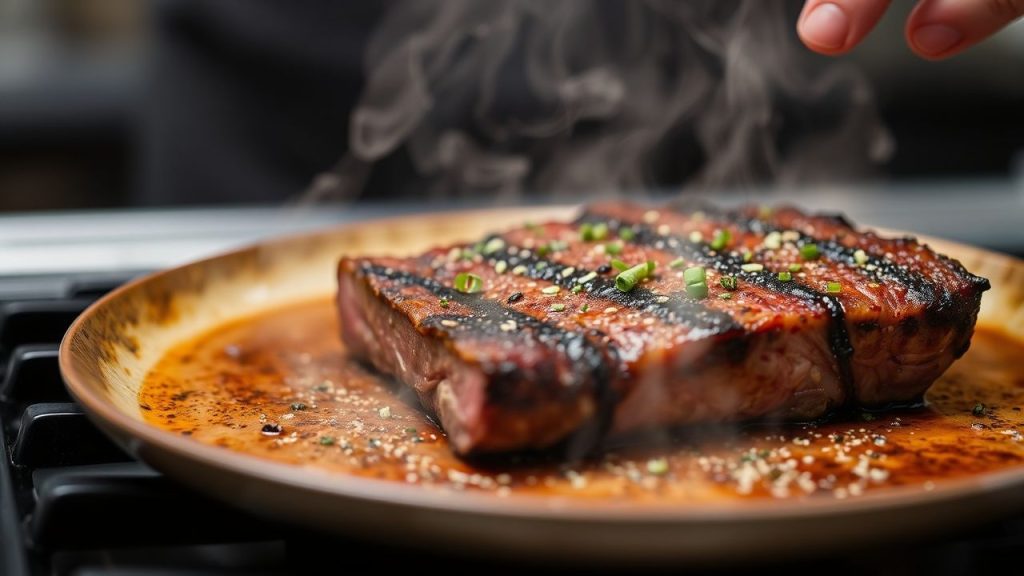
Searing is a targeted, high-heat step designed to develop a flavorful crust and concentrated savory notes. Performed correctly, it creates aromatic compounds that later dissolve into the stew liquid.
Moreover, searing gives you control. You concentrate flavor at the start, then coax tenderness through long, low heat during braising or stewing. That combination yields a dish with both richness and succulence.
Why Searing Works (Science and Sensory)
At high temperatures, amino acids and reducing sugars react to form browned, flavorful compounds known as the Maillard reaction. This chemistry produces dozens of volatile molecules that our senses register as roasted, nutty, and savory.
Additionally, the browned surface produces fond: concentrated caramelized bits that, when deglazed, become the backbone of an enriched stew. Together, these effects increase perceived umami and overall mouthfeel.
Expert Insight: Texture and Collagen
Long, slow cooking breaks down collagen into gelatin, yielding a silky mouthfeel. However, searing ensures the exterior remains flavorful and adds slight chew for contrast.
Therefore, both processes—searing and slow cooking—work in concert: one builds surface flavor, the other transforms tough connective tissue into tenderness.
Expert Insight
Technique: Step-by-Step Searing and Stewing
Follow a clear sequence to get predictable results. First, prep and dry the meat; second, brown in high heat without overcrowding; third, deglaze and simmer gently until tender.
Use a heavy-bottomed skillet or Dutch oven so heat distributes evenly. This minimizes hot spots and ensures consistent browning across pieces.
Prep and Cook Time
Preparation: ~20 minutes. Trim, cube, and pat dry the meat to remove surface moisture that inhibits browning.
Cooking: 2–2.5 hours total, including searing and stewing. Timing varies by cut and pot temperature.
Yield
Serves 6 hearty portions when using the standard quantities below.
Adjust portioning as needed for family size or meal planning.
Difficulty Level
Medium. The method requires attention during searing but relies on low-maintenance simmering afterward.
With practice, searing becomes a fast, reliable technique that yields professional-level flavor.
Ingredients
- 2 lbs beef chuck, cut into 1.5-inch cubes
- 2 tbsp vegetable oil (or another high smoke-point oil)
- 1 large onion, finely chopped
- 3 cloves garlic, minced
- 2 carrots, sliced diagonally
- 2 celery stalks, chopped
- 1 cup dry red wine (optional; useful for deglazing)
- 4 cups beef broth
- 2 bay leaves
- 1 tsp dried thyme
- Salt and freshly ground black pepper, to taste
Note: For dietary adjustments, replace oil with a light spray and use lower-sodium broth.
Instructions
1. Dry and season: Pat the beef dry with paper towels. Season generously with salt and pepper to promote surface browning.
2. Heat the pot: Warm a heavy pot over medium-high heat until shimmering. Add oil and let it heat until it slightly ripples across the surface.
3. Sear in batches: Place beef cubes in a single layer and do not overcrowd. Allow each side to develop a deep brown crust, about 3–4 minutes per side.
Avoid moving pieces prematurely. When the crust releases easily, it’s ready to turn; rushing produces steam instead of a crust.
4. Set meat aside: Transfer seared pieces to a resting plate. Reduce heat to medium for the aromatics.
5. Sauté aromatics: In the same pot, add onion, garlic, carrots, and celery. Cook until softened, about 4–6 minutes, scraping fond from the bottom.
6. Deglaze: Pour in wine or a splash of broth and scrape the pan to lift browned bits. Let the liquid reduce for 2–4 minutes to concentrate flavor.
7. Simmer: Add beef broth, bay leaves, thyme, and return seared meat to the pot. Bring to a gentle simmer, then cover and stew on low for 2–2.5 hours.
8. Finish and season: Taste and adjust salt and pepper. Remove bay leaves before serving to avoid sharp, bitter notes.
Finally, skim excess fat if desired and rest the stew for 10 minutes to let flavors integrate further.
Chef’s Notes: Tips for Success
Choosing the right cut matters: choose beef chuck, brisket, or other cuts with connective tissue. These cuts soften and become unctuous after long cooking.
Drying your meat ensures a proper crust. Even slight surface moisture will steam and prevent ideal browning.
- Don’t overcrowd: Overcrowding drops pan temperature and produces steam, not a crust.
- Moderate oil: Use just enough oil to coat the pan; excess oil inhibits crust formation.
- High smoke point oils: Prefer vegetable, canola, or refined avocado oil for stable heat.
Deglazing is non-negotiable. The liquid lifts the fond into solution and creates a deeper, more integrated sauce. Use wine, stock, or even a splash of vinegar for brightness.
Pro-Caution
If you wish to reduce oil, sear with less fat and finish in the oven at high heat briefly, or use a heavy non-stick pan to limit fat absorption.
Serving Suggestions
Serve the stew in a wide bowl, garnished with fresh parsley or thyme sprigs for color and aromatics. The herb garnish brightens the deep, savory profile.
Pair with creamy mashed potatoes, buttered egg noodles, or crusty bread to soak up the sauce. A simple green vegetable balances richness and adds texture contrast.
| Nutrient | Per Serving |
|---|---|
| Calories | 420 kcal |
| Protein | 35 g |
| Carbohydrates | 12 g |
| Fat | 22 g |
Discover more techniques on slow cooking meat and how time deepens flavor. Additionally, see best cuts for stew to match cooking method with the right protein.
Q&A
Q&A: Unlock Bold Flavors – Why Searing Meat Before Stewing Matters
What is searing meat, and how does it differ from simply cooking it?
Searing is the rapid browning of a meat’s surface at high heat to develop a caramelized crust. In contrast, simple cooking at lower temperatures does not create the same Maillard-driven flavor compounds.
Therefore, searing adds a concentrated layer of taste that complements the long, slow cooking that follows.
Why is searing important before stewing?
Searing generates flavor through the Maillard reaction and creates fond on the pan surface. Deglazing then captures those compounds and folds them into the stew liquid.
Consequently, a seared-and-deglazed base produces a richer, more complex broth than unseared meat alone.
Does searing lock in juices as many believe?
The old notion that searing “seals in” juices is misleading. Searing primarily develops flavor rather than preventing moisture loss.
However, when combined with proper low-temperature simmering, searing contributes to a final dish that tastes juicier and more savory.
Can I skip searing for a quicker or leaner stew?
You can skip searing to save time or limit oil, but expect a noticeable difference in flavor depth. If short on time, sear at least a portion of the meat or use a quick pan-roast to capture some browning.
Alternatively, use a hot oven roast or torch for spot browning, but these techniques still aim to produce Maillard compounds rather than preserve juices.
Does searing benefit all stewed meats?
Most hearty proteins—beef, lamb, pork, and robust poultry—gain from searing. Delicate fish and very lean cuts may not respond well and can dry out under high heat.
Match the method to the protein. When in doubt, use smaller test batches to evaluate texture and flavor before committing to the full cook.
In Summary
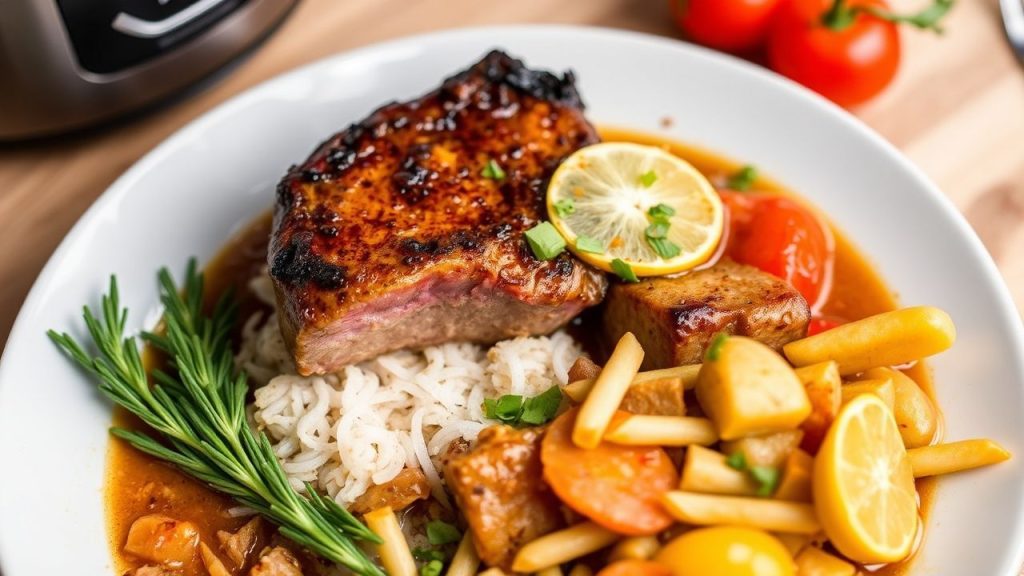
Searing meat before stewing is a proven technique to concentrate flavor, create textural contrast, and produce a richer sauce. Practically, it requires little extra time but returns substantial sensory benefits.
For consistent results, dry your meat, use high heat, avoid overcrowding, and always deglaze the pan. These steps convert surface caramelization into lasting, integrated flavor in the finished stew.
FAQ
How long should I sear each piece?
Sear pieces about 3–4 minutes per side on medium-high heat until a deep brown crust forms. Timing varies with pan temperature and piece size.
Remember: the crust should release easily when it is properly seared—forced movement often tears the surface.
Can I brown meat in the oven instead?
Yes. High-heat roasting on a preheated sheet can brown large quantities at once. Finish liquid steps on the stovetop to deglaze and build the stew base.
However, stovetop searing gives more direct control and faster fond formation for deglazing.
What if I have leftover stew—does flavor improve?
Flavors often deepen after resting overnight in the refrigerator because aromatics and fat integrate more fully. Reheat gently to avoid overcooking the meat.
Also, chilled stew can be defatted easily by skimming solidified surface fat before reheating.
Which herbs and aromatics pair best with seared stews?
Classic pairings include bay leaves, thyme, rosemary, and whole peppercorns. Use fresh parsley at the end for brightness and contrast to the rich base.
Finally, acids like a splash of vinegar or lemon can brighten the final bowl without overpowering the Maillard-derived richness.
Where can I read more about the chemistry behind browning?
For a reliable overview, consult the Maillard reaction entry and the browning (cooking) article on Wikipedia for accessible, referenced explanations.
These sources clarify why searing produces flavor compounds and how they influence the final dish.
See also: Searing meat
]]>