- Quick take: choose well-marbled beef, rinse rice, and add grains late to keep texture.
- Timing matters: low-and-slow for meat; short finish for rice to avoid gluey results.
- Balance flavors: build layers with browning, aromatics, and a final brightener.
- Storage tip: cool rapidly and reheat thoroughly; freeze without rice for best results.
Choosing the Perfect Cuts of Beef for Maximum Tenderness
Beef stew depends on connective tissue converting to gelatin during long, gentle cooking. Choose collagen-rich cuts such as chuck or brisket for a silky mouthfeel and richer sauce.
Cut the meat into uniform 1-inch cubes so each piece reaches tenderness at the same time. If you want background reading on the anatomy of meat and common beef cuts, consult the beef summary.
Preparation and Browning
Pat meat dry and brown in batches to develop Maillard flavor; avoid crowding the pot. Browned fond gives the stew a savory backbone when you deglaze with a splash of stock.
Keep a small amount of rendered fat if the pot is lean; that fat helps coat aromatics and carry flavor. Deglaze with broth, scraping the fond to fold those concentrated flavors back into the base.
Balancing Texture and Nutrition with Ideal Rice Varieties
Your rice choice changes texture and cook time. Long-grain rice such as jasmine or basmati produces distinct, fluffy grains, while brown rice adds fiber but takes longer to soften.
For separate-cooked rice, finish portions by stirring rice into bowls to preserve grain integrity. For context on rice varieties and processing, see the rice overview.
Grain Handling and Timing
Rinse rice under cold water until the runoff runs clear to remove surface starch and reduce stickiness. Then, add rice near the end of simmering so it absorbs a controlled amount of broth without breaking down.
Alternatively, par-cook brown rice or mix short-cooked grains separately to match beef timing. This approach improves reheating performance and helps portion control for leftovers.
Expert Techniques and Flavor Layering
Layer flavors in deliberate steps: sear meat, sweat aromatics, toast spices, and use a concentrated stock for depth. Each step adds a distinct flavor layer that combines in the final pot.
Use bay leaves and thyme for structural herbs, and add a splash of acid—lemon or vinegar—just before serving to lift the whole dish. Controlled seasoning throughout ensures balance, not over-salting at the end.
 Expert Insight
Stepwise Approach to Building Flavor
Sear meat first, then sweat onions, carrots, and celery to extract natural sugars. Add garlic and tomato paste late in the browning stage to avoid bitterness and to build umami steadily.
Deglaze the pot and simmer gently to convert collagen slowly into gelatin. Keep the pot at a gentle simmer rather than a rolling boil to prevent meat from tightening and shredding the sauce.
Simmering, Pressure, and Slow-Cook Options
Stovetop simmering gives predictable results and improves your control over heat and evaporation. Maintain a low, steady bubble to let collagen break down over time.
If you use a pressure cooker, reduce overall time and expect a slightly different mouthfeel because gelatin converts faster under pressure. For slow cookers, always sear meat and brown aromatics first to avoid flat flavor.
Food Safety and Practical Notes
Handle cooked rice and meat carefully to avoid bacterial growth. Cool leftovers promptly and refrigerate within two hours to maintain safety and quality.
When reheating, bring the stew to at least 74°C (165°F) throughout. Because rice can harbor Bacillus cereus spores, never leave cooked rice at room temperature for extended periods.
 Pro-Caution
Prep, Cook Time, Yield, and Difficulty
Prep Time: 20 minutes is sufficient to trim beef and chop vegetables when you work with mise en place. Organize ingredients by step to keep the cook process smooth.
Cook Time: About 2–2½ hours on low heat yields tender beef and integrated flavors; times vary with equipment. Expect 6 hearty portions from this recipe, depending on portion size.
Ingredients
This ingredient list uses pantry-friendly items and fresh aromatics for balance. Use low-sodium broth so you can control the final salt level.
- 2 lb beef chuck, cut into 1-inch cubes
- 1 large onion, finely chopped
- 3 cloves garlic, minced
- 2 medium carrots, peeled and diced
- 2 stalks celery, diced
- 1½ cups long-grain rice (jasmine or basmati) or 1½ cups cooked brown rice for more fiber
- 4 cups beef broth, low-sodium or homemade
- 1 cup crushed tomatoes
- 2 tbsp olive oil
- 2 bay leaves
- 1 tsp dried thyme or 2 tsp fresh
- Salt & freshly ground black pepper to taste
- 2 tbsp fresh parsley, chopped (garnish)
- 1 tbsp lemon juice or apple cider vinegar (optional brightener)
Instructions
Read the steps fully before you start so you can coordinate rice timing with simmering. Proper sequencing prevents overcooked grains and underdeveloped flavors.
- Heat oil in a heavy pot over medium-high. Brown beef in batches 5–6 minutes per batch, then set aside to keep fond intact.
- Reduce heat to medium and add onions, carrots, and celery. Sauté about 8 minutes until softened and translucent.
- Add garlic and cook 1 minute more. Return beef, add crushed tomatoes, broth, bay leaves, and thyme, and bring to a gentle simmer.
- Cover partially and simmer low for 1½–2 hours until beef is fork-tender. Stir occasionally and adjust liquid to keep a stew consistency you prefer.
- Rinse rice under cold water until clear to remove starch. Stir rinsed rice into the stew during the final 20–25 minutes and simmer until grains are tender.
- Finish with salt, pepper, and a splash of lemon or vinegar. Remove bay leaves, garnish with parsley, and serve warm.
If you prefer, cook rice separately and combine at plating to keep grains distinct. This works well for reheating and for adjustible portions.
Tips for Success and Variations
Sear meat in batches to avoid steaming and to build caramelized flavor. Use low-sodium broth and adjust seasoning near the end to prevent over-salting early in the cook.
Swap vegetables freely: diced potatoes or mushrooms added halfway through provide additional texture. For a vegetarian version, substitute hearty mushrooms or lentils and use vegetable stock.
Serving Suggestions
Serve the stew in deep bowls with a garnish of fresh parsley to add brightness and color. Offer crusty bread or a lightly dressed green to cut richness.
Finish with a drizzle of extra-virgin olive oil or a spoonful of plain yogurt or sour cream for contrast. Provide lemon wedges at the table for individual brightness adjustment.
For related techniques and background on the dish type, review the stew entry and the general cooking article.
Explore internal references for more recipes and tips: beef stew tag and beef and rice stew recipes for variations and community-tested notes.
FAQ
What cut of beef gives the best results?
Choose well-marbled, collagen-rich cuts like chuck or brisket for slow stewing. These cuts break down into tender pieces and enrich the sauce with gelatin for body.
When should I add rice to avoid mushiness?
Add rinsed long-grain rice during the final 20–25 minutes of simmering so it cooks through without turning gluey. Alternatively, cook rice separately and combine at serving.
Can I use leftover cooked rice?
Yes. Stir leftover rice into individual bowls just before serving to preserve grain integrity. Avoid simmering leftover rice in the pot for long periods to prevent over-softening.
How can I make the stew ahead?
Make the stew a day in advance; flavors meld and improve after resting overnight. Cool quickly, refrigerate within two hours, and reheat to 74°C (165°F) before serving.
Is this recipe freezer-friendly?
Freeze the stew without rice for best texture. Thaw and reheat, then cook fresh rice when you serve to avoid mush and reduce reheating risk.
Further reading on grains and their nutritional context: see the brown rice entry. These references support decisions about rice type and cook timing.
Pro-Caution
Recommended Reading:
]]>Beef stew delivers warm, layered comfort: tender meat, earthy mushrooms, and a broth that carries savory depth. This recipe focuses on technique—searing, slow simmering, and seasoning—to make a reliably rich bowl with minimal guesswork.
- Key takeaway: Proper sear unlocks savory compounds through the Maillard reaction.
- Key takeaway: Use collagen-rich cuts like beef chuck for silky texture after long cooking.
- Key takeaway: Combine mushroom varieties for layered umami; handling and caramelization matter.
- Key takeaway: Low, steady heat and periodic tasting ensure clarity and balanced seasoning in the final bowl.
Follow the steps and notes below to sharpen kitchen technique and reduce wasted time and flavor. The guidance here aims for consistent results whether you cook on the stovetop or in a low oven.
Hearty Ingredients That Build Rich Flavors for Beef Stew
Choose ingredients that layer flavor: well-marbled beef, mixed mushrooms, aromatics, and an unsalted or low-sodium broth base. Each component contributes body, umami, or balance to the finished beef stew.
Use a mix of cremini and shiitake for varied texture and taste. For context on mushrooms and their culinary role, see mushroom. Keep vegetables uniform in size so they cook at the same rate.
Mastering the Perfect Browning Technique for Tender Beef Stew
Browning beef properly gives the stew a deep savory backbone. Pat cubes dry, season, and sear in hot fat in a heavy pot; resist crowding the pan so the surface browns instead of steaming.
Use a heavy Dutch oven or similar pot to hold heat and deglaze with broth to lift fond into the sauce. Those browned bits form concentrated flavor for the final broth.
Pro-Caution
Reserve the seared meat on a plate and cook vegetables in the same pot so their sugars pick up residual fond. Deglazing with a small amount of liquid dissolves those flavors into the stew base quickly.
Balancing Earthy Mushrooms with Savory Herbs for Beef Stew
Mushrooms add concentrated umami; handle them to concentrate flavor. Sauté over medium heat without crowding so they caramelize and stop releasing excess water into your beef stew.
Support mushrooms with thyme, rosemary, and bay leaves rather than overpowering spices. A touch of smoked paprika or black pepper adds warmth and lifts the broth without masking its core savory notes.
Tips for Slow Simmering to Elevate Your Beef Stew
Low, steady simmering converts collagen into gelatin and lets flavors meld into a cohesive broth. Avoid a rolling boil; maintain a gentle shimmer to keep meat tender and the liquid clear.
Plan at least two hours for fork-tender results with beef chuck, and taste late in the process to correct seasoning. If you prefer oven cooking, use a low oven (275–300°F / 135–150°C) for even heat and less evaporation.
Recipe Details for Beef Stew
This recipe yields family-sized portions and scales well for batch cooking. Timing and ingredient amounts below help you replicate the same results on repeat.
Use low-sodium broth to control final salt; finish with a light seasoning adjustment after reduction. The step-by-step method is deliberately staged for clarity.
Prep and Cook Time
- Preparation: 20 minutes
- Active Cooking: 15 minutes
- Slow Simmering: 2 hours 30 minutes
- Total Time: 3 hours 5 minutes
Yield
Serves 6 generous portions—ideal for family dinners or batch-cooking for the week. Leftovers usually taste better after a night in the fridge as flavors integrate further.
Freeze portions for up to three months; thaw in the refrigerator overnight and reheat gently on the stovetop to preserve texture.
Difficulty Level
Medium. This method requires staged cooking and checkpoints for doneness rather than precise timing alone. The steps are accessible to cooks who follow process cues.
Measure by tenderness and broth clarity rather than strict clocks; adjust simmer time based on cube size and cut quality.
Ingredients
- 2 lbs beef chuck, cut into 1½-inch cubes, patted dry
- 1½ cups cremini mushrooms, cleaned and quartered
- 1½ cups shiitake mushrooms, stems removed, sliced
- 3 cloves garlic, minced
- 1 large onion, finely chopped
- 3 tbsp olive oil
- 1 tbsp unsalted butter
- 2 tbsp all-purpose flour
- 4 cups beef broth, low sodium
- 2 sprigs fresh thyme
- 2 sprigs fresh rosemary
- 2 bay leaves
- 1 tsp smoked paprika
- Salt & freshly ground black pepper, to taste
- 2 medium carrots, peeled and sliced
- 2 stalks celery, sliced
Instructions
- Prepare the beef: Season beef cubes generously with salt and pepper. Heat 2 tablespoons olive oil and 1 tablespoon butter in a heavy Dutch oven over medium-high until shimmering.
- Braise the beef: In batches, sear beef until deeply browned on all sides, about 3–4 minutes per side. Avoid overcrowding; set browned beef aside.
- Sauté aromatics: Reduce heat to medium, add remaining oil, then sauté onion, carrots, and celery until softened, about 5 minutes. Stir in garlic and cook 1 minute more.
- Cook mushrooms: Add cremini and shiitake and cook until caramelized and moisture evaporates, about 8 minutes.
- Thicken and deglaze: Sprinkle flour over vegetables; cook 2 minutes, then slowly add beef broth while scraping the pot bottom to incorporate browned bits.
- Combine and simmer: Return beef to the pot, add thyme, rosemary, bay leaves, and smoked paprika. Bring to a gentle simmer and partially cover.
- Slow cook: Reduce heat to low and simmer gently for 2–2½ hours until beef is fork-tender. Stir occasionally and adjust seasoning at the end.
- Final touches: Remove herb sprigs and bay leaves before serving. Finish with a pat of butter or a splash of cream if you want extra silkiness.
Chef’s Notes & Tips for Beef Stew Success
Small techniques change outcomes dramatically: dry meat before searing, manage evaporation during simmering, and taste late to avoid over-salting. Use low-sodium broth and adjust salt at the finish.
For thicker body, reduce uncovered for 20–30 minutes or mash a portion of vegetables and stir back in. If chilled, rest the stew 20–30 minutes before reheating to let gelatin set slightly.
Expert Insight
Keep two internal references on your site for related content: beef stew tips and stew recipes to boost reader navigation and dwell time.
Serving Suggestions for Beef Stew
Serve hot in wide bowls and garnish with chopped flat-leaf parsley or a light dusting of grated hard cheese to add brightness. Pair with crusty bread, mashed potatoes, or buttered noodles to soak up the sauce.
For a lighter accompaniment, offer a crisp green salad or roasted root vegetables. Provide a small acid—vinegar or lemon zest—at the table to cut richness for those who prefer brighter flavors.
Storage & Make-Ahead for Beef Stew
This stew stores well: cool to room temperature quickly, then refrigerate up to 3 days or freeze in airtight containers for up to 3 months. Thaw in the fridge overnight and reheat gently on the stovetop.
If the sauce thickens after chilling, add a splash of broth or water when reheating and adjust seasoning before serving. Leftovers often taste more integrated after overnight rest.
FAQ
What cut of beef works best for stew?
Choose cuts with connective tissue that convert to gelatin: beef chuck, short ribs, or brisket work best after long, gentle cooking. These cuts break down and produce silky mouthfeel when simmered slowly.
Can I make this stew vegetarian?
Yes. Replace beef with a mix of hearty mushrooms and plant proteins. Use vegetable broth and increase umami with miso, soy sauce, or tomato paste to replicate depth in a vegetarian beef stew alternative.
How do I prevent a cloudy broth?
Avoid rapid boiling and vigorous agitation. Maintain a gentle simmer and skim any surface foam during the first 15–20 minutes to keep the broth clear and clean-tasting.
Is a splash of wine necessary?
Wine is optional but useful for deglazing and adding acidity to balance richness. Use a dry red or fortified wine; cook briefly so alcohol dissipates and flavor concentrates before adding the rest of the broth.
How do I thicken the stew without flour?
Simmer uncovered to reduce liquid or mash some of the cooked vegetables back into the pot. A small slurry of cornstarch mixed with cold water also thickens quickly when added near the end.
Apply these proven techniques to produce a deep, balanced beef and mushroom stew every time. Focus on process—dry meat, hot sear, controlled simmer—and you will reliably reach tender meat and rich broth.
See also: beef stew
]]>
- Key takeaway: Browning arises from interactions between sugars and amino acids, not simple caramelization.
- Timing matters: High, dry heat with good surface contact produces the best sear.
- Safety balance: Manage temperature to minimize unwanted compounds while maximizing flavor.
- Practical tip: Pat meats dry and use a high-smoke-point oil for a reliable crust.
Science of the Maillard Reaction
The Maillard reaction occurs when reducing sugars react with free amino acids under heat, producing hundreds of flavor compounds and brown pigments called melanoidins. This cascade begins around 140°C (285°F) and accelerates as temperature rises, producing savory, roasted and nutty notes.
Understanding the reactants helps you predict outcomes: foods rich in proteins and simple sugars brown more readily. For background on the chemistry of amino groups, see amino acids.
Prep and Cook Time
These times assume a standard pan-seared ribeye technique that highlights the Maillard Reaction. Timings vary with cut thickness and pan mass.
Guideline: Heat the pan first, then add oil and the protein; total active cook time is short but requires attention to temperature.
- Preparation: 15 minutes
- Cooking: 20 minutes
- Total Time: 35 minutes
Yield
This recipe and technique target a family portion size while preserving sear quality. Scaling up requires wider pans or batch cooking to avoid crowding.
Serves: 4
Difficulty Level
Technique-focused cooks will find the method approachable; it rewards precise heat control and timing. Beginners can replicate professional results by following core principles.
Level: Medium — requires attention to pan temperature and resting time for best texture.
Ingredients
The ingredients list emphasizes components that support Maillard browning: protein, minimal surface moisture, and a high smoke-point fat. Fresh aromatics and butter finish the flavor but do not drive the reaction.
Substitution notes: choose oils with high smoke points and cuts with good surface protein content for optimal crust development.
- 1 lb (450g) boneless ribeye steak, trimmed and room temperature
- 2 tbsp vegetable oil (grapeseed or canola)
- 1 tsp kosher salt
- ½ tsp freshly ground black pepper
- 2 cloves garlic, crushed
- 1 sprig fresh rosemary
- 2 tbsp unsalted butter, chilled
Instructions
Follow these steps to maximize surface browning while maintaining internal doneness. Each movement has a purpose: dry surface, hot pan, undisturbed contact, and a resting period.
Work quickly once the pan is hot. A well-heated cast-iron or heavy-bottom skillet stores heat and helps sustain the Maillard reaction across the sear.
- Preheat the pan: Heat a skillet over medium-high until very hot but not smoking.
- Dry and season: Pat the ribeye thoroughly and season both sides with kosher salt and pepper.
- Add oil: Swirl oil to coat, then place the steak away from you to avoid splatter.
- Sear undisturbed: Leave the steak for 3–4 minutes to form a deep, golden crust.
- Flip and aromatics: Turn the steak, add garlic and rosemary, and sear the second side for 3 minutes.
- Finish with butter: Reduce heat to medium, add chilled butter, and baste for 2–3 minutes.
- Rest and slice: Use a thermometer (130°F for medium-rare). Rest 5 minutes before slicing against the grain.
Searing checklist
Before you place protein in the pan, confirm three items: no excess moisture, a hot pan, and a single layer of meat without crowding. This preserves surface temperature and prevents steaming.
Use a splatter screen if needed, and reduce heat only if smoke becomes excessive. A steady, hot surface gives the most consistent Maillard browning.
Tips for Success
Small technique tweaks produce outsized flavor gains. Focus on surface dryness, heat management, and uninterrupted contact time to encourage the formation of flavorful compounds.
Choose cuts with ample surface protein and a modest amount of fat. The fat helps carry flavor and enhances perceived juiciness after the Maillard reaction develops a crust.
- Bring meat to room temperature for even internal cooking.
- Pat meats dry; moisture delays browning.
- Use oils with high smoke points to reach searing temperatures safely.
- Avoid overcrowding; crowding traps steam and lowers pan temperature.
Expert Insight
After the tip above, allow the steak to rest briefly before slicing to redistribute juices. Proper resting preserves tenderness and mouthfeel.
Serving Suggestions
Present the sliced ribeye over warm sides that absorb pan juices: mashed potatoes, roasted vegetables, or a simple pan sauce. A light sprinkle of flaky sea salt enhances the crust’s flavor.
Pair bold, structured wines or roasted vegetable sides to complement the Maillard-driven nutty and caramelized notes that emerge from the sear.
Health and Safety Considerations
The Maillard reaction produces desirable flavors but can also generate compounds like acrylamide when starchy foods become overly browned. Controlled cooking keeps flavor high and risky byproducts low.
To minimize potentially harmful compounds, brown to golden rather than black, control temperature, and avoid charring. Balanced technique yields safe and delicious results.
Pro-Caution
Use a thermometer to hit target doneness without overbrowning the exterior. For most home cooks, medium-rare to medium yields the best balance of crust and juiciness.
Nutritional Overview
Below is an approximate nutrient breakdown per serving for the illustrated portion. Values vary by cut, trimming, and finishing ingredients.
| Nutrient | Amount per Serving |
|---|---|
| Calories | 450 kcal |
| Protein | 40 g |
| Carbohydrates | 2 g |
| Fat | 30 g |
For background on related cooking processes and how they differ, review caramelization and steak preparation notes. These sources clarify contrasts with simple sugar browning and typical cuts used for searing.
Final Notes
Mastering the Maillard reaction means managing heat, moisture, and timing to produce predictable flavor. Small, repeatable techniques yield consistent crusts and deeper taste profiles across proteins and vegetables.
Apply these principles across pan-searing, roasting, and grilling to expand your flavor palette. Repetition and observation sharpen your ability to read the pan and control the reaction for repeatable results.
FAQ
What exactly is the Maillard Reaction?
The Maillard Reaction is a chemical interaction between reducing sugars and amino groups in proteins that occurs under heat, producing new flavor molecules and brown pigments. It differs from simple sugar browning by involving amino acids as co-reactants.
Why does the Maillard Reaction matter for flavor?
It generates hundreds of volatile compounds that create savory, toasted, and roasted notes. These compounds make seared meats, toasted bread, and roasted coffee complex and appealing.
At what temperature does the reaction begin?
The Maillard cascade typically begins near 140°C (285°F) and accelerates at higher temperatures. Successful browning requires stable high heat and minimal surface moisture.
How can I encourage good browning without burning?
Pat surfaces dry, use a heavy pan for heat retention, apply a thin coat of high-smoke-point oil, and avoid overcrowding. If smoke appears, reduce heat slightly to prevent bitter charring.
Is Maillard the same as caramelization?
No. Caramelization involves the thermal decomposition of sugars alone and produces sweet, toasty flavors. The Maillard reaction involves sugars and amino acids, yielding savory and nutty notes.
See also: Maillard Reaction
]]>
- Builds flavor: Browning creates compounds that enrich the broth.
- Improves texture: A seared crust adds contrast to tender meat.
- Maximizes fond: Deglazing lifts concentrated flavors into the sauce.
- Works for most proteins: Beef, lamb, pork, and heartier poultry benefit most.
Unlock Bold Flavors: Mastering Searing for Delectable Stews
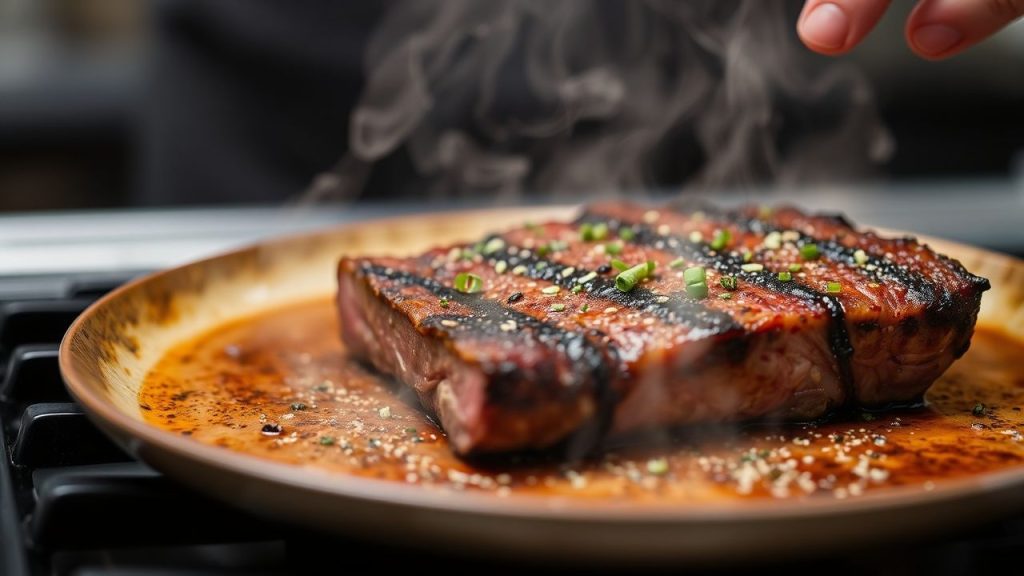
Searing is a targeted, high-heat step designed to develop a flavorful crust and concentrated savory notes. Performed correctly, it creates aromatic compounds that later dissolve into the stew liquid.
Moreover, searing gives you control. You concentrate flavor at the start, then coax tenderness through long, low heat during braising or stewing. That combination yields a dish with both richness and succulence.
Why Searing Works (Science and Sensory)
At high temperatures, amino acids and reducing sugars react to form browned, flavorful compounds known as the Maillard reaction. This chemistry produces dozens of volatile molecules that our senses register as roasted, nutty, and savory.
Additionally, the browned surface produces fond: concentrated caramelized bits that, when deglazed, become the backbone of an enriched stew. Together, these effects increase perceived umami and overall mouthfeel.
Expert Insight: Texture and Collagen
Long, slow cooking breaks down collagen into gelatin, yielding a silky mouthfeel. However, searing ensures the exterior remains flavorful and adds slight chew for contrast.
Therefore, both processes—searing and slow cooking—work in concert: one builds surface flavor, the other transforms tough connective tissue into tenderness.
Expert Insight
Technique: Step-by-Step Searing and Stewing
Follow a clear sequence to get predictable results. First, prep and dry the meat; second, brown in high heat without overcrowding; third, deglaze and simmer gently until tender.
Use a heavy-bottomed skillet or Dutch oven so heat distributes evenly. This minimizes hot spots and ensures consistent browning across pieces.
Prep and Cook Time
Preparation: ~20 minutes. Trim, cube, and pat dry the meat to remove surface moisture that inhibits browning.
Cooking: 2–2.5 hours total, including searing and stewing. Timing varies by cut and pot temperature.
Yield
Serves 6 hearty portions when using the standard quantities below.
Adjust portioning as needed for family size or meal planning.
Difficulty Level
Medium. The method requires attention during searing but relies on low-maintenance simmering afterward.
With practice, searing becomes a fast, reliable technique that yields professional-level flavor.
Ingredients
- 2 lbs beef chuck, cut into 1.5-inch cubes
- 2 tbsp vegetable oil (or another high smoke-point oil)
- 1 large onion, finely chopped
- 3 cloves garlic, minced
- 2 carrots, sliced diagonally
- 2 celery stalks, chopped
- 1 cup dry red wine (optional; useful for deglazing)
- 4 cups beef broth
- 2 bay leaves
- 1 tsp dried thyme
- Salt and freshly ground black pepper, to taste
Note: For dietary adjustments, replace oil with a light spray and use lower-sodium broth.
Instructions
1. Dry and season: Pat the beef dry with paper towels. Season generously with salt and pepper to promote surface browning.
2. Heat the pot: Warm a heavy pot over medium-high heat until shimmering. Add oil and let it heat until it slightly ripples across the surface.
3. Sear in batches: Place beef cubes in a single layer and do not overcrowd. Allow each side to develop a deep brown crust, about 3–4 minutes per side.
Avoid moving pieces prematurely. When the crust releases easily, it’s ready to turn; rushing produces steam instead of a crust.
4. Set meat aside: Transfer seared pieces to a resting plate. Reduce heat to medium for the aromatics.
5. Sauté aromatics: In the same pot, add onion, garlic, carrots, and celery. Cook until softened, about 4–6 minutes, scraping fond from the bottom.
6. Deglaze: Pour in wine or a splash of broth and scrape the pan to lift browned bits. Let the liquid reduce for 2–4 minutes to concentrate flavor.
7. Simmer: Add beef broth, bay leaves, thyme, and return seared meat to the pot. Bring to a gentle simmer, then cover and stew on low for 2–2.5 hours.
8. Finish and season: Taste and adjust salt and pepper. Remove bay leaves before serving to avoid sharp, bitter notes.
Finally, skim excess fat if desired and rest the stew for 10 minutes to let flavors integrate further.
Chef’s Notes: Tips for Success
Choosing the right cut matters: choose beef chuck, brisket, or other cuts with connective tissue. These cuts soften and become unctuous after long cooking.
Drying your meat ensures a proper crust. Even slight surface moisture will steam and prevent ideal browning.
- Don’t overcrowd: Overcrowding drops pan temperature and produces steam, not a crust.
- Moderate oil: Use just enough oil to coat the pan; excess oil inhibits crust formation.
- High smoke point oils: Prefer vegetable, canola, or refined avocado oil for stable heat.
Deglazing is non-negotiable. The liquid lifts the fond into solution and creates a deeper, more integrated sauce. Use wine, stock, or even a splash of vinegar for brightness.
Pro-Caution
If you wish to reduce oil, sear with less fat and finish in the oven at high heat briefly, or use a heavy non-stick pan to limit fat absorption.
Serving Suggestions
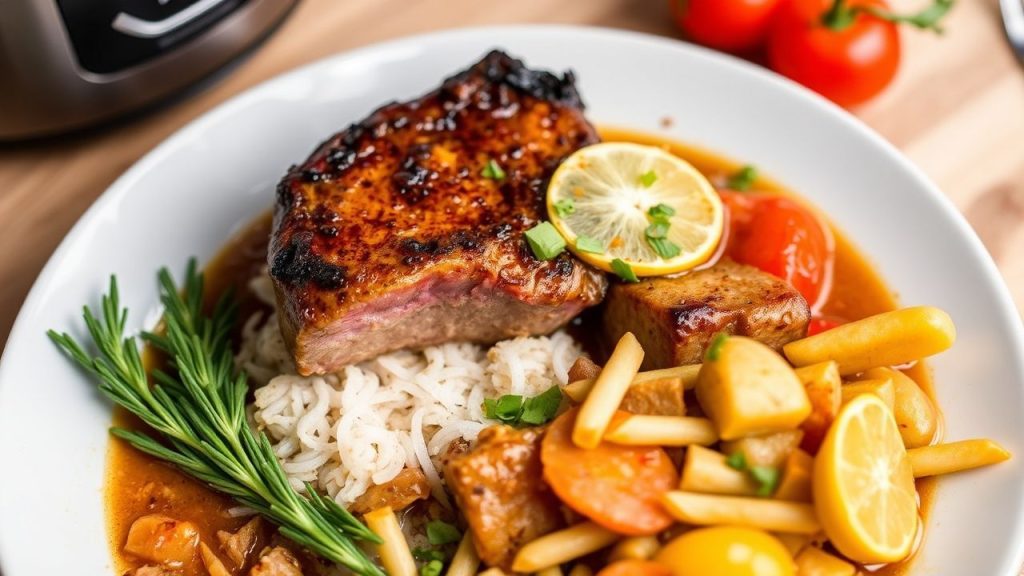
Serve the stew in a wide bowl, garnished with fresh parsley or thyme sprigs for color and aromatics. The herb garnish brightens the deep, savory profile.
Pair with creamy mashed potatoes, buttered egg noodles, or crusty bread to soak up the sauce. A simple green vegetable balances richness and adds texture contrast.
| Nutrient | Per Serving |
|---|---|
| Calories | 420 kcal |
| Protein | 35 g |
| Carbohydrates | 12 g |
| Fat | 22 g |
Discover more techniques on slow cooking meat and how time deepens flavor. Additionally, see best cuts for stew to match cooking method with the right protein.
Q&A
Q&A: Unlock Bold Flavors – Why Searing Meat Before Stewing Matters
What is searing meat, and how does it differ from simply cooking it?
Searing is the rapid browning of a meat’s surface at high heat to develop a caramelized crust. In contrast, simple cooking at lower temperatures does not create the same Maillard-driven flavor compounds.
Therefore, searing adds a concentrated layer of taste that complements the long, slow cooking that follows.
Why is searing important before stewing?
Searing generates flavor through the Maillard reaction and creates fond on the pan surface. Deglazing then captures those compounds and folds them into the stew liquid.
Consequently, a seared-and-deglazed base produces a richer, more complex broth than unseared meat alone.
Does searing lock in juices as many believe?
The old notion that searing “seals in” juices is misleading. Searing primarily develops flavor rather than preventing moisture loss.
However, when combined with proper low-temperature simmering, searing contributes to a final dish that tastes juicier and more savory.
Can I skip searing for a quicker or leaner stew?
You can skip searing to save time or limit oil, but expect a noticeable difference in flavor depth. If short on time, sear at least a portion of the meat or use a quick pan-roast to capture some browning.
Alternatively, use a hot oven roast or torch for spot browning, but these techniques still aim to produce Maillard compounds rather than preserve juices.
Does searing benefit all stewed meats?
Most hearty proteins—beef, lamb, pork, and robust poultry—gain from searing. Delicate fish and very lean cuts may not respond well and can dry out under high heat.
Match the method to the protein. When in doubt, use smaller test batches to evaluate texture and flavor before committing to the full cook.
In Summary
Searing meat before stewing is a proven technique to concentrate flavor, create textural contrast, and produce a richer sauce. Practically, it requires little extra time but returns substantial sensory benefits.
For consistent results, dry your meat, use high heat, avoid overcrowding, and always deglaze the pan. These steps convert surface caramelization into lasting, integrated flavor in the finished stew.
FAQ
How long should I sear each piece?
Sear pieces about 3–4 minutes per side on medium-high heat until a deep brown crust forms. Timing varies with pan temperature and piece size.
Remember: the crust should release easily when it is properly seared—forced movement often tears the surface.
Can I brown meat in the oven instead?
Yes. High-heat roasting on a preheated sheet can brown large quantities at once. Finish liquid steps on the stovetop to deglaze and build the stew base.
However, stovetop searing gives more direct control and faster fond formation for deglazing.
What if I have leftover stew—does flavor improve?
Flavors often deepen after resting overnight in the refrigerator because aromatics and fat integrate more fully. Reheat gently to avoid overcooking the meat.
Also, chilled stew can be defatted easily by skimming solidified surface fat before reheating.
Which herbs and aromatics pair best with seared stews?
Classic pairings include bay leaves, thyme, rosemary, and whole peppercorns. Use fresh parsley at the end for brightness and contrast to the rich base.
Finally, acids like a splash of vinegar or lemon can brighten the final bowl without overpowering the Maillard-derived richness.
Where can I read more about the chemistry behind browning?
For a reliable overview, consult the Maillard reaction entry and the browning (cooking) article on Wikipedia for accessible, referenced explanations.
These sources clarify why searing produces flavor compounds and how they influence the final dish.
See also: Searing meat
]]>
- Maillard reaction is responsible for browning and complex flavor development.
- High, dry heat and good surface contact drive the best sear.
- Drying, seasoning, and resting are practical controls every cook can use.
- Small adjustments in pH, fat, and time change flavor outcomes dramatically.
What is the Maillard reaction?
The Maillard reaction is a non-enzymatic chemical reaction between amino acids and reducing sugars that takes place when food reaches elevated temperatures. For a technical overview, see the Maillard reaction on Wikipedia.
This reaction creates hundreds of volatile and non-volatile compounds that build the savory, roasted, and caramel-like notes we recognize. The basic players are proteins (amino acids) and sugars; read more on amino acids to understand why meat develops such varied flavors.
How searing triggers Maillard chemistry
Searing supplies the surface with sufficient heat to dry and activate the reaction pathways that produce browned crusts. Surface temperatures above the boiling point of water allow the Maillard pathways to outcompete steaming, so the pan must be hot and the surface dry.
Contact, heat flux, and time determine how deep and complex the crust becomes. Cast iron and other heavy pans deliver high, even heat; see the construction and use of a cast-iron skillet for practical guidance.
Prep and Cook Time
Allow focused time for preparation and searing to control each variable that affects browning. Good timing reduces guesswork and produces repeatable results.
Preparation: 10 minutes. Cooking: 8–12 minutes depending on thickness. Total: ~20 minutes for typical ribeyes.
Yield
Recipe quantities below serve four people with generous portions. The yield depends on steak weight and side pairing choices.
Scale ingredients linearly for more servings, but keep pan space and heat consistent to avoid steaming instead of searing.
Difficulty Level
Intermediate: the method is straightforward but requires attention to heat, seasoning, and timing. These factors change results more than exotic equipment does.
With practice you will gain reliable control over crust color and internal doneness. Use a thermometer for precision and consistent outcomes.
Ingredients
Choose quality cuts and keep ingredients simple to highlight Maillard flavors. Marbling and surface dryness are more important than exotic rubs.
Keep the following on hand and measured before you start to prevent rushed adjustments at the pan.
- 4 boneless ribeye steaks (1–1½ inches thick, ~8 oz each)
- 2 tbsp high-smoke point oil (grapeseed or refined avocado oil)
- 1 tbsp unsalted butter
- 4 cloves garlic, smashed
- 3 sprigs fresh thyme
- Salt and freshly ground black pepper, to taste
- Optional: fine dusting of baking soda (¼ tsp per steak) to raise pH and speed browning
Instructions
Follow these steps to control surface moisture, contact, and heat—three primary variables that govern the Maillard reaction. Small, deliberate actions produce a deep, even crust without burning.
Do not rush the preheat and do not overcrowd the pan; both common mistakes reduce browning and create uneven results.
- Bring steaks to room temperature (about 30 minutes). Even starting temperature shortens cook time variability and supports consistent searing.
- Pat steaks dry with paper towels to remove surface moisture; moisture inhibits browning by forcing the surface to stay near boiling point.
- Season generously with salt and pepper. If using baking soda, apply sparingly to avoid a soapy note; baking soda raises pH and accelerates Maillard pathways.
- Preheat a heavy skillet over medium-high heat until very hot. Heavy pans maintain temperature under load and deliver steady contact; learn more about maintenance of cast iron on the linked guide above.
- Add oil and heat until it shimmers. The oil facilitates even heat transfer and prevents sticking while tolerating high surface temperatures.
- Place steaks in the pan without overcrowding. Leave space so each steak receives full, uninterrupted contact with the hot surface.
- Sear undisturbed 3–4 minutes until a dark golden crust forms. Resist flipping too soon; crust formation requires uninterrupted contact time.
- Flip and add butter, garlic, and thyme. The butter and aromatics add depth; baste for 3–5 minutes to build layers while monitoring internal temperature.
- Thermometer check: 130°F (54°C) for medium-rare. Remove a few degrees early to account for carryover cooking while resting.
- Rest loosely tented 5–10 minutes to allow juices to redistribute and the crust to stabilize. Cutting too early causes moisture loss and a less juicy finish.
For technique expansion, consult our internal guide to perfect pan sear techniques which covers heat management and utensil selection. That page includes additional steps for reverse sears and thick-cut steaks.
Tips for Success
Small procedural choices affect flavor far more than complex ingredient lists. Focus on surface dryness, steady heat, and a brief rest for best results.
Use the following practical tips during prep and cooking to increase the likelihood of professional results at home.
- Pick cuts with good marbling—fat carries and amplifies Maillard-derived flavors.
- Do not overcrowd the pan; moisture from crowded meat quickly halts browning.
- Control heat rather than chase color—if edges blacken before a deep brown crust forms, lower the heat.
- Use a thermometer to remove subjectivity from doneness; color is unreliable for thick cuts.
Expert Insight
Apply butter and aromatics late in the process so their flavors infuse without burning. A quick baste with melted butter improves crust gloss and aroma.
Pro-Caution
Serving Suggestions
Slice across the grain and plate warm to preserve texture and mouthfeel. Pairings should complement the concentrated, savory crust without overpowering it.
Try a bright chimichurri or a silky mushroom pan sauce. For internal resources on carrying and resting meat techniques, visit our resting meat guide.
Nutrition
Per-serving nutrition varies by cut and trim level; the figures below apply to ribeye portions with minimal trimming. Consider side dishes when calculating meal totals.
| Nutrient | Per Serving |
|---|---|
| Calories | 520 kcal |
| Protein | 48 g |
| Carbohydrates | 1 g |
| Fat | 36 g |
Q&A
The following questions address common technical points about browning, heat control, and texture. These concise answers are grounded in culinary science and practical experience.
They will help you apply the Maillard concepts directly during home searing sessions.
What exactly is the Maillard reaction?
The Maillard reaction is a series of chemical processes between amino acids and reducing sugars that produce brown pigments and flavor compounds. These changes occur when surface temperatures exceed the boiling point of water and continue as heat increases.
Read a technical overview at Maillard reaction for mechanistic details and compound pathways.
How does surface moisture impact browning?
Moisture keeps the surface at or near 100°C (212°F) until it evaporates, which delays the Maillard pathways that require higher temperatures. Thorough patting and short resting periods eliminate this obstacle.
Dry surfaces achieve higher contact temperatures quickly, enabling efficient crust development without prolonged heat exposure that can overcook interiors.
Can I speed up browning without burning the meat?
Yes—raising pH slightly with a minimal dusting of baking soda accelerates browning, as does ensuring a very hot pan and proper fat contact. However, the margin for error narrows as you increase reactivity.
Shorter, hotter sears with immediate resting produce a deep crust while preserving internal juiciness; practice and a thermometer help find the ideal window for each cut.
Does searing seal in juices?
Searing does not physically “seal” juices, but it creates a flavorful crust and changes surface texture that improves perceived juiciness. True moisture retention depends on total cook time and internal temperature control.
Resting post-sear reduces immediate juice loss by allowing muscle fibers to relax and reabsorb some expelled liquids, improving final tenderness.
Can vegetarian foods experience Maillard browning?
Absolutely. Any protein- or sugar-containing food—mushrooms, tofu, bread, and many vegetables—can undergo Maillard reactions when exposed to sufficient dry heat. The result is richer, more complex flavors in plant-based ingredients.
Experiment with higher heat and dry surfaces for vegetables and protein substitutes to develop the same roasted notes commonly associated with meat.
Understanding and controlling the Maillard reaction turns searing into a precise, repeatable technique. Apply these principles consistently to improve crust, aroma, and overall flavor in every cook.
For background on culinary browning processes, consult the general overview of browning (cooking) and ensure your pan selection matches the task.
See also: Maillard reaction
]]>