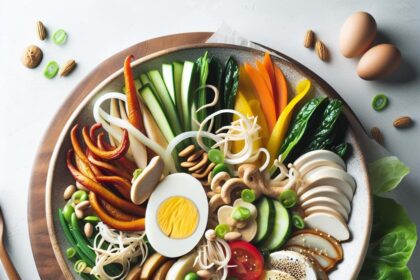

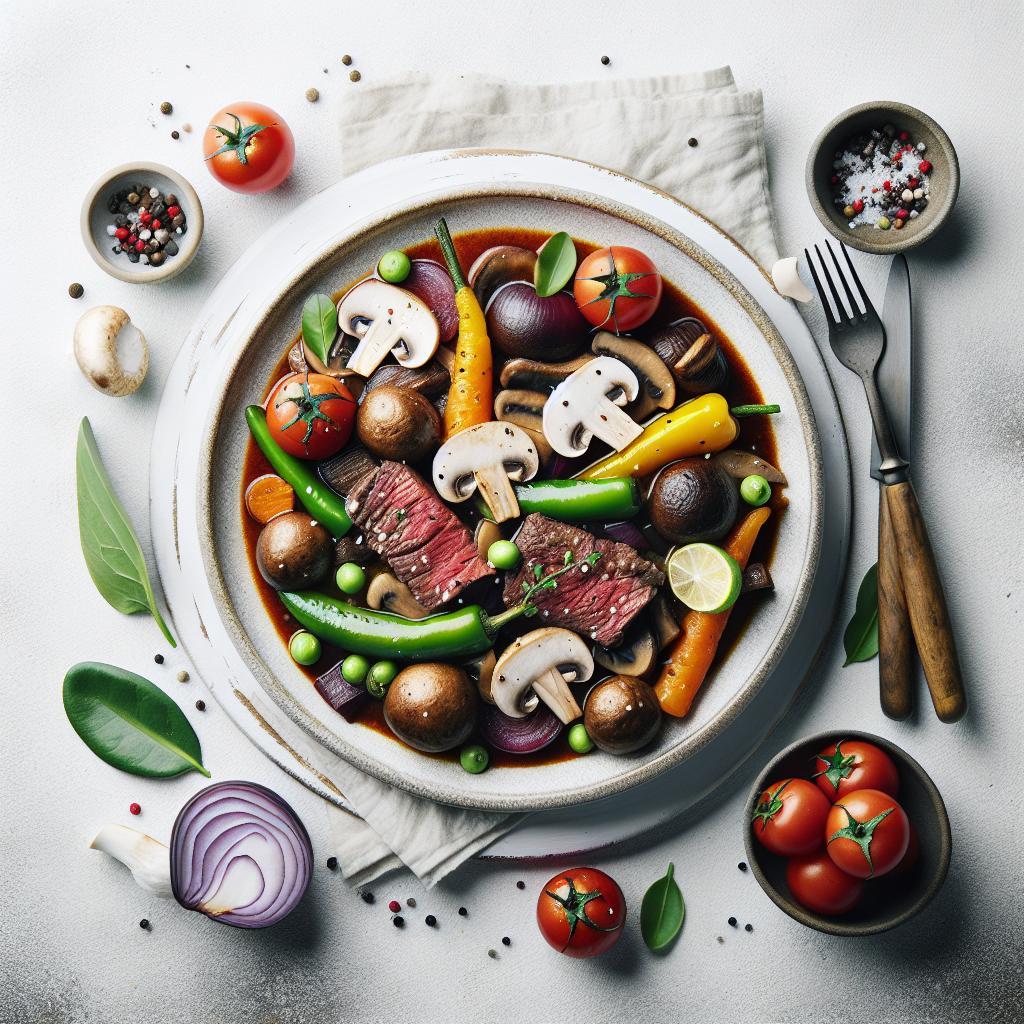

Hearty Beef Stew & Mushroom Classic
Beef stew delivers warm, layered comfort: tender meat, earthy mushrooms, and a broth that carries savory depth. This recipe focuses on technique—searing, slow simmering, and seasoning—to make a reliably rich bowl with minimal guesswork.
- Hearty Beef Stew & Mushroom Classic
- Hearty Ingredients That Build Rich Flavors for Beef Stew
- Mastering the Perfect Browning Technique for Tender Beef Stew
- Balancing Earthy Mushrooms with Savory Herbs for Beef Stew
- Tips for Slow Simmering to Elevate Your Beef Stew
- Recipe Details for Beef Stew
- Chef’s Notes & Tips for Beef Stew Success
- Serving Suggestions for Beef Stew
- Storage & Make-Ahead for Beef Stew
- FAQ
- Key takeaway: Proper sear unlocks savory compounds through the Maillard reaction.
- Key takeaway: Use collagen-rich cuts like beef chuck for silky texture after long cooking.
- Key takeaway: Combine mushroom varieties for layered umami; handling and caramelization matter.
- Key takeaway: Low, steady heat and periodic tasting ensure clarity and balanced seasoning in the final bowl.
Follow the steps and notes below to sharpen kitchen technique and reduce wasted time and flavor. The guidance here aims for consistent results whether you cook on the stovetop or in a low oven.
Hearty Ingredients That Build Rich Flavors for Beef Stew
Choose ingredients that layer flavor: well-marbled beef, mixed mushrooms, aromatics, and an unsalted or low-sodium broth base. Each component contributes body, umami, or balance to the finished beef stew.
Use a mix of cremini and shiitake for varied texture and taste. For context on mushrooms and their culinary role, see mushroom. Keep vegetables uniform in size so they cook at the same rate.
Mastering the Perfect Browning Technique for Tender Beef Stew
Browning beef properly gives the stew a deep savory backbone. Pat cubes dry, season, and sear in hot fat in a heavy pot; resist crowding the pan so the surface browns instead of steaming.
Use a heavy Dutch oven or similar pot to hold heat and deglaze with broth to lift fond into the sauce. Those browned bits form concentrated flavor for the final broth.
Reserve the seared meat on a plate and cook vegetables in the same pot so their sugars pick up residual fond. Deglazing with a small amount of liquid dissolves those flavors into the stew base quickly.
Balancing Earthy Mushrooms with Savory Herbs for Beef Stew
Mushrooms add concentrated umami; handle them to concentrate flavor. Sauté over medium heat without crowding so they caramelize and stop releasing excess water into your beef stew.
Support mushrooms with thyme, rosemary, and bay leaves rather than overpowering spices. A touch of smoked paprika or black pepper adds warmth and lifts the broth without masking its core savory notes.
Tips for Slow Simmering to Elevate Your Beef Stew
Low, steady simmering converts collagen into gelatin and lets flavors meld into a cohesive broth. Avoid a rolling boil; maintain a gentle shimmer to keep meat tender and the liquid clear.
Plan at least two hours for fork-tender results with beef chuck, and taste late in the process to correct seasoning. If you prefer oven cooking, use a low oven (275–300°F / 135–150°C) for even heat and less evaporation.
Recipe Details for Beef Stew
This recipe yields family-sized portions and scales well for batch cooking. Timing and ingredient amounts below help you replicate the same results on repeat.
Use low-sodium broth to control final salt; finish with a light seasoning adjustment after reduction. The step-by-step method is deliberately staged for clarity.
Prep and Cook Time
- Preparation: 20 minutes
- Active Cooking: 15 minutes
- Slow Simmering: 2 hours 30 minutes
- Total Time: 3 hours 5 minutes
Yield
Serves 6 generous portions—ideal for family dinners or batch-cooking for the week. Leftovers usually taste better after a night in the fridge as flavors integrate further.
Freeze portions for up to three months; thaw in the refrigerator overnight and reheat gently on the stovetop to preserve texture.
Difficulty Level
Medium. This method requires staged cooking and checkpoints for doneness rather than precise timing alone. The steps are accessible to cooks who follow process cues.
Measure by tenderness and broth clarity rather than strict clocks; adjust simmer time based on cube size and cut quality.
Ingredients
- 2 lbs beef chuck, cut into 1½-inch cubes, patted dry
- 1½ cups cremini mushrooms, cleaned and quartered
- 1½ cups shiitake mushrooms, stems removed, sliced
- 3 cloves garlic, minced
- 1 large onion, finely chopped
- 3 tbsp olive oil
- 1 tbsp unsalted butter
- 2 tbsp all-purpose flour
- 4 cups beef broth, low sodium
- 2 sprigs fresh thyme
- 2 sprigs fresh rosemary
- 2 bay leaves
- 1 tsp smoked paprika
- Salt & freshly ground black pepper, to taste
- 2 medium carrots, peeled and sliced
- 2 stalks celery, sliced
Instructions
- Prepare the beef: Season beef cubes generously with salt and pepper. Heat 2 tablespoons olive oil and 1 tablespoon butter in a heavy Dutch oven over medium-high until shimmering.
- Braise the beef: In batches, sear beef until deeply browned on all sides, about 3–4 minutes per side. Avoid overcrowding; set browned beef aside.
- Sauté aromatics: Reduce heat to medium, add remaining oil, then sauté onion, carrots, and celery until softened, about 5 minutes. Stir in garlic and cook 1 minute more.
- Cook mushrooms: Add cremini and shiitake and cook until caramelized and moisture evaporates, about 8 minutes.
- Thicken and deglaze: Sprinkle flour over vegetables; cook 2 minutes, then slowly add beef broth while scraping the pot bottom to incorporate browned bits.
- Combine and simmer: Return beef to the pot, add thyme, rosemary, bay leaves, and smoked paprika. Bring to a gentle simmer and partially cover.
- Slow cook: Reduce heat to low and simmer gently for 2–2½ hours until beef is fork-tender. Stir occasionally and adjust seasoning at the end.
- Final touches: Remove herb sprigs and bay leaves before serving. Finish with a pat of butter or a splash of cream if you want extra silkiness.
Chef’s Notes & Tips for Beef Stew Success
Small techniques change outcomes dramatically: dry meat before searing, manage evaporation during simmering, and taste late to avoid over-salting. Use low-sodium broth and adjust salt at the finish.
For thicker body, reduce uncovered for 20–30 minutes or mash a portion of vegetables and stir back in. If chilled, rest the stew 20–30 minutes before reheating to let gelatin set slightly.
Keep two internal references on your site for related content: beef stew tips and stew recipes to boost reader navigation and dwell time.
Serving Suggestions for Beef Stew
Serve hot in wide bowls and garnish with chopped flat-leaf parsley or a light dusting of grated hard cheese to add brightness. Pair with crusty bread, mashed potatoes, or buttered noodles to soak up the sauce.
For a lighter accompaniment, offer a crisp green salad or roasted root vegetables. Provide a small acid—vinegar or lemon zest—at the table to cut richness for those who prefer brighter flavors.
Storage & Make-Ahead for Beef Stew
This stew stores well: cool to room temperature quickly, then refrigerate up to 3 days or freeze in airtight containers for up to 3 months. Thaw in the fridge overnight and reheat gently on the stovetop.
If the sauce thickens after chilling, add a splash of broth or water when reheating and adjust seasoning before serving. Leftovers often taste more integrated after overnight rest.
FAQ
What cut of beef works best for stew?
Choose cuts with connective tissue that convert to gelatin: beef chuck, short ribs, or brisket work best after long, gentle cooking. These cuts break down and produce silky mouthfeel when simmered slowly.
Can I make this stew vegetarian?
Yes. Replace beef with a mix of hearty mushrooms and plant proteins. Use vegetable broth and increase umami with miso, soy sauce, or tomato paste to replicate depth in a vegetarian beef stew alternative.
How do I prevent a cloudy broth?
Avoid rapid boiling and vigorous agitation. Maintain a gentle simmer and skim any surface foam during the first 15–20 minutes to keep the broth clear and clean-tasting.
Is a splash of wine necessary?
Wine is optional but useful for deglazing and adding acidity to balance richness. Use a dry red or fortified wine; cook briefly so alcohol dissipates and flavor concentrates before adding the rest of the broth.
How do I thicken the stew without flour?
Simmer uncovered to reduce liquid or mash some of the cooked vegetables back into the pot. A small slurry of cornstarch mixed with cold water also thickens quickly when added near the end.
Apply these proven techniques to produce a deep, balanced beef and mushroom stew every time. Focus on process—dry meat, hot sear, controlled simmer—and you will reliably reach tender meat and rich broth.
See also: beef stew