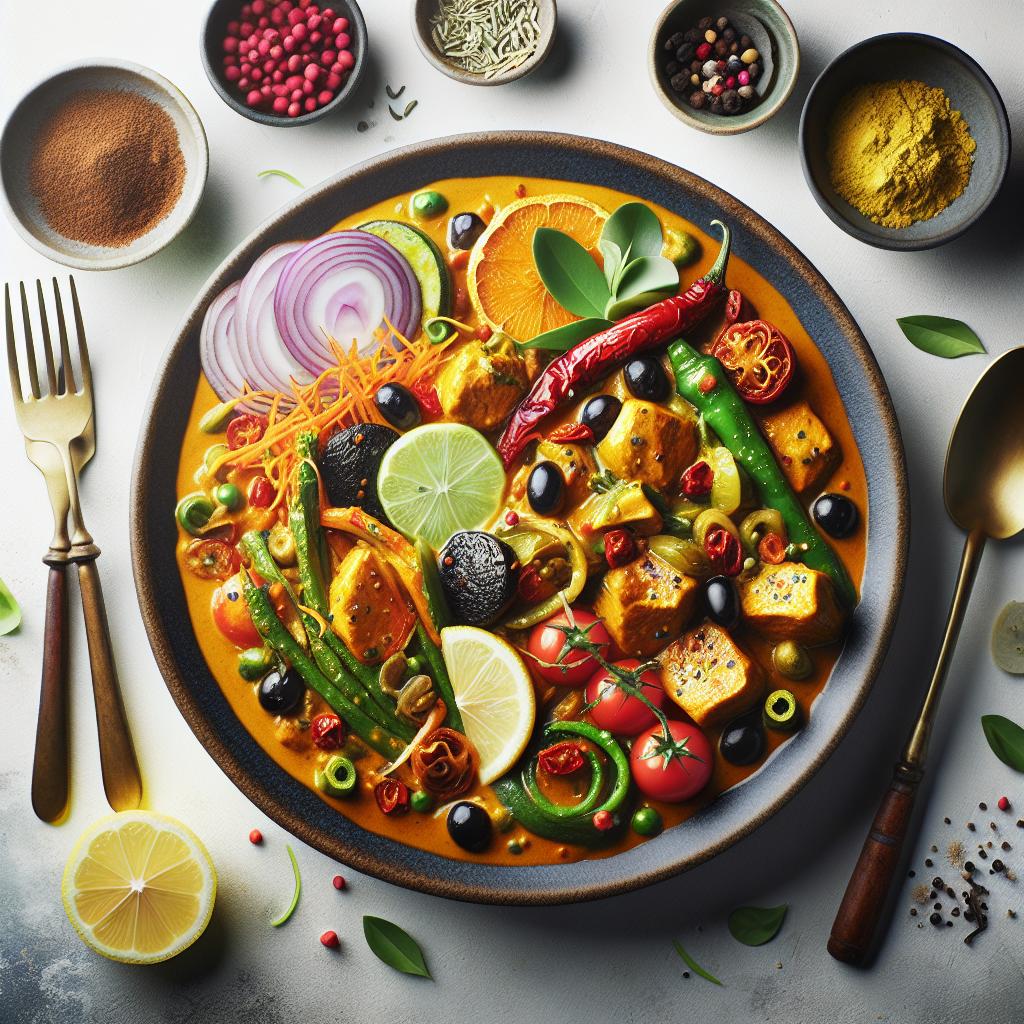

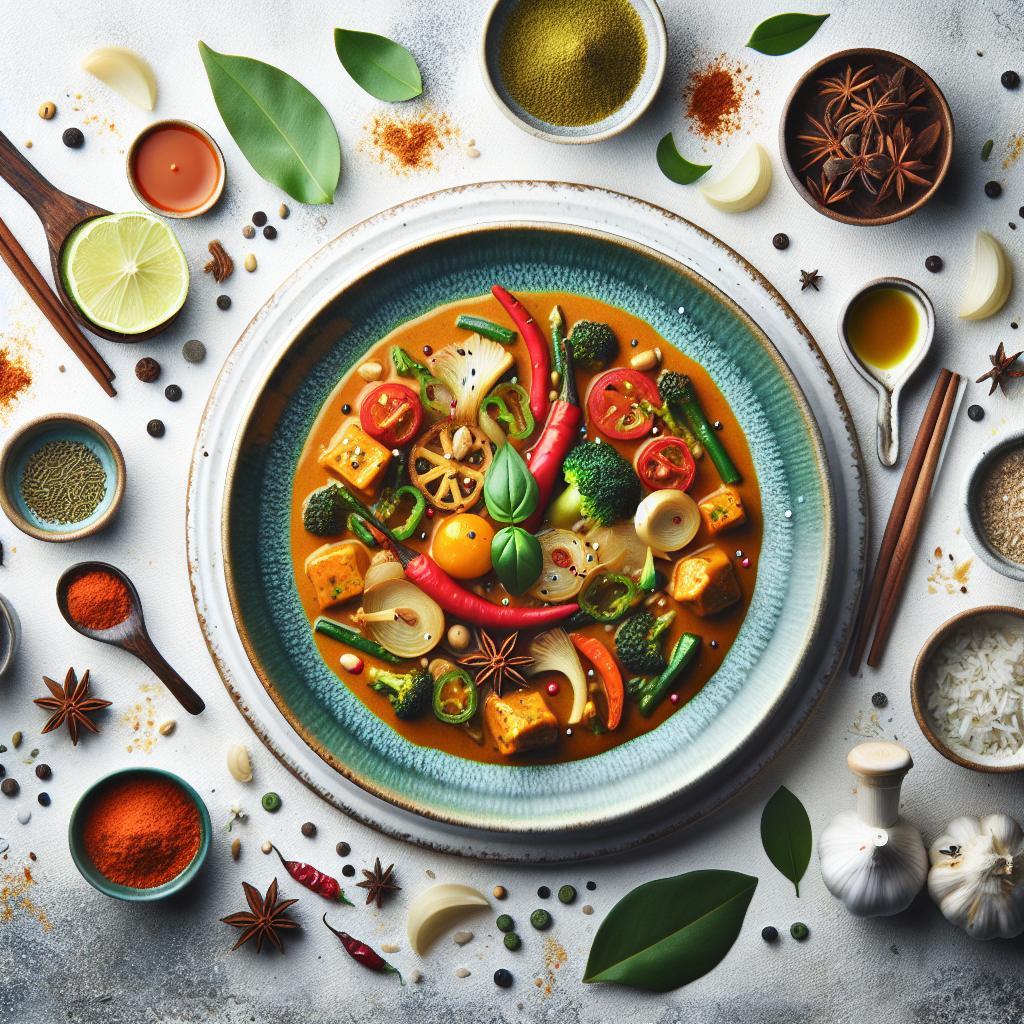

In every simmering pot of curry lies a symphony of flavors-a delicate dance of spices, herbs, and heat that transcends borders and ignites the senses. But what exactly turns a humble blend of ingredients into the perfect curry? Beyond the vibrant colors and tantalizing aromas, there is a hidden world of chemistry at play, a precise formula where science meets tradition. “The Flavor Formula: Unveiling the Chemistry of Perfect Curry” dives deep into this alchemy, exploring how molecules mingle, how heat transforms, and how balance is masterfully achieved. Prepare to embark on a flavorful journey that decodes the secrets behind curry’s irresistible allure, revealing the art and science that make each spoonful truly unforgettable.
The Flavor Formula: Unveiling the Chemistry of Perfect Curry
Unlocking the magic of the perfect curry begins with truly understanding the role of spices. Each pinch, grind, and blend of these aromatic wonders brings a unique depth and complexity that transforms a simple dish into a culinary masterpiece. From the warmth of cumin to the brightness of coriander, knowing how to balance heat, sweetness, and acidity will guide your taste buds through a symphony of flavors that linger beautifully on the palate.
Prep and Cook Time
- Preparation: 20 minutes
- Cooking: 40 minutes
- Total Time: 1 hour
Yield
Serves 4 hearty portions
Difficulty Level
Medium – perfect for home cooks ready to explore flavor layering
Ingredients
- 2 tbsp ghee or vegetable oil
- 1 large onion, finely chopped
- 4 cloves garlic, minced
- 1-inch piece fresh ginger, grated
- 2 tsp cumin seeds
- 1 tbsp coriander powder
- 1 tsp turmeric powder
- 1 tsp garam masala
- ½ tsp freshly ground black pepper
- 1 tsp chili powder (adjust to heat preference)
- 1 can (14 oz) diced tomatoes, preferably no salt added
- 1 cup coconut milk or yogurt
- 500g chicken thighs, cut into bite-sized pieces
- 1 tbsp sugar or honey
- Juice of half a lemon
- Fresh cilantro, chopped for garnish
- Salt to taste
- Water or broth as needed
Instructions
- Bloom the spices: Heat the ghee in a large skillet over medium heat. Add cumin seeds and sauté until fragrant and some start to pop (about 30 seconds). This step unlocks their essential oils, intensifying the curry’s aroma.
- Build the base: Add the chopped onion and cook until golden brown, about 7-8 minutes, stirring regularly to avoid burning. Incorporate garlic and ginger, sautéing for a further 1 minute until aromatic.
- Layer your powders: Sprinkle in coriander, turmeric, garam masala, black pepper, and chili powder. Stir for 1-2 minutes to toast the spices without burning, allowing the flavors to meld deeply into the fat.
- Add the tomatoes: Pour in the diced tomatoes and simmer until they break down, thickening the sauce (8-10 minutes). This caramelization brings natural sweetness and acidity together.
- Simmer the protein: Add chicken pieces and stir to coat thoroughly with the spice-laden sauce. Pour in coconut milk and cover, simmering gently for 25 minutes, stirring occasionally. Adjust thickness by adding water or broth if needed.
- Final balancing act: Stir in sugar and lemon juice to balance heat and acidity. Taste and season with salt, gradually adjusting to preference. This harmony ensures a perfectly rounded curry flavor.
- Rest and garnish: Let the curry rest off heat for 5 minutes, allowing flavors to marry further. Garnish with fresh cilantro before serving.
Tips for Success
- Fresh spices matter: Use whole spices ground just before cooking for maximum aroma and impact.
- Layer slowly but surely: Cook each spice stage long enough to release flavors but not so long as to burn them; burnt spices taste bitter and ruin complexity.
- Adjust sweetness mindfully: Sugar and lemon juice balance the heat but avoid overpowering the natural tomato acidity.
- Make ahead: Curries often taste better the next day as flavors intensify. Store leftovers covered in the fridge for up to 3 days.
- Substitutions: Use Greek yogurt instead of coconut milk for a tangier profile, or swap chicken with chickpeas for a vegetarian option.
Serving Suggestions
Serve this curry steaming hot over a bed of fluffy basmati rice or with warm, buttery naan bread. A side of cooling cucumber raita or a fresh mango chutney enhances the spice balance beautifully. For an eye-catching finish, sprinkle additional chopped cilantro and a few toasted cumin seeds on top. A wedge of lemon alongside encourages diners to add a splash of bright acidity tailored to their taste.

| Nutrient | Per Serving |
|---|---|
| Calories | 420 kcal |
| Protein | 35 g |
| Carbohydrates | 10 g |
| Fat | 25 g |
For a deeper dive into spice science and culinary techniques, you can explore this insightful guide from Serious Eats. Also, discover more recipes that harness the same principles of balance and layering on our Spice Blends Collection.
Q&A
Q&A: The Flavor Formula – Unveiling the Chemistry of Perfect Curry
Q1: What makes curry such a universally beloved dish?
A1: Curry captivates the senses through a symphony of spices, textures, and aromas. Its universal appeal lies in its versatility and ability to balance heat, sweetness, acidity, and umami, creating a deeply satisfying flavor experience adaptable to countless cultures and ingredients.
Q2: How does chemistry play a role in crafting the perfect curry?
A2: Chemistry is the secret behind curry’s magic. The perfect curry emerges from reactions between spices, fats, heat, and moisture. Maillard reactions develop complex browned notes, while spice compounds like curcumin (from turmeric) and piperine (from black pepper) interact to enhance flavor and bioavailability, creating a harmonious and intense taste profile.
Q3: What are the key spice components that define curry’s flavor?
A3: Curry’s core is a blend often comprising turmeric, cumin, coriander, fenugreek, cloves, cinnamon, cardamom, and chili. Each spice contributes unique chemical compounds-volatile oils, phenols, and alkaloids-that bring brightness, warmth, bitterness, and pungency, interacting synergistically to form curry’s layered character.
Q4: Why is the order of adding spices important in a curry?
A4: Timing is chemistry in action. Toasting whole spices first awakens their essential oils, maximizing aroma and depth. Ground spices added later infuse the sauce without burning. This stepwise addition ensures optimal extraction of flavors and prevents bitterness, much like a carefully choreographed chemical dance.
Q5: How does fat influence curry’s flavor chemistry?
A5: Fat acts as both flavor carrier and reaction medium. It solubilizes fat-soluble spices like turmeric and chili, allowing their compounds to disperse evenly and penetrate proteins and vegetables. Additionally, fat participates in Maillard browning, deepening flavor complexity and mouthfeel, making curry lush and satisfying.
Q6: Can the acidity in a curry impact its flavor chemistry?
A6: Absolutely. Acidity from ingredients like tamarind, yogurt, or tomatoes brightens curry and balances richness. Chemically, acid can help break down tough fibers in meat or vegetables and modulate spice perception, tempering heat and enhancing overall harmony in the dish’s flavor profile.
Q7: How does simmering affect the chemistry of curry?
A7: Slow simmering encourages flavor molecules to meld and react. Heat gently breaks down starches and tough fibers, releasing natural sugars that contribute sweetness and depth. It also allows volatile compounds to infuse fully throughout the curry, creating a unified, rounded dish with complex layers of taste.
Q8: Is there a scientific way to customize curry heat levels without losing flavor?
A8: Yes! Capsaicin-the compound responsible for chili heat-is fat-soluble but less so in water. Balancing the ratio of chili with fats like ghee or coconut milk can modulate intensity while preserving flavor. Moreover, adding sweetness or acidity can mute heat perception chemically, letting you tailor spice levels with precision.
Q9: How do traditional cooking techniques enhance curry’s chemical complexity?
A9: Techniques like tempering (tadka), marinating, and slow cooking exploit chemical principles: heating in fat releases essential oils; marinating allows acid and enzymes to tenderize and flavor proteins; slow cooking evolves layered flavors through gradual chemical reactions, all culminating in curry’s signature depth.
Q10: What’s the ultimate takeaway from the chemistry behind perfect curry?
A10: Perfect curry is both art and science-a mindful balance of spice chemistry, heat control, fat interaction, and time. Understanding these molecular underpinnings empowers cooks to elevate a humble pot of spices into a transcendent feast of flavors, celebrating the alchemy of culinary chemistry.
The Conclusion
As we close the lid on the simmering pot of curry chemistry, it’s clear that perfecting this beloved dish is no mere accident of taste. The symphony of spices, the precise balance of heat and savor, and the intricate dance of molecular interactions all converge to create curry’s unparalleled allure. Understanding the science behind each ingredient not only deepens our appreciation but empowers us to craft curry that sings with flavor every time. So the next time you savor that rich, complex bite, remember-you’re tasting the beautiful fusion of art and chemistry simmered just right.