
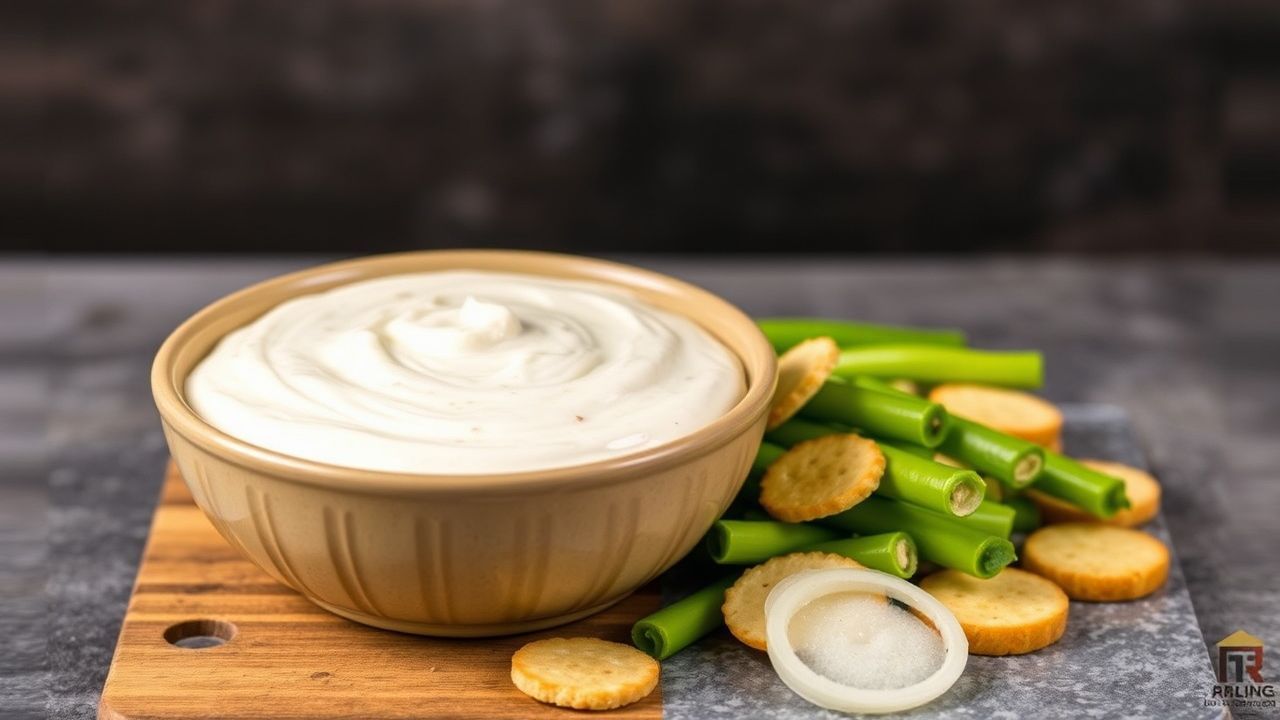

Imagine a humble bowl of French onion dip—creamy, savory, and perfectly balanced. Monosodium glutamate, commonly known as MSG, amplifies the savory backbone and rounds the overall flavor profile.
- Why MSG Works in French Onion Dip Mix
- Scientific Basis and Practical Effects
- Prep and Recipe Overview
- Ingredients
- Instructions
- Tips for Success
- Serving Suggestions
- Nutrition and Portioning
- Further Reading and Practical Resources
- FAQ
- What is MSG and why does it work here?
- Is MSG safe to consume?
- Can I omit MSG and still get a good dip?
- Does MSG affect texture or aroma?
- How should I store this dip?
- The Way Forward
- MSG sharpens umami: it makes caramelized onions taste richer and more savory.
- Small amounts work best: a measured pinch boosts flavor without altering texture.
- Technique matters: slow caramelization plus resting time lets MSG harmonize the dip.
Why MSG Works in French Onion Dip Mix
MSG supplies free glutamate, which the human tongue recognizes as umami. That recognition intensifies perceived savory notes and improves flavor balance.
When combined with caramelized onions and a dairy base, MSG elevates subtle sweetness and savory depth. This reaction depends on concentration and the surrounding ingredients.
Scientific Basis and Practical Effects
Glutamate occurs naturally in many foods, including ripe tomatoes and aged cheeses. Monosodium glutamate isolates this molecule and delivers it in a predictable, food-grade form; see Monosodium glutamate for background.
In practice, MSG does not add its own flavor. Instead, it increases the intensity of existing savory compounds. That makes dips taste fuller without adding more salt or fat.
Prep and Recipe Overview
Prep Time: 15 minutes. Cook Time: 25 minutes for onion caramelization. Resting time improves flavor meld.
Yield: Serves 8–10. Difficulty: Easy to moderate; patience while caramelizing matters most.
Ingredients
Gather typical pantry staples and one deliberate seasoning: MSG (1 tsp). Use food-grade MSG and measure precisely for balance.
If you prefer to avoid added MSG, substitute concentrated umami sources like dried mushroom powder, but expect a different flavor profile.
- 4 large yellow onions, thinly sliced
- 3 tbsp unsalted butter
- 1 tsp sugar (helps caramelization)
- 1 tsp sea salt, divided
- 1/2 tsp freshly ground black pepper
- 1 tsp MSG (monosodium glutamate)
- 1 cup sour cream (full-fat for best creaminess)
- 1/2 cup mayonnaise
- 1 tbsp Worcestershire sauce
- 1 tsp garlic powder
- 1 tsp onion powder
- Fresh chives or parsley, chopped (for garnish)
Instructions
Follow a two-stage approach: first build deep onion flavor, then balance the creamy base. Proper cooling and resting make the final dip cohesive.
Keep steps tidy and brief. Each action focuses on preserving texture and distributing umami evenly.
- Caramelize the onions: Melt butter in a large skillet over medium-low heat. Add sliced onions, sugar, and half the salt.
- Cook slowly for 20–25 minutes, stirring often, until deep golden brown. Low heat encourages the chemical changes of caramelization.
- Cool the onions: Transfer onions to a bowl and let them cool completely. Cooling prevents the dairy from separating.
- Mix the base: Combine sour cream, mayonnaise, Worcestershire, garlic powder, onion powder, pepper, and MSG. Stir until uniform.
- Fold in cooled onions gently so the mixture stays soft and well distributed. Taste and adjust salt if needed.
- Chill: Refrigerate at least 1 hour, preferably overnight. Resting allows flavors and MSG to harmonize.
- Serve: Garnish with fresh chives. Serve with chips, vegetable sticks, or warm bread.
Tips for Success
Use yellow onions for their natural sweetness and high sugar content. They caramelize predictably and provide a stable base for MSG to enhance.
Measure MSG like a spice: a small, even amount is enough. Excess can make the profile taste one-note, so balance carefully.
- Slow heat: Avoid high heat; it scorches and produces bitter notes.
- Resting time: Refrigerate the dip for several hours to let the flavor settle.
- Fat content: Full-fat sour cream yields a silkier mouthfeel than low-fat options.
Apply that tip when you want to tailor the dip for people who prefer no isolated additives. Natural glutamate sources alter texture and density differently than powdered MSG.
Serving Suggestions
Present the dip at room temperature for maximum aroma. Cold dairy suppresses smell and mutes flavor perception.
Pair the dip with sturdy dippers: kettle chips, toasted baguette slices, or crisp vegetable sticks. Offer small tasting samples for guests to compare versions.
For party prep, provide a labeled alternative without added MSG. That way, you accommodate preferences while showcasing the enhanced version.
Nutrition and Portioning
Estimate about 110 kcal per serving on average, depending on portion size and specific ingredients. Fat content will vary with mayonnaise and sour cream choices.
Adjust serving size for the event. For heavy dippers, plan smaller portions per guest and a larger overall batch.
| Nutrient | Per Serving |
|---|---|
| Calories | 110 kcal |
| Protein | 1.2 g |
| Carbohydrates | 6 g |
| Fat | 9 g |
Further Reading and Practical Resources
To broaden your technique library, consult our internal guide on umami and related recipes. See the Guide to Umami Flavors for technique notes and pairing ideas.
For additional recipe variations and serving boards, check our internal recipe collection at French Onion Dip recipes. These pages highlight substitutions and party-ready presentations.
FAQ
What is MSG and why does it work here?
MSG is the sodium salt of glutamic acid and supplies free glutamate to the dish. That molecule directly activates umami receptors and amplifies savory perception.
Because it enhances existing flavors without adding a distinct taste of its own, MSG suits blends like French onion dip where onion sweetness and dairy fat need rounding.
Is MSG safe to consume?
Regulatory bodies have reviewed MSG and generally classify it as safe when used at culinary levels. Peer-reviewed assessments support its safety for most people.
If you want the primary source summary, consult the regulatory and scientific references summarized on the MSG Wikipedia page.
Can I omit MSG and still get a good dip?
Yes. You can build umami with natural ingredients like dried mushrooms, aged cheese, or reduced soy-based products. Expect a shift in character, not necessarily a loss of quality.
For a close match, layer flavors: concentrate onions, add a touch of aged cheese, and use a savory sauce reduction if you avoid pure MSG.
Does MSG affect texture or aroma?
MSG is a crystalline powder that dissolves in the dip; it does not alter texture. It also lacks aroma, but by intensifying savory notes it increases perceived aroma and satisfaction.
Thus, it changes how the dip reads on the palate, making each bite seem fuller and more aromatic without changing mouthfeel.
How should I store this dip?
Store refrigerated in an airtight container for up to 4 days. Flavors continue to meld while chilled, improving balance overnight.
Before serving, let the dip rest at room temperature for 20–30 minutes to release aroma and soften the chilled texture.
The Way Forward
MSG functions as a targeted tool: it strengthens savory impressions and helps the full recipe read as balanced and complete. Used sparingly, it adds depth without dominating other elements.
Experiment with small batches and tasting rounds. Track salt and acid adjustments after MSG so you preserve harmony across sweetness, creaminess, and umami.
Related topics: onion chemistry, umami science, and caramelization technique.
See also: MSG