
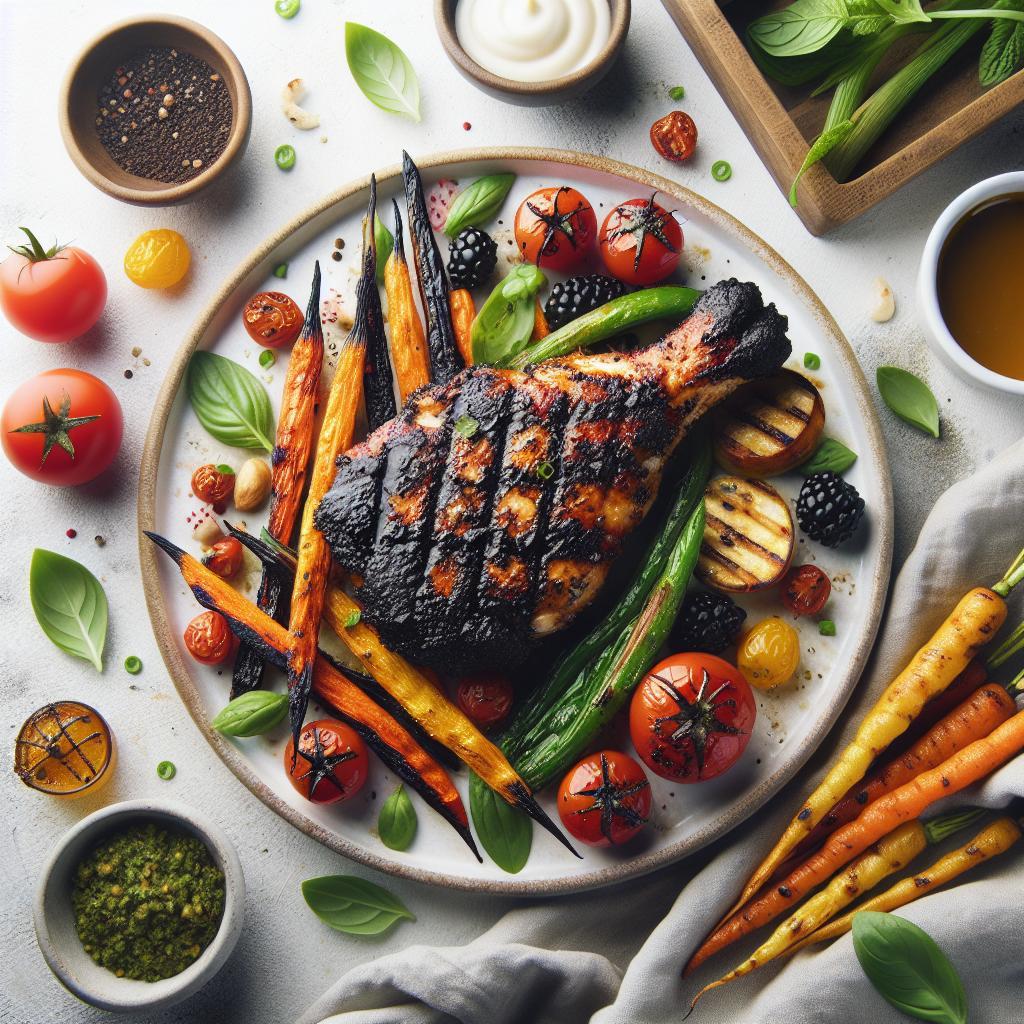

Unlocking Blackening: The Science Behind Charred Flavor
Blackening turns simple proteins into bold, smoky plates by combining focused heat, spice chemistry, and tight technique. This method delivers a crisp, deeply flavored crust while preserving a moist interior, when executed correctly.
- Key takeaway: Blackening relies on the Maillard reaction and controlled spice to form a complex crust.
- Key takeaway: Heat management and the right fat prevent bitter burning and create even searing.
- Key takeaway: A balanced spice blend and brief resting time yield moist, flavorful results.
- Key takeaway: Technique scales beyond seafood—to poultry, vegetables, and plant proteins.
Science of Blackening
Blackening depends on two heat-driven chemical processes: the Maillard reaction and caramelization. The Maillard reaction develops savory, roasted flavors as amino acids and reducing sugars rearrange under high heat; it is central to the crust formation and aroma.
Caramelization complements Maillard by breaking down sugars in spices and ingredients to add sweet-bitter notes that balance smoke and heat. For reference on the underlying chemistry, see Maillard reaction and Caramelization.
Origins and Cultural Context
Blackening grew from Cajun cooking traditions that favor bold seasoning and intense heat to elevate modest ingredients. It pairs well with seafood harvested from Gulf waters and rustic pantry spices common to the region.
To understand the cultural roots and how the technique spread, consult this overview of Cajun cuisine. The method reflects a practical approach: spice, sear, and serve for immediate impact.
Ingredients & Why They Matter
A precise spice mix defines blackening. Paprika, cayenne, thyme, oregano, garlic, and onion powders contribute volatile oils and flavor molecules that change when exposed to heat.
Fat choice affects searing and flavor release. Clarified butter and neutral oils tolerate higher heat and help transfer energy to the food for even crusting. See clarified butter for details on why it resists burning compared to whole butter.
- 2 lbs fish fillets (redfish, snapper, catfish), skin removed
- 2 tbsp paprika (smoked if available)
- 1 tbsp dried thyme
- 1 tbsp dried oregano
- 1 tbsp garlic powder
- 1 tbsp onion powder
- 1 tsp cayenne pepper (adjustable)
- 1 tsp black pepper, freshly ground
- 1 tsp salt
- 4 tbsp unsalted butter, melted
- 2 tbsp vegetable oil or clarified butter for pan-searing
Prep and Cook Time
Preparation: 15 minutes. Dry the protein thoroughly and measure spices to ensure even coating.
Cooking: 8–10 minutes, depending on thickness. Rest 2–3 minutes before serving.
Yield
Serves 4 when using 2 lbs of fillets. Adjust spice volume proportionally for larger batches.
Portion control matters because crowding the pan drops temperature and prevents crust formation.
Difficulty Level
Medium. The technique requires confident pan handling and precise timing to avoid burning spices while achieving a deep char.
Once you learn heat cues—oil shimmer, spice aroma, edge browning—you can replicate results consistently.
Technique: Heat, Pan, and Timing
Use a heavy pan—preferably cast iron—for superior heat retention and an even sear. A preheated skillet maintains the surface temperature needed for rapid crust formation; read more on cast-iron cookware at Cast-iron skillet.
Control temperature to favor browning over burning. Aim for high, consistent heat so Maillard reactions dominate without turning spices to bitter ash.
Preheat and Pan Management
Heat the pan over medium-high until it holds heat; add oil and wait until it shimmers but does not smoke excessively. This window creates the ideal surface for rapid crusting.
Swirl a small amount of butter and oil to combine flavor and raise smoke tolerance. Add just enough fat to coat the pan—too much leads to steaming instead of searing.
Timing, Searing, and Resting
Sear fillets 3–4 minutes per side for typical 1-inch thickness. Flip once to protect the fragile crust and avoid breaking it during transfer.
Rest the cooked protein 2–3 minutes. Resting lets juices settle and stabilizes texture beneath the crisp exterior.
Instructions
Start by blending the spices in a small bowl so the mix distributes evenly across the fillets. This step ensures consistent flavor and predictable browning.
- Prepare the spice mix: Combine paprika, thyme, oregano, garlic powder, onion powder, cayenne, black pepper, and salt. Stir until uniform.
- Coat the protein: Brush fillets with melted butter. Press the spice mix into each side so it adheres and forms a thin, even layer.
- Preheat the pan: Warm a cast-iron skillet over medium-high heat and add oil. Heat until it shimmers but before it smokes heavily.
- Sear the fillets: Place fillets into the hot skillet and cook 3–4 minutes per side for a deep mahogany crust. Flip carefully to preserve the crust.
- Rest briefly: Transfer to a warm plate and rest 2–3 minutes to retain moisture. Serve immediately for best texture.
Tips for Consistent Success
Heat mastery: Use the pan’s visual and aromatic cues rather than relying on fixed numbers. Adjust the burner to maintain strong but controlled searing.
Spice balance: Smoked paprika deepens aroma; cayenne adds zip. Add a pinch of sugar to the mix to encourage gentle caramelization without sweetness overpowering savory notes.
Butter vs. oil: Pair butter with oil or clarified butter to gain butter’s richness while raising the overall smoke tolerance. Use neutral oils like grapeseed for highest smoke points.
Variations: Blackening works on chicken, tofu, cauliflower, and okra; adjust timing and spice quantity for each substrate to prevent over-charring.
Serving Suggestions
Serve blackened fillets over creamy mashed potatoes, rice, or a citrus-avocado salad to cut the richness with acid and freshness. Garnish with chopped parsley and lemon for contrast.
Explore internal guides for pairing and plating: try our Cajun cooking basics or review pan-searing techniques for stepwise tips on heat control and finish techniques.
Nutritional Snapshot
Per serving, a typical blackened fish portion yields roughly 280 calories, 34 g protein, low carbs, and around 14 g fat depending on butter use. Adjust portions for dietary needs.
Use leaner oil or reduce butter to lower fat content, and add a vegetable side to increase fiber and vitamins.
FAQ
What exactly is blackening?
Blackening is a high-heat technique where a spice-coated protein sears quickly to form a dark, flavor-rich crust. The goal is controlled browning, not burning.
It emphasizes rapid surface reactions to trap moisture inside and produce robust aroma from toasted spices.
How does blackening differ from charring or burning?
Blackening aims for deep, savory browning through Maillard reactions and light spice toasting. Burning produces bitter, ashy compounds that overwhelm flavor.
Proper timing, pan temperature, and spice selection prevent crossing the line from charred to unpleasantly burnt.
Which fats work best for blackening?
Fats with higher smoke points, such as clarified butter or neutral oils, work best. They transfer heat efficiently while reducing early smoke and burnt flavors.
Combining butter for flavor and a neutral oil for heat tolerance offers both richness and functional temperature control.
Can I blacken vegetables and plant proteins?
Yes. Vegetables and firm plant proteins like tofu respond well, though they need different timings and sometimes additional oil to form an even crust.
Adjust spice quantities and sear time. Denser items require longer contact; delicate vegetables need less time and steady heat.
How do I avoid a bitter crust?
Prevent bitterness by controlling heat, not overcrowding the pan, and avoiding over-toasting spices. Use smoked paprika judiciously and keep an eye on color cues rather than time alone.
If spices begin to blacken unevenly, reduce heat and tilt the pan to remove burning bits; finish in a slightly cooler pan if needed.
Unlocking blackening refines your understanding of how spice, heat, and fat interact to produce a powerful, flavorful crust. Practice the seven steps above, and the technique will become a reliable tool in your cooking repertoire.

See also: Blackening