
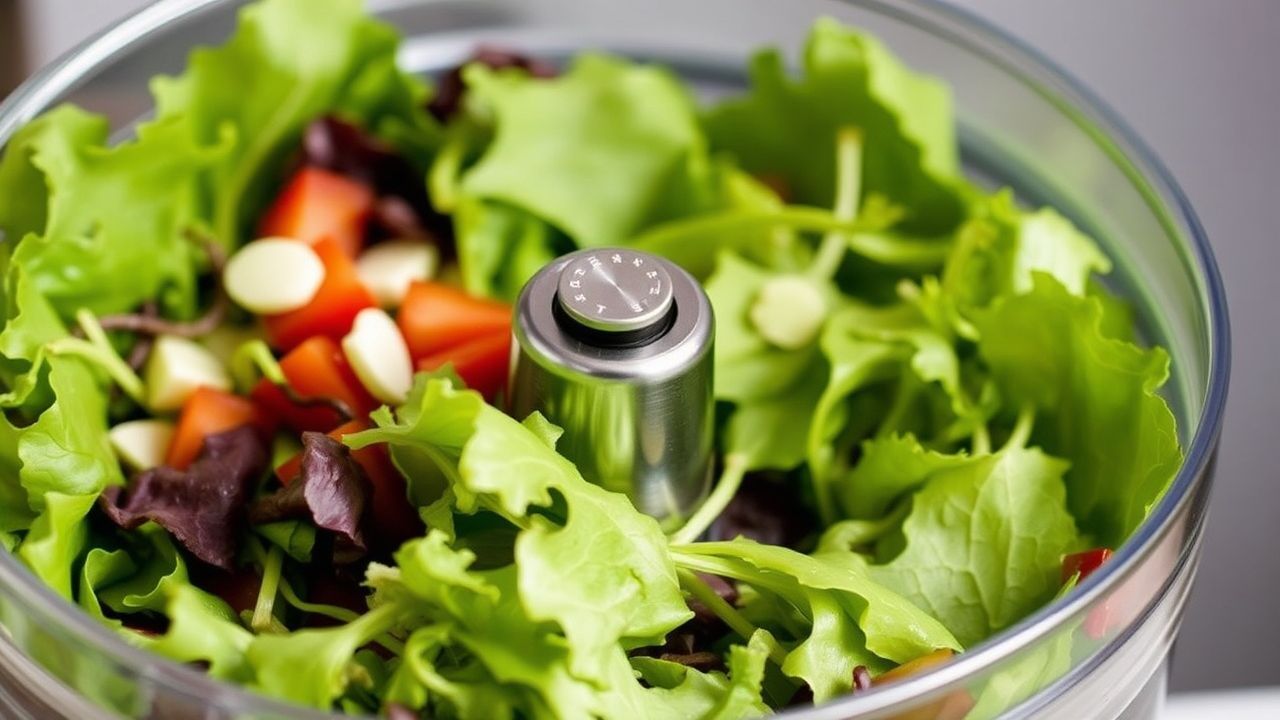

The Salad Shooter speeds routine prep into precise, repeatable results. This compact countertop tool handles slicing, shredding and julienne cuts with consistent output that saves time and improves presentation.
- Fast, uniform cuts reduce prep time and improve plating.
- Interchangeable blades let one device handle multiple tasks.
- Easy cleaning and storage keeps it practical for daily use.
Overview: What the Salad Shooter Is
The Salad Shooter is a compact electric device built to slice and shred vegetables and semi‑soft foods. Think of it as a focused counterpart to a food processor optimized for narrow chutes and fast throughput.
Manufacturers design the unit to sit on a countertop and offer blade cartridges that deliver specific yields such as thin slices or fine shreds. Its role in a home or professional line is to speed mise en place without large footprint or complex setups.
How It Works: Core Components
At its core the Salad Shooter combines a motor, a blade assembly, a feed chute and an ejection ramp. The compact electric motor supplies rotational energy while the blade geometry converts that motion into cutting action.
Food passes through the chute and meets the fast-spinning blades; centrifugal and shearing forces produce uniform slices or shreds. The mechanism resembles other small appliances and sits within the category of common kitchen tools, but it focuses on speed and interchangeability.
Design Elements and Materials
Design choices influence cut quality. Hardened stainless steel blades yield sharp, long-lasting edges while polymer housings reduce weight and help with grip and safety.
Manufacturers balance blade angle, chute diameter and motor torque to optimize performance for specific foods like carrots or cheese. Proper pairing of blade and motor power ensures consistent throughput without jamming.
Prep and Cook Time
Preparation: 5 minutes. The Salad Shooter reduces manual chopping time by converting whole vegetables into ready-to-use cuts in seconds. Preparing the unit and selecting blades add minimal overhead to actual processing.
Cooking: None. This device is a prep tool; it speeds raw ingredient preparation so you can assemble salads, garnishes and cold sides quickly. Short setup and clean cycles increase overall kitchen efficiency.
Yield
Serves 4 as a side or garnish when following a simple vegetable medley recipe. Yield depends on blade selection: a shredding disc produces higher volume than a slicing plate for the same input mass.
Adjust portion sizes by changing blade thickness or by pre-slicing large vegetables to fit the chute safely. Consistency across servings improves when you standardize push pressure and feed speed.
Difficulty Level
Easy. The Salad Shooter targets home cooks and pros who want repeatable results with minimal skill. Its safety features and straightforward controls let beginners achieve professional-looking cuts.
Learning to steady pressure and align food reduces splinters and uneven pieces. Once you master a few motions, the device becomes an extension of routine prep.
Ingredients
Below is a sample mix that highlights common uses: shredded roots, thin slices and halved tomatoes create texture contrast. Use firm produce for best results and reserve delicate ingredients for manual finishing.
- 2 medium carrots, peeled and trimmed
- 1 small cucumber, washed and ends trimmed
- 1 cup cherry tomatoes, halved
- 1 red bell pepper, seeded and quartered
- 1/2 cup shredded lettuce or spinach as base
- 2 tablespoons olive oil
- 1 tablespoon lemon juice
- Salt and pepper to taste
- Fresh herbs (e.g., parsley, basil) for garnish
Instructions
Assemble the unit and choose the blade for the cut you need: shred for carrots, slice for cucumber, or julienne for pepper. Read the manual for cartridge alignment and locking procedures before operation.
- Assemble your Salad Shooter following the manufacturer’s instructions. Select the appropriate blade attachment for the desired cut.
- Feed the vegetables through the chute one at a time, using the provided pusher to guide them safely. Keep steady pressure and do not force the feed.
- Collect the output into a bowl; add halved cherry tomatoes without processing. Adjust blade choice if pieces vary from expected size.
- Dress and season with oil, lemon and salt before serving to preserve texture and flavor balance.
Tips for Success
Wash and dry vegetables thoroughly before processing to prevent slippage and to extend blade life. Slightly thicker inputs that match the chute diameter reduce jamming incidents.
Apply even pressure through the feed to keep cuts uniform; inconsistent speed yields mixed sizes. If you plan frequent use, keep spare blade cartridges to switch between tasks quickly.
Cleaning and Safety
Unplug the unit before disassembly to avoid accidental starts. Remove blade cartridges carefully and rinse immediately to prevent starch or sugar buildup that accelerates dulling.
Dry blades thoroughly and store them away from humidity. Follow manufacturer guidance about dishwasher-safe parts to avoid warping or corrosion on plastic housings.
Serving Suggestions
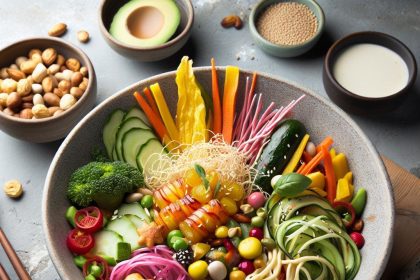
Arrange shredded vegetables on a platter with whole herbs for contrast and color. Use different blade types to layer textures: thin slices make a crisp foundation while fine shreds absorb dressings quickly.
Pair the output with dressings that highlight the cut: light vinaigrettes accentuate delicate slices, while creamier dressings cling to shredded pieces. Presentation improves when you combine shapes and colors.
Nutritional Snapshot
The device does not alter macro composition; it simply changes texture and surface area. Increased surface area can affect dressing absorption and perceived richness without changing calories.
| Nutrient | Amount (Per Serving) |
|---|---|
| Calories | 85 |
| Protein | 2g |
| Carbohydrates | 14g |
| Fat | 5g |
Further Reading and Resources
For comparative equipment choices consult our guide on choosing the perfect vegetable shredder to match motor power and blade options. That article breaks down tradeoffs between capacity, footprint and maintenance costs.
For maintenance techniques refer to our internal care article at salad shooter maintenance. For knife technique context see the classic chef’s knife concepts that inform blade-angle thinking and edge maintenance.
FAQ
What is a Salad Shooter best used for?
The Salad Shooter excels at fast, repeatable slicing and shredding of medium-firm vegetables and semi-soft cheeses. It replaces manual grating for high-volume prep and improves uniformity across servings.
How does a Salad Shooter differ from a food processor?
The Salad Shooter focuses on a narrow feed path and blade cartridges for specific cuts, while a food processor offers broader bowl-based processing and higher-capacity tasks. Choose by task: targeted cuts favor the Salad Shooter; bulk mixing favors a food processor.
Can I process soft fruits or hard roots?
Soft fruits often bruise under high-speed blades, so use gentle settings or manual slicing. Very hard roots may require pre-cutting to avoid overloading the motor and damaging blades.
Are replacement parts widely available?
Most reputable brands offer blade cartridges and pushers as spare parts; check brand support before purchase. Routine blade replacement keeps cuts clean and reduces the need for sharpening or early disposal.
How do I extend blade life?
Rinse blades immediately after use, avoid abrasive detergents and follow drying guidelines. Rotate between blades for different ingredients and replace when cutting action softens noticeably.
Insights and Conclusions
The Salad Shooter is an effective tool when matched to the right tasks: swift vegetable prep, consistent presentation and small‑footprint operation. Used properly it reduces prep labor and improves the finished plate.
Choose a model with accessible spare parts and clear safety features. With correct technique and routine maintenance, the Salad Shooter becomes a reliable daily tool that raises both speed and precision in the kitchen.
See also: Salad Shooter
- Overview: What the Salad Shooter Is
- How It Works: Core Components
- Design Elements and Materials
- Prep and Cook Time
- Yield
- Difficulty Level
- Ingredients
- Instructions
- Tips for Success
- Cleaning and Safety
- Serving Suggestions
- Nutritional Snapshot
- Further Reading and Resources
- FAQ
- What is a Salad Shooter best used for?
- How does a Salad Shooter differ from a food processor?
- Can I process soft fruits or hard roots?
- Are replacement parts widely available?
- How do I extend blade life?
- Insights and Conclusions