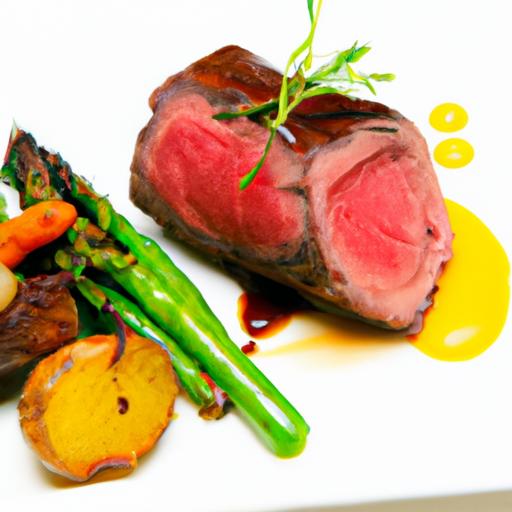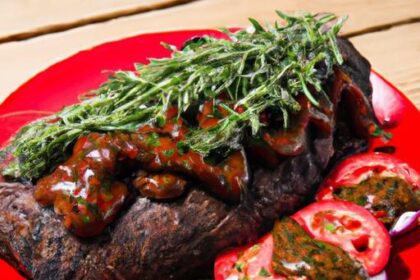


There’s a moment in cooking when simplicity transforms into symphony-the instant raw meat meets a scorching hot pan, and a magical dance begins. This alchemy of heat and protein is none other than the Maillard reaction, the secret behind that irresistible crust, the deeper flavor, and the mouthwatering aroma that captivates our senses. Unlocking this flavorful mystery reveals how science and art collide in the sizzling theater of searing meat, turning humble ingredients into culinary masterpieces. Join us as we explore the Maillard magic and discover how to elevate your cooking from ordinary to extraordinary.
Unlocking flavor through the Maillard Magic in searing meat transforms simple cuts into aromatic masterpieces that delight the senses. This chemical reaction, named after French chemist Louis-Camille Maillard, is an intricate dance between amino acids and reducing sugars, igniting rich browning and complex flavor layers that elevate everyday cooking into gourmet experiences.
Prep and Cook Time
Preparation: 10 minutes
Cooking: 8-12 minutes depending on cut and thickness
Total Time: 20 minutes
Yield
Serves 4 generous portions
Difficulty Level
Medium – perfect for home cooks ready to elevate their searing skills
Ingredients
- 4 boneless ribeye steaks (1 to 1½ inches thick, about 8 oz each)
- 2 tbsp high-smoke point oil (e.g., grapeseed or refined avocado oil)
- 1 tbsp unsalted butter
- 4 cloves garlic, smashed
- 3 sprigs fresh thyme
- Salt and freshly ground black pepper, to taste
- Optional: A light dusting of baking soda for enhanced browning
Instructions
- Bring steaks to room temperature (about 30 minutes): This step ensures even cooking and encourages an optimal sear.
- Pat steaks dry using paper towels to remove moisture, critical for effective Maillard browning.
- Season generously with salt and pepper on both sides. If using, sprinkle a fine dust of baking soda (about ¼ tsp per steak) for an extra boost in browning-this raises pH and accelerates the reaction.
- Preheat a heavy-duty cast iron skillet over medium-high heat until it reaches approximately 375-400°F (190-204°C), the sweet spot for the Maillard reaction without burning.
- Add oil to the pan and swirl to coat evenly. The oil should shimmer but not smoke excessively.
- Place steaks in the skillet-do not overcrowd; leave space to ensure high, consistent heat.
- Sear undisturbed for 3-4 minutes until a dark golden crust forms, the hallmark of the Maillard reaction releasing those irresistible aromatic compounds.
- Flip gently and add butter, smashed garlic, and thyme to the pan.
- Baste steaks with the melting butter and herbs for 3-5 minutes, spooning continuously to infuse flavor and build a beautiful crust.
- Check doneness with a meat thermometer-130°F (54°C) for medium-rare, adjusting timing accordingly.
- Remove steaks and tent loosely with foil; resting allows juices to redistribute and the Maillard crust to settle.
Tips for Success
- Choosing cuts with good marbling such as ribeye or strip steak maximizes juiciness and Maillard flavor depth.
- Dry completely before searing-excess moisture creates steaming instead of browning.
- Maintain high heat but avoid smoking oil-this balance unlocks Maillard magic without bitter char.
- Resting meat post-sear is essential; skipping this can cause lost juices and a less tender bite.
- Experiment with butter basting and fresh herbs in the last minutes to add layered complexity.
Serving Suggestions
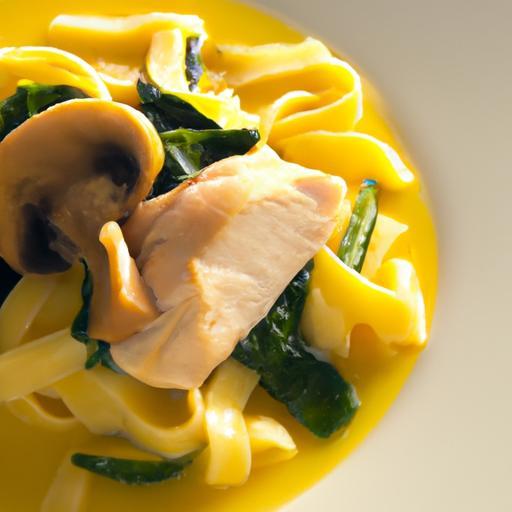
Serve your perfectly seared steaks sliced against the grain on warm plates. Complement with a vibrant herb chimichurri or velvety mushroom sauce to balance the intense Maillard flavors. Garnish with microgreens or thinly sliced radishes for a crisp contrast, and pair with creamy mashed potatoes or roasted seasonal vegetables for a full sensory journey.
| Nutrient | Per Serving |
|---|---|
| Calories | 520 kcal |
| Protein | 48 g |
| Carbohydrates | 1 g |
| Fat | 36 g |
Image: 
For more detailed insight on the chemistry of browning and heat control in meat cooking, check out the ScienceDirect Maillard reaction overview. Explore our guide to perfect pan sear techniques for professional tips that elevate home kitchens.
Q&A
Q&A: Unlocking Flavor – The Maillard Magic in Searing Meat
Q1: What exactly is the Maillard reaction, and why is it called “magic” in cooking?
A1: The Maillard reaction is a complex chemical dance between amino acids and reducing sugars that happens when meat is exposed to high heat. It’s often dubbed “magic” because it transforms a plain piece of meat into a flavor powerhouse-creating those irresistible browned crusts and deep, savory aromas that make your taste buds sing.
Q2: How does searing meat trigger this Maillard magic?
A2: When you sear meat, you expose its surface to intense heat-usually above 300°F (150°C). This heat jumpstarts the Maillard reaction, browning the exterior and producing hundreds of flavor compounds that don’t exist in raw meat. The result? A richly flavored crust packed with depth and complexity.
Q3: Is searing just about flavor, or does it impact texture too?
A3: It’s a double delight! While the Maillard reaction unlocks flavor, searing also crafts a crispy, caramelized crust that contrasts beautifully with the tender interior. This textural marriage elevates the eating experience from ordinary to extraordinary.
Q4: Does the moisture level of the meat affect the Maillard reaction?
A4: Oh yes! Moisture is the enemy of browning. Water needs to evaporate before the Maillard reaction can proceed because it occurs at higher temperatures than boiling water. That’s why patting your meat dry before searing is a crucial step to unleash those flavorful browns.
Q5: Can all meats be seared to produce Maillard flavors?
A5: Absolutely! Whether it’s beef, chicken, pork, or game, all proteins contain the amino acids and sugars needed for the Maillard reaction. Each type adds its own unique flavor fingerprint, making searing a versatile tool in your culinary arsenal.
Q6: How long should I sear my meat to “unlock” these flavors without overcooking?
A6: Timing depends on thickness and temperature, but for most cuts, 2-3 minutes per side on high heat is a golden rule. You want a deep brown crust, not burnt blackness. Precise control keeps the Maillard magic alive without sacrificing juiciness inside.
Q7: Does seasoning play a role in enhancing the Maillard reaction?
A7: Indeed! Salt, for example, draws out moisture initially but also helps break down muscle proteins, enhancing browning and flavor development. A light sprinkle before searing primes the meat for maximum flavor impact.
Q8: Can the Maillard reaction occur in vegetarian cooking too?
A8: Yes! The Maillard reaction isn’t exclusive to meat. Any food with amino acids and reducing sugars-think mushrooms, tofu, even starchy vegetables-can develop delightful browning and flavor complexity when seared or roasted properly.
Q9: How can I maximize Maillard flavor if I don’t have high-end kitchen gear?
A9: No fancy equipment? No problem! Use a heavy-bottomed pan or cast iron skillet, preheat it thoroughly, and avoid overcrowding. High temperature and good contact are your secret allies in achieving that coveted Maillard crust at home.
Q10: Can the Maillard reaction go too far? When does it stop being beneficial?
A10: Like all great things, moderation is key. If you push heat and time too far, the Maillard reaction morphs into bitter, burnt compounds that overpower flavor and ruin texture. Mastering the balance between rich browning and charred bitterness is part of unlocking this culinary magic.
Unlocking the Maillard reaction’s secrets transforms cooking meat from a simple chore into a flavorful adventure-where science and art meet to savor pure, delicious magic.
In Retrospect
As the sizzle fades and the aroma lingers, it’s clear that searing meat is far more than a cooking step-it’s a gateway to a symphony of flavor unlocked by the Maillard reaction. This remarkable chemical dance transforms simple proteins and sugars into complex, savory notes that delight our senses and elevate every bite. By understanding the science behind this magic, home cooks and culinary enthusiasts alike can harness the power of heat to create dishes that don’t just nourish, but truly captivate. So next time you hear that satisfying sear, remember: you’re not just cooking meat-you’re unlocking a world of flavor, one golden crust at a time.