

There’s a magic to biting into a perfectly cooked steak-the way it yields effortlessly, releasing a symphony of rich, savory flavors that dance across your palate. But achieving that tender, mouthwatering masterpiece isn’t just luck or instinct; it’s science in action. From the intricate structure of muscle fibers to the transformative heat of the grill, every step in preparing a steak is a careful balance of biology and chemistry. In this article, we’ll unlock the secrets behind what makes a steak tender, exploring the fascinating science that turns a simple cut of meat into an unforgettable culinary experience. Whether you’re a home cook or a curious food lover, get ready to discover the art and science that bring flavor and tenderness to life.
Unlocking Flavor: The Science Behind a Tender Steak
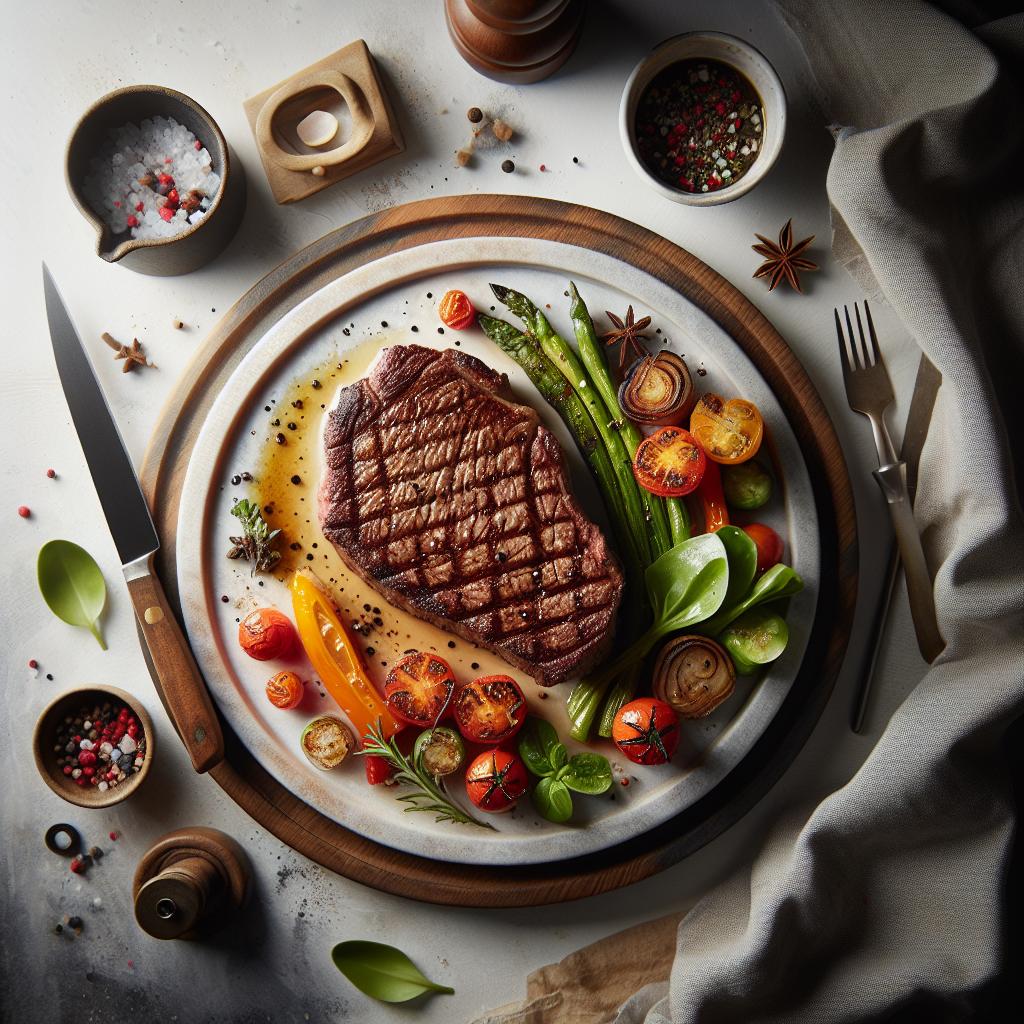
Unlocking Flavor: The Science Behind a Tender Steak begins with understanding the intricate nature of meat and how to coax out its richest textures and tastes. This isn’t just about cooking-it’s about mastering the science that transforms a simple cut into a juicy, tender masterpiece bursting with deep, mouthwatering flavor.
Prep and Cook Time
- Preparation: 10 minutes
- Cook Time: 12-15 minutes (depending on steak thickness)
- Resting Time: 5 minutes
Yield
Serves 2 hearty portions
Difficulty Level
Medium – perfect for home cooks looking to elevate their steak game with science-backed techniques.
Ingredients
- 2 (10-12 oz) ribeye steaks, at room temperature
- 1 tablespoon kosher salt
- 1 teaspoon freshly ground black pepper
- 2 tablespoons high smoke-point oil (canola or avocado oil)
- 2 tablespoons unsalted butter
- 3 sprigs fresh thyme
- 3 cloves garlic, lightly crushed
Instructions
- Pat steaks dry with paper towels to remove moisture, crucial for a perfect sear.
- Season generously with kosher salt and black pepper on both sides. Salt draws out natural moisture and begins tenderizing muscle fibers.
- Preheat a heavy skillet (preferably cast iron) over high heat until smoking hot to trigger a robust Maillard reaction, developing a rich crust and deep flavor.
- Add oil and swirl to coat the pan evenly. Carefully place steaks into skillet, laying away from you to avoid splatters.
- Sear steaks undisturbed for about 3-4 minutes on the first side until a dark mahogany crust forms. Flip and sear the second side for 3 minutes.
- Reduce heat to medium-low. Add butter, thyme, and garlic to skillet. Tilt pan slightly and spoon the melted butter over steaks repeatedly. This basting locks in juiciness and enriches flavor.
- Use a meat thermometer to test doneness: 130°F for medium-rare, 140°F for medium.
- Transfer steaks to a plate and tent loosely with foil. Rest for 5 minutes to let muscle fibers relax and juices redistribute, ensuring maximum tenderness.
- Slice against the grain to shorten muscle fibers and enhance bite tenderness, then serve immediately.
Chef’s Notes
- Understanding muscle fibers: Cuts like ribeye have abundant marbling and looser muscle fibers, making them ideal for a tender, juicy steak. Avoid tougher cuts without proper marination or slow cooking.
- Maillard reaction essentials: Achieve optimal flavor by ensuring steaks are dry and the pan is very hot before searing. Do not overcrowd the pan to avoid steaming.
- Temperature control tips: Overcooking tightens muscle fibers and toughens the meat. Use an instant-read thermometer and remove from heat slightly before target temperature, as residual heat continues cooking.
- Variations: Swap ribeye for sirloin or filet mignon, adjusting cooking time as needed for thickness and fat content.
- Make-ahead: Steaks are best cooked fresh. However, seasoned steaks can rest uncovered in the fridge up to 2 hours before cooking to enhance dry brining.
Serving Suggestions
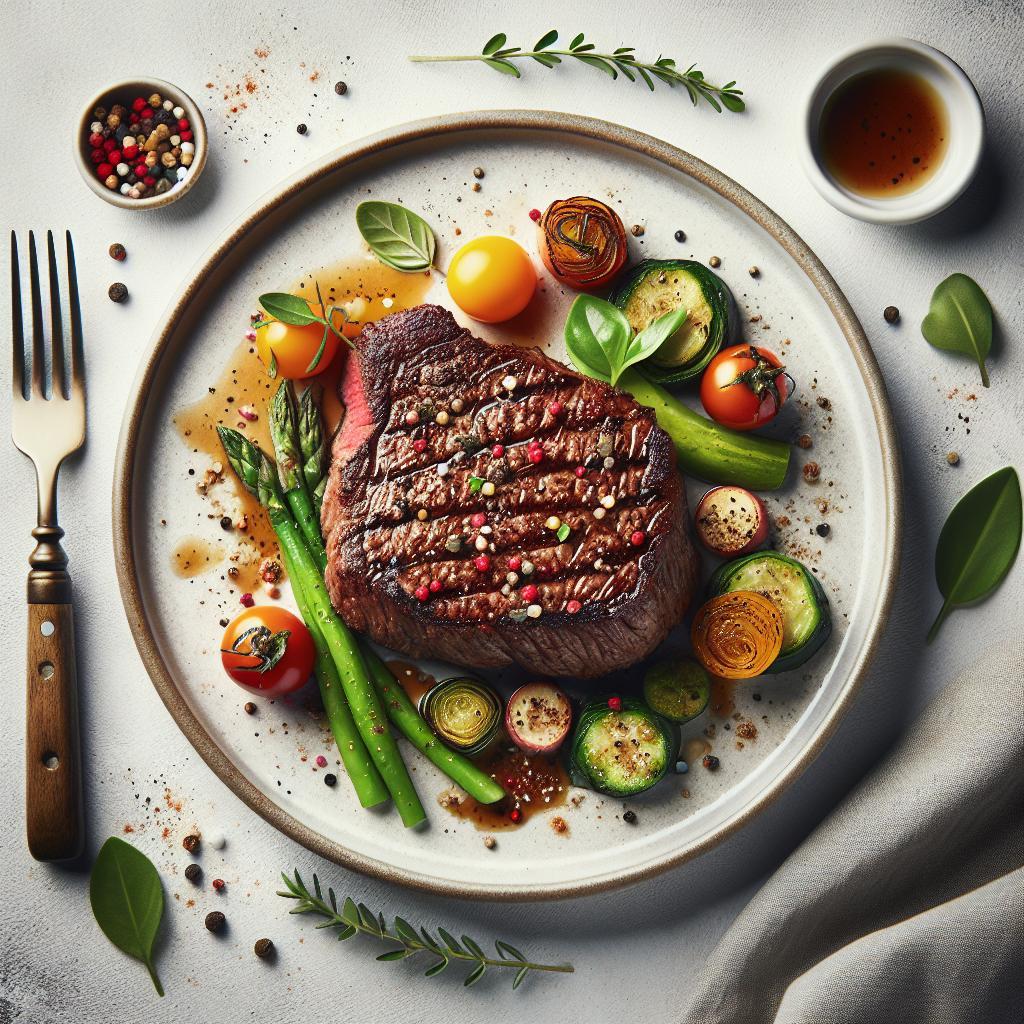
Present your steak with a dollop of herb butter or a drizzle of pan jus. Pair alongside roasted garlic mashed potatoes, caramelized Brussels sprouts, or a vibrant arugula salad for a balanced plate. Garnish with fresh thyme sprigs and a sprinkle of flaky sea salt to elevate visual appeal and burst of freshness.

| Nutrient | Amount per Serving |
|---|---|
| Calories | 680 kcal |
| Protein | 55 g |
| Carbohydrates | 0 g |
| Fat | 52 g |
For more insights on beef selection and preparation, check our Guide to Choosing the Perfect Steak Cut. To dive deeper into the science behind flavor and tenderness, the ScienceDaily article on the Maillard Reaction is an excellent resource.
Q&A
Q&A: Unlocking Flavor – The Science Behind a Tender Steak
Q1: Why does a perfectly tender steak taste so much better?
A: Tenderness enhances the eating experience by making the steak easy to chew and allowing flavors to melt smoothly on your tongue. When meat fibers break down just right, the juices and fats are released more evenly, creating that irresistible burst of savory goodness.
Q2: What makes a steak tender in the first place?
A: It all comes down to muscle fibers, connective tissue, and fat. Tender steaks come from muscles that do less work, which means fewer tough fibers. Meanwhile, marbling (intramuscular fat) melts during cooking, lubricating each bite for that luscious feel.
Q3: How does aging affect steak tenderness?
A: Aging is like a flavor and texture time machine. During dry or wet aging, natural enzymes slowly break down tough proteins and collagen in the meat, softening fibers and intensifying flavor. The result? A steak that’s not just tender but also richly complex.
Q4: Does marinating really tenderize steak or is it just for flavor?
A: Great question! Marinades with acidic components (like vinegar, citrus, or wine) and enzymatic ingredients (pineapple or papaya) can break down proteins on the surface, softening the meat and adding flavor. However, marinating doesn’t deeply tenderize thick cuts; it mainly enhances surface texture and taste.
Q5: How does cooking method impact steak tenderness?
A: Heat changes everything. High heat sears the outside, creating a crust that locks in juices, but overcooking can toughen proteins inside. Slow, low-temperature methods break down collagen into gelatin, making even tougher cuts tender and luscious. Striking the right balance is key to unlocking ultimate tenderness.
Q6: Why does resting a steak after cooking matter?
A: Resting lets juices redistribute evenly throughout the meat. If you slice right away, those flavorful juices spill out on the plate, leaving a drier, less juicy steak. A little patience here preserves tenderness and keeps that mouthwatering moisture locked inside.
Q7: Can the cut of steak influence tenderness?
A: Absolutely! Cuts like filet mignon and ribeye are naturally tender due to less connective tissue and ample marbling. On the other hand, tougher cuts like chuck or round require more care-longer cooking times or special techniques-to break down fibers and become tender.
Q8: What role do enzymes play in tenderizing steak?
A: Enzymes are nature’s meat softeners. Proteolytic enzymes break down muscle proteins at a microscopic level, loosening the structure and reducing toughness. These enzymes can be naturally present (like during aging) or introduced via tenderizing powders and certain fruits.
Q9: Can salt tenderize steak?
A: Yes! Salt draws out moisture initially but then reabsorbs it along with its flavor. Over time, salt disrupts the muscle fibers and helps retain moisture, enhancing tenderness and juiciness-a technique known as dry brining.
Q10: What’s the secret takeaway for cooking a tender steak at home?
A: Understand your cut, season it well (hello, salt!), use the right cooking technique, and don’t rush the resting phase. Pair that with knowledge about aging and marinating, and you’re on the path to unlocking steak that’s tender, juicy, and bursting with flavor every single time.
Unlock the science, savor the flavor-because every bite of a tender steak is a delicious celebration of culinary chemistry!
Concluding Remarks
As we close the chapter on the delicious journey of unlocking the secrets behind a tender steak, it’s clear that science and flavor are inseparable companions at the dinner table. From the intricate dance of enzymes breaking down muscle fibers to the magic of precise temperatures coaxing out juiciness, every step is a mini experiment in culinary alchemy. So next time you fire up the grill or sear a steak in your kitchen, remember: tenderness isn’t just a happy accident-it’s science at work, enhancing every bite with layers of flavor and texture. Armed with this knowledge, your steak dinners will never be ordinary again, but a delicious celebration of chemistry and craft.