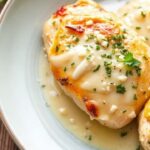


There is nothing more satisfying than a tender, well-grilled chicken breast that stays juicy through every bite. Many home cooks struggle because small technique errors or misconceptions cause moisture loss. This guide isolates the causes and gives proven fixes so you can grill with predictable results.
- Understanding why chicken dries out
- Prep and cook time: realistic planning
- Ingredients
- Instructions
- Tips for success
- Common mistakes that dry chicken
- Serving suggestions
- Safety and quality considerations
- FAQ
- Why is my chicken dry even when it looks done?
- Does brining always help?
- Can I salvage slightly overcooked chicken?
- Is a meat thermometer essential?
- Which cut stays juiciest on the grill?
- Closing remarks
- Cook to temperature: Use a thermometer to stop guessing.
- Balance acid and fat: Marinade composition matters for texture.
- Two-zone grilling: Sear then finish over indirect heat for even doneness.
Understanding why chicken dries out
Chicken breasts are lean muscle with low intramuscular fat, so they lose moisture quickly as proteins tighten under heat. Overcooking or using only high direct heat squeezes juices out and makes the muscle fibers stringy.
Beyond physiology, preparation choices—brine, marinade, or lack of rest—alter how water and proteins behave during cooking. For context on poultry as food and muscle characteristics, see chicken as food.
Prep and cook time: realistic planning
Good timing prevents rushed decisions that lead to dry chicken. Plan for brining or marinating time, a quick sear, and a gentle finish so the internal temperature rises steadily instead of spiking.
Typical windows: 30 minutes to 4 hours marinade, 15–25 minutes on the grill, and 5–10 minutes rest. Use these ranges to schedule prep and avoid temperature surprises.
Ingredients
Choosing ingredients that promote moisture retention matters more than exotic spices. A simple combination of oil, acid in moderation, and aromatics gives both flavor and functional benefits.
Essential items: 4 boneless chicken breasts (~6 oz each), 1/4 cup olive oil, 1/4 cup plain yogurt (optional), 3 tbsp lemon juice, 3 garlic cloves, 1 tbsp honey, smoked paprika, dried oregano, salt, and pepper. For saltwater solutions, read about brine basics.
- 4 boneless, skinless chicken breasts (about 6 oz each)
- 1/4 cup olive oil
- 1/4 cup plain yogurt (optional, tenderizer)
- 3 tbsp lemon juice (fresh)
- 3 garlic cloves, minced
- 1 tbsp honey or maple syrup
- 1 tsp smoked paprika, 1 tsp dried oregano, 1/2 tsp salt, 1/4 tsp black pepper
Instructions
Follow a stepwise approach: prepare, control heat, monitor temperature, rest, and slice. Each action affects moisture retention and final texture.
Use an internal meat thermometer and a two-zone grill setup to execute the plan without guesswork. For tool specifics, check the entry on meat thermometers.
Marinating and brining
Combine olive oil, yogurt (if using), lemon juice, garlic, honey, paprika, oregano, salt, and pepper. Oil coats muscle fibers and slows evaporation; acid tenderizes but should remain moderate to avoid a mushy surface.
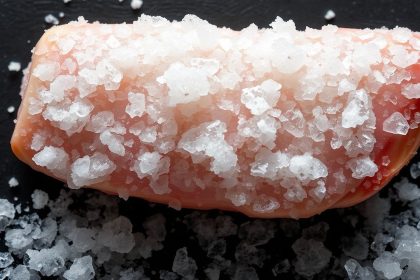
Submerge breasts in the mix for 30 minutes to 4 hours. Alternatively, a basic brine (water with 1-2% salt by weight) for 1–4 hours increases water retention; dilute and rinse before seasoning.
Searing and finishing on the grill
Preheat the grill to medium-high (around 375–400°F / 190–205°C). Create two zones: direct heat for a short sear and indirect heat for gentle finishing so the temperature rise is controlled.
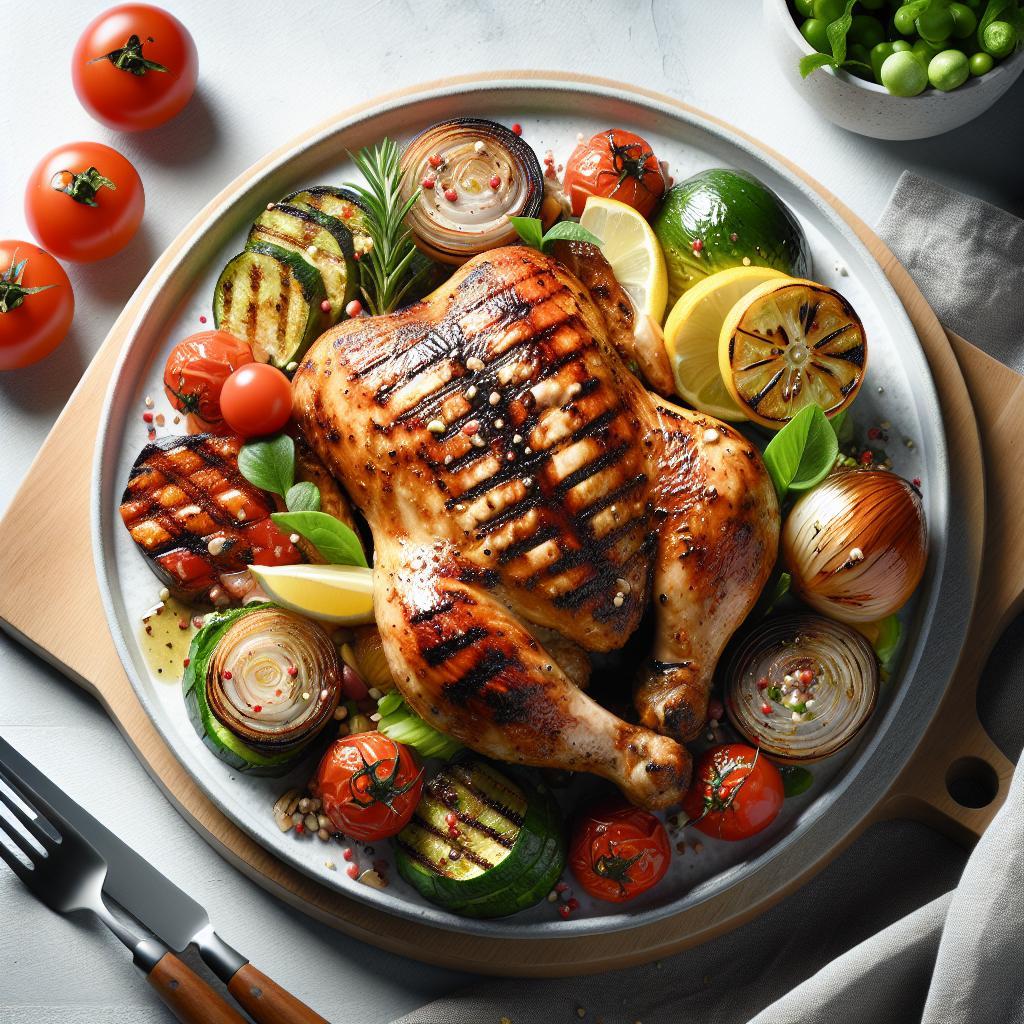
Sear 2–3 minutes per side to develop flavor and color, then move to indirect heat and cook another 8–12 minutes, flipping once. Avoid continuous flipping; let thermal conductivity do its work.
Temperature target and resting
Remove chicken when the thickest point reads 160–162°F (71–72°C) and tent with foil for 5–10 minutes. Carryover cooking typically reaches the USDA target without forcing the meat past 165°F, which often causes dryness.
Resting allows juices to redistribute into the muscle, so slicing later yields a moist texture. Slice against the grain for the most tender mouthfeel.
Tips for success
Small, consistent habits create reliable outcomes: calibrate your thermometer, keep marinade times moderate, and control flare-ups to avoid hot spots. Each choice has a mechanical effect on moisture loss.
Prefer indirect finishing over high heat-only grilling. Indirect heat reduces surface temperature extremes and preserves tenderness while allowing the internal temperature to climb gently.
If you use yogurt in the marinade, keep marination under four hours to avoid excessive protein denaturation. For brining, maintain salt concentration and time limits to balance flavor and texture.
Common mistakes that dry chicken
Typical errors include over-reliance on direct high heat, skipping rest, and neglecting to use a thermometer. Each of these increases the odds of a dry result.
Another mistake is over-acidifying the marinade. High acid levels break down proteins too aggressively, causing a mealy or dry surface once cooked.
Let the chicken come slightly toward room temperature before grilling so the surface and interior heat more uniformly. This step shortens cooking time and reduces moisture loss.
Serving suggestions
Pair grilled chicken with high-moisture sides to emphasize juiciness, such as a cucumber-tomato salad, chimichurri, or lemon-herb yogurt sauce. Bright accompaniments complement the savory crust.
Garnish with chopped parsley and lemon wedges and slice just before plating. For more technique and recipe combinations, see our internal guides on grilling and brining: Ultimate Guide to Grilling Techniques and Brining for Beginners.
Safety and quality considerations
Safe cooking practices protect both texture and health. Target the correct internal temperature and follow basic food-safety handling to minimize risk while maximizing quality.
For background on safety standards and recommendations, consult the general resource on food safety. Proper handling also preserves flavor by preventing spoilage-related off-flavors.
FAQ
Why is my chicken dry even when it looks done?
Often you are letting the internal temperature climb too high during final minutes. Remove the chicken at 160–162°F and rest under tented foil so carryover hits the safe 165°F without overcooking.
Does brining always help?
Yes, when done correctly. A balanced brine increases moisture content and helps proteins bind water during cooking. Keep brine concentration and time appropriate to avoid a salty interior.
Can I salvage slightly overcooked chicken?
Slice thinly, serve with a moist sauce, or shred and fold into a dressing or broth. Reintroducing moisture by sauce or liquid will improve mouthfeel and perceived juiciness.
Is a meat thermometer essential?
Absolutely. A reliable thermometer eliminates guesswork, reduces overcooking, and improves repeatability. Digital instant-read models provide fast, accurate readings for safe, juicy results.
Which cut stays juiciest on the grill?
Dark meat, like thighs and drumsticks, retains moisture better because of higher fat and connective tissue. If you choose breasts, apply the techniques above to achieve comparable tenderness.
Closing remarks
Controlling heat, timing, and salinity transforms grilled chicken from dry to succulent. The combination of brine or balanced marinade, a short sear followed by indirect heat, and precise temperature control produces consistent success.
Build these habits into each cook session and your grilled chicken will reliably turn out juicy and flavorful. Happy grilling and refine your process one cook at a time.
See also: grilled chicken