

Risotto demands attention to technique as much as it asks for quality ingredients. A skilled cook knows that stirring does more than keep the pot moving; it controls starch release, heat distribution, and ultimately the mouthfeel of the finished dish.
- Constant stirring extracts more starch for silkier texture.
- Intermittent stirring preserves a firmer, nuttier bite.
- Broth temperature and rice choice influence results as much as stirring style.
Origins and the role of rice
Risotto traces its roots to northern Italy, where short-grain rice varieties made creamy rice dishes possible long before modern techniques. The dish developed in regions like Lombardy and Piedmont that grew rice suited to slow, wet cooking.
To learn more about the cultural context, see the historical background on risotto. Understanding origin helps you respect traditional technique while experimenting thoughtfully.
Prep, timing, and practical setup
Set yourself up before you begin. Warm the broth, measure ingredients, and use a wide, heavy-bottomed pan so heat spreads evenly across the rice bed.
Prep also includes choosing the rice. Varieties such as Arborio concentrate starch and perform predictably; study the grain differences on the Arborio rice page to match grain behavior to your desired texture.
Ingredients and yield
Keep the list short and precise: short-grain rice, warm stock, a splash of wine if desired, butter, cheese, aromatics, and seasoning. Use quality stock for depth; it contributes directly to the final flavor profile.
This recipe yields four portions. For scalability, maintain the rice-to-broth ratio and the same gradual addition method rather than adding all liquid at once.
Step-by-step instructions
Start by sweating finely diced onion in oil and a tablespoon of butter until translucent. Add rice, toast briefly to coat each grain, then deglaze with wine if using.
After the wine evaporates, add warm broth in ladlefuls, stirring according to your chosen method. Finish with butter and grated hard cheese, like Parmigiano-Reggiano, and rest briefly before serving.
Complete ingredient list
1 ½ cups Arborio rice, rinsed lightly; 5 cups warm low-sodium stock; 3 tbsp butter; 1 small onion, finely chopped; ½ cup dry white wine (optional); ¾ cup freshly grated Parmigiano-Reggiano; 2 tbsp olive oil; salt and freshly ground black pepper; chopped parsley for garnish.
Keep stock warm in a separate saucepan and use a wooden spoon. A wooden spoon reduces friction against grains and gives tactile feedback as the risotto thickens.
Techniques compared: constant vs intermittent
Both methods produce excellent results if executed with control over temperature and liquid addition. The difference lies in how much starch you coax from the grains and how much oxygen you introduce while stirring.
Below, each approach is described so you can match method to desired texture and kitchen tempo.
Constant stirring: mechanics and outcomes
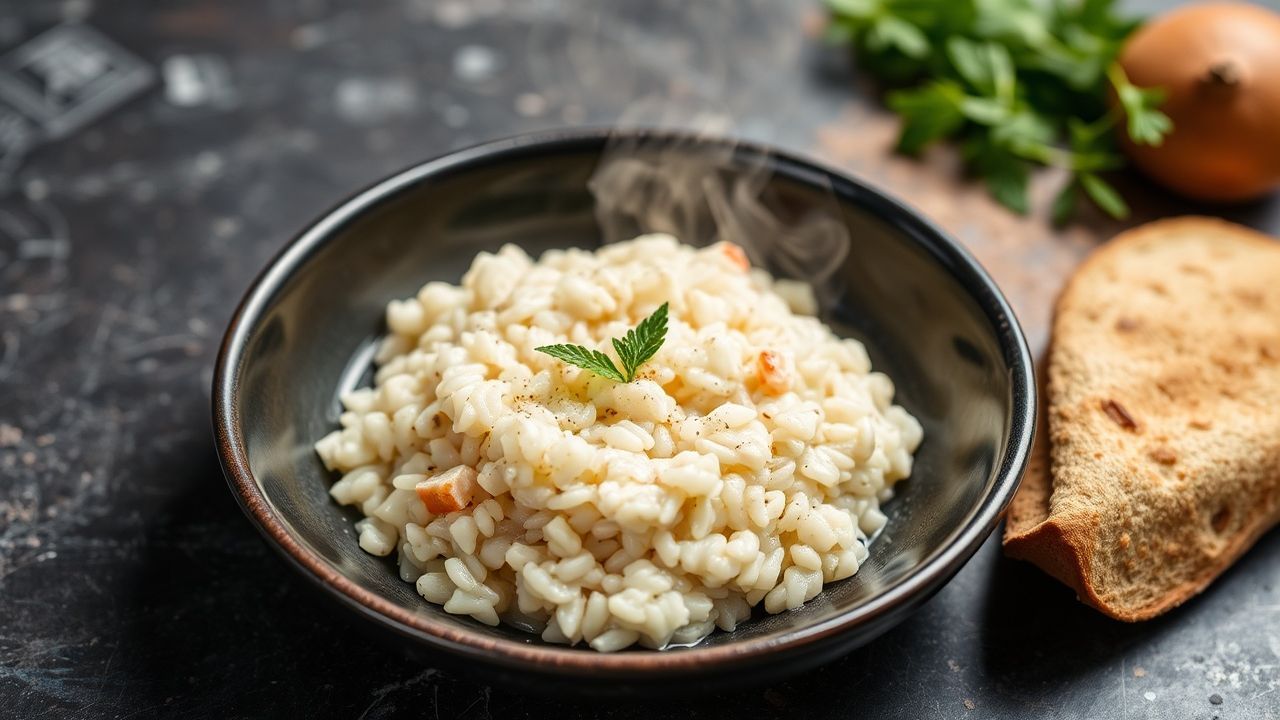
Constant stirring keeps grains in gentle motion. This steady agitation promotes continuous surface abrasion and sustained starch release, producing a cohesive, emulsion-like creaminess.
Use a relaxed wrist and short strokes; aggressive scraping can fracture grains and turn texture gluey. Maintain medium-low heat and add stock gradually, allowing each ladle to be mostly absorbed before the next addition.
Intermittent stirring: mechanics and outcomes
Intermittent stirring reduces agitation and oxygen exposure. You add broth, then let the rice sit undisturbed for moments with occasional gentle swirls to redistribute heat.
This approach tends to yield a firmer core and more pronounced individual grain texture. The result can be slightly denser with a nuttier note since starch release is moderated.
When to choose each method
Choose constant stirring when you want a glossy, cohesive risotto that lightly coats a spoon. Chefs who pursue classic Piedmont- or Lombardy-style risottos often favor this technique.
Opt for intermittent stirring when you need to multitask or when you prefer a textural contrast between the creamy matrix and firmer grains. Both approaches work for professional plating and home service alike.
Pro tips and common pitfalls
Control heat at medium-low to avoid thermal shock that causes uneven cooking. Tasting frequently beats relying on time alone; aim for al dente with a slight cream around each grain.
Salt late in the cooking process; concentrated stock plus cheese can push sodium levels high if you salt early. Keep finishing butter and cheese ready to fold in off heat for optimal emulsification.
When you stir, do so with a wooden spoon and employ short, controlled movements. That reduces grain damage and helps you sense the change in viscosity as starch gelatinizes.
Serving and finishing
Finish with cold butter and freshly grated Parmigiano-Reggiano to enrich mouthfeel and add savory balance. Rest the risotto for 1–2 minutes under a lid before serving to let flavors integrate.
For presentation, spoon onto warmed plates and serve immediately; risotto continues to thicken as it cools, so time service to peak texture. Consider a light vegetable side or a peppery salad for contrast and acidity.
Nutrition snapshot and notes
Per serving values vary with ingredient choices, but a typical home-style risotto with butter and cheese runs near 400–450 kcal per portion. Adjust fat and cheese to meet dietary needs.
For more on Italian pantry essentials and building balanced plates, consult our internal resources: Italian Cooking Basics and our guide on rice selection at Rice Varieties.
| Nutrient | Per Serving |
|---|---|
| Calories | 420 kcal |
| Protein | 12 g |
| Carbohydrates | 55 g |
| Fat | 15 g |
Further reading and reference
To understand rice physiology and starch behavior in more depth, review the general rice overview on rice and consult the entry for Parmigiano-Reggiano to appreciate the finishing flavors that define classic risotto.
Studying grain chemistry and regional technique gives practical intuition for troubleshooting texture issues and tailoring results to taste and service conditions.
FAQ
1. Does stirring risotto make it more or less healthy?
Stirring only affects texture and starch release, not intrinsic nutrition. Healthiness depends on ingredient choices—stock quality, butter, cheese, and portion size.
Reduce fat by trimming finishing butter or replacing part of the cheese with nutritional yeast, but accept some fat is needed to create the classic mouthfeel.
2. How long should I stir for best results?
Overall liquid absorption usually takes 18–22 minutes, with active stirring or periodic swirling during that window. The final 5–7 minutes determine creaminess and require closer attention.
Rely on texture rather than time alone: aim for rice that is tender outside with a slight chew at the center.
3. Can I make risotto ahead?
Partially cook risotto to just short of doneness, cool quickly, and refrigerate. Reheat gently with warm stock, finishing with butter and cheese just before serving.
Do not fully finish risotto early; it will over-thicken and lose the ideal creamy consistency on hold.
4. Is a specific rice required for risotto?
Short-grain varieties with high starch content perform best. Arborio is common; other varieties like Carnaroli excel for their balance of creaminess and firm bite.
Review the grain characteristics on the Arborio page and explore other short-grain types to match texture goals.
5. Should I always use wine?
Wine adds acidity and aromatic lift, but it is optional. If you omit it, a splash of bright acid—like lemon juice at the end—can provide the same counterpoint to richness.
Use small quantities and taste as you go; the goal is balance, not domination of any single ingredient.
Mastering stirring lets you control the final dish. Whether you prefer the meditative rhythm of constant stirring or the lighter touch of intermittent movement, technique plus ingredient quality leads to dependable, delicious risotto.
See also: risotto