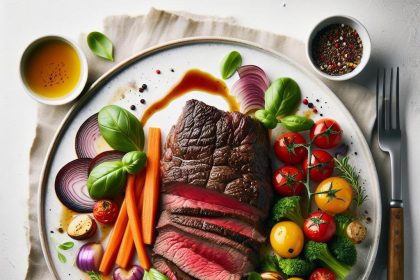

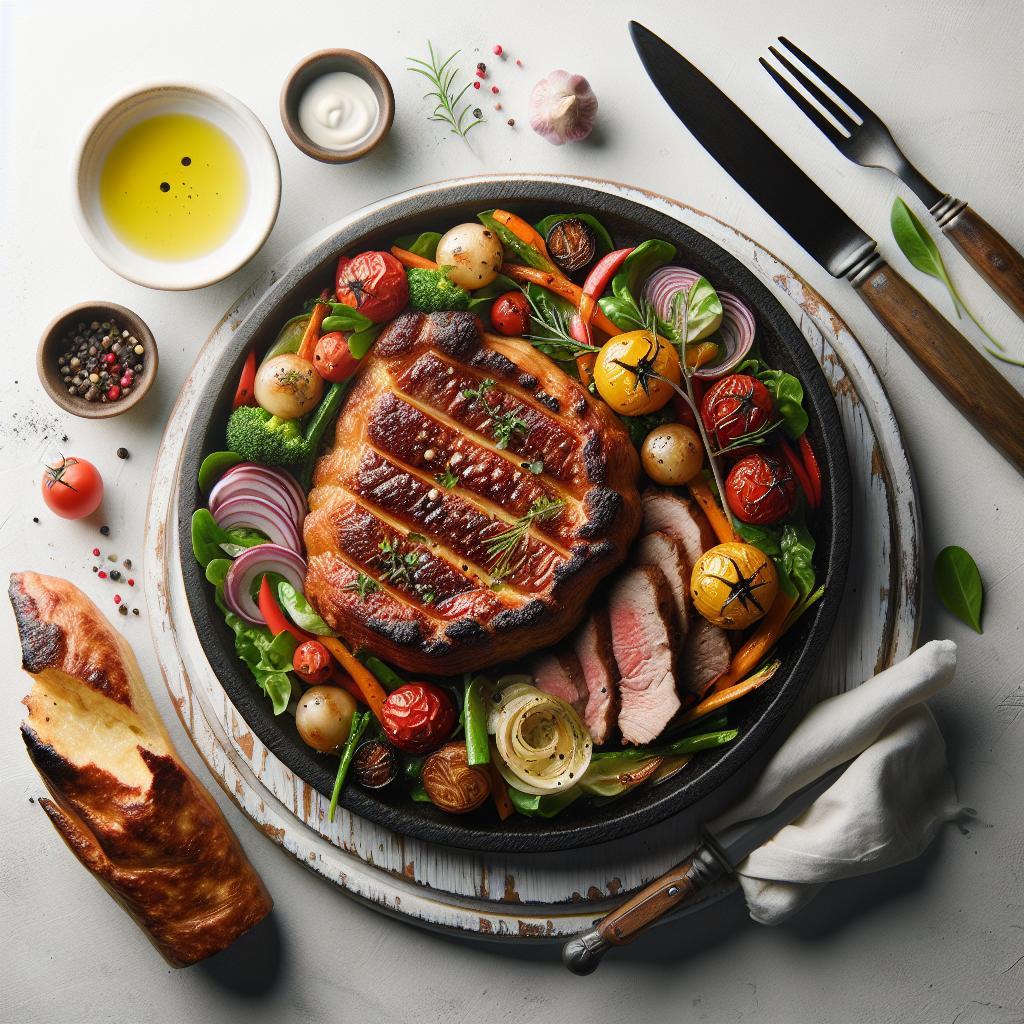

Achieve a reliable steak crust by controlling surface dryness, pan temperature, and salt timing. The right sequence of steps produces the brown, flavorful exterior that defines a great sear.
- Understanding the Maillard Reaction for a Perfect Steak Crust
- Why Your Meat Comes Out Pale: Fixes for a Steak Crust
- Preparation Steps That Make the Difference for a Steak Crust
- Heat Management and Technique for a Steak Crust
- Finishing, Resting, and Serving a Steak Crust
- At-Home Equipment and Safety for Producing a Steak Crust
- FAQ
- Dry the surface immediately before cooking to enable the Maillard reaction.
- Use heavy cookware and a high smoke-point oil for steady heat transfer.
- Time your salt to season without wetting the exterior and loosened juices.
- Baste late and rest briefly to preserve gloss and texture.
Understanding the Maillard Reaction for a Perfect Steak Crust
The visible brown layer on meat forms from the Maillard reaction, a chemical process between amino acids and reducing sugars that occurs at high heat.
That reaction creates complex aroma and taste compounds that define a real steak crust. For a technical primer, see Maillard reaction.
How surface chemistry matters
Proteins and surface sugars must reach roughly 140–165°C to form desirable Maillard products. Any surface moisture will convert to steam and keep the meat below that window.
A slightly higher pH speeds browning, which explains why small, controlled alkalinity changes affect the crust. Use these adjustments sparingly on thin cuts to avoid chemical flavors.
Why Your Meat Comes Out Pale: Fixes for a Steak Crust
Pale results typically trace to excess moisture or insufficient pan temperature. Steam prevents the surface from entering the Maillard temperature range and yields a steamed appearance instead of a crust.
Thin, lightweight pans drop temperature when meat is added and encourage steaming. A heavy pan retains heat and promotes immediate searing contact.
Moisture: the invisible saboteur
Even small droplets on the surface convert to steam at searing temperatures. Pat steaks dry with paper towels right before seasoning and cooking to remove surface water.
Avoid rinsing or wet brines immediately before searing. If you brine, dry thoroughly and allow time for the surface to set before heat contact.
Temperature and pan choice
Choose a pan that holds heat when food hits it, such as cast iron or heavy stainless steel. Cast iron stores energy and provides even contact for an efficient sear; see cast-iron skillet for heat capacity details.
If your pan cools dramatically, it will steam rather than sear. Preheat properly until the surface oil shimmers for direct heat transfer without pooling.
Preparation Steps That Make the Difference for a Steak Crust
Preparation narrows to three priorities: surface dryness, even thickness, and appropriate salt timing. Address all three and you dramatically raise the odds of a consistent steak crust.
Trim excessive surface fat and, if needed, score thick fat caps to encourage even contact. For thicker cuts, let them approach room temperature so heat penetrates predictably.
Salt timing and seasoning strategy
Salt first pulls moisture out, then reabsorbs it and seasons internally. A short rest of 15–30 minutes after salting typically dries the surface enough for a good crust without excessive juice loss.
Salt thin cuts immediately before searing. For thicker cuts, pre-salt and rest to achieve internal seasoning while keeping the exterior ready for browning. For deeper guidance, read our internal steak salting guide.
Choose a high smoke-point oil—avocado or grapeseed works well—to transfer heat quickly. Add butter only near the end of the sear to avoid burning milk solids and spoiling the crust.
When the meat hits the pan, resist moving it. Undisturbed contact allows the Maillard reaction to proceed and build that visible crust reliably.
Heat Management and Technique for a Steak Crust
Heat control separates a strong sear from a scorched exterior. Begin on high heat to initiate browning, then adjust to maintain color without charring.
An infrared thermometer helps verify surface temperature and remove guesswork. Reliable measurement improves repeatability across different cookware and stovetops.
Basting and butter timing
Butter offers depth but burns at high temperatures. Add butter with aromatics like garlic and thyme only after the initial sear; baste briefly to coat the crust without degrading it.
Basting transfers flavor and creates a glossy finish while reducing direct butter contact with an extremely hot surface. Use tongs and a spoon to control the flow.
Flip strategy
Limit flips to once or twice; frequent turning interrupts the continuous contact time needed for browning. Allow each side an uninterrupted searing window to develop an even crust.
Use tongs rather than a fork to avoid piercing the meat and releasing juices. Gentle handling preserves internal moisture and the external texture.
Finishing, Resting, and Serving a Steak Crust
Remove the steak at target internal temperature and rest it to redistribute juices. Resting prevents interior liquids from rewetting and softening the crust.
Tent loosely with foil to allow vapor to escape while retaining heat. Tight wrapping traps steam and leads to a soggy exterior instead of a crisp steak crust.
Slicing and final touches
Slice against the grain to shorten muscle fibers and improve perceived tenderness. Finish with a light scatter of coarse salt or a quick pan sauce to complement the crust.
Different meats brown differently based on fat and sugar content. For reference on species-specific characteristics, see beef and poultry profiles.
After a rest, serve promptly to retain contrast between the crisp crust and tender interior. Time the plating so guests get peak texture and heat.
At-Home Equipment and Safety for Producing a Steak Crust
Match your technique to your tools. Heavy pans, a reliable digital thermometer, and a solid pair of tongs make consistent results realistic and repeatable.
Replace or re-season pans that no longer hold heat well. When searing at extreme temperatures, use ventilation to manage smoke and protect indoor air quality.
Recommended gear and setup
A cast-iron or heavy stainless pan provides the mass needed for steady searing. Learn more about searing mechanics at searing.
Keep a small heat-proof tray or rack to rest finished steaks. This prevents trapped steam beneath the meat and helps maintain the crust while you finish additional pieces.
For equipment suggestions, consult our internal roundup of the best cast iron skillet for searing, which lists pans that retain temperature and deliver a consistent steak crust.
FAQ
Why does my steak steam instead of sear?
Steam forms when surface moisture turns to vapor on a hot pan. Pat the steak dry, preheat a heavy pan, and avoid overcrowding to prevent steaming.
Also confirm your oil is shimmering but not smoking strongly; that window encourages direct heat transfer rather than steam buildup.
When should I add butter for flavor without burning the crust?
Add butter after the initial sear and once you flip to finish the second side. Baste briefly and keep the butter moving to avoid burning milk solids.
Alternatively, finish with cold butter off-heat to enrich pan juices and gloss the crust without exposure to extreme direct heat.
How long should I rest a steak to preserve the crust?
Rest most steaks 5–10 minutes depending on thickness. Tent loosely to keep heat while allowing vapor to escape so the crust stays crisp.
Longer resting times can soften crusts due to condensation; monitor timing to keep texture intact.
Does salting well in advance ruin the crust?
Salting hours ahead can draw moisture then reabsorb it, which seasons deeply. If you salt more than 60 minutes before cooking, pat the surface dry before searing to ensure a crust.
Short rests of 15–30 minutes often hit the sweet spot for thicker cuts: they season while still allowing a dry surface for browning.
What’s the single biggest change I can make to improve my steak crust?
The most impactful change is to remove surface moisture immediately before searing. Pat dry, preheat a heavy pan, and sear with minimal movement to produce a reliable steak crust.
Combine that with correct salt timing and steady heat management and you will see consistent, restaurant-quality results at home.
See also: steak crust