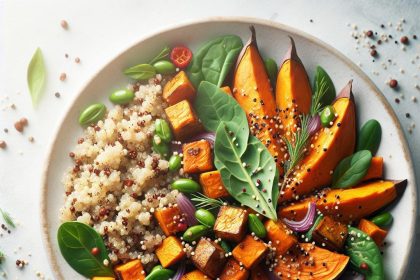



10 Ultimate Vegan Couscous Meals: Amazing Best Healthy, Filling, and Flavorful
When I first cooked Vegan Couscous for a busy weeknight, I expected a bland side; instead it became the centerpiece of a weekly routine that saved time and boosted nutrition. The bowl combined roasted vegetables, chickpeas, preserved lemon, and a quick spicy dressing—each bite both comforting and energizing.
- Vegan Couscous: Why it Works for Healthy, Filling Meals
- Vegan Couscous Nutrition & Health Benefits
- How to Make a Signature Vegan Couscous Recipe
- Vegan Couscous Meal Variations: Before vs After Flavor Boosts
- Vegan Couscous Shopping, Storage, and Prep Tips
- Expert Chef Pro-Tips to Elevate Vegan Couscous
- Detailed Nutritional Info (Per Serving)
- Vegan Couscous: Serving Ideas and Meal Planning
- Vegan Couscous: Common Mistakes and How to Fix Them
- External Resource
- FAQ
- High satiety: couscous paired with legumes keeps you full longer.
- Fast prep: ready in 15–25 minutes, ideal for weeknight cooking.
- Versatile flavor: Mediterranean, North African, and Middle Eastern profiles work well.
Vegan Couscous: Why it Works for Healthy, Filling Meals
Vegan Couscous blends rapid-cooking grains with fiber-rich additions to build meals that satisfy appetite and nutrition goals. When combined with plant protein and healthy fats, these bowls can help support more stable blood sugar and reduce mid-afternoon energy dips.
Couscous acts as a neutral canvas: add legumes, seeds, vegetables, and herbs to create balanced macronutrients and varied micronutrients without complex cooking steps.
Vegan Couscous Nutrition & Health Benefits
Vegan Couscous is often made from semolina (coarsely ground durum wheat), offering a source of complex carbohydrates and some protein. When served with legumes and vegetables, the meal becomes higher in fiber, B vitamins, and minerals such as manganese and selenium.
For gluten-free diets, choose gluten-free alternatives such as pearl millet, buckwheat pearls, or quinoa—these provide a similar pearl-like texture to Israeli/pearl couscous without gluten. Always check packaging for added sodium; many preflavored mixes increase salt content. Pairing with tahini or olive oil adds healthy fats and helps absorb fat-soluble vitamins from vegetables.
How to Make a Signature Vegan Couscous Recipe
This recipe section follows a chef-style structure: clear ingredients, stepwise technique notes, and measured nutrition per serving for reproducible results. The method emphasizes texture control so grains stay separate and flavored, not mushy.
Ingredients (for 4 servings)
Below are exact amounts in both metric and imperial units so any cook can follow. Measure liquids precisely and season progressively for best flavor balance.
- 240 g (2 cups) couscous (medium-grain) or whole-wheat couscous
- 300 ml (1 1/4 cups) vegetable broth, low-sodium
- 1 can (400 g / 15 oz) chickpeas, drained and rinsed
- 200 g (7 oz) cherry tomatoes, halved
- 150 g (5 oz) cucumber, diced
- 1 medium red onion, thinly sliced
- 80 g (1/2 cup) parsley, chopped
- 60 g (1/3 cup) mint, chopped
- 60 g (1/2 cup) toasted almonds or pine nuts
- 60 ml (4 tbsp) extra virgin olive oil
- 30 ml (2 tbsp) lemon juice
- 1 tsp ground cumin
- Salt and freshly ground black pepper to taste
Detailed Preparation Method
Start by bringing the vegetable broth to a gentle boil and then remove from heat before adding the couscous. Cover and let it sit for 5–7 minutes, then fluff with a fork to separate grains; this step prevents clumping and yields a light texture.
While couscous steeps, toss cherry tomatoes, cucumber, chickpeas, and onion with olive oil, lemon juice, cumin, salt, and pepper in a large bowl. Fold the fluffed couscous into the salad, add herbs and toasted nuts, then taste and adjust seasoning. Chill for 10 minutes if you want a refreshing cold salad, or serve warm with roasted vegetables on top for a hearty bowl.
For more complex layering, roast a tray of eggplant, sweet potato, or carrots at 200°C (400°F) for 20–25 minutes and spoon onto the couscous at serving time. The contrast between roasted caramelization and bright herbs elevates the dish to a restaurant-quality bowl.
Vegan Couscous Meal Variations: Before vs After Flavor Boosts
Before: Basic couscous with olive oil and salt is a quick filler side but can lack sustained satiety. On its own, it digests more quickly than a balanced meal and may leave you hungry sooner.
After: Upgrade by adding roasted chickpeas, lentils, or tempeh for plant protein, plus roasted root vegetables and a lemon-tahini dressing. These changes increase fiber and healthy fats, producing longer fullness and richer flavor.
Moroccan-Spiced Vegan Couscous Bowl
Combine smoked paprika, cinnamon, and turmeric with roasted chickpeas and apricots for sweet-savory balance. A simple starting mix is 1 tsp smoked paprika, 1/2 tsp ground cinnamon, and 1/2 tsp turmeric tossed with chickpeas before roasting; finish with cilantro and a spoonful of harissa for heat. The sweet notes balance spice and provide depth without added sugar.
Serve this bowl warm with preserved lemon and olives to echo North African traditions. This profile pairs well with grilled vegetables or seared tofu for extra protein density.
Mediterranean Lemon-Herb Vegan Couscous Salad
This version highlights bright citrus, fresh herbs, cucumbers, and kalamata olives. Use extra virgin olive oil and capers to bring a salty tang that contrasts the mild couscous base and enhances mouthfeel.
Add wilted spinach or steamed artichoke hearts to increase iron and fiber, then sprinkle with toasted sesame seeds or hemp seeds for crunch and an omega-3 boost. This salad works well as meal prep for 3–4 days.
Vegan Couscous Shopping, Storage, and Prep Tips
Buy whole-grain or whole-wheat couscous when possible; it offers more fiber and micronutrients than refined semolina. Store couscous in an airtight container in a cool, dry place to prevent rancidity and insect infestation.
Cooked couscous keeps in the refrigerator for up to four days in a sealed container. Rehydrate and refresh with a splash of lemon juice and olive oil before serving; if reheating, use low heat with a lid to avoid drying out the grains.
Expert Chef Pro-Tips to Elevate Vegan Couscous
Use broth instead of water for a flavor baseline. Add aromatics like garlic or preserved lemon at the end to avoid bitterness from overcooking. Properly toasted nuts and seeds add texture and a roasted flavor layer.
Couscous absorbs dressings quickly; dress the salad just before serving if you prefer distinct textures. For meal-prep salads, keep dressing on the side or lightly toss to prevent sogginess.
Detailed Nutritional Info (Per Serving)
Below are approximate nutrients for the recipe above, calculated per serving (1 of 4). Values assume medium-grain couscous and standard chickpeas; adjust for whole-wheat swaps or added tahini.
- Calories: ~420 kcal
- Protein: 12–14 g
- Carbohydrates: 58–64 g
- Fiber: 8–10 g
- Fat: 14–16 g (largely from olive oil and nuts)
- Sodium: Variable; aim for under 700 mg by using low-sodium broth
Swapping in whole-wheat couscous raises fiber by about 2–3 g per serving and slightly increases protein. Adding 100 g of roasted tempeh or seared tofu increases protein by roughly 12–18 g per serving, creating a truly filling meal that supports recovery after exercise.
Vegan Couscous: Serving Ideas and Meal Planning
For weekly meal prep, portion couscous into airtight containers with a separate small dressing tub. Add roasted vegetables and nuts on top; this keeps textures intact and reduces reheating time during the week.
For family meals, set up a couscous bowl bar: lay out roasted vegetables, legumes, pickled elements, sauces, and herbs. Guests can customize, which increases satisfaction and reduces perceived monotony.

Vegan Couscous: Common Mistakes and How to Fix Them
Too many cooks overcook or over-stir couscous, creating a gluey texture. Fix it by steaming instead of boiling and always fluffing with a fork once the liquid is absorbed; a light hand preserves individual grains.
Another frequent error is insufficient seasoning. Taste at three points: when the broth is prepared, after couscous is fluffed, and after mixing with other ingredients. Layering salt and acid produces more balanced flavor than seasoning only once.
External Resource
For cultural background and historical context on the grain often used for couscous, consult an authoritative source such as Couscous — Wikipedia overview. That page outlines regional variations and traditional preparation methods.
FAQ
Is Vegan Couscous healthy for weight loss?
Yes, when composed with legumes, vegetables, and healthy fats, Vegan Couscous meals can support weight loss by improving satiety and reducing reliance on calorie-dense additions. Portion control and whole-grain options increase fiber and micronutrient intake.
Can I make Vegan Couscous gluten-free?
Traditional semolina couscous contains gluten, so choose gluten-free alternatives like millet pearls, quinoa, or buckwheat pearls. Note that quinoa is a seed rather than a cereal grain but works well as a one-for-one swap in many recipes.
How long does cooked Vegan Couscous last?
Cooked Vegan Couscous keeps for about four days refrigerated in an airtight container. Keep dressings separate for optimal texture, and when reheating, add a splash of water or broth to restore moisture.
What proteins pair best with Vegan Couscous?
Legumes such as chickpeas, lentils, and edamame deliver plant-based protein and fiber. For soy-based options, tempeh and tofu add denser protein and absorb marinades, creating robust bowls suitable for active lifestyles.
Can I prepare Vegan Couscous for meal prep?
Absolutely. Prepare the base couscous and store with separate roasted vegetables and dressings. Assemble bowls when ready to eat for best texture and flavor; this increases compliance and reduces time spent cooking during busy weeks.
Final note: Use couscous as a modular base: mix grains, proteins, vegetables, and herbs to suit seasonality and taste preferences. The quick-cooking nature of couscous makes it an efficient vehicle for nutritious, satisfying vegan meals.
See also: Vegan Couscous